Rail & Labor News from RWU
| |
Weekly Digest Number 20 - May 14th, 2024 | |
Welcome to the RWU Rail & Labor News! This news bulletin is produced and emailed out each Tuesday morning. We hope you find each week's news and information useful. If so, please share with co-workers, friends, and colleagues. If you like, you can sign them up to get all the news from RWU HERE. Or forward them the link. Got a hot tip? Please forward the article and a link to raillabornews@gmail.com. Note: If you read over this news bulletin each week, you will be sure to never miss the important news of what is going on in the railroad world from a worker's perspective! | |
Editor's Note: Whatever. Ironically, some union officials are cheering while others are mourning. Meanwhile railroad workers say "to hell with all of you CEOs, hedge funds and managers." Working rails and our unions have no dog in this fight. It is time to build solidarity and unity in the workforce and act like a UNION, not a bunch of beggars and boot lickers! | |
Wall St Journal / May 10
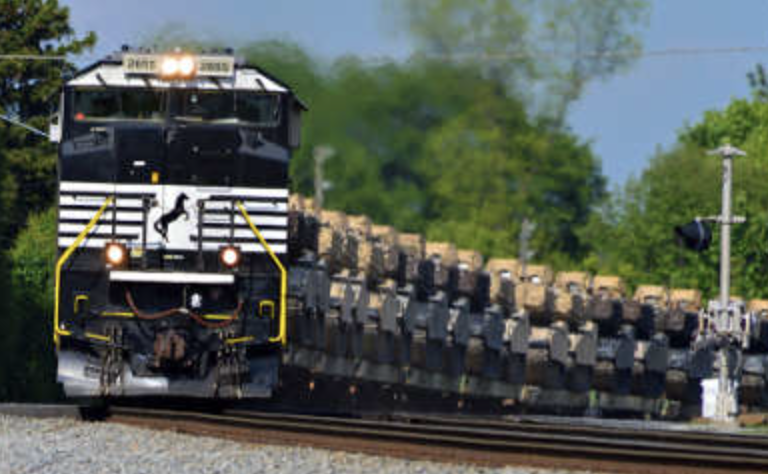
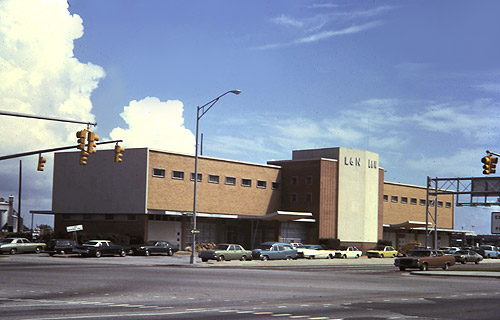
The freight railroad’s shareholders on Thursday voted against an activist investor’s proposal to unseat Alan Shaw as CEO. The investor, Ancora Holdings, scored a partial victory as shareholders voted to replace three members of the company’s 13-person board. Ancora has criticized Norfolk’s operational and financial performance as well as its handling of the train derailment last year that resulted in the release of toxic chemicals in a small Ohio town. Ancora was pushing for seven seats on the board and demanding the replacement of both Shaw and Norfolk’s chief operating officer. Norfolk and Ancora have different positions on how to implement precision scheduled railroading, or PSR, a strategy to boost profits by running trains more efficiently and reducing costs. Ancora is pushing for a more conventional application of PSR with a stated goal of reducing the operating ratio— the percentage of revenue consumed by operating costs—to 57%, while Norfolk prefers a structure with higher staffing levels to prevent service disruptions when demand picks up.
| |
Editor's Note: Great to see our Canadian brothers and sisters ready to exercise their right to strike, and pushing back against both of the big Canadian Class Ones. They deserve the support of each and every U.S. rail worker. | |
Eric Atkins / May 2
Train operators at both of Canada’s major freight railways have voted to go on strike later in May if a labour deal isn’t reached, handing their union strong negotiating mandates and raising the odds of a work stoppage that would bring high economic costs. May 22 is the strike or lockout deadline for about 9,300 rail workers, who operate trains and direct traffic at Canadian National Railway and Canadian Pacific Kansas City. The vote results announced on Wednesday give union leaders the right to call strikes with 72-hour notices. Paul Boucher, president of Teamsters Canada Rail Conference, said a combined 98 per cent of votes cast were in favour of a strike, with a participation rate of 93 per cent. The main issues for union bargaining teams are rest periods and the ability of employees to book time off to ensure they are not working while fatigued.
| |
Editor's Note: Yes this seems like a simple matter of common sense efficiency. But does Verna wish to see those Mexican workers paid U.S. scale for their labors? Perhaps this offers the U.S. unions a golden opportunity to build solidarity with Mexican rail workers. | |
Ari Ashe / May 7
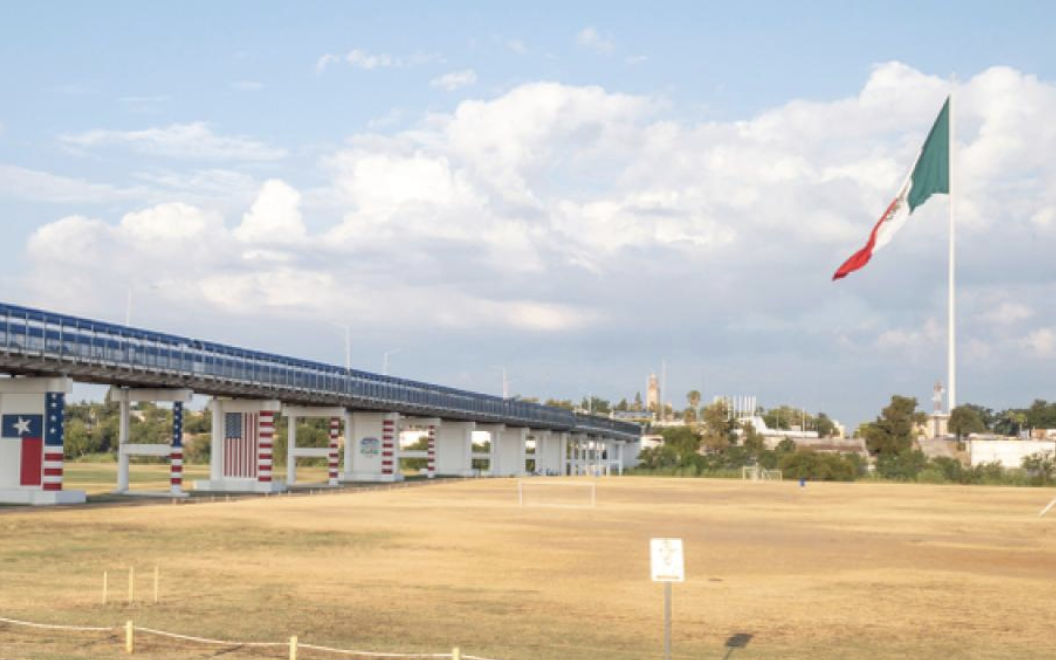
Union Pacific Railroad (UP) wants regulators, customs officials and unions to allow Mexican train crews to operate in a limited area within the US in order to create faster transits and reduce the likelihood of migrants accessing trains along the border near Eagle Pass, Texas. UP CEO Jim Vena believes the US border with Mexico should work similarly to the Canadian border. When a Canadian Pacific-Kansas City (CPKC) or Canadian National Railway (CN) train crosses into the US, the Canadian crew takes the freight to a designated point on the US side where a US crew assumes control. “In Mexico, we need to get over this issue of stopping at the border and changing crews on bridges,” Vena said May 1 at the North American Rail Shippers Conference in Chicago. “It doesn’t make a particle of sense. There’s no reason that Mexican crews can’t be trained to the same level as the US crews to come to the first yard [in the US], where our crews take over.
|
|
Editor's Note: Let's face it, this is a sideshow. Once again, we see the spectacle of the owning class divided on the issue of "safety." But one again, our job as the "union" is to raise safety issues independent of the carrier, and to fight independently for what we believe is right at the bargaining table. Hoping for the rail carriers to grant us a "safety committee" is absurd. We have the RIGHT to bargain over safe working conditions, and do want want to be a part of any kind of phony "joint union-management safety committee." | |
BLET / May 8
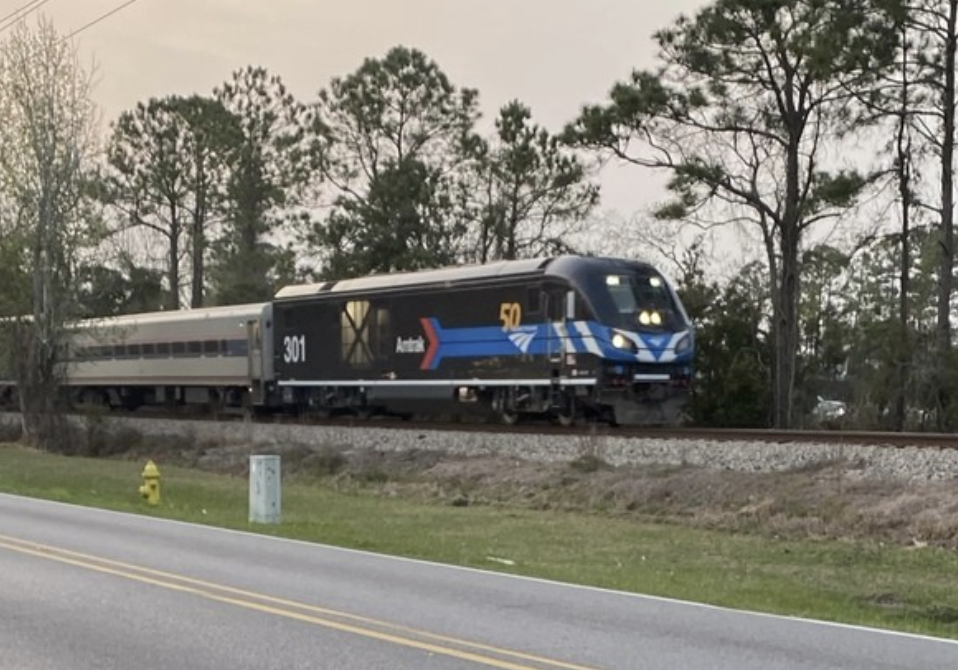
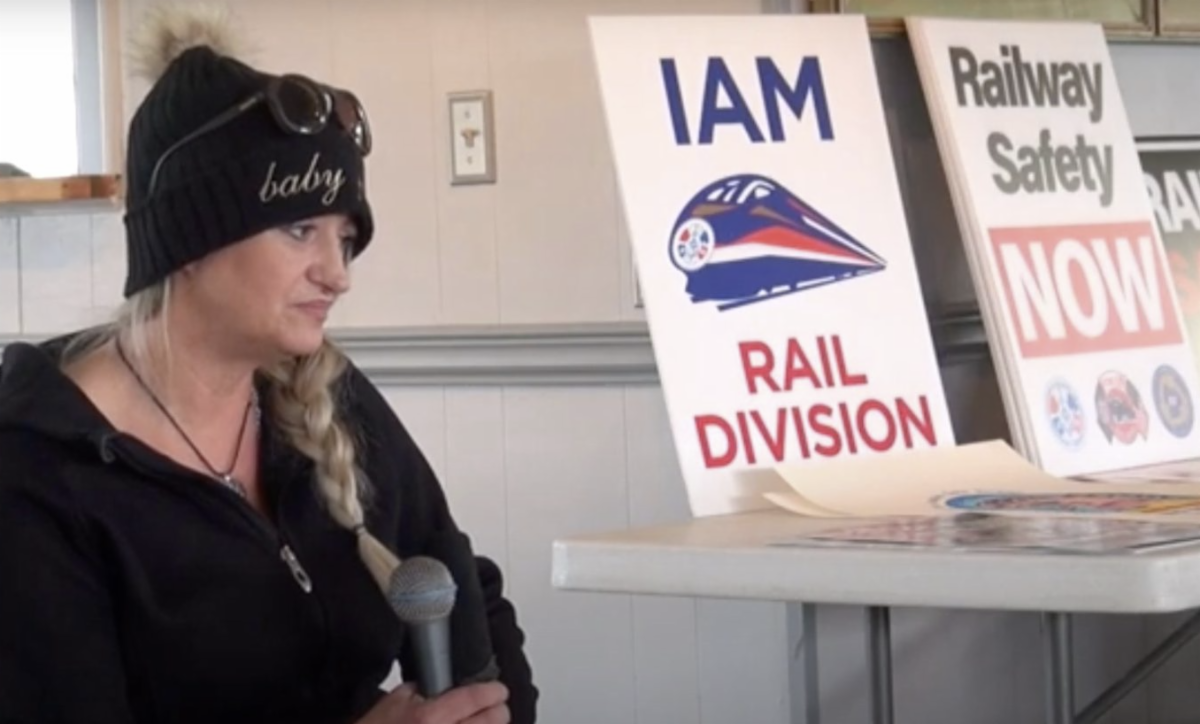
The following statement is from Brotherhood of Locomotive Engineers and Trainmen (BLET) National President Eddie Hall on this week’s annual meetings by publicly traded railroads and the opposition by railroad management to safety reforms that would improve railroad operations for both workers and the communities that the railroads serve. "This week CSX, Union Pacific and Berkshire Hathaway which owns BNSF, opposed shareholder resolutions that would create board committees focused on rail safety. This is incredibly short-sighted and in no one’s best interests -- certainly not the investors’ interests. We’ve all seen how an East Palestine disaster can cost hundreds of millions of dollars. How much more will the next big wreck cost, especially if it’s in a densely populated area?
| |
Editor's Note: Yes there is a lot of good news in the passenger rail department these days. But rails be forewarned - the carriers will soon be digging in their heels and rejecting proposals for increased frequencies and new routes ... unless perhaps the feds chip in billions for so-called needed "capacity improvements." | |
xaxnar / May 6
With plans for Amtrak expansion across the country thanks to Amtrak Joe and the Infrastructure Act, a lot of things are in motion. Part of the struggle to improve passenger service in America often turns on seemingly small choices and interactions between government at local, state and federal level. Take Portland, Maine. There’s currently an ongoing effort to decide where to locate a new station for the Downeaster. The current stop takes the train onto a branch line to the Portland Transportation Center at Thompson’s Point. To get back to the main line requires a back-up move and about 15 minutes of time. This has larger effects than might be obvious at first glance. [click through for xaxnar's take on passenger rail projects across the U.S.]
| |
Editor's Note: French train driver Axel Persson recently addressed the RWU Convention in April. RWU generally hosts foreign RR workers at our Convention as a way of educating rails across borders and a means to build transnational rail worker solidarity. Perhaps the rail craft unions may wish to engage in this sort of alliance building and experience sharing at their conventions. | |
Axel Persson
"As the great Eugene V. Debs himself once said, “We have organized industrially, we have learnt that we can manage as well as operate our industry. We do not need the idle masters and exploiters, they are simply parasites. They do not employ us as we have been taught to believe. They live off our labor and are there to take from us what we produce, and that is how they function in industry. We can never be free while we work and live by their sufferance. We must own our own tools and then we will control our own jobs, enjoy the products of our own labor and be free men and women instead of industrial slaves”. That, brothers and sisters, is our common objective, from Chicago to Trappes!"
| |
Editor's Note: Every railroad worker should oppose this man for any public position on any public board that has to do with the railroad, Amtrak or otherwise. | |
Jake Johnson / May 7
An alliance of unionized rail workers on Tuesday demanded that the U.S. Senate reject President Joe Biden’s nomination of former Trump administration official Ronald Batory to serve on the board of Amtrak, the nation’s passenger rail company. In a statement, Railroad Workers United (RWU) said Batory’s tenure as head of the Federal Railroad Administration (FRA) under former President Donald Trump “was marked by policies favoring ‘operational efficiencies’ (i.e., corporate profits) over the safety and well-being of rail workers and the public.” “Notably, under his leadership, FRA attempted to override state laws mandating two-person train crews, promoting instead the adoption of single-person crews nationally,” said RWU. “This push was part of a broader deregulation agenda, ostensibly aimed at reducing operational costs for the monopoly of carriers at the potential expense of safety and labor protections.”
| |
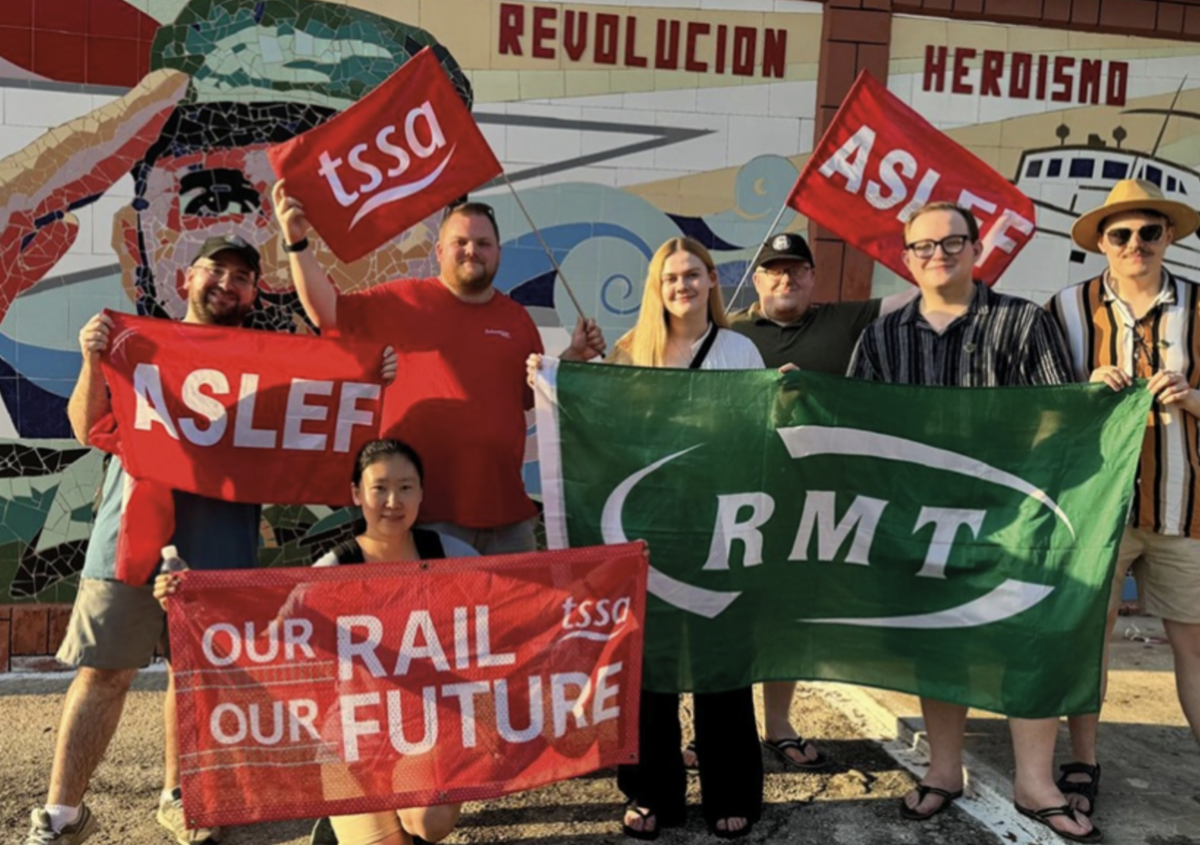
Editor's Note: Our fellow rail workers in the UK are largely organized into the RMT. Here is an insight into the BS that they put up with. Sound familiar? | |
|
BEN CHACKO / MAY 11
RMT (National Union of Rail, Maritime and Transport Workers) young members' committee chair SARAH CUNDY speaks to Ben Chacko about the challenges facing young transport workers, public campaigning and training a new generation of union reps.
Rail’s seen as a well organised sector with good terms and conditions, but this isn’t always the case: “I was working at a relatively new rail company in Britain so we didn’t have a lot of the good terms and conditions or pay that other train operators had, because there wasn’t a long history of trade union organising with that employer. “So it was a battle from day one to start winning better pay and conditions on that line. That got me really involved, and from there I got involved in the youth structures. “One of the issues that faces young people is we need to be proud of the heritage built on the railway — defend the terms and conditions won over many, many years when new operators come on the scene who don’t respect them.”
| |
Editor's Note: The trials and tribulations of restoring a simple 150 mile route to passenger train service continues. CSX and NS have given Amtrak hell for more than a decade now, inspiring others to take up the cause of opposition to restoration of passenger service on this route. The battle continues. | |
Jim Mathews / May 10
Last week I told you that we’re entering the trickiest part of getting new train service finally in place between New Orleans and Mobile, once we got past a public hearing that happened this past Monday to win approval for Amtrak’s temporary platform in downtown Mobile, Ala. Our colleagues leading the charge in Mobile – Friends of Amtrak-Mobile – were there for the Board of Zoning Adjustment’s hearing this week, and they report that the Board approved the platform unanimously, and with no real public opposition. That started a 15-day clock for getting a zoning special exception to start building the platform, so if no naysayers come out of the woodwork between now and then, and the Federal Railroad Administration approves Amtrak’s environmental fast-track procedures this month, by May 23 everyone should have the approvals to start construction. Except...
| |
Editor's Note: This is a travesty, and make one wonder what the comparison might be when looking at the difference in highway construction costs vis a vis our European counterparts. | |
Rick Harnish / May2
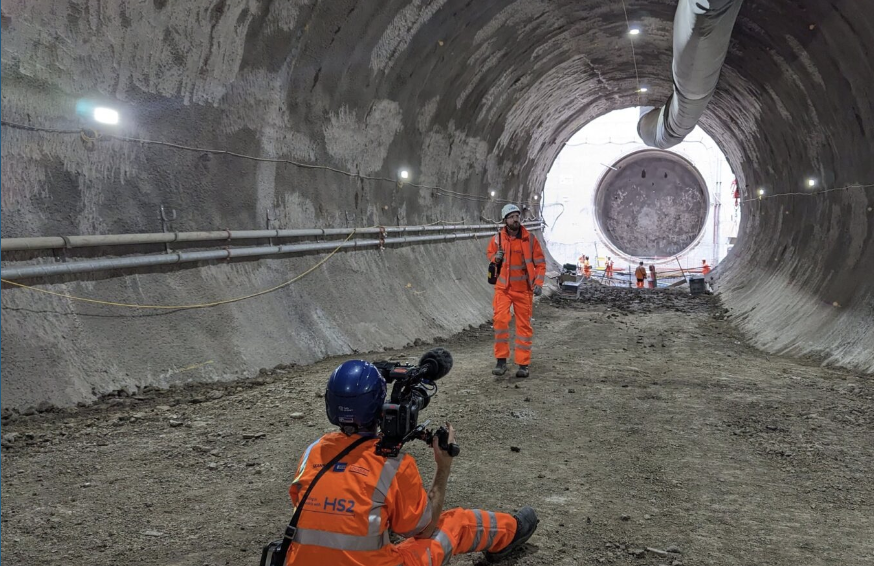
New York City’s Second Avenue subway extension opened in 2017. Five years earlier, Hamburg (German) completed an extension to the U4 line of its transit system. The projects were similar in many ways but radically different in one. Hamburg built its extension for $238 million per mile. New York’s cost $3.28 billion per mile. So New York got an equivalent product for 14 times the price. The costs of passenger-rail and transit projects in the US are shockingly out of line with those in peer countries. In the US, for example, the average cost of tunneled urban transit projects is nearly $1.4 billion per mile. In many developed countries—including France, Germany, Mexico, South Korea, and Italy—the costs range between roughly $250 million and $500 million per mile.
| |
Julia Conley / May 7
The growing global recognition of the human right to a clean environment "is up against an even more powerful force in the global economy," said David Boyd. With top fossil fuel producers including the United States arguing that the U.N. resolution is not legally binding, and refusing to join 161 other countries in enshrining the right to a healthy environment for their own citizens, Boyd said his experience as special rapporteur has shown him that "this powerful human right is up against an even more powerful force in the global economy, a system that is absolutely based on the exploitation of people and nature."
| |
Editor's Note: Railroad workers must understand that communities like East Palestine offer great opportunity for rails and trackside communities to come together to support rail safety and oppose the unsafe practices of Wall Street-run rail corporations. | |
|
MAXIMILLIAN ALVAREZ / MAY 6
On March 23, 2024, a coalition of around 80 people convened at the East Palestine Country Club at the first gathering called by the newly formed Justice for East Palestine Residents & Workers Coalition. Those in attendance included: East Palestine residents; railroad workers; residents of other “sacrifice zones” in Ohio, Maryland, California, and West Virginia; concerned citizens living near other rail lines; labor activists and labor union representatives; representatives of environmental justice organizations; (striking) journalists; socialists, Trump voters, non-voters, etc.; and more. As journalist Steve Mellon reported, “The newly formed coalition, dubbed Justice for East Palestine Residents & Workers, determined they will travel to Washington, D.C., on Oct. 8 to further their demand that the federal government step in and make sure those affected by the derailment are provided with fully funded health care.”
| |
NEWS FROM AROUND THE LABOR MOVEMENT | |
Editor's Note: The auto workers - and the labor movement - are on a roll. It looks like victory lies ahead at Mercedes. Then - together with the recent win at Volkswagen in Chattanooga - the other non-union auto plants should all fall to become part of the union family. What is next? Hopefully a upsurge of union organizing the likes of which we have not seen since the 1930s! | |
Mike Elk / May 8
Listen to the full 20-minute interview here with Mercedes union leader Kirk Garner.
Since the late 1990s, UAW Local 149 Vice President Kirk Garner has been involved in efforts to unionize at Mercedes in Vance, Alabama. Now, after the 73% victory at Volkswagen in April, the union says that it is cruising to victory. “It feels really good. And it's finally coming to fruition. And we're excited, everybody's excited, ready to vote,” says Garner, who predicts that approximately 70% of his co-workers at Mercedes support the UAW.
| | | | |