|
Dear Colleagues,
April gives us a chance to step back and think about the spaces we inhabit every day - and what those spaces actually do for us.
As this is both National Architecture Month and Earth Month, I’ve been reflecting on the role our physical environment plays in student success. Across the district, we are responsible for more than $3.5 billion in facilities. That’s a lot of concrete, steel, and glass. But the real question is: what do those materials do for the people who use them?
SDCCD’s Mission & Goals view student success in three ways - personal, academic, and social. To meet that mission, our campuses must do more than merely function. At a basic level, they need to meet fundamental human needs - things like safety, comfort, and access to light and air. But beyond that, they should evoke a sense of belonging, connection, and even inspiration.
Most of us have experienced this. There are places where you walk in and feel immediately at ease, or, just as quickly, places that feel off. That doesn’t happen by accident. It’s the result of design choices, both big and small, that either support people - or don’t.
In that sense, architecture becomes a kind of language. A library can invite focus and curiosity. A student center can encourage interaction and community. Athletic and performance spaces generate energy in different ways. Each space does something slightly different - but all of it is aimed at helping students discover and achieve their potential.
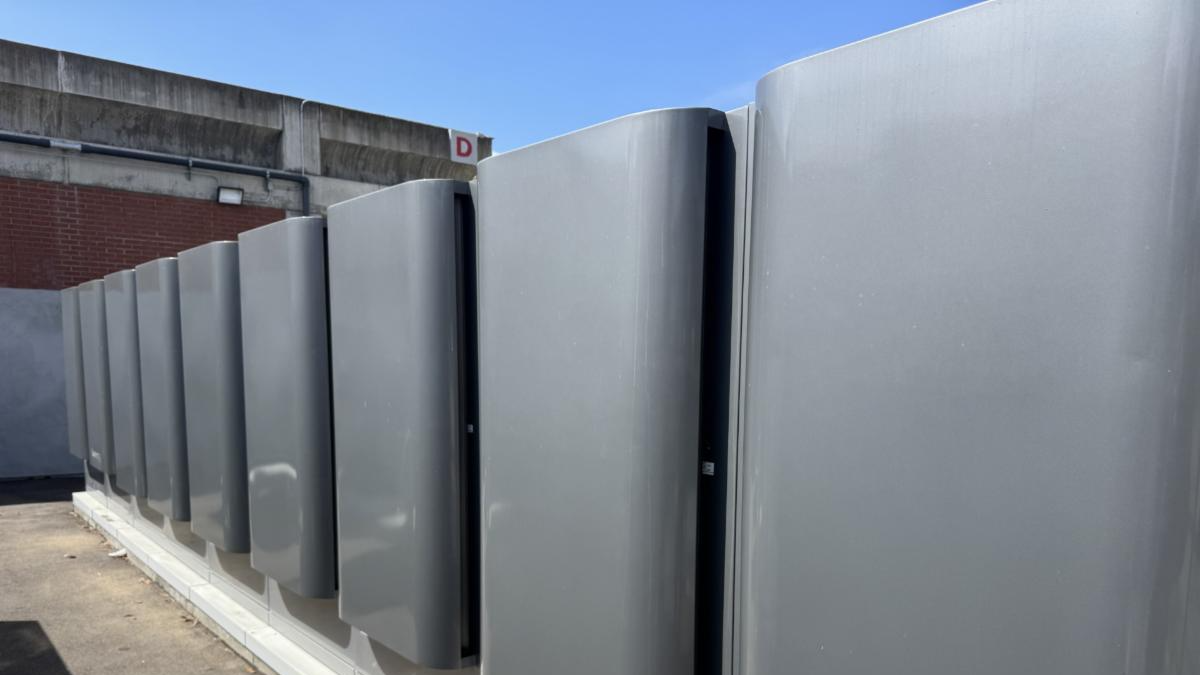
At the same time, we must think about how these spaces perform over time - not just for the people using them today, but also for the environment. We’re beginning to explore what it might mean to “go off the grid” in some of our student housing, and to test emerging technologies that could reduce our reliance on external energy sources. These are early steps, but they reflect a broader responsibility we have as an institution.
When architecture and sustainability work together, you start to see the full picture. The goal isn’t just to design and build. It’s to design and build in a way that supports people across all their physical, emotional, social, and aspirational needs; respects resources; and holds up over time.
That kind of progress doesn’t happen on its own. It reflects the thought and care of a team constantly asking how our spaces can do more - and do better - for the students we serve.
Thank you for your continued engagement and support.
Sincerely,
Joel L. A. Peterson, PhD, MBA, MA
Vice Chancellor & Executive Operations Officer
San Diego Community College District
|