|
|
Program Newsletter | 1st Quarter, 2025
| |
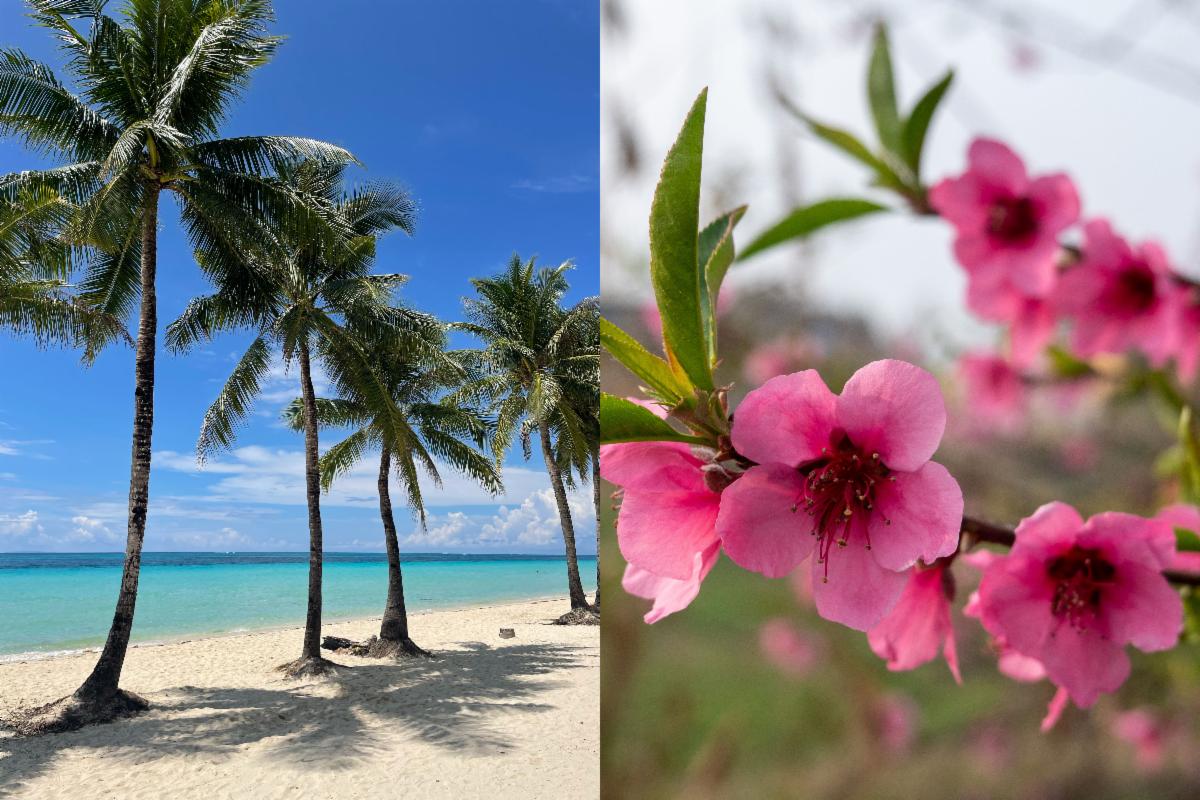
| A white sand beach on Boracay Island offers calm seas and sunny skies for tourists in the Philippines (left), and vibrant peach blossoms signal the change in seasons in Nepal (right). | | |
As the dry season spices up beaches in the Philippines and the peach blossoms adorn streets in Nepal, we want to share with you some warm and inspiring updates and news about our work in disaster and climate resilience.
In this edition of our program newsletter, we highlight the perspectives of our leaders at the Harvard Humanitarian Initiative (HHI) on the evolving foreign policy of the US government, our research updates in Nepal, a summary of our program’s impact in 2024, some exciting opportunities for humanitarians, and our recent professional engagements globally.
Enjoy reading and let us know if you have any comments or questions!
| | Our Thoughts on the State of Humanitarian Aid | | |
The now highly publicized United States Administration's widespread cuts to international development and humanitarian aid are having a major impact on people in need in some of the world's most challenging humanitarian settings. The world has yet to fully appreciate just how devastating the sudden freezing of aid is and will have on millions of lives. The funding freeze also hit close to home with the cancellation of support for the National NGO Program on Humanitarian Leadership (NNPHL), a program aimed at supporting local humanitarian organizations around the globe with training geared toward supporting local organizations to lead efficient and effective aid programs in some of the world’s most challenging settings.
HHI is actively taking measures to work with the broader alumni community to adapt to the new landscape through mutual aid and support, drawing creativity, talent, and commitment of program alumni.
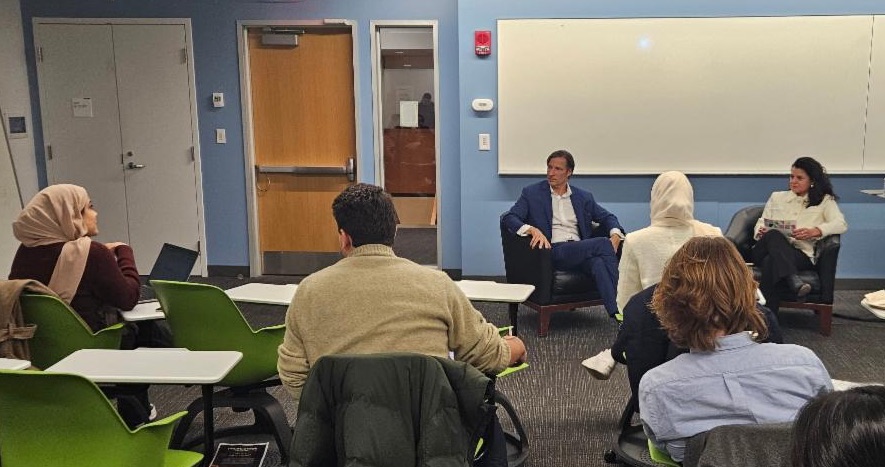
| | HHI’s Dr. Michael VanRooyen and Dr. Irini Albanti address questions from the Harvard community during a special discussion at the Harvard T.H. Chan School of Public Health on 3 March 2025. | Photo by HHI | | |
In a recent discussion, Dr. Michael VanRooyen, HHI Faculty Director, shared his insights on the changing humanitarian landscape brought about by the defunding of the United States Agency for International Development (USAID).
One of the key questions addressed how the dismantling of USAID will impact conflict-afflicted regions that are also prone to natural hazards. He emphasized that the impact of recent foreign policy changes will undermine not only the current humanitarian assistance system but also humanitarians’ capability to respond to future disasters and emergencies.
“This is not only a reduction of current humanitarian assistance, but the capabilities of doing things in the future,” Dr. VanRooyen said.
| | Your Voice is Important. Be Part of the Conversation. | | | | |
While the future remains uncertain amid the evolving humanitarian landscape, we remain committed to fostering meaningful dialogue that amplifies the voices of local humanitarians, development practitioners, and communities.
Is your organization directly or indirectly affected by the USAID funding cuts? We want to hear from you! Only aggregate-level data will be reported, and we won't collect personally identifiable information. The information gathered will be analyzed and shared with you, the humanitarian and development sectors, funders, researchers, and the media.
For questions or concerns, please contact Mark Daza.
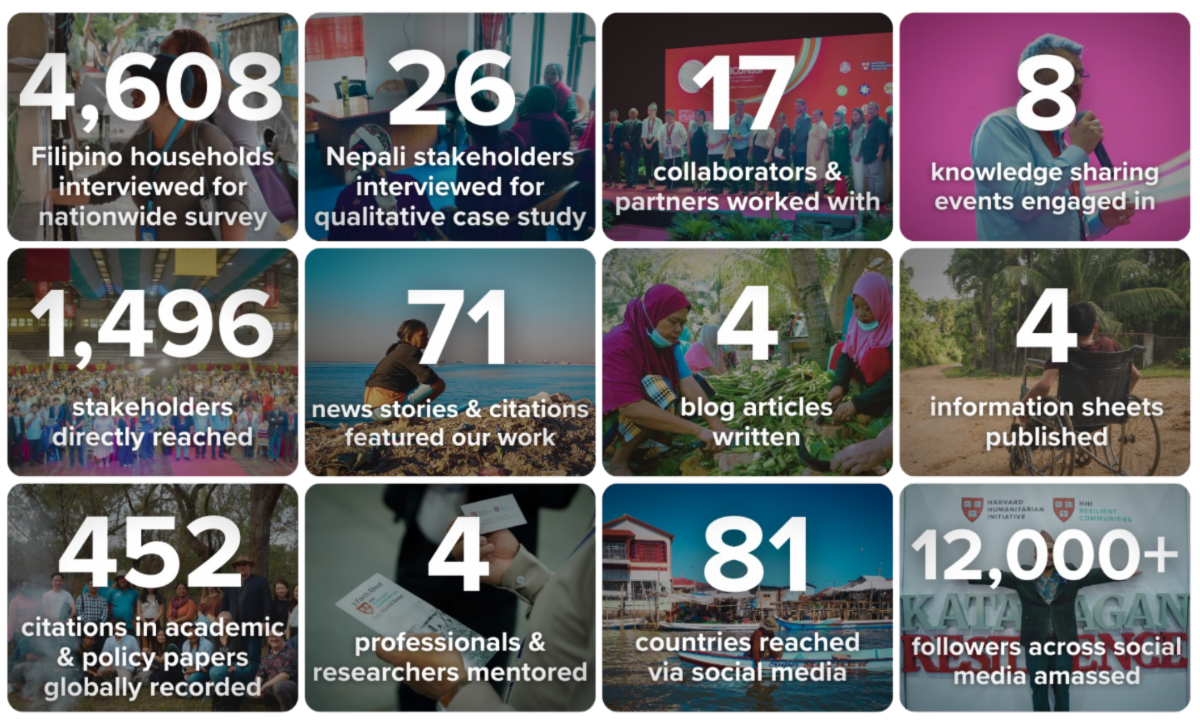
| | | Furthering Inclusion of Local Actors and Communities in Resilience Research | | We are proud to share a brief overview of our successful projects in 2024. The outcomes of our programming in the Philippines and Nepal in the past year highlight our commitment to furthering inclusion of local stakeholders working in the field of disaster and climate resilience and the local communities impacted by natural and climate-related hazards. | | |
In addition to these milestones, we are delighted to have directly impacted the programming of humanitarian and academic institutions. Our Understanding Climate, Conflict, and Environmental Impacts in the Bangsamoro Autonomous Region in Muslim Mindanao (BARMM) workshop in Mindanao, Philippines, has inspired UNOCHA to form a Technical Working Group for Climate Change and Conflict with its Mindanao Humanitarian Team. As a member of the TWG, we contributed to its initial report, which provided an overview of the intersection of climate change and conflict in the BARMM. Ultimately, the TWG aims to recommend field practice policy to the Humanitarian Country Team on the intersection of climate change and conflict and its humanitarian implications in the BARMM.
Furthermore, our study findings on climate change and civil-military coordination in the Philippines have been used as course material at the Asian Institute of Management’s Executive Master in Disaster Risk and Crisis Management program. Other local researchers have also used or adapted our survey tools in their own resilience research.
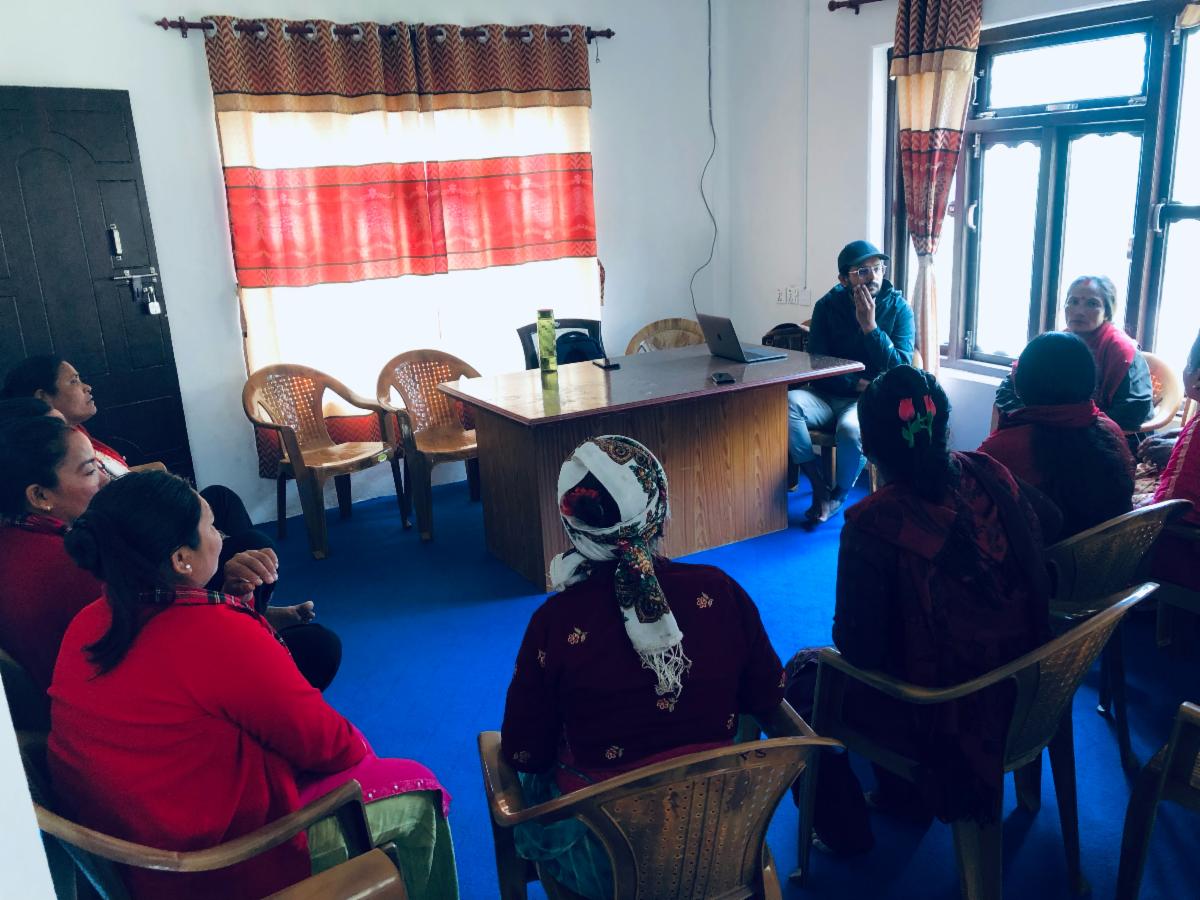
| | Ganesh Dhungana, our project lead–Nepal, facilitates a focus group discussion with representatives of women’s groups in Koshi Province. | | |
We have concluded our field research for our qualitative case study in Koshi Province, which examines the role of women’s groups in climate resilience building and decision-making. We are grateful to the 138 stakeholders from local government, non-governmental organizations, climate science, and women’s groups whom we engaged in this study. Their active engagement ensures diverse perspectives are captured and well-considered in climate adaptation initiatives.
We are excited to share findings from this research soon. Stay tuned!
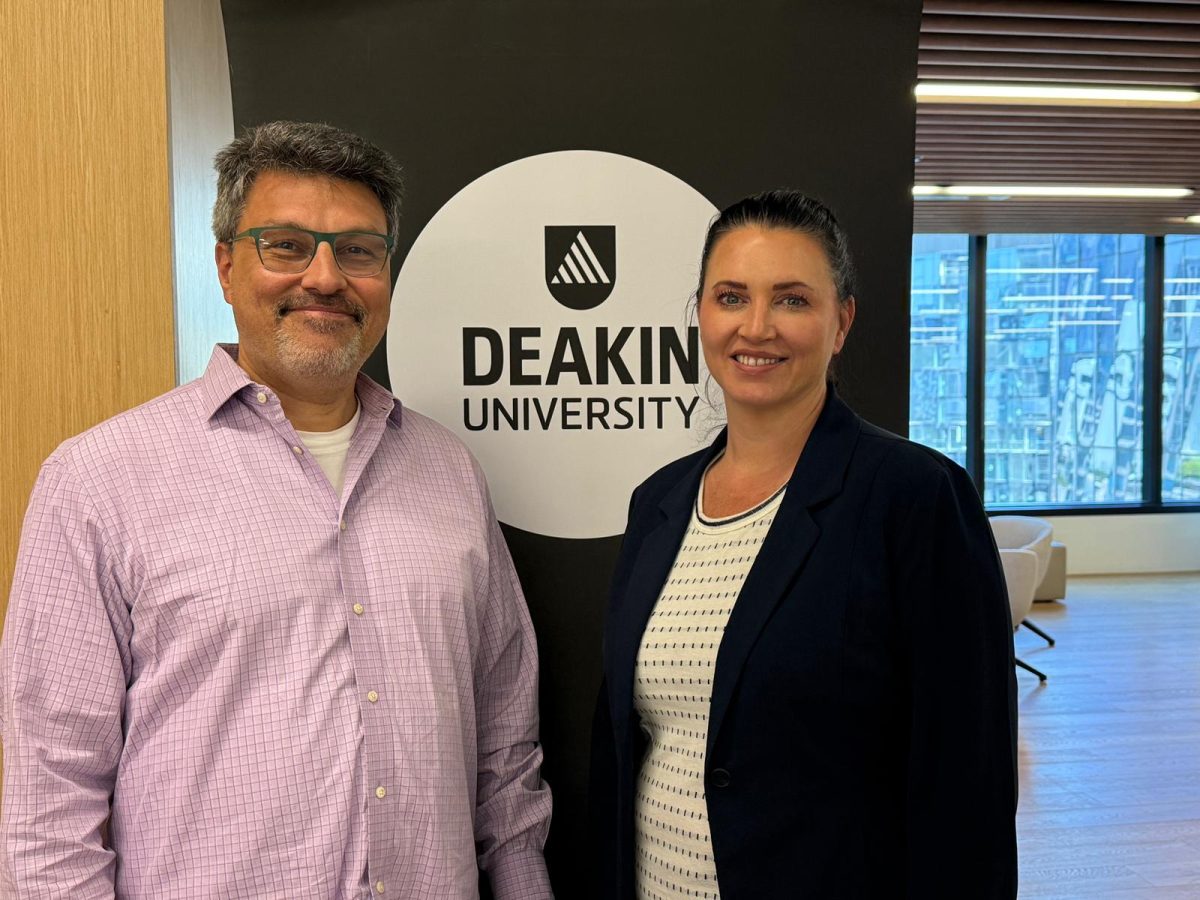
| | CHL Welcomes Dr. Bollettino as First-ever Visiting Scholar! | | CHL Director and Associate Professor Mary Ana McGlasson (right) receives Dr. Bollettino in Melbourne, Australia. | Photo by CHL | | |
In February, the Centre for Humanitarian Leadership (CHL) at Deakin University in Australia welcomed our program director as its first-ever visiting scholar!
“I was delighted to have the opportunity to spend a month in Melbourne with phenomenal colleagues from Deakin University’s Center for Humanitarian Leadership. Together with CHL, HHI is exploring methods for combining our joint experience providing leadership training to humanitarian professionals globally,” said Dr. Vincenzo Bollettino.
“We are also exploring joint research projects that build off our mutual interest in conflict, climate change, and humanitarian action,” he added.
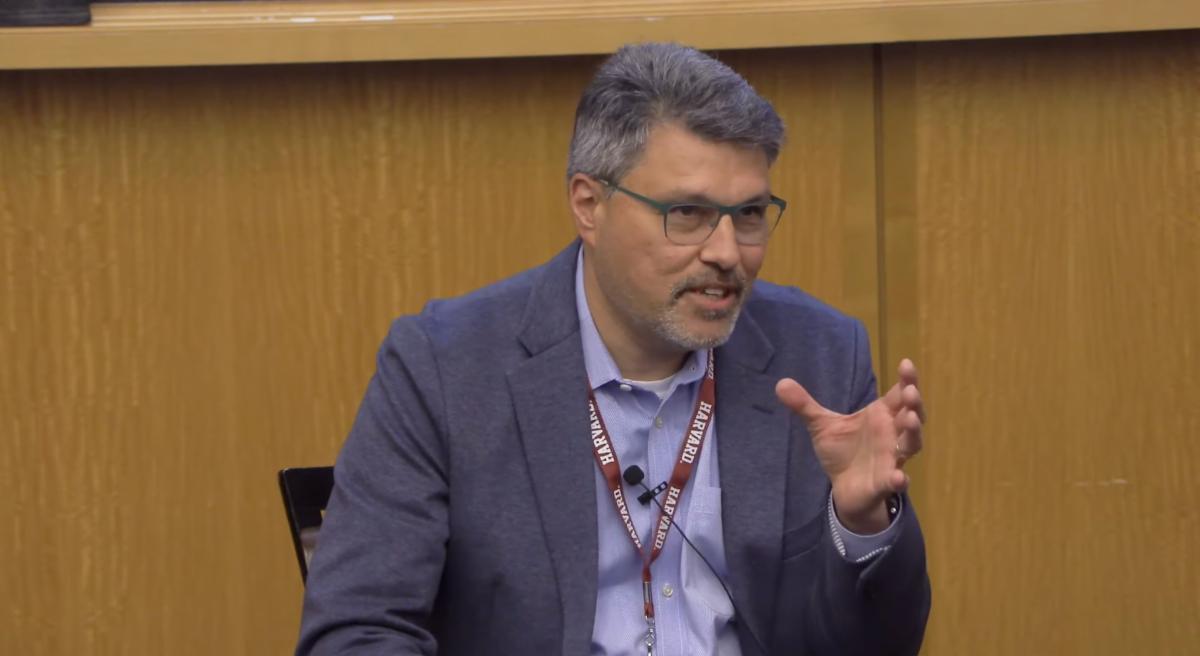
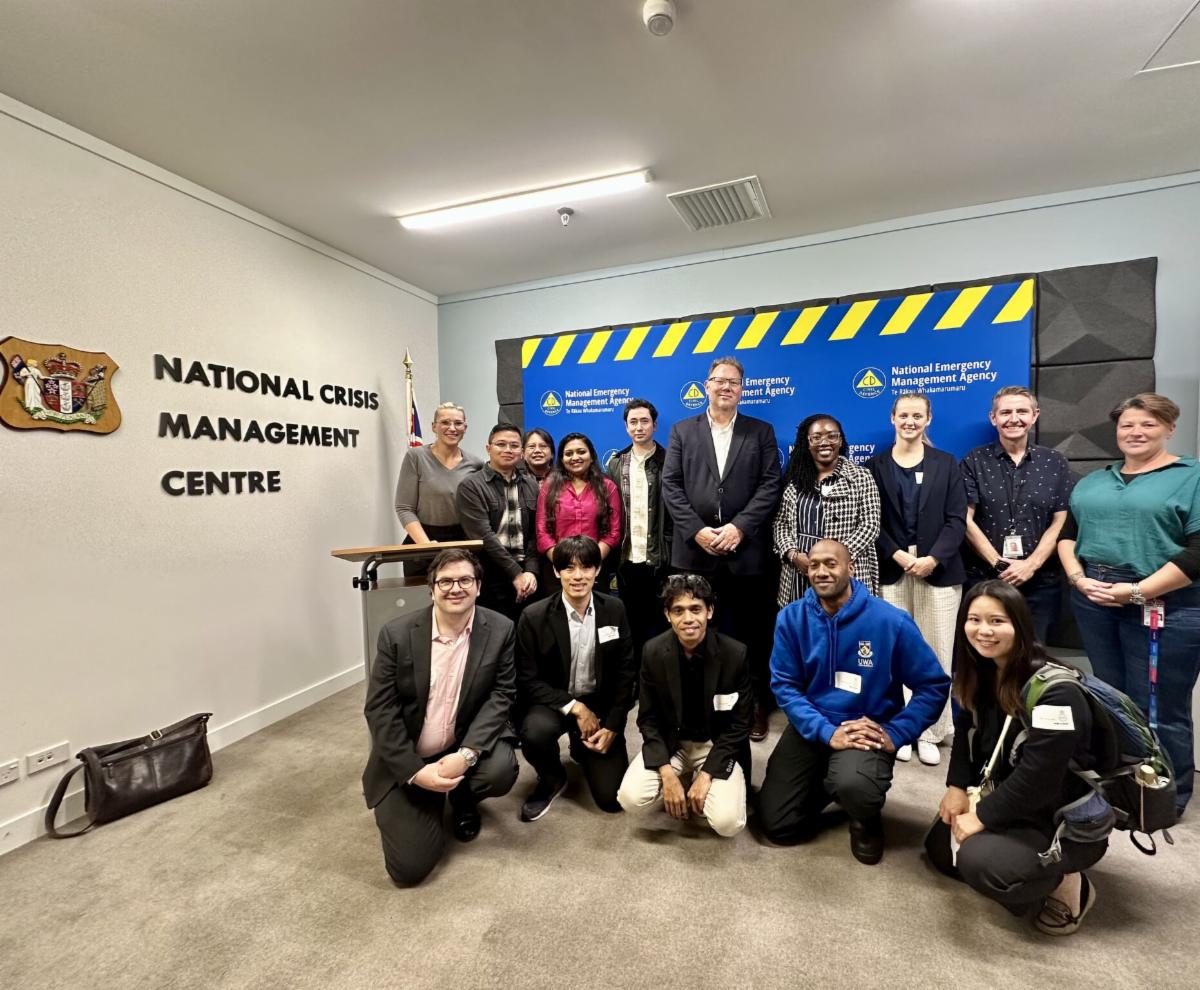
| | Contributing to Health and Climate Discussions | | In light of the recent changes in federal aid policies affecting humanitarian and development organizations in the US and around the world, Dr. Vincenzo Bollettino joined fellow experts in humanitarian leadership and research in the "Nonprofits and Philanthropy Working Abroad in 2025: Navigating Recent Developments in Government Policy and Regulation" webinar on 10 March 2025, hosted by the Center for Community and Nonprofit Studies of the University of Wisconsin-Madison – School of Human Ecology. | | Photo grabbed from the event livestream on the Harvard Asia Center’s YouTube Channel | | Drawing from his extensive work in the Philippines, Dr. Bollettino also joined the panel discussion on “Health and Climate Change in Southeast Asia” at the Southeast Asia Regional Dynamics & International Linkages conference hosted by the Harvard University Asia Center on 7 March 2025. The panel examined how climate change disproportionately affects health outcomes in the region, including disease patterns, food security, and health system resilience. In addressing these issues, the panel highlights the need for region-wide collaboration, and the integration of science, economics, policy, and the lived experiences of communities in the front lines of the climate crisis. | | A Closer Look at Disaster Risk Management in the Indo-Pacific | | Mark Daza (second to the left, first row) and his co-fellows of IPCN visit the famous “Beehive” in Wellington, including the New Zealand Parliament and the National Crisis Management Centre, a self-sufficient bunker and disaster command center. | Photo by Bryce Wakefield/AIIA | | |
Mark Daza, our project & communications manager, went to Fiji and New Zealand in March for the final leg of his fellowship with the Indo-Pacific Cooperation Network (IPCN), organized by the Japan Foundation and the Australian Institute of International Affairs (AIIA). Last year, he traveled to Japan and Australia for the first two study tours with IPCN.
During his most recent trip, Mark engaged in knowledge-sharing sessions with local, national, and international governments, civil society organizations, and local and Indigenous communities working on disaster risk management in Fiji, New Zealand, and other Pacific nations. As part of IPCN’s research sessions, Mark presented about the state of disaster communications and early warning systems in the Philippines. Mark and his co-fellows are also working on a paper tackling challenges and lessons in disaster communications in five disaster-prone Indo-Pacific countries, namely Japan, Philippines, Thailand, Timor-Leste, and Vanuatu. The paper is expected to be presented at an international conference in July.
| | Opportunities for Humanitarians | | Humanitarian Responsive Intensive Course 2025: This in-demand course by HHI will be offered again in person on April 22 – May 4, 2025. It will be held in Boston, USA. As usual, it includes a three-day fully immersive and fun humanitarian simulation! | | Monitoring and Evaluation for Humanitarian Programs Course: This another HHI course will be offered in person on June 9 – 13, 2025 in Cambridge, USA. It will provide an overview of M&E basic principles and methodologies. What makes this course more interesting is its emphasis on practical application for humanitarian researchers and practitioners! | | |
Climate Migration Futures: Shaping the Research Agenda for 2050: The course will be hosted by York University in person and virtually on June 2-6, 2025 in Toronto, Canada. This course aims to prepare participants to advance a transformative research agenda rooted in resilience, climate justice, and innovation in the face of global climate change impacts.
What makes this course even cooler is that our program director, Dr. Vincenzo Bollettino, is one of the course instructors!
| | Ganesh Dhungana Receives DIHAD Scholar Award | | Congratulations to our project lead-Nepal, Ganesh Dhungana, for garnering a DIHAD Scholar Award 2025/26! Under this full scholarship, Ganesh will pursue a professional master’s degree in Sustainable Humanitarian Action. This continuing education program is designed to empower, promote, and train future humanitarian entrepreneurs with sustainable mindsets while enhancing their skills and knowledge. | | |
Thank you for reading, Amani!
Let's stay connected! Follow us on social media:
| | Share this newsletter via: | | | | |