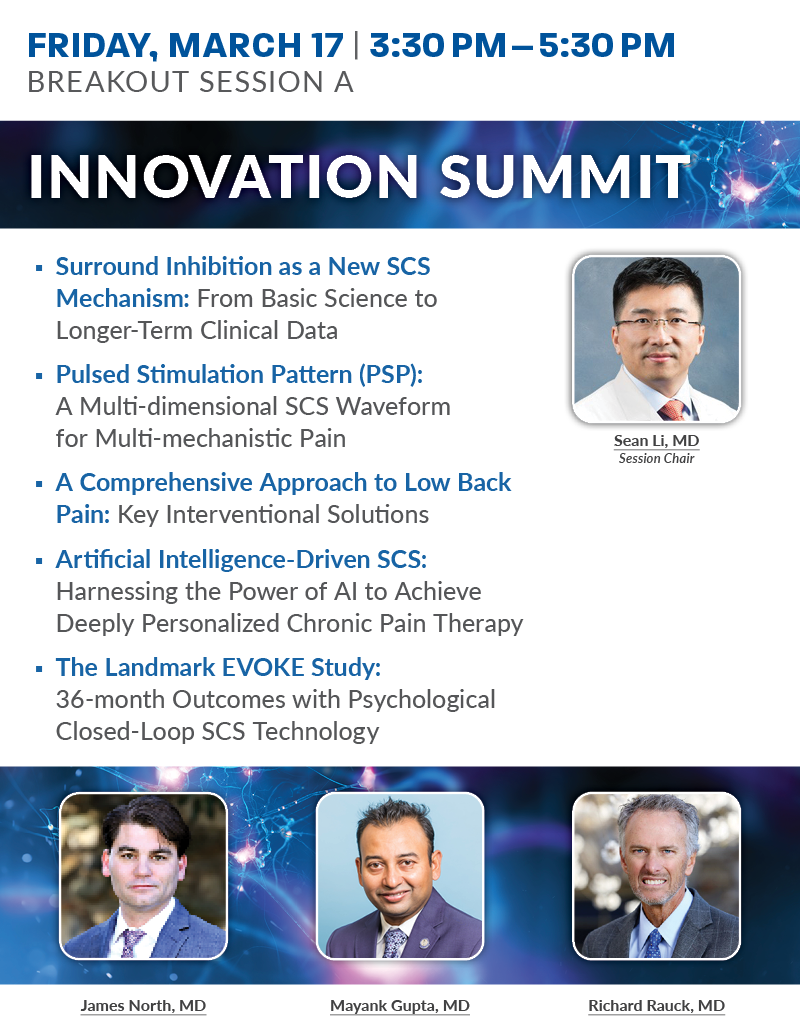
New to the Annual Meeting Schedule: |
|
You're Invited to Join Us for Our
25th Anniversary Luncheon!
|
|
Reserve your hotel room by the end of the day today for the best rate! |
|
ASIPP has been actively addressing recent coverage issues through letter correspondence to various agencies. The issues and letters include the following:
AIM published new guidelines effective 04/09/2023. Owned by Anthem, Inc (ANTM), the AIM guidelines are utilized by multiple insurers. ASIPP has addressed the guidelines with a comment letter on the guidelines for Appropriate Use Criteria: Interventional Pain Management. Our comments were related to paravertebral facet joint injection/medial branch nerve block/neurolysis/therapeutic facet joint interventions.
We are requesting LCD reconsideration requests to all of the Medicare Contractors for the LCD covering Facet Joint Interventions for Pain Management.
ASIPP immediate past president, Amol Soin, sent a letter to Cigna on February 7 addressing their Medical Policy Update on Peripheral Nerve Block Procedures (for trigeminal and occipital neuralgia) which considering them experimental, investigational, or unproven, with an efficacy date of April 18th, 2023. In the letter, we ask that the policy update restricting the use of peripheral nerve blocks be re-evaluated and modified. We recommended that these procedures continue to be covered and we find the characterization of these procedures to be experimental or investigational to be inaccurate.
|
|
Novitas and First Coast Services have not issued their policies nor have they participated in multijurisdictional committee and have not issued a policy.
You can use this algorithmic approach whenever you see your patients by utilizing these checklists for each patient prior to performing epidural steroid injections and facet joint interventions.
|
|
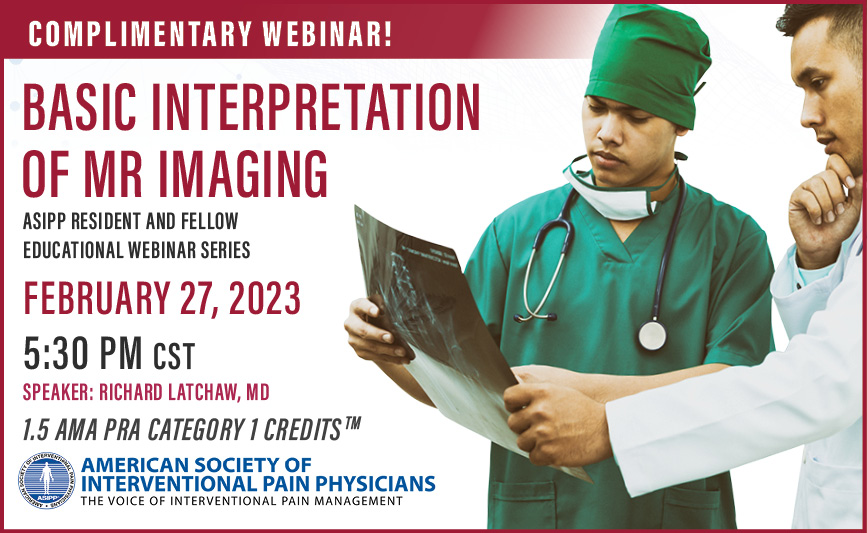
Attention All Residents and Fellows
ASIPP is Offering this virtual, COMPLIMENTARY
Educational Webinar Series on February 27
|
|
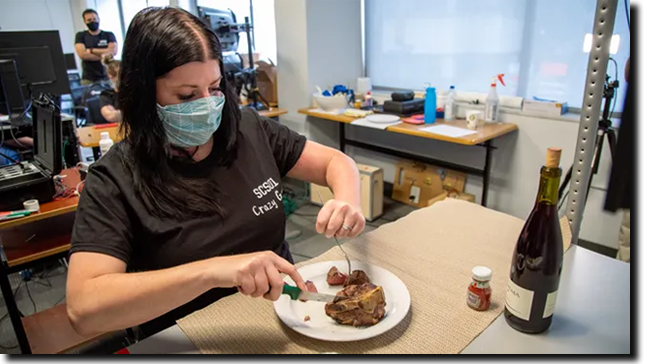
Update based on new evidence on ways that various pathogens can spread in healthcare settings
Among the recommendations, published in Infection Control & Hospital Epidemiology, from the Society for Healthcare Epidemiology, the Infectious Diseases Society of America, the Association for Professionals in Infection Control and Epidemiology, the American Hospital Association, and the Joint Commission are:
- Healthcare workers should cut their fingernails so they don't extend beyond the fingertips, and should keep them natural.
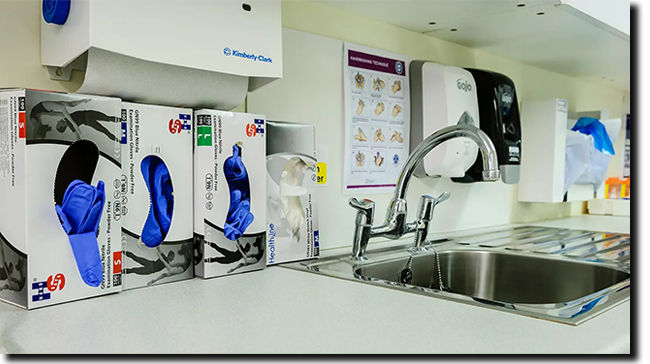
- Patient-facing healthcare workers should avoid washing their hands so much that they become dry and cracked, which can lead to cuts or bruising and infection, putting the patient and the provider at risk. Instead, alcohol-based hand sanitizers should be used.
- Hospitals should install hand sanitizer dispensers not just on the inside or outside of each patient room, but in both places.
- Certain basins should be dedicated to hand-washing alone, with no other fluids being dumped into them, to avoid infectious organisms splashing onto the counter or becoming aerosolized. Instead, use a toilet or a dedicated receptacle for other fluid disposal purposes.
-
Instead of cleaning sink drains with a splash of bleach -- now common practice -- use products newly approved by the U.S. Environmental Protection Agency specifically capable of removing biofilm.
|
|
ABIPP Part I; ABIPP Path - Combined DCCPM/CSM virtual exam; ABIPP Competency Exam in IPM; ABIPP Competency Exam in Regenerative Medicine
ABIPP Part II; ABIPP Competency Exam - Practical Portion; ABIPP Regenerative Medicine Competency Exam - Practical Portion
|
|
Care teams should help patients prioritize health on a tighter budget
A year of record inflation reminds us that when difficult financial times drive people to recalibrate their budgets, health spending tends to fall by the wayside. Patients often skip treatments, delay diagnoses, pause on prescriptions, and halt healthy food purchases -- all to save money during times of economic uncertainty.
With the factors impacting economic uncertainty likely to compound within the next year, now is the time for care teams and virtual care programs to proactively address the impact of market conditions on patients. This includes communicating with patients about treatment supply chain issues, how to manage rising healthcare service and drug prices, and the importance of prioritizing health on a budget.
The new nature of care is hybrid, meaning care teams have an opportunity to discuss these topics both in-person and virtually between appointments. By taking a personalized approach and proactively communicating with resources and support, care teams can help patients weather the storm of a tough economic landscape without compromising their positive health habits.
|
|
For nearly a decade, Heather Rendulic lived – as she put it – as a one-armed person in a two-armed world. Then, for a month in 2021, she got a respite.
A stimulator implanted in her neck sent electrical signals into her spinal cord, and she could suddenly control her left hand, which had sat mostly immobile since she suffered a series of strokes in her early 20s.
The first day the implant was turned on, researchers asked her to open and close her hand – and she could.
"My husband and mom were with me. We were in tears and just overjoyed," said Rendulic, now 33.
|
|
Resident/Fellow News and Updates |
|
What can medical schools do to ease student anxiety over uncertainty?
Paul Simon, one of the most successful singer-songwriters in the world, feels insecure. In "Fakin' It," which appears on the fourth Simon & Garfunkel album Bookends, he sings: "I know I'm fakin' it. I'm not really makin' it...This feeling of fakin' it, I still haven't shaken it." Simon leaves the listener believing he may have been a tailor in a prior lifetime. Talk about imposter syndrome!
Imposter syndrome plagues approximately 30% of medical students and residents.The hallmark of imposter syndrome is a feeling that one is a fraud and not worthy of their achievements. However, the syndrome is somewhat of a misnomer, because physician imposters never really doubt who they are -- at least not in terms of Erik Erikson's definition of identity, which he believed developed over a lifetime and was an amalgamation of one's experiences, beliefs, values, and memories that shape one's perceptions of self.
Although most students enter medical school with a strong sense of identity and a conviction to become a doctor, some become lost and disillusioned, uncertain of who they are, and contemplate alternative careers. Only about one-quarter (27.9%) of medical students stick with their original preferred medical field or specialty throughout medical school. They begin to doubt their abilities and question their destiny. Like Simon, they resort to faking their way through medical school to please others or just to get by.
Read More
|
|
There's a problematic trend toward binding arbitration agreements
On the 12th floor at the Municipal Court of Seattle, I watched the jury duty orientation videos along with 59 other Seattle residents. As the first video began, the narrator explained, "We the People is the foundation upon which we build all the freedoms and rights of our democratic society, including the right to a trial by an impartial jury of our peers." The right to a jury trial is a constitutional right provided by the Sixth and Seventh Amendments. However, patients are increasingly being expected to preemptively give up this right, and clinicians are ostensibly supposed to go along with this.
It's increasingly common for healthcare companies to have binding arbitration agreements, which stipulate that if a dispute arises, it will be settled by an arbitrator rather than a judge or jury. Since binding arbitration is a private process, it also means that companies can better protect their image and reputation by avoiding negative publicity.
In a Bloomberg Businessweek feature, reporter Heather Perlberg shed light on this trend toward binding arbitration and how it's affecting patients. On the one hand, she explained, "The argument [in favor of] arbitration hinges on the rising costs imposed by malpractice lawsuits, which some policymakers and doctors say have made medicine more litigious and led to worse care." On the other hand, it's pretty apparent that binding arbitration has much more to do with protecting private equity than prioritizing patients' well-being.
|
|
- ASIPP Members Only Site Information - |
|
-
To log in for the first time you will need to click “forgot password” at the bottom of the login window.
- Check your email and then log in as directed.
-
If you have problems logging into your account, click here.
|
|
Every four months, pathologist Aaron LeBeau scoops into a net one of the five nurse sharks he keeps in his University of Wisconsin lab. Then he carefully administers a shot to the animal, much like a pediatrician giving a kid a vaccine. The shot will immunize the shark against a human cancer, perhaps, or an infectious disease, such as Covid-19. A couple of weeks later, after the animal’s immune system has had time to react, LeBeau collects a small vial of shark blood.
Halfway across the country, immunologist Hidde Ploegh goes through the same steps, but with alpacas that live on a farm in western Massachusetts. The scientists are after the same thing: tiny antibodies, made only by certain animals, that may have big implications for human health.
Most antibodies — those molecules that course through our blood and tissues patrolling for pathogens — are fairly hefty as proteins go. But the antibodies made by camels and sharks and their close relatives are simpler and smaller. Since their discovery in the late 1980s, researchers have learned that these antibodies pack a big punch: They can latch onto hidden parts of molecules and can penetrate tissues more deeply, enhancing their potential as therapies.
|
|
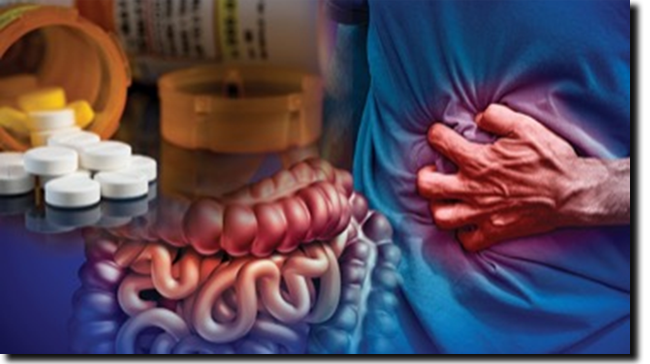
Which patients with inflammatory bowel disease are taking opioids? According to a new study, patients were more often female, had undergone previous surgery or were diagnosed with Crohn’s disease. Many had comorbidities.
Some of this is to be expected, said lead researcher Samantha Baillie, MBBS, a clinical research fellow in gastroenterology at St. George’s Hospital, in London. But the number of patients with IBD on opioids in the study was surprising, although it wasn’t significantly higher than what has been reported in the literature. The number remained constant, even though we know how many side effects patients with IBD have, how much worse their outcomes are “and how much evidence there is that [opioids] don’t really have any benefit,” Dr. Baillie told Pain Medicine News. “What I found surprising was that so many people were exposed to opioids, given these side effects and lack of benefit.”
In their multicenter prospective audit conducted in the United Kingdom, Dr. Baillie and her co-investigators found that of patients prescribed opioids for IBD, 30% did not have objective measures, recent colonoscopies or imaging studies to assess disease progression. Presenting the results at the United European Gastroenterology’s 2022 UEG Week, the researchers also reported that patients taking opioids were referred to pain management at widely different rates, from 0 to 100%, depending on which site the patients visited throughout the country (abstract P0490).
|
|
Pain Medicine Case Reports (PMCR) and Editor-in-Chief Alaa Abd-Elsayed, MD, PhD would like to invite you to submit case reports and case series to the PMCR journal. Your article will be published free of charge.
Open access journals are freely available online for immediate worldwide open access to the full text of published articles. There is no subscription fee for open access journals. Open access journals are no different from traditional subscription-based journals: they undergo the same peer-review and quality control as any other scholarly journal.
Interested in becoming a member of the PMCR Editorial Board?
Editorial board members are asked to review 2-6 manuscripts per year. Please submit your most up-to-date CV to sgold@asipp.org for consideration.
For more information or to submit your articles, click here.
|
|
| CASE REPORT |
Christopher L. Robinson, MD, PhD, Stephanie Wahab, MD, and Viet Cai, MD
Abstract
BACKGROUND: Delayed hypersensitivity reactions to an iodinated radiologic contrast are a form of hypersensitivity reactions that occurs anywhere from one hour up to 10 days after exposure to the causative agent.
CASE REPORT: We present a case of a 54-year-old woman with a history of a single minor reaction to an intravenous iodinated contrast consisting of only abdominal pain who developed a maculopapular exanthema 7 days after exposure to iohexol, an iodinated radiological contrast, during a lumbar epidural steroid injection. The patient was later treated with topical betamethasone with resolution of cutaneous symptoms within 2 weeks. The patient then underwent patch testing, which revealed a positive result for palladium (II) chloride; to date, there has been no documented association in the literature between palladium (II) chloride and iohexol.
CONCLUSION: DHRs to an iodinated radiologic contrast can range from cutaneous manifestations to lethal presentations, such as Stevens-Johnson syndrome and toxic epidermal necrolysis, with the most common form being a maculopapular exanthema as experienced by our patient. Testing can be performed to determine the causative agent of the DHR and to find an alternative agent if a radiologic contrast is required. Caution must be taken if using an alternative contrast agent as there is significant cross-reactivity to other iodinated radiologic contrasts.
KEY WORDS: Delayed hypersensitivity reaction, iodinated contrast, maculopapular exanthema, palladium, case report
|
|
| RANDOMIZED CONTROLLED TRIAL |
Ahmed Abdelaziz A. Shama, MD, Amir Abouzkry Elsayed, MD, Abdulrahman A. Albraithen, and Sherif Kamal Arafa, MD
Abstract
Background: Postoperative nausea and vomiting (PONV) are common unpleasant adverse effects after surgery. The incidence of PONV in pediatric patients is often twice as high as in adults.
Objectives: This study aimed to evaluate the effects of dexmedetomidine, dexamethasone, and ondansetron for preventing PONV in children undergoing dental rehabilitation surgery.
Study design: A prospective, randomized controlled clinical trial.
Setting: Sharurah Armed Forces Hospital, Ministry of Defense Medical Services, Saudi Arabia.
Methods: One hundred patients (6-12 years old) scheduled for dental rehabilitation were included. Patients were randomly allocated into 4 groups (25 each) to receive either 0.15 mg/kg dexamethasone (DEX), 0.05 mg/kg ondansetron (OND), 0.3 microgram/kg dexmedetomidine (DEXMED), or normal saline (control[CONT]) in DEX, OND, DEXMED or CONT groups, respectively, via infusion after induction of anesthesia. The primary outcome was a PONV incident in the first 24 hours. Secondary outcomes were: granisetron doses during 24 hours postoperative, Paediatric Anaesthesia Emergence Delirium (PAED) scale, Pediatric Objective Pain Scale (POPS) for 4 hours postoperatively, and complications in the first 24 hours.
Results: The reduction of PONV and the overall number of patients who developed PONV was statistically significant in the DEXMED group compared to the CONT group (P = 0.041). However, the DEXMED group was higher compared to the DEX and OND groups but not statistically significant. Granisetron requirements and doses were statistically significantly lower in the DEXMED group than in the CONT group. PAED and POPS scores were much better in the DEXMED group than in the other groups with a statistically significant difference in most of the time measurements.
Limitation: Optimal dexmedetomidine dose for better effect on PONV without affecting hemodynamic stability requires more studies.
Conclusion: Dexmedetomidine is effective in reducing PONV in children undergoing dental rehabilitation with better sedative and analgesic scores as compared to the control group.
Keywords: dental rehabilitation; dexamethasone; ondansetron; postoperative nausea and vomiting; Dexmedetomidine.
|
|
| RANDOMIZED TRIAL |
Chao Li, MD, Yongqin Chen, BD, Kaifei Han, BD, Yujian Zhang, BD, Lei Qi, MD, Xinyu Liu, MD, and Liang Wang, MD
Abstract
Background: How to minimize postoperative pain following spinal surgery has been a great challenge for both surgeons and patients. We hypothesized that intraoperative multi-drug wound infiltration could relieve postoperative pain following single-level transforaminal lumbar interbody fusion (TLIF) surgery.
Objectives: To evaluate the effect of intraoperative multi-drug wound infiltration for postoperative pain following single-level TLIF surgery.
Study design: A randomized, double-blinded controlled trial (RCT).
Setting: Department of Orthopaedic Surgery, Qilu Hospital of Shandong University.
Methods: The RCT enrolled 50 patients with 25 cases in 2 groups. The study group received intraoperative wound infiltration of mixed solution with lidocaine, ropivacaine, and epinephrine before wound closure. The control group was infiltrated with an equal amount of normal saline. The primary outcome measure was the visual analog scale (VAS) of postoperative incision pain. The secondary outcome measures were the postoperative opioids dosage, the time of first analgesic demand, and the Oswestry Disability Index (ODI).
Results: The VAS of postoperative pain in the study group was significantly lower than the control group within postoperative 24 hours. The opioid dosage was significantly less and the time of first analgesic demand of patient-controlled analgesia (PCA) in the study group was significantly longer than the control group. None of the patients in the study group required analgesic supplementation. The side effects of opioids were significantly less in the study group. There was no significant difference in ODI, operation time, intraoperative blood loss, postoperative drainage, and postoperative incision complications between the 2 groups.
Limitations: Single-center study for single-level TLIF surgery.
Conclusions: Intraoperative multi-drug wound infiltration before closure could significantly relieve postoperative pain following single-level TLIF surgery.
Keywords: multi-drug; postoperative pain; randomized controlled trial; wound infiltration; Transforaminal lumbar interbody fusion
|
|
ASIPP is now in collaboration with Curi Medical Liability Program
Since this malpractice insurance program officially launched in November 2018, ASIPP has signed up hundreds of providers with an average savings of 30%. This is professional liability insurance tailored to our specialty and will stand up for us and defend our practices.
Curi is a full-service advisory firm that serves physicians and their practices. Their valued advice is grounded in your priorities and elevated in your outcomes. They are driven by a deep understanding of your specific circumstances in medicine, business, and life. To read a few important points to keep in mind about the program, including discounts, administrative defense, cyber coverage, aggressive claims handling, and complimentary risk management CME activities, visit our website.
|
|
ASIPP® has formed a partnership with Henry Schein and PedsPal, a national GPO that has a successful history of negotiating better prices on medical supplies and creating value-added services for independent physicians. Working with MedAssets, PedsPal provides excellent pricing on products like contrast media that alleviate some of the financial pressures you experience today.
|
|
ASIPP® is now offering our members the benefit of a unique revenue cycle management/ billing service.
We have received a tremendous amount of interest in the ASIPP® billing and coding program.
Click here to learn more about the negotiated rate for practices and more!
|
|
|
up-to-date news related to you, your practice, and your patients!
|
|
|
|
|
|
|