Peter Gray Hatchery Update
|
|
**Please follow the hyperlinks throughout this update for more information**
All of the endangered Atlantic
salmon we have in our two conservation hatcheries (the
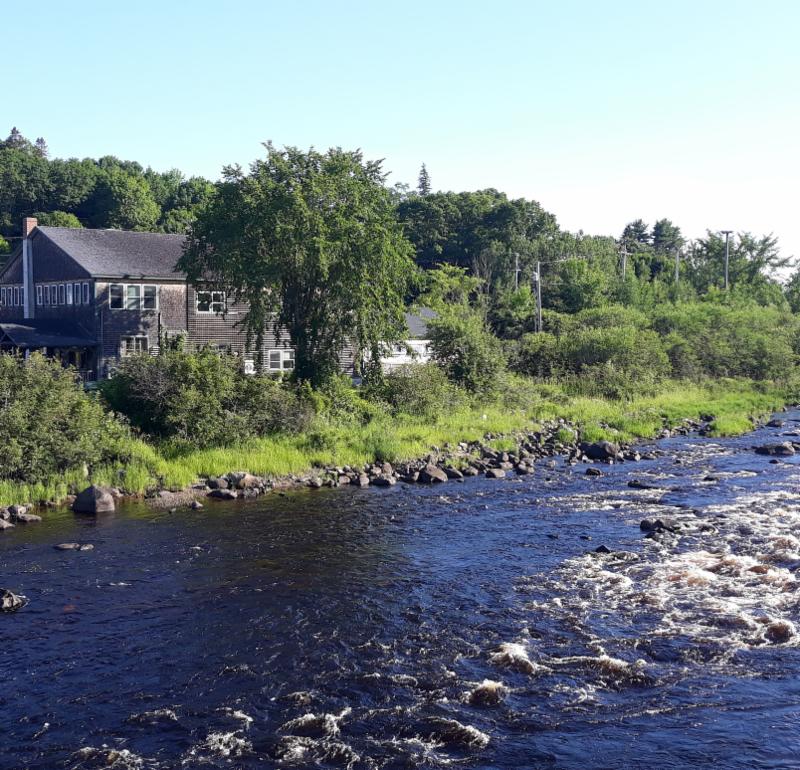
Peter Gray Hatchery on the East Machias and the
Pleasant River Hatchery on the Pleasant River) have hatched from the
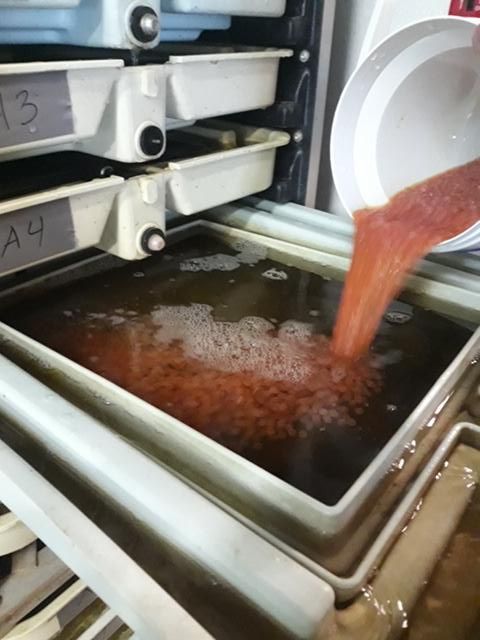
eyed egg life stage into alevin. The salmon now have a big yolk sac on their belly that they will absorb to continue their development. Outside the hatchery in the river, the
alevin would still be protected under the gravel of the redd their mother dug last fall. To simulate this in the
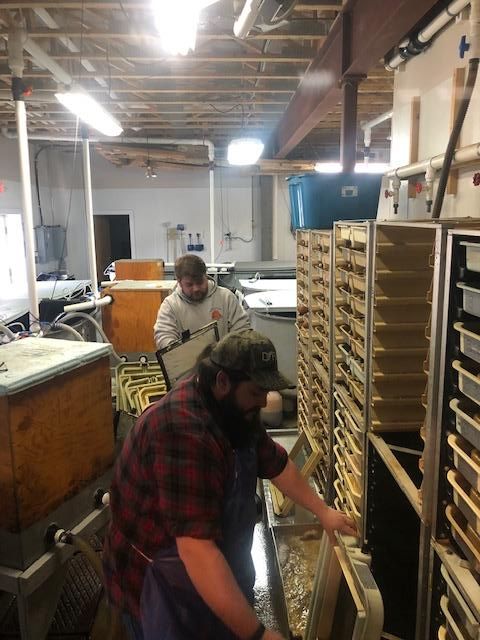
Peter Gray Hatchery, we utilize Substrate Incubation Boxes, or SIBs (see picture above). These boxes are an important piece of the Peter Gray methodology and for those that don't know, here is a snip-it from last month's
Peter Gray Hatchery update: "These boxes are filled with rocks and plastic media, designed to mimic a salmon
redd (nest) in our hatcheries. These man-made, in-hatchery salmon "redds" expose the alevin to substrate, give them room to spread out versus the egg tray, and allow them to swim up and out of the box in May when they (and the river) are ready. This same process happens in salmon redds found in the river! The goal: DSF hatcheries = extensions of the river = strong salmon." By the time you are reading next month's
Peter Gray Hatchery update we have
fry swimming in our black rearing tanks!
I do however have some unfortunate news. Due to the COVID pandemic and decisions made outside of DSF's control about smolt trapping equipment use, we have been informed that we will not be able to smolt trap the East Machias River this year. So for those of you that have followed the
smolt trapping updates over the years, we will regrettably not be able to provide those to you this
year.
Not to leave this update on a sour note, we would like to share some positive news.
The success of the
Peter Gray Parr Project
, including adults returning from the ocean at higher rates compared to other stocking strategies, has brought the "little athletes" produced at the Peter Gray Hatchery into the light. This naturalized conservation hatchery that functions as an extension of the river, is combining wild variables in a way that creates something magical. So much so, that DSF is having conversations with the Maine Department of Marine Resources, NOAA, and the US Fish and Wildlife Service (all PGPP partners) about rearing Peter Gray fall parr for the nearby Narraguagus River. These salmon would be of the genetic strain indigenous to the Narraguagus River with the eggs being provided by our PGPP partner, US Fish and Wildlife Service's Craig Brook National Fish Hatchery. This live gene bank conservation hatchery also supplies the river specific eyed eggs for the East Machias and Pleasant Rivers. The Narraguagus River has a long term data set of electrofishing, smolt trapping, and adult returns (adult trapping facility and redd counts), and stocking PG fall parr there would allow a full comparison to the effort entering its ninth year on the East Machias River. DSF has carved out a niche for rearing vigorous fall parr that creates an increased salmon population and it is being requested to expand that niche to other rivers. Truly, this is an achievement to be celebrated. The positive impact of the
PGPP
is widely accepted, and there is a desire to replicate the process and expand its use to help recover Atlantic salmon. Although it would be a slight departure from Peter Gray methods to raise Narraguagus fish in East Machias river water, this is a step in the right direction until a Peter Gray style conservation hatchery can be built on this very important salmon river. Imagine the excitement around rising salmon populations when the PGPP is replicated in multiple rivers.
If you are new to receiving these updates and would like to catch up on some you have missed, please visit our website
here
. . If there are any of your friends you think would enjoy this content please share with them or let us know their email address to add to the list!
If you like the work we are doing, please considering
donating
towards the continuation of the
Peter Gray Parr Project
. We hope this update finds you well and you enjoyed reading about the
Peter Gray Parr Project
. Thank you for all you have done, and continue to do, in the pursuit of Atlantic salmon restoration!
Be healthy and well,
Zach
|
|
|
|
Alex Frank is the newest member of the Peter Gray Parr Project team. Alex earned his Bachelor's Degree in Fisheries and Wildlife with a concentration in fisheries from Paul Smiths College in 2019. Alex worked with Project Share during the 2019 field season right here in Downeast Maine. There he assisted in salmon habitat rehabilitation along the Narraguagus River, to increasing spawning habitat for Atlantic salmon. He also assisted Ernie Atkinson, Marine Scientist II at the DMR Jonesboro office with electrofishing assessments of salmon habitat quality project. This consisted of electrofishing for young of the year salmon in the Machias, Narraguagus, and Pleasant River watersheds. With this data, they could determine the fry dispersal rates, or put another way, how far the young salmon had moved from the redd (nest). Alex has a passion for being outdoors, taking full advantage of what nature has to offer. He enjoys fishing, hunting, and hiking.
|
|
|
|
 |
|
|
|
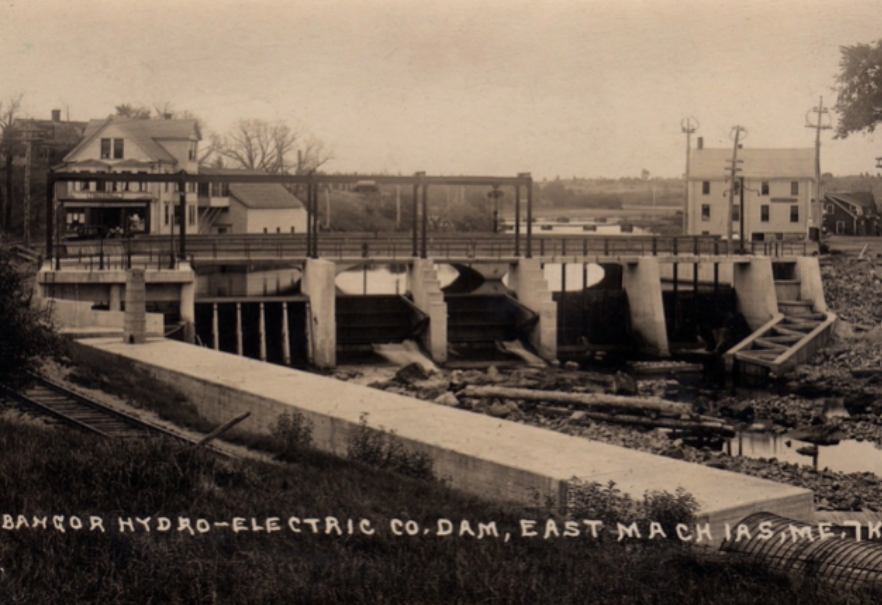
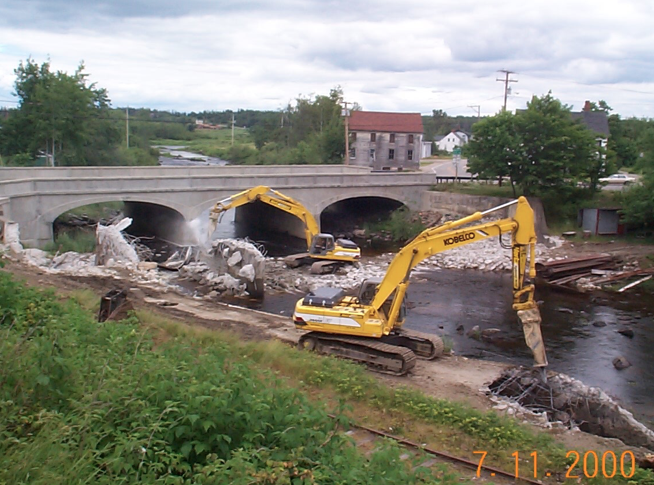
The former hydroelectric dam on the East Machias River just upstream of DSF's
Peter Gray Hatchery. Can you notice anything wrong about the fishway of this dam??? DSF lead the effort to remove this structure in 2000 (see below) to allow the East Machias River to be free flowing. Now the smolts leaving the river, and the adults returning to the river, from the
Peter Gray Parr Project don't have a dam to contend with!
|
|
|
|
There is a short Parr Project video on our website
HERE.
|
|
Thank you to the
Sarah K. de Coizart Article TENTH Perpetual Charitable Trust
for your support of the
Peter Gray Parr Project
!
|
|
Please support our work by
becoming a member
of the Downeast Salmon Federation. Together, we can restore sea-run fisheries in Maine.
|
|
|
|
|
|
|