The Institute for Health Equity Research, Evaluation & Policy | |
IHE observes Rural Health Day | |
|
Leadership in Health Equity:
November 2024
| |
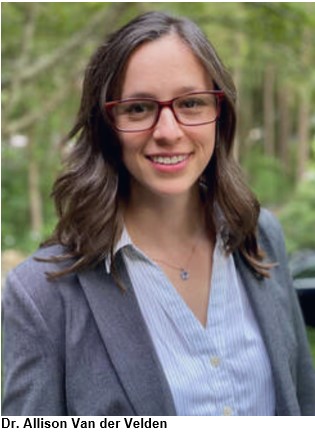
This November, in observance of Rural Health Day, Dr. Cheryl Clark, Executive Director and Senior Vice President of the Institute for Health Equity Research, Evaluation & Policy (IHE), interviewed Dr. Allison Van der Velden, Chief Executive Officer of the Community Health Center of Franklin County (CHCFC).
Dr. Van der Velden highlighted the critical role CHCFC plays in addressing the unique healthcare needs of rural and underserved communities in Massachusetts.
In the interview, Dr. Clark and Dr. Van der Velden explore the essential contributions of CHCFC to rural healthcare. Dr. Van der Velden emphasized the Center’s mission to address health disparities, foster trust and advocacy, and support long-term wellness for its patients. She highlights the indispensable role community health centers play in bridging gaps in healthcare access and promoting equitable care in underserved communities.
Read the full conversation below.
| |
IHE celebrates National Rural Health Day on Thursday, November 21, 2024. | |
Rural Health Awareness Month:
An Interview with Allison Van der Velden
| Dr. Cheryl Clark (IHE): What services does the Community Health Center of Franklin County provide? | |
|
Dr. Allison Van der Velden (CHCFC): CHCFC provides primary medical care, dental care, behavioral healthcare, and wrap-around services—and we have a pharmacy coming soon! We also offer several special programs, such as the Connecticut River Valley Farmworker Health Program, Office-Based Addiction Treatment, and Sexual and Reproductive Health Program, all integrated within our primary care model. When a patient comes to us for any reason, we can connect them to the full range of services we offer and to resources provided by our many community partners.
Dr. Clark: What are some of the unique considerations and approaches for providing community health care in rural areas?
Dr. Van der Velden: Our service area spans a 700-square-mile region in northwestern and central Massachusetts, with a population density of just 102 people per square mile. For context, Boston has 13,841 people per square mile. Income, education, and opportunity here lag behind state averages, and the region has been heavily impacted by the opioid epidemic. Many of the towns we serve are small, each with its own local government and board of health, and some of them benefit from regional collaborations like the Franklin Regional Council of Governments.
The region’s population is aging—currently, about 25% of residents are 65 or older, a number projected to rise to 34% by 2030. With fewer healthcare options than in urban areas, creating a welcoming, dignified environment is critical. Transportation remains a significant barrier, so we provide support through telehealth, maximize services during in-person visits, and offer transportation assistance for those without reliable vehicles.
| |
Dr. Clark: What are some of the challenges to providing health care in rural settings?
Dr. Van der Velden: Limited transportation and the digital divide are significant barriers to care that are unique to our rural community. Sparse public transit and a lack of rideshare services mean access to healthcare often depends on owning and maintaining a vehicle, which many cannot afford. Many people depend on family, volunteers, or friends for transportation. Telehealth helps mitigate these issues, but broadband access is spotty, and some areas lack cell service altogether, preventing even hotspots from working. This digital divide exacerbates poor health outcomes, social isolation, and educational disparities.
Cultural competence is also key. Many residents have strong, multi-generational ties to the area and a culture of self-sufficiency, which can sometimes clash with care team goals. Bridging these gaps requires understanding, trust, and respect.
Dr. Clark: What are some of the joys of supporting the health of rural communities?
| |
Dr. Van der Velden: As a community of towns knit together by our common rural experience, the businesses, nonprofits, and government agencies in Franklin County and the North Quabbin area have learned to collaborate in powerful ways. Each organization that serves vulnerable people interfaces with many others, and the leaders and providers in these different organizations know each other and work together to fill gaps for community-members. Relationships that would normally be competitive can be more collaborative, because the low density of services and the barriers that people encounter really require a village to resolve.
There is no more satisfying experience than building a bridge of hope and care and seeing its impact on our neighbors.
Dr. Clark: What are the highest priority structural changes that must be made to support rural health?
| Dr. Van der Velden: Providing care in rural areas is inherently more expensive than in urban ones. Services can’t be consolidated in the same way, and recruiting and retaining staff is costly. Salaries must reflect these realities, especially as higher rents and longer commutes can outweigh perceived savings from a lower cost of living. | |
It’s also critical to attract a racially and culturally diverse staff. Our region is predominantly white and English-speaking, making it difficult for BIPOC and non-English-speaking residents to find providers who share their identities. Financial investments to support diversity and inclusion in hiring would be transformative.
Lastly, rural areas need better access to specialty care. Right now, many residents have to travel over 100 miles to Boston or Worcester for certain services. Incentives to maintain specialty offices in rural areas would dramatically improve access and outcomes for these communities.
| |
Dr. Van der Velden has been a driving force at CHCFC since joining as a dentist in 2015. She became Oral Health Director in 2018 and stepped into her current role as CEO in 2020. In addition to her Dental Medicine Degree, she holds a Master’s Degree in Public Administration from Suffolk University. Deeply committed to the Community Health Center Movement, she earned a certificate in Community Health and CHC Management from Suffolk and completed the Geiger Gibson Health Policy Fellowship Program at George Washington University. Beyond her professional role, Dr. Van der Velden has served her community through nonprofit board work and local municipal governance. She was born in Western Massachusetts and currently resides in Greenfield with her wife, toddler, and rescued bulldog.
Learn more about CHC Franklin County: www.chcfc.org.
|
|
|
Transgender Month and Day of Remembrance Community Health Centers leading the charge
for LGBTQ+ Health
| |
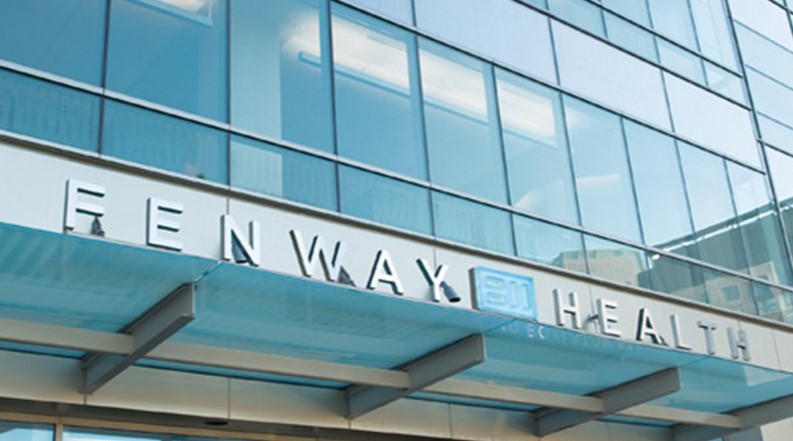
Community health organizations such as Fenway Health, are among those leading the charge towards better health outcomes for LGBTQ+ patients. Its Trans Health Program provides patient-centered, evidence-based care to ensure trans and gender-diverse people are informed and affirmed in their gender and healthcare needs. The organization advocates for policies at the local, state and federal levels that protect and affirm all members of the LGBTQIA+ community, including transgender, non-binary, and/or gender-diverse people.
An intersectional and responsive approach to care, one that acknowledges the intersections of identity and how they contribute to communities’ unique health needs, is key to advancing health equity.
Learn more about Fenway Health’s responsive LGBTQ+ care.
|
|
|
Color Power List | Most Influential Women
Color Magazine
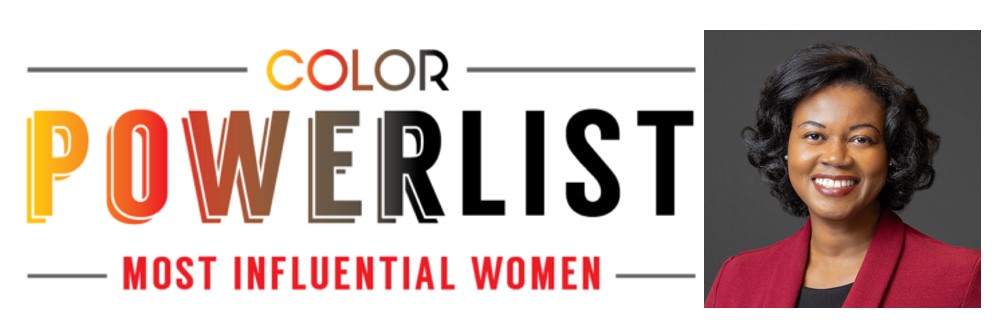
Cheryl Clark, IHE Executive Director, has been named to COLOR Magazine’s Most Influential Women Power List. Congratulations, Dr. Clark!
As the inaugural leader of IHE, Dr. Clark and her team partner with community health centers to advance health equity through research, evaluation, and public policy. Key to this mission is emancipatory research, an approach that depends on those with lived experience of health inequities to lead and prioritize equity-related research topics and inform study design — an alternative to traditional research approaches, which often marginalize systemically disenfranchised communities.
Visit colormagazine.com to learn more.
| |
The Institute for Health Equity Research, Evaluation, and Policy | |
In 2023, The Massachusetts League of Community Health Centers (Mass League) created the Institute for Health Equity Research, Evaluation, and Policy, Inc. (IHE), a 501(c)(3) non-profit organization designed to support Health Center-led Science driven by community health centers.
IHE convenes communities and supports the scientific infrastructure, implementation, program evaluation and training needed to identify and sustain the most effective strategies for attaining equity in health and healthcare, as defined by those with lived experience of health inequities.
Learn more about IHE on our webpage of the Mass League website and on our LinkedIn page.
| | | | |