ISSUE 107 November 2026


Extending Knowledge Changing Lives
 

Growing Together:

Food, Family and Friends


This month, we are focusing on budget-friendly food preparation and fun ways to connect in autumn.

Julie Garden-Robinson, Ph.D., R.D., L.R.D., Food and Nutrition Specialist
Sean Brotherson
, Ph.D., Family Science Specialist


EAT 


Let's Set the Table


Family meals provide a regular time to meet and talk with each other about the day. Family members can learn how to ask and answer questions, as well as share stories and ideas. These meals together also provide a time to practice manners and take turns in conversation. 


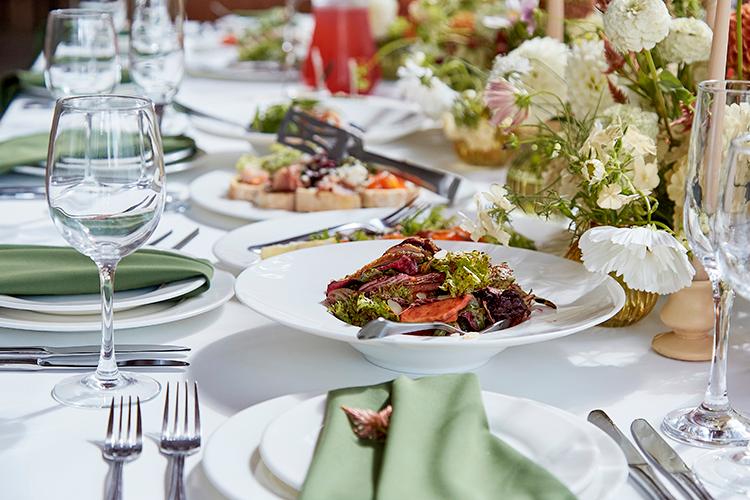
If you asked for help setting the table, would your children or grandchildren know what to do? Most of the time, you just need a fork, knife, spoon, plate, glass and napkin. If you have a salad, add a salad fork to the left. The glass typically goes at the tip of the knife. 


If they encounter a complex table setting with several forks, spoons and glasses, where do they begin? The rule is to start from the outside and move toward the plate. 


We don’t need fancy menus to enjoy family meals and their benefits in promoting family togetherness. 


  • Clear the table and turn off distractions, such as the TV or phones, so you can focus on visiting together.
  • Ask questions that encourage conversation, such as “What was the most interesting thing that happened to you today?” or “What should we do for our family vacation?”
  • Set a reasonable time for being together, such as 30 to 40 minutes.
  • Keep the conversation positive. Avoid making the dinner table a time for discipline.
  • Allow every person a chance to talk and share thoughts or stories so that everyone can have a positive experience.

  • See www.ag.ndsu.edu/food to learn more about nutrition, food safety and health.

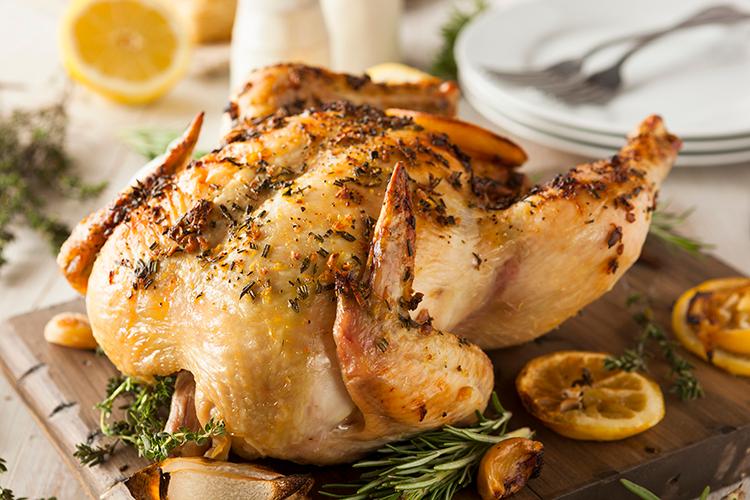
This easy-to-make main course pairs well with roasted root vegetables, whole-grain buns and baked apples. See the recipe section at www.ag.ndsu.edu/food for recipe ideas.


Rosemary Roasted Chicken


1 (3-pound) whole chicken

Salt and pepper (as desired)

1 small onion, quartered

¼ cup chopped fresh rosemary


Preheat oven to 350 F. Season the chicken with salt and pepper as desired. Stuff the cavity with rosemary and onion. Place in a roasting pan or large baking dish. To prevent drying out and browning, you may want to cover the chicken loosely with aluminum foil. Roast for 2 to 2 ½ hours, until juices run clear and the internal temperature is 165 F. Baste the chicken a couple of times during roasting with the juices in the pan.

A 3-ounce portion of roasted chicken (about the size of a deck of cards) without skin and without added salt has 150 calories, 7 grams (g) fat, 20 g protein, 0 g carbohydrate, 0 g fiber and 80 milligrams sodium.


See the NDSU Extension recipes at www.ag.ndsu.edu/food 


Connect


One of the best ways to keep your spirits up and build resilience in life is to engage in positive psychology practices. These are activities you can do to improve your mood, better your relationships and manage stress. Among such practices, engaging in a “gratitude exercise” has been shown by research to be the most helpful for shifting your mood in a positive way. With the Thanksgiving holiday in November, here are some ideas to “give gratitude” and connect around the family table.


  • Give Thanks for Learning from Family Members or Friends – Each of us has been the recipient of lessons learned from those in our family circle or from treasured friends. For a Family Table conversation during the month of November, take one family meal and focus on having each family member share a favorite lesson learned from others that they are grateful for this year. Perhaps encourage the person to share how that lesson learned has been meaningful or changed their life or perspective. 
    
  • Give Thanks for Favorite Foods or Food Experiences – Food blesses each of us who is sustained in life by the foods we are able to eat on a regular basis. Is there a favorite food that has sustained or comforted you? Is there a favorite food memory that has been meaningful to you? Take time during the month of November to schedule a “Food Favorites” sharing experience, and encourage each person present at that meal to share an answer to either their favorite food or favorite food experience. Enjoy the food, memories and sharing! 
    
  • Give Thanks for Three Meaningful Things in Your Life – One of the most effective gratitude exercises consists of making a short list of special items in one’s life for which you are thankful. What are you thankful for and why? Either at Thanksgiving or at another family meal in November, set aside time for each person to do this gratitude exercise. Share slips of paper and a pen or pencil for each person to record three things for which they feel special gratitude, and then take turns with each person sharing one at a time about their things that bring thanks.  


Savor the Savings

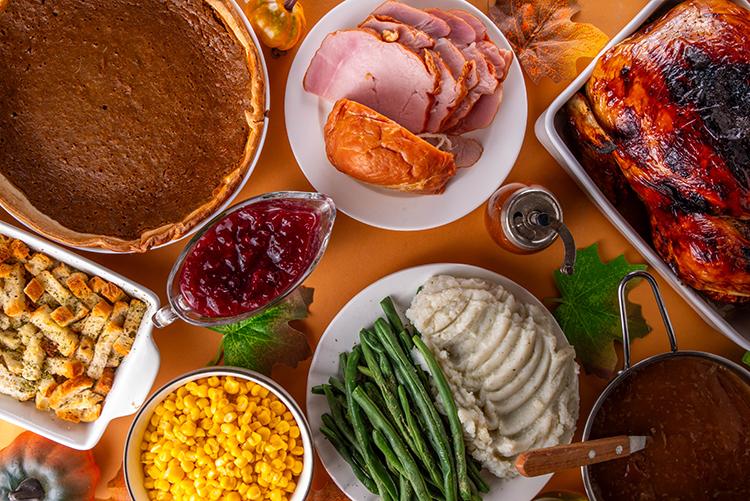
November begins the holiday season, and that can pinch your budget if you are preparing food for a crowd. Make it a potluck by having a sign-up sheet, or try an “all soup” dinner. Maybe you prepare a turkey, ham or other protein food – others can contribute the side dishes. See Cooking for Groups  from NDSU Extension for food safety tips. 


This project is supported by the Health Resources and Services Administration (HRSA) of the U.S. Department of Health and Human Services (HHS) grant, Maternal and Child Health Services. This information or content and conclusions are those of the author and should not be construed as the official position or policy of, nor should any endorsements be inferred by HRSA, HHS or the U.S. Government.


NDSU Extension does not endorse commercial products or companies even though reference may be made to tradenames, trademarks or service names.


North Dakota State University is an equal opportunity educator and employer. This work is supported by the U.S. Department of Agriculture’s National Institute of Food and Agriculture. Persons with disabilities who require alternative means of communication for program information (e.g., Braille, large print, audiotape, American Sign Language, etc.) should contact NDSU Extension at 701-231-1865.