|
Dear Community:
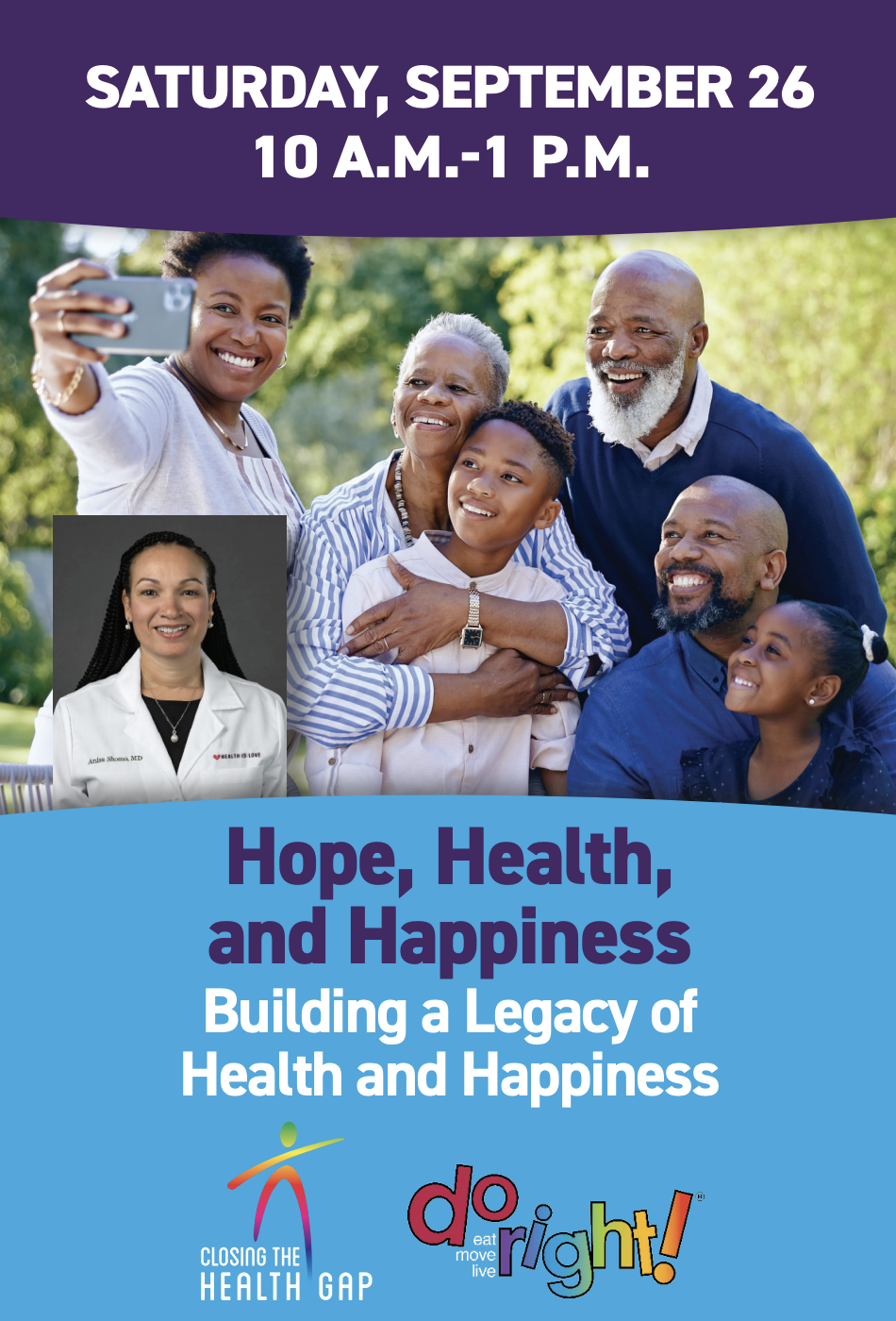
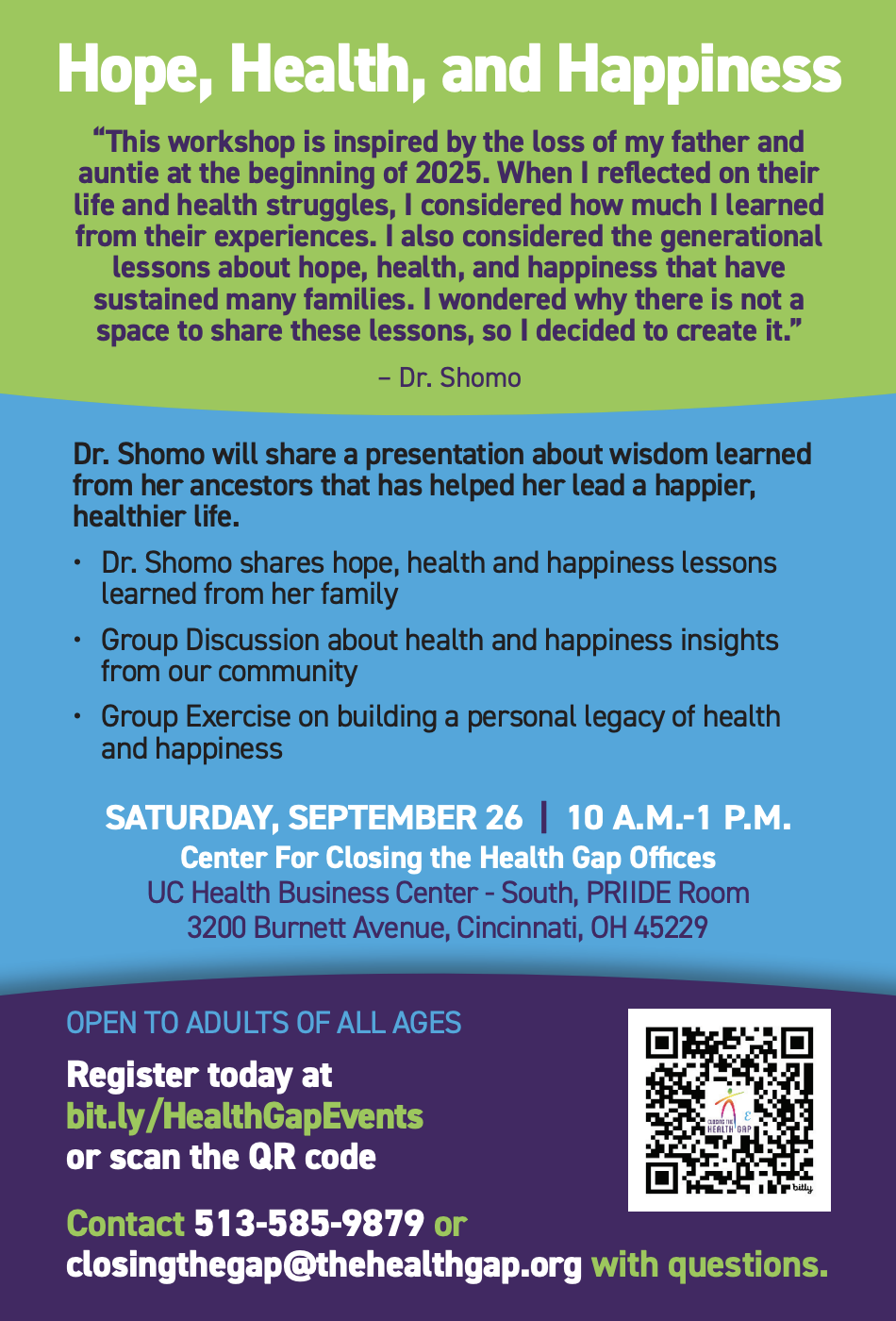
Last call for two empowering events tomorrow, September 26: Caregivers and Hope, Health & Happiness. Join us!
From 10am-2pm, we host our next Caregivers Support Series event at the Mt. Healthy Branch Library. And from 10am-1pm, it's Dr. Shomo hosting Hope, Health & Happiness in the PRIIDE Room at the UC Health Business Center.
Click here to learn more about these two special events and sign up!
Blessings to all of you for a safe and healthy week ahead.
Renee Mahaffey Harris, MPH
President & CEO
| | |
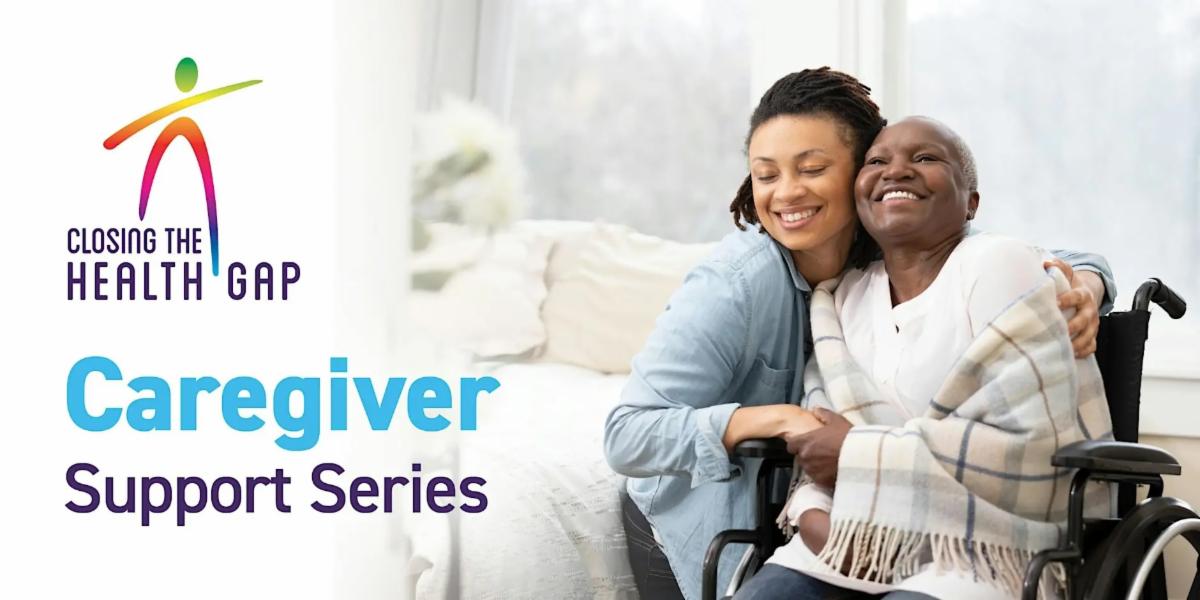
Join Us September 26 for Our Next Caregivers Support Series Event
Saturday, September 26 • 10 AM - 2 PM
Mt. Healthy Branch Library, Cincinnati, OH
Click Here to Register
As the Caregiver of a Loved One Who is 60+ Years of Age, You Deserve Help, Too
Knowing you aren't alone is just the start of how our Caregiver Support Series can help you find support and restoration. When you're responsible for an adult who's 60+ years old, you're likely left to handle some or all of the following: their transportation, taking care of their daily needs (bathing, dressing, feeding), and managing their health. You might also be responsible for preparing meals, grocery shopping, taking care of the house, and managing finances.
You love the person in your care. You want to be there for them, but caregiving takes a toll. It increases the risk of depression and illness. That's where we come in. Our series gives you a space to share what you're going through, gain coping tools, and practice self-care. Even better? You'll be surrounded by others like you in similar situations.
| | |
People are Dying from Measles
by Clyde E. Henderson, MD
Cincinnati Medical Association
Why is measles more than just an inconvenient rash and why should you be vaccinated? Here are a few facts. Measles is a highly contagious viral disease which can affect adults and children. It spreads from an infected person’s sneeze or cough, and the virus can live in the air for up to two hours. The symptoms associated with the infection are usually mild, consisting of a rash, fever, runny nose, watery eyes, and cough. It can take seven to fourteen days after exposure before symptoms appear. One in ten children with measles will develop ear infections and/or diarrhea. Children under five, adults over fifty, pregnant women, and folks who are immunocompromised are more prone to develop complications. Approximately 5% of measles victims will develop pneumonia. Another profoundly serious complication is brain swelling which can lead to deafness, blindness, and intellectual difficulties. Deaths occur at a rate of 1-3 in every 1000 cases.
Four Pennsylvania citizens have died from measles during August and up to this point in September. These were the first Pennsylvania deaths from measles in 35 years. This disease was declared wiped out in the US in 2000, but it is clearly making a resurgence. The deaths this year in one of Ohio’s neighboring states, Pennsylvania, occurred in individuals who had not been vaccinated. The deaths included two infants last month, a 40-year-old woman who died from measles complications this month, and an 18-year-man who died this week from a rare neurological complication of measles. All of these deaths are reported by the Pennsylvania Health Department. This measles outbreak is growing rapidly as evidenced by over 700 people being affected resulting in 130 hospitalizations. On September 19, 2026, the Philadelphia Health Department issued a measles exposure alert to travelers passing through several terminals of the Philadelphia International Airport days earlier. The agency delivered a second alert regarding measles exposure on September 11 at the Children’s Hospital Of Philadelphia neonatal intensive care unit. Because measles is so highly contagious and potentially dangerous, the alerts recommended vaccination for those exposed individuals who were over 12months old and previously unvaccinated. For those under 12-months of age at the time of exposure, a preventative injection of antibodies (immunoglobulin) was recommended, since they are too young for the vaccine.
In 2025 there were three confirmed measles deaths in our country. That was the first year with a measles death since 2015. None of the folks who died in 2025 had underlying conditions. Unvaccinated individuals and those with unknown vaccination status compose 96% of the 2,289 US cases during 2025. As of September 17, 2026, the CDC is reporting 3,471 cases for approximately the first three-quarters of 2026! None of the nine patients who died from the measles over the last two years had been vaccinated. Reliable data tells us that the recommended two-shot series of the MMR (measles, mumps, rubella) vaccine is 97% effective at preventing measles. One dose of the vaccine is 93% effective.
Ohio has a measles problem as well. The state reports more than 130 cases in 2026 across fifteen counties, with Geauga and Ashtabula counties hit hardest. This preventable trend in our country leads one to ask, why are the measles back and getting worse? The answer is pretty simple. There are too many individuals and communities of people who are not getting children vaccinated. Vaccine hesitancy and skepticism were already on the rise after the COVID-19 pandemic of 2020-2022. These attitudes have exploded over the past two years. The overall vaccination rate of kindergarten children across the nation is currently 93%, which is below the 95% necessary to provide overall protection to our population, known as “herd immunity”. Even included in that less than adequate number, there are communities which have vaccination rates below 80%, making them very vulnerable. The answers to why adults are not getting their children vaccinated and protecting them against preventable diseases like the measles are very complex. Childhood vaccination programs have been proven to be safe and effective. Suffice it to say that your best resource for medical information is your medical provider or a trusted and reputable medical source.
If you do not get your children vaccinated, they are much more likely to fall victim to this potentially deadly disease and become the vehicle by which someone who hasn’t or can’t be vaccinated becomes sick.
| |
Ending Racial and Geographic Barriers to Blood Cancer Care
Treatment for multiple myeloma, a blood cancer that commonly affects older adults, typically includes an autologous stem cell transplant, meaning a transplant using cells from one’s own body (in contrast, an allogeneic transplant uses cells or tissue from a donor).Yet because of advanced age, socioeconomic disadvantages and geographic distance from transplant centers, many multiple myeloma patients do not receive this treatment. An Ohio State University study published in Cancers found that telemedicine and patient support can close such gaps in care.
|
Breast cancer and Black women: Investigating the disparities
Racial disparities in breast cancer have persisted for years. Though Black women have a slightly lower incidence of breast cancer, they face a mortality rate that is 38% higher than that of white women. One researcher in Georgia is focused on addressing those inequities in her community.
Lauren McCullough, Ph.D., an epidemiology researcher, is running several studies investigating disparities across breast and gynecologic cancers. She also founded a peer support community to elevate the voices of marginalized patients going through cancer treatment. Senior Writer Anastassia Gliadkovskaya talks with McCullough about these efforts and what they could mean at scale.
|
Study examines racial disparities in patients’ adherence to their diabetes medications
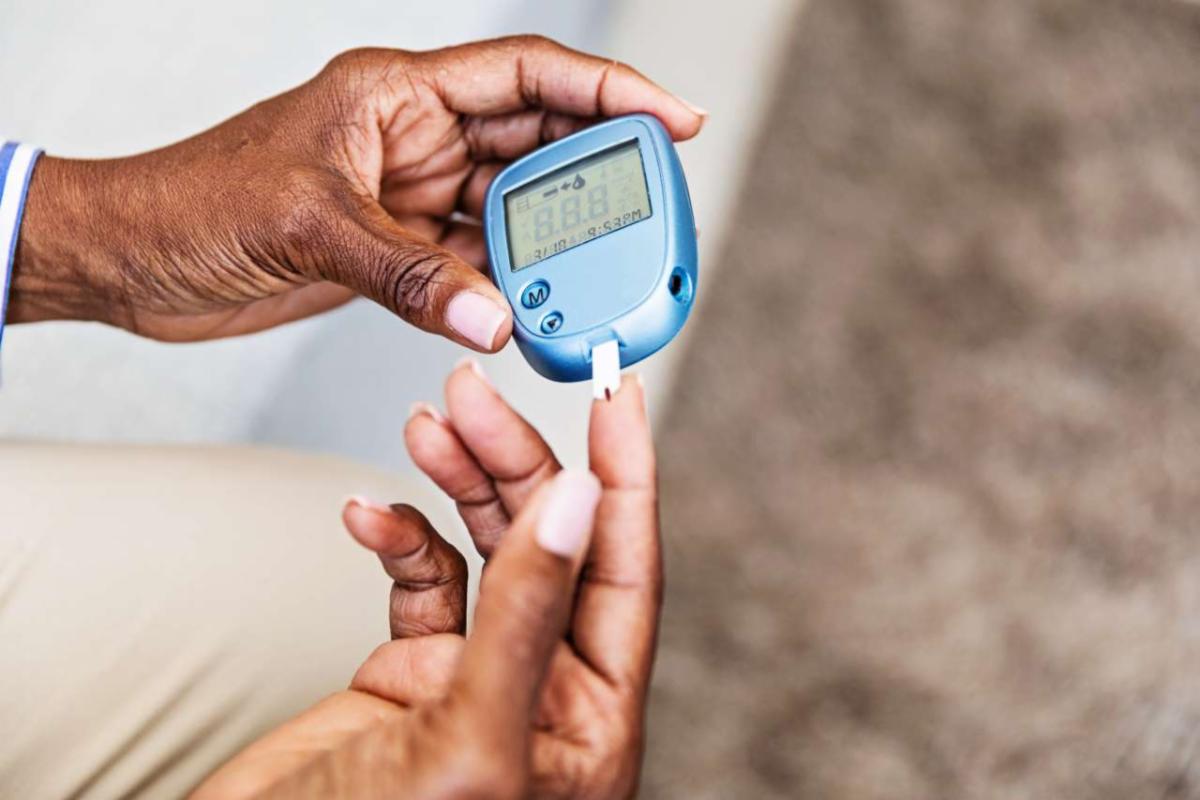
A new study led by UCLA Health found that a large percentage of disadvantaged patients are not taking their diabetes medications consistently. The analysis, which combed the national health records of 587,000 Medicare Advantage patients, showed Black and Hispanic patients were less likely than White patients to adhere to their medication protocols.
The research, published in JAMA Network Open, analyzed national health data from 2019. Overall, adherence to diabetes medications was less than 60 percent. The study also found that extra assistance programs – specifically Medicaid and Medicare’s Part D Low-Income Subsidy – significantly helped reduce those treatment gaps, particularly for high-cost treatments like insulin and newer drugs such as SGLT2 inhibitors and GLP-1 RAs.
|
The Power of Primary Care to Improve Health
Family medicine emerged in the 1960s due to the need for holistic, person- and community-centered care to counter hyper-specialization and pathology-focused trends in medicine. The specialty is the cornerstone of primary care, a counterculture movement away from fragmented care in mainstream medicine, and the key to delivering whole-person care. Despite public perceptions of primary care, indisputable data of the benefits of primary care on health, and a clear roadmap to high-quality primary care provided by the National Academies of Sciences, Engineering, and Medicine (NASEM) in 2021 and subsequent reports, the United States spends under 5% of total health expenditures on primary care. Yet it continues to have higher health care costs, more chronic disease, and lower life expectancy than peer nations.
The benefits of having continuous primary care are well studied.
|
Shining a Light on Uterine Cancer: Rising Incidence and Mortality, Persistent Inequities
Thanks to advances in prevention, screening, and treatment, cancer mortality has declined over the past decades. Uterine cancer, however, stands as a notable exception, with incidence and mortality on the rise. Now the leading cause of death among gynecologic cancers in the United States according to National Cancer Institute estimates, uterine cancer is projected to claim more lives than ovarian cancer in 2026. This disease remains underfunded, understudied, and associated with deep racial disparities.
To better understand this paradox, we spoke with Elizabeth M. Swisher, MD, the 2026-2028 Chair of the AACR Cancer Prevention Working Group (CPWG) steering committee. She explained why uterine cancer is a growing public health concern in this country and around the world and discussed some of the steps that can be taken to prioritize funding, research, and public awareness.
|
HRSA Awards Nearly $19 Million to Expand Access to Healthcare Through Telehealth and Innovative Technologies
The Health Resources and Services Administration (HRSA) today announced nearly $19 million in new awards to expand access to high-quality healthcare through telehealth and technology-enabled learning. Announced during Telehealth Awareness Week, the awards will increase access to nutrition services, expand the use of emerging technologies to improve healthcare delivery, and strengthen the healthcare workforce in rural communities and other areas with limited access to care.
“Telehealth and innovative technologies are changing what access to healthcare looks like for Americans,” said HRSA Administrator Tom Engels. “No longer is telehealth the exception to the rule — it is an essential part of the healthcare system."
| | |
More Articles of Interest
American Hospital Association, September 22, 2026
Ohio State Wexner Medical Center, September 21, 2026
PubMed, September 15, 2026
Cureus, September 19, 2026
| | | | |