This is a large issue to unpack, and we will endeavor to do just that over the coming days, but the most important thing you need to know now is that these graphic books are probably already in your public-school libraries and/or they are being used in the classroom. More than 40 states have exempted public schools and public-school libraries from the laws that prohibit distribution of obscene material to a minor.
Lawmakers have eliminated any liability associated with these graphic materials if they are used for “educational” purposes, as part of courses of instruction and/or in libraries in K-12 schools.
YES! You read that correctly. Distribution of this material off school grounds would be considered criminal but exposing our children to it during school hours is “educational.”
This means that someone providing obscene/indecent materials to a child faces fines and jail time for “harming” the child, EXCEPT when that person is a teacher or a librarian providing the materials in an “educational” context in the public school or public-school library.
So, to protect our children from obscenity and porn in schools, we must change things at the local level. Why the local level instead of the state or federal level? The reason is that courts have already ruled on this issue, therefore, we must start again at the grassroots. Specifically, the court stated that “i]t is neither realistic nor constitutionally sound to read the First Amendment as requiring that the people of Maine or Mississippi accept public depiction of conduct found tolerable in Las Vegas, or New York City.” In other words, they rejected applying a “national standard”, so this effort must begin locally.
A few brave lawmakers have stepped up to protect our children from obscenity in our schools.
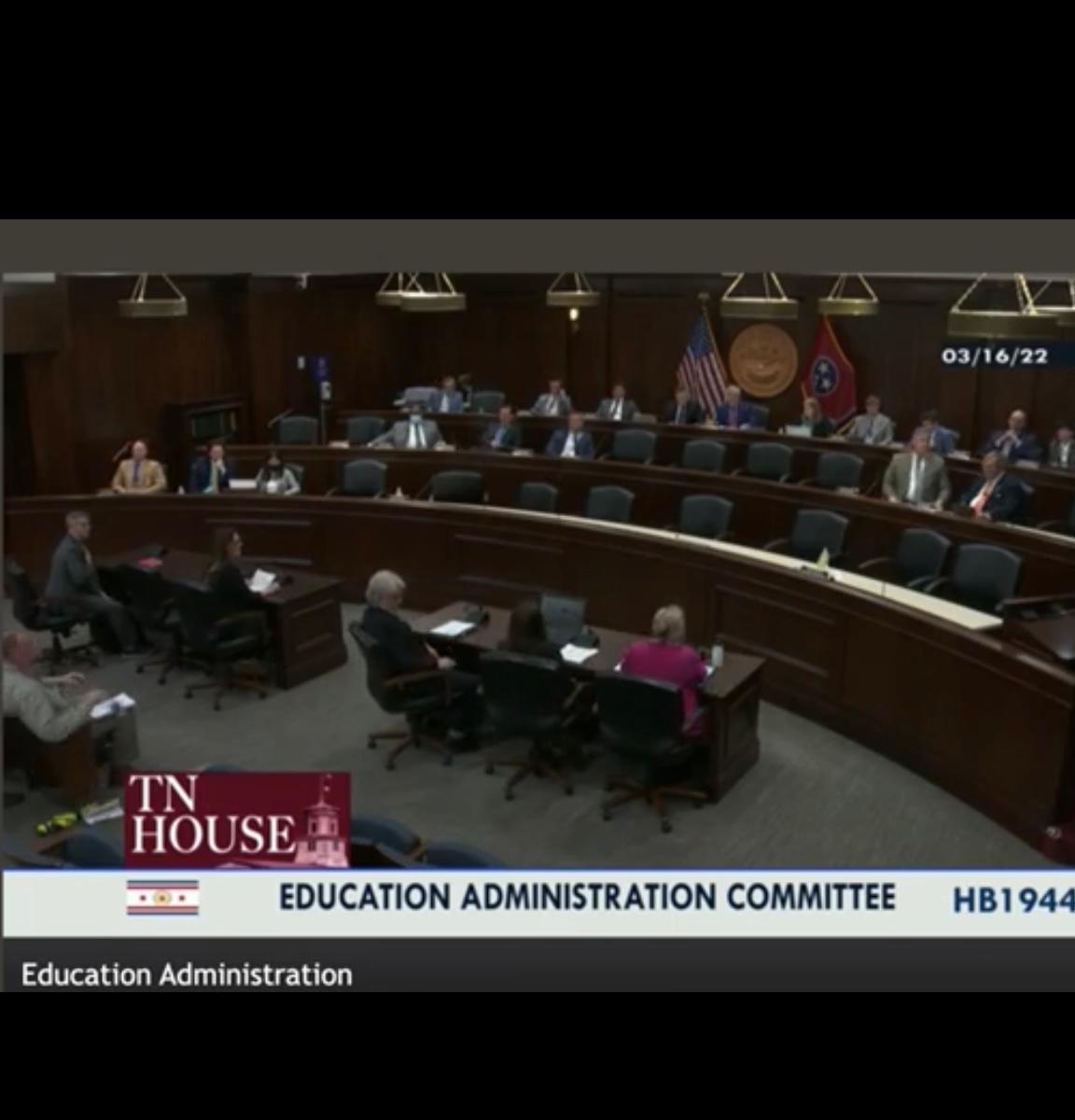
This brings us back to the content revealed in the video above. Tennessee Representative Scott Cepicky has introduced legislation to remove the exemption in public school libraries in TN. His bill correctly mandates that all local school boards create a policy allowing the local community to make the decision on what is and isn’t obscene.
Listen to the testimony and see if this book passes the Miller Test, the standard we apply to determine whether something is acceptable or not.