|
In Overdose Prevention News: RI Hits Major Milestone
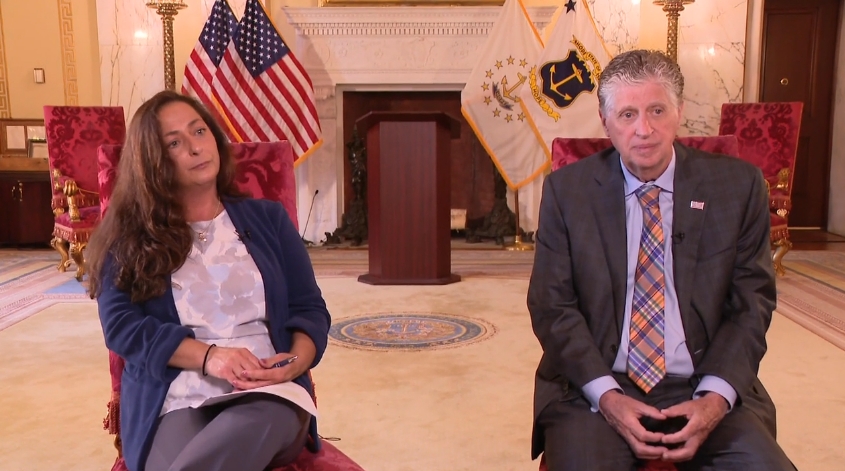
Governor Dan McKee and the Overdose Task Force announced this summer that overdose deaths in Rhode Island have dropped 50% since 2022, surpassing the State’s 2030 goal. This marks the third consecutive year that fatal overdoses decreased statewide in Rhode Island. Governor McKee and EOHHS Overdose Task Force Director Cathy Schultz sat down with Channel 10 to discuss the decline in overdose deaths. Watch the interview here.
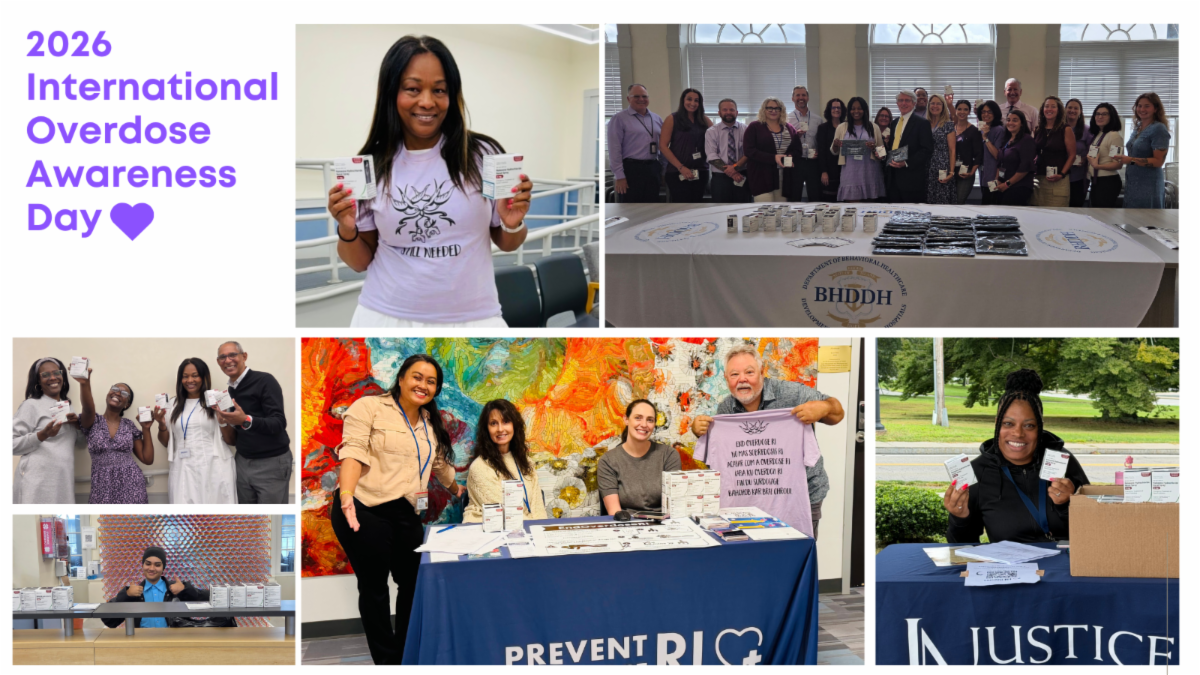
| More recently, communities came together to honor International Overdose Awareness Day through a series of events focused on connection, remembrance, and lifesaving action. We are grateful to be part of this work and to stand alongside organizations committed to saving lives and supporting families. | |
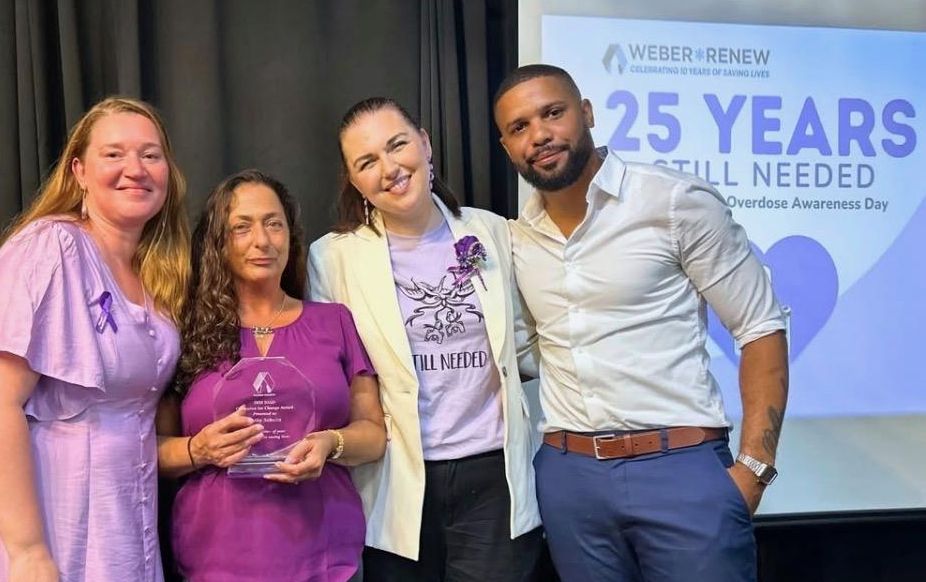
On International Overdose Awareness Day, Cathy Schultz was honored at the Peer Appreciation Awards Breakfast. "I’m truly humbled by receiving the Champion of Change Award," said Cathy. "I consider being honored by my community one of the most valued gifts, and it is why I do what I do each and every day – to center the community voice in all that we do."
| | |
Hospital Renovation Complete
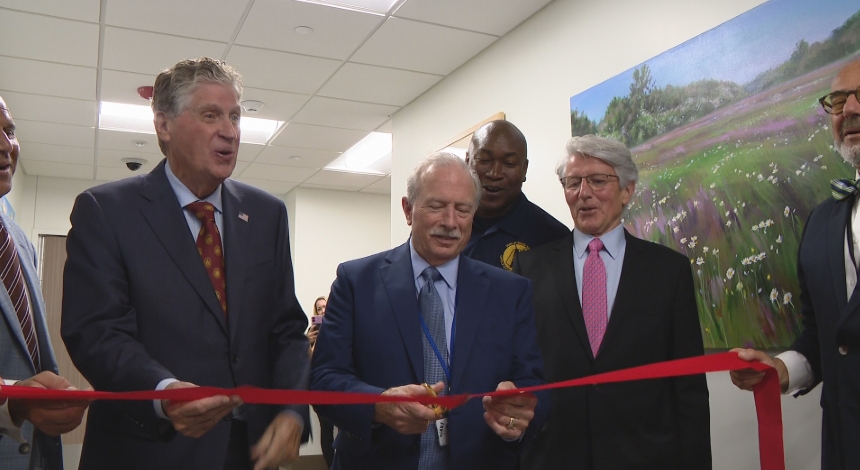
The Ribbon Cutting for the refurbished Eleanor Slater Hospital took place last week. Senator Jack Reed, Governor Dan McKee, EOHHS Secretary Richard Charest, Department of Behavioral Healthcare, Developmental Disabilities, and Hospitals (BHDDH) Director Richard Leclerc, and BHDDH Deputy Director Louis Cerbo made remarks and cut the ribbon.
The large-scale renovation brought the facility improved safety features, and new mechanical, electrical, and plumbing systems to promote patient and staff comfort. Patients will be moving in soon. Check out this coverage from Channel 10 for more information!
| | |
Trusted Resource, Now Expanded: Kids.RI.Gov
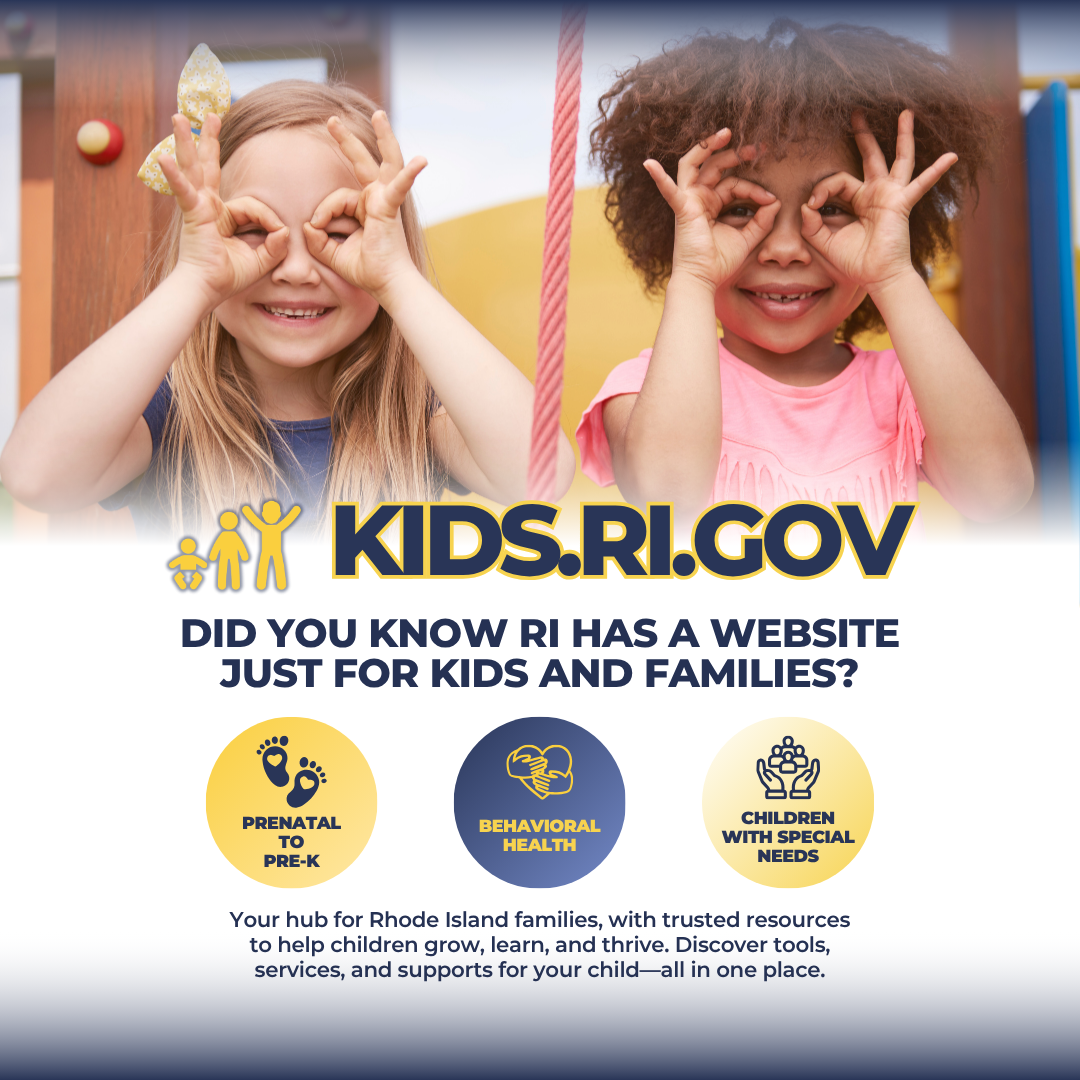
Kids.RI.Gov has been enhanced with new features and expanded resources to better support families from pregnancy through age 18.
Explore What’s Available
-
Prenatal to Pre-K: Find resources for pregnancy, early childhood development, and preparing for kindergarten.
- Behavioral Health: Access tools and services to support your child’s emotional well-being and mental health.
- NEW: Children with Special Health Care Needs (CYSHCN): Discover a comprehensive directory of services, supports, and care coordination resources for children with special health care needs and disabilities— all in one place.
Whether you’re looking for answers, services, or next steps, Kids.RI.Gov is here to help.
| | |
Rural Health Transformation Program
More than $5.48 million was recently awarded to 14 Local Education Agencies (LEAs) and schools to expand healthcare-focused Career and Technical Education opportunities for students across the state. These funding awards will focus on K-5 career awareness, grades 6-8 career exploration, and grades 9-12 career preparation, helping RI students discover and pursue interest in health careers.
The awards are funded by the Rural Health Transformation Program (RHTP), which is supported by the Centers for Medicare and Medicaid Services (CMS) of the United States Department of Health and Human Services (HHS), to improve the health and healthcare services of rural Rhode Islanders. Rhode Island is working towards a connected, community-based system that ensures every rural resident has timely, coordinated, high-quality care where they live. This program will build lasting infrastructure that empowers communities to lead their own health transformation. This program is supported by CMS. For full funding details, visit the RHTP web page.
| |
RI Food As Medicine Task Force Kicks Off
Established through legislation and housed within the Executive Office of Health and Human Services, the Task Force brings together leaders from healthcare, government, academia, insurance, and community-based organizations to develop recommendations for a Food As Medicine pilot program in Rhode Island.
Together, Task Force members will explore evidence-based nutrition interventions, opportunities for collaboration, sustainable financing models, and strategies to improve health outcomes for Rhode Islanders managing diet-related chronic conditions. We look forward to the work ahead.
| |
Health Care System Planning Releases Second Report
This summer, the Health Care System Planning Cabinet and the Office of Health Care System Planning published their report on the second year of activity, which reports on the work of the Cabinet throughout 2025 and early 2026.
|
Podcast on Workforce Transformation
Rhode Island’s healthcare shortage, workforce gaps, and other challenges affect access to care for all who live here. But a movement has been underway for some time to ensure the State has a steady supply of dedicated, well-trained, and highly skilled workers.
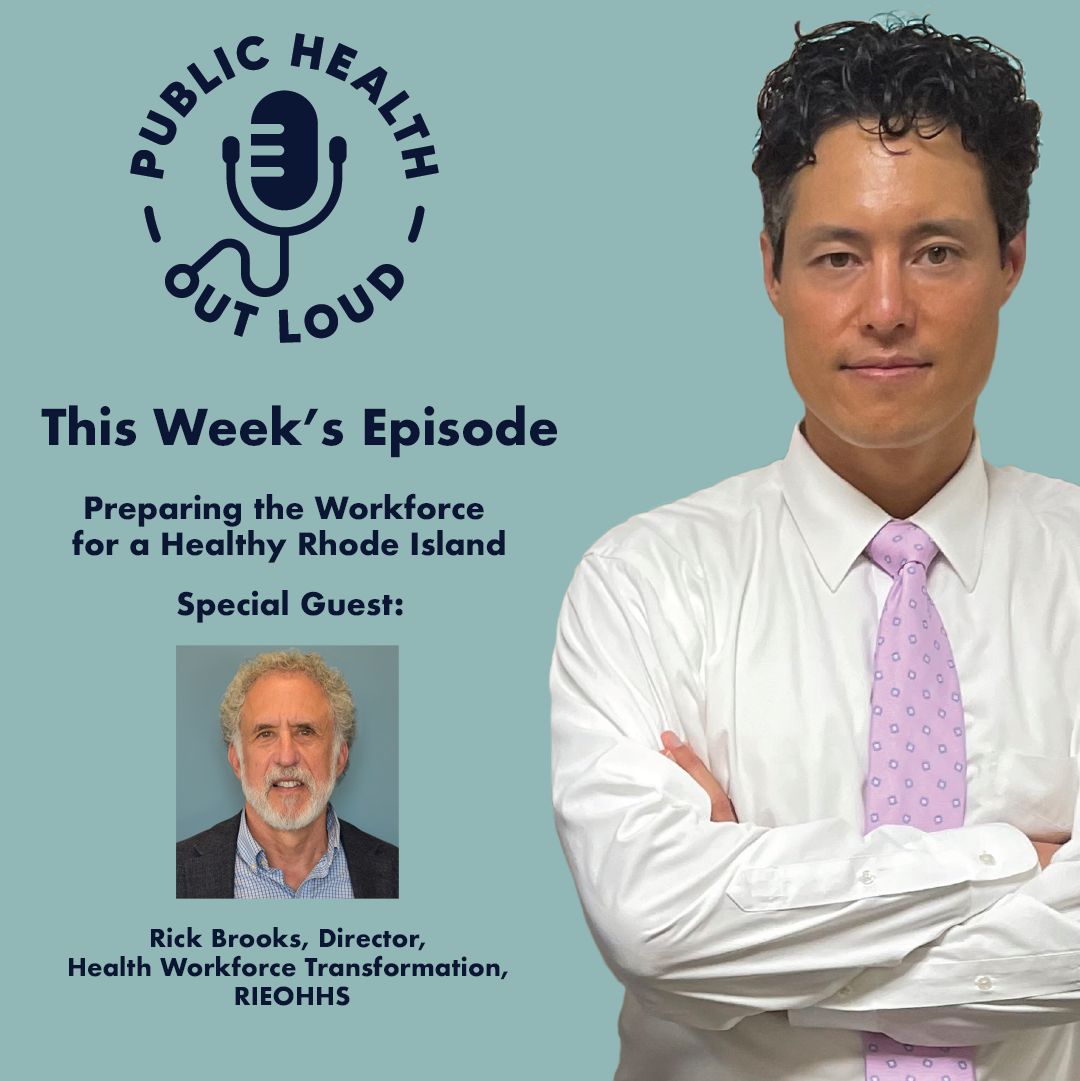
In a recent episode of the Public Health Out Loud podcast, Rick Brooks, director of Health Workforce Transformation at EOHHS, talks about current initiatives and the importance of having a workforce that is reflective of the diversity of the communities - and individuals - whom they serve. Listen to the podcast here.
| | |
Help Prepare Members for New Federal Work Requirements
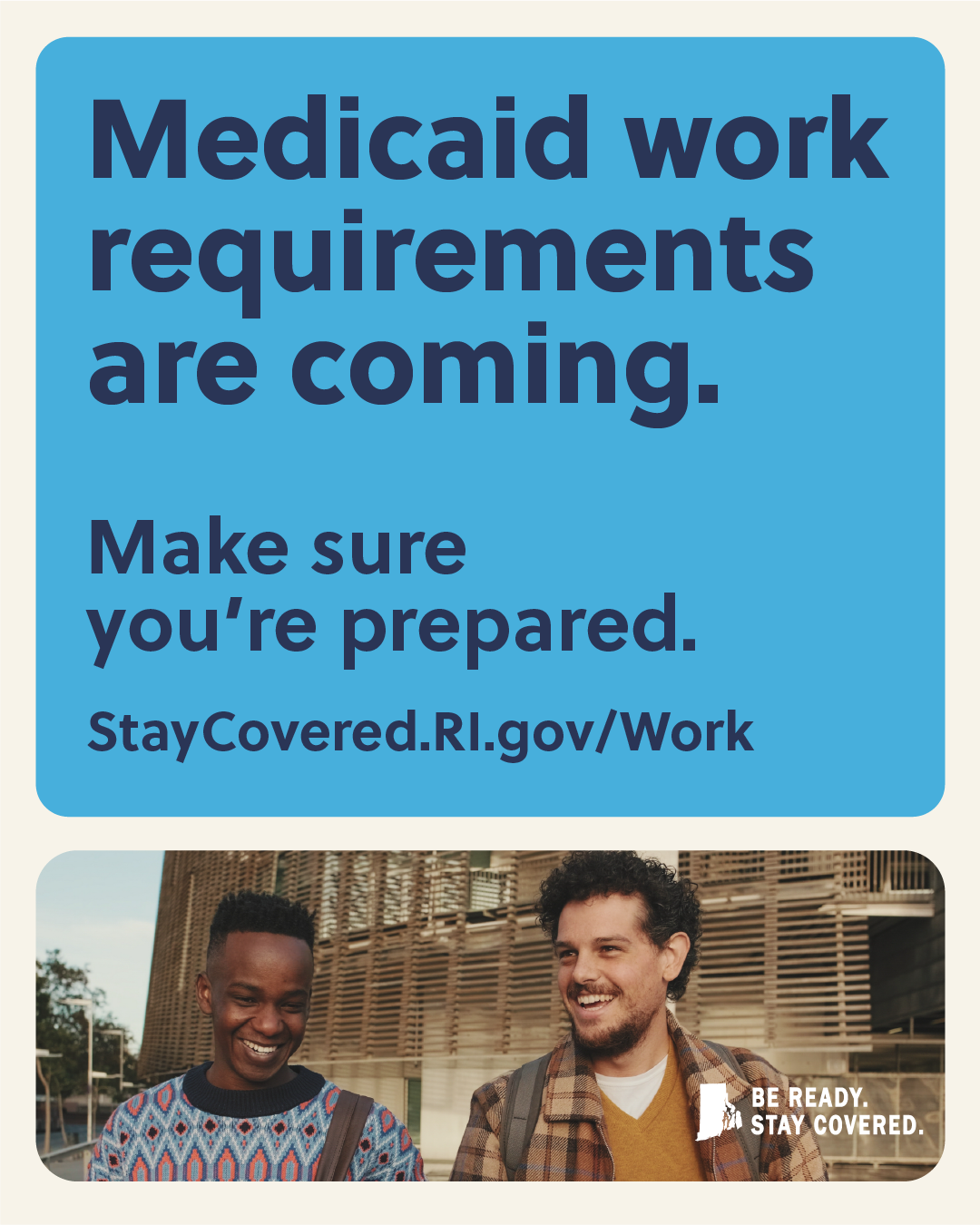
In 2027, federal changes will introduce new Medicaid work requirements and six-month renewals. These changes may affect how Medicaid expansion adults maintain their coverage and will require clear, consistent communication about what is changing, if the requirements apply to them, and what steps they may need to take.
EOHHS is providing a Medicaid work requirements toolkit with downloadable resources in multiple languages. A work requirements screener, flyers, FAQ handouts, digital signage, and more are available for your offices and community outreach efforts.
| |
|
Federal Changes Affecting Coverage for Non-Citizens Effective October 1
New federal laws will stop full Medicaid for some people who are not U.S. citizens. Starting October 1, 2026, only the following groups of non-citizens will be eligible for Medicaid in Rhode Island:
- Lawfully permanent residents (Green Card holders) after the five-year wait, if it applies;
- Cuban/Haitian entrants;
- COFA migrants (i.e. people from Micronesia, the Marshall Islands, and Palau);
- Children under 19; and
- Pregnant or post-partum people
Medicaid is notifying impacted individuals about this change through a series of mailed notices, emails, text messages, and digital notices in HealthyRhode accounts.
| |
Fiscal Year 2027 Medicaid Budget Initiatives
The Rhode Island Executive Office of Health and Human Services (EOHHS) and Rhode Island Medicaid are in the process of implementing changes to the Medicaid program passed in the FY2027 Budget as Enacted.
The FY2027 initiatives are outlined below.
- Expansion of Acute Hospital Care at Home
- Changes to rates, including from the OHIC rate review recommendations
- Increase of Asset Limits
- Changes to the Nursing Facility Behavioral Health Add-On Program
- GLP-1 Benefit Change
When the State revises its rate methodologies or establishes new services, the Medicaid Program coordinates necessary updates to relevant systems, contracts, and policies with its managed-care organizations (MCOs), federal partners, and providers.
| |
RI Medicaid Beneficiary Council Highlighted in National Review
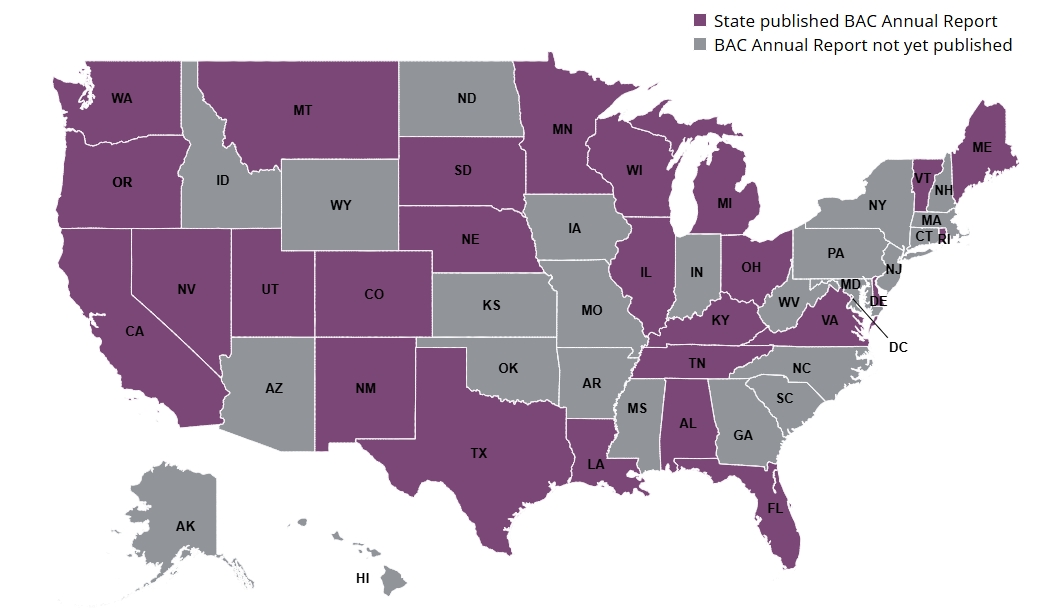
Rhode Island’s Beneficiary Advisory Council (BAC) was highlighted in a national review from State Health & Value Strategies of first‑year BAC activities. The report recognizes Rhode Island's efforts to strengthen BAC recruitment through multilingual outreach materials, partner network engagement, and a targeted social media campaign reaching Medicaid enrollees and caregivers statewide. We're proud to see Rhode Island’s commitment to meaningful member engagement reflected at the national level.
| | |
Innovative Model will Transform Access to Care for Sickle Cell Disease
The Cell and Gene Therapy Access Model is helping Rhode Island Medicaid prepare for the growing availability of innovative, transformative, and high-cost therapies by establishing the infrastructure needed to support coordinated and sustainable access for all eligible Medicaid beneficiaries. As these therapies become available for an increasing number of rare conditions, RI Medicaid must have a strong system in place to ensure treatment access while maintaining appropriate oversight, quality, and accountability. The initial focus of the cell and gene therapy model is sickle cell disease. This is particularly important for Rhode Island, where sickle cell disease affects over 200 people and a significant proportion of individuals with SCD are Medicaid beneficiaries due to the severity and lifelong impact of the disease.
| | |
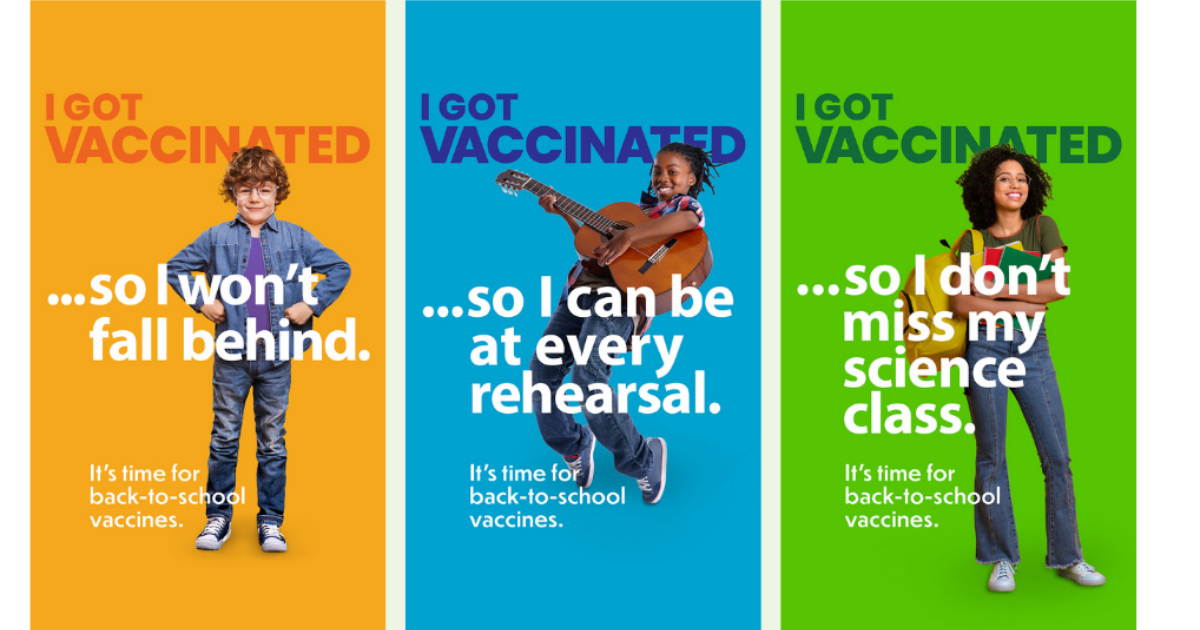
Help Students Stay Healthy in the School Year with Immunizations
To support students, families, and communities for the 2026-2027 school year, here are some quick links to timely information and resources on RIDOH's website:
Find more shareable resources in RIDOH's immunization resource library and on RIDOH’s website by topic, such as Measles, MMR, Tdap, HPV, and others.
| | |
DHS Webinar Series for Customers & Partners
The RI Department of Human Services is bringing back the Staying Informed Webinar Series, a virtual series for customers and partners to better understand available programs, services, and important updates. Webinar topics include SNAP, CCAP, RIW, and Medicaid. The webinars are free and open to the public, but registration is required. Please find more information about upcoming webinars and how to register here.
| |
DCYF Secures $12M to Transform Children’s Behavioral Health System of Care
Governor Dan McKee and DCYF have announced nearly $12 million in total federal grant funding over a four-year project period to support the continued expansion of the Rhode Island Children’s Behavioral Health System of Care. The grant, awarded by the Substance Abuse and Mental Health Services Administration (SAMHSA), includes funding for a new Single Point of Access for families seeking behavioral health services as well as a new Intensive Care Coordination Service to provide additional wraparound services.
While Rhode Island has made great strides in building a robust array of behavioral health services under the McKee Administration, this grant will allow the state to establish a Single Point of Access to simplify the process of connecting families to appropriate services. Similarly, bringing on Intensive Care Coordination helps families successfully organize and manage complex behavioral health care needs in their home and in their community. Read more.
| | |
Get Ready for RI-PREVCON 2026!
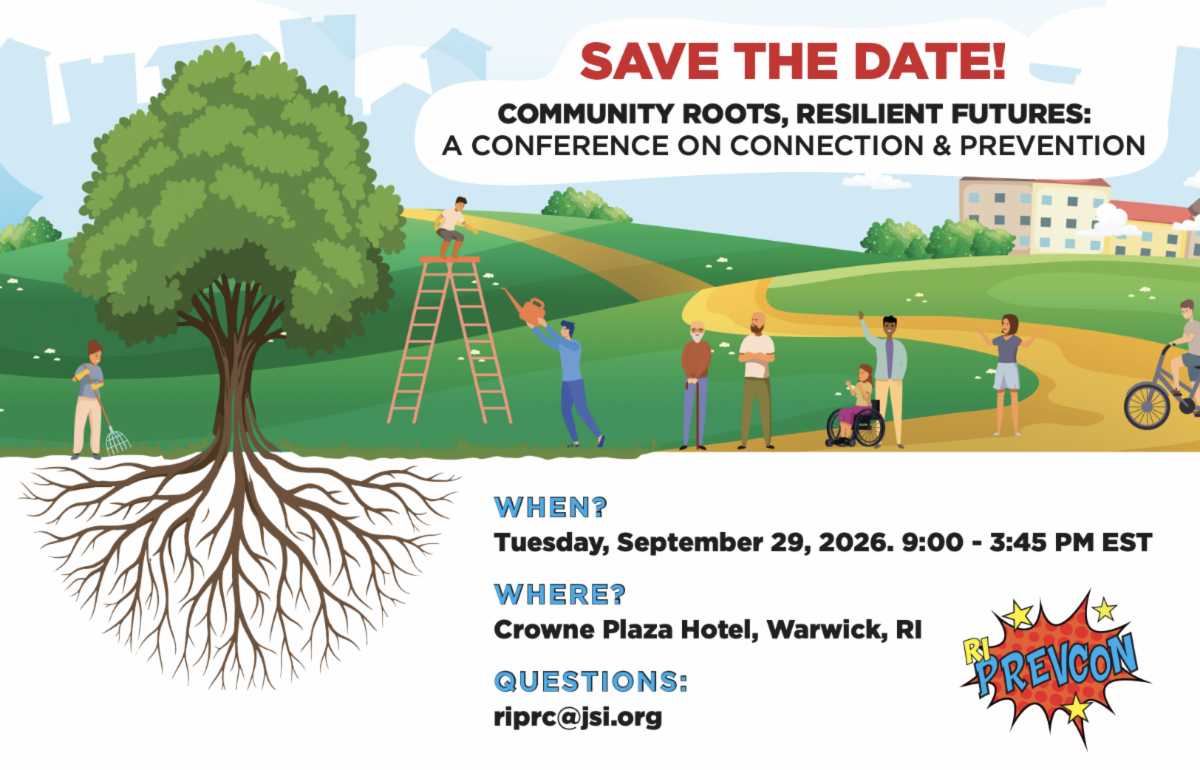
Coming soon! Join us on September 29, 2026, at RI-PREVCON 2026, planned collaboratively by the Rhode Island Prevention Resource Center. This year's theme is "Community Roots, Resilient Futures: A Conference on Connection & Prevention," which reflects our state's shared commitment to strengthening communities, fostering meaningful connections, and building proactive strategies that support prevention and long-term resilience. Register today and contact riprc@jsi.org with questions.
| |
West Nile Virus Risk Level is Now “High” Statewide
Rhode Island’s risk level for West Nile Virus (WNV) is now high statewide. WNV is the main mosquito-borne disease in the US. While most people with WNV don’t get sick, about one in five people who are infected develop a fever and other symptoms. There are no vaccines to prevent WNV or medications to treat the virus in people. For more information about WNV, visit health.ri.gov/wnv
| |
Rhode Island Experiencing Increase in Mpox Cases
The Rhode Island Department of Health has seen an uptick in mpox cases reported recently. The mpox vaccine should be considered a key tool to ensure good sexual and personal health as well. Please visit and promote health.ri.gov/mpox for more information about mpox and the JYNNEOS vaccine.
| | |
My Life, My QuitTM: Here to Help Youth Quit Vaping
Please help us promote My Life, My QuitTM! We’re reaching out to youth ages 13 to 17 who vape, letting them know on social media and through Rhode Island schools that My Life, My QuitTM can help them quit. Parents, caregivers, teachers, and others who support youth can share and amplify this message. Visit our My Life, My Quit toolkit page and help us spread the word! To get started with My Life, My QuitTM, youth can text START to 36072, visit MyLifeMyQuit.com, or download the app.
| |
-
State commits $5.48M to rural healthcare workforce training, September 4, 2026
-
New State Savings Make HealthSource RI Coverage More Affordable, September 2026
-
RIDE Secures $3.68 Million Federal Grant to Strengthen Special Education Across Rhode Island, September 4, 2026
-
Raccoons in Warwick Test Positive for Rabies, September 2, 2026
-
Rhode Island Reaffirms Childhood Immunization Schedule, August 18, 2026
-
Governor McKee Announces a Nearly $12 Million Federal Grant to Help DCYF Transform Children’s Behavioral Health System of Care, August 11, 2026
-
RIDOH, DEM Remind Rhode Islanders About Rabies Prevention Measures, July 16, 2026
| | Don't forget to follow EOHHS on social media: | | | | |