|
September in the Kinnickinnic Watershed welcomes a shift from long, hot summer days, to shorter and cooler ones. The autumn equinox arrives on September 22nd this year and marks the moment when day and night are nearly equal in length. From this point forward, nights will gradually stretch longer than days, signaling the steady march toward a more quiet and dormant time. Cool mornings hint that winter is approaching, while sunny afternoons still carry summer’s warmth. Rainfall replenishes the river after the drier days of late summer, preparing the landscape for dormancy.
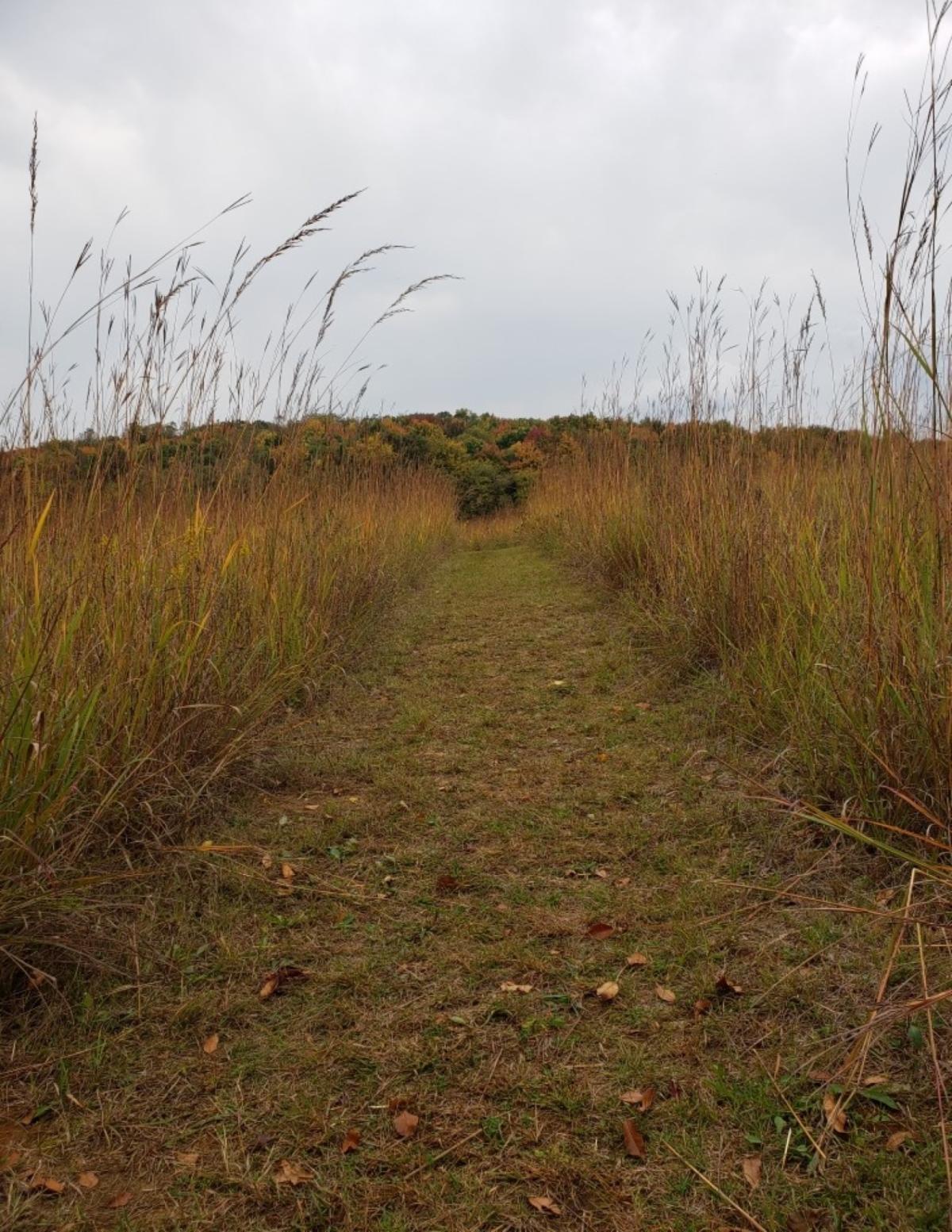
On the forest edges and prairies, you may start to notice that the floral palette is shifting from bright summer blooms to the deeper tones of fall. Goldenrod and asters dominate the prairies, offering late-season nectar for bees and migrating butterflies. Acorns, walnuts, and hickory nuts begin to drop, feeding squirrels and chipmunks that bustle through the undergrowth. Prairie grasses such as Big bluestem, Indian grass, and Switchgrass stand tall and bronzed as they sway in the crisp air.
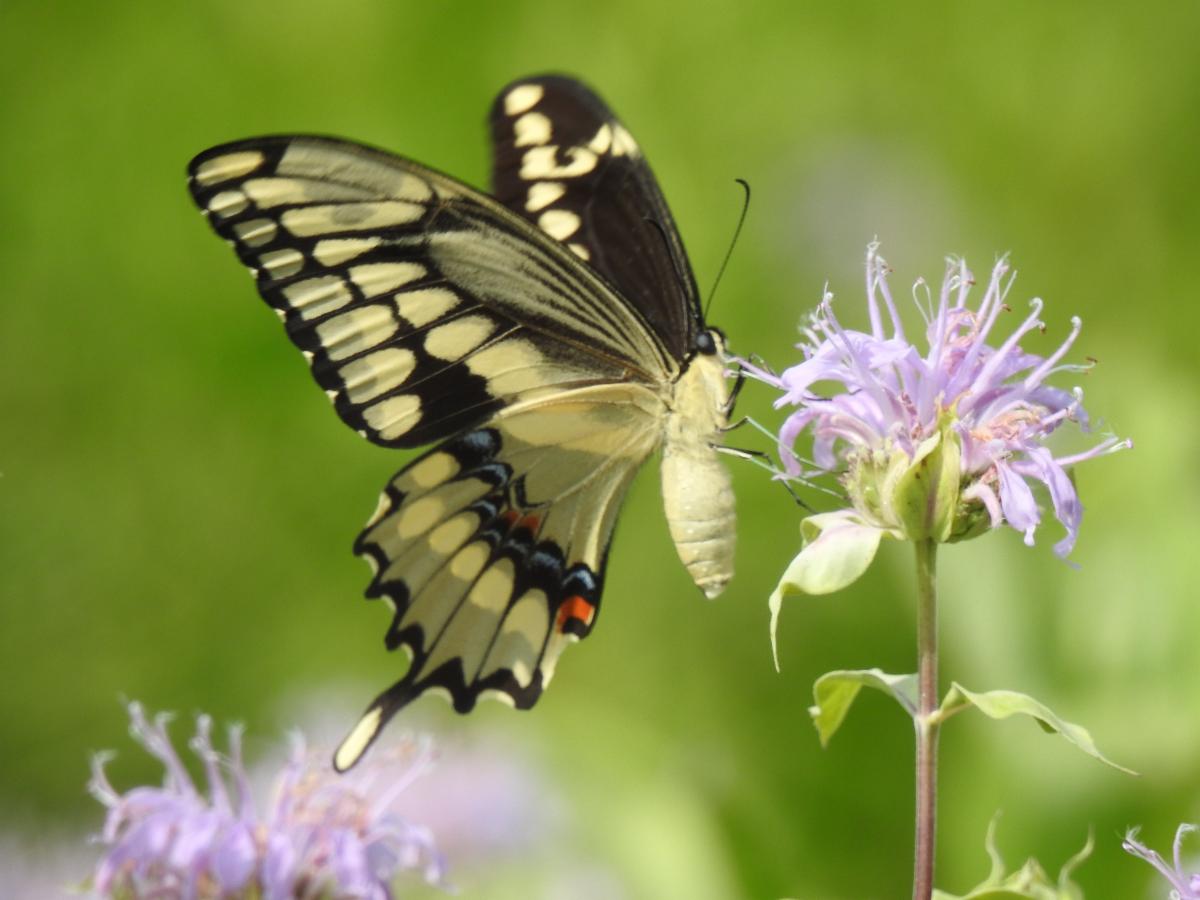
Wildlife movements are especially pronounced in September. Flocks of warblers, swallows, and blackbirds gather along the river corridor, fueling up before their long journeys south. Monarch butterflies drift overhead, their migration intertwined with the blooming milkweed and asters below. White-tailed deer shed their reddish summer coats for a thicker gray, and turkeys move in family groups through fields of drying corn. The Kinnickinnic River serves as both a rest stop and a refuge, a reminder that even as the season tips toward quiet, the watershed is alive with transition.
Happen to see something interesting during your next walk along the trails? We want to see! Send a picture to me at Jane@kinniriver.org for a chance to have your story highlighted on social media or next month's e-newsletter.
|