Important News!
Most of the final rates remained close to the proposed rates. The physician payment rate changed from a 4.4% cut to 4.5% cut. Consequently, we have identified additional reductions. Here are the sample pages for fee schedules:
|
|
Great news! Representatives Larry Bucshon (R-Ind.) and Ami Bera (D-Calif.), are introducing a bill that would prevent a 4.4 percent Medicare physician fee payment cut from taking effect on January 1, 2023, through the introduction of the Medicare Access and CHIP Reauthorization Act of 2015 and associated payment mechanism.
This is the bill we have been requesting from members of the Congress to introduce for some time for the last few months. ASIPP has supported this and ASIPP members have sent over 5,000 letters to Members of the Congress to date.
Representatives Bucshon and Bera are supported in this endeavor by six additional representatives, Kim Schrier M.D. (WA-08), Michael Burgess, M.D. (TX-26), Earl Blumenauer (OR-03), Brad Wenstrup, D.P.M. (OH-02), Bradley Schneider (IL-10), and Mariannette Miller-Meeks, M.D. (IA-02). Together they sent a Request for Information: Medicare Payment System Reform letter to members of Congress. Click here to view the RFI Letter.
|
|
In support of pain management residents and fellows,
this ASIPP webinar is COMPLIMENTARY
|
|
Fellows, don't miss this career growth opportunity to make connections on a national stage.
This two-hour webinar is a wonderful opportunity for attendees to earn 2 AMA PRA Category 1 Credits™. Learn how Fellow Program Directors operate their fellowship programs and receive practice management advice from experts.
OBJECTIVES:
- Discuss treatment options for a typical patient with complex head/neck pain pathology.
- Review pertinent anatomy of common head and neck blocks and methods of accessing neural targets
- Explore fluoroscopic imaging techniques, views, and potential pitfalls
- Present practice management concepts for starting private practice
- Understand modern solo practice pain points and new opportunities for growth beyond employment models
|
|
Attention Residents and Fellows:
You are invited!
|
|
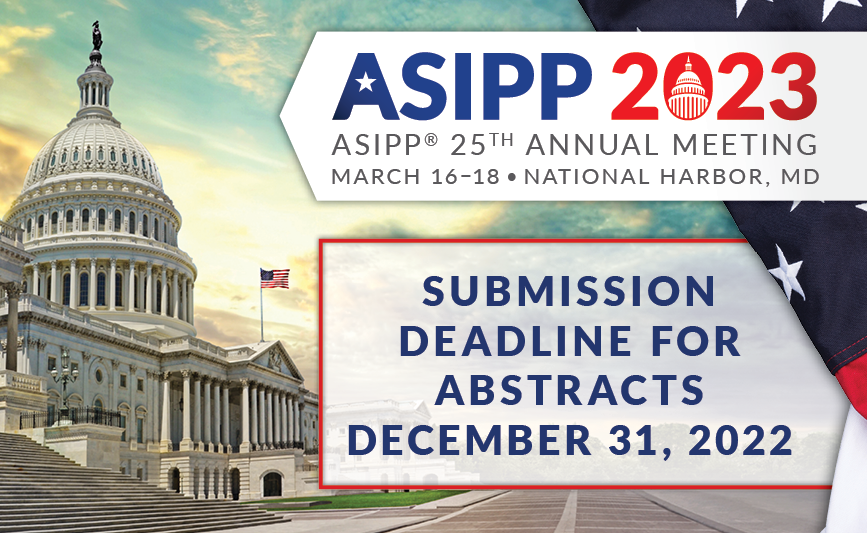
The ASIPP Board of Directors would like to invite trainees (fellows and residents) to attend the 25th Annual ASIPP Conference, March 16-18 in National Harbor, MD.
|
|
Trainees are also encouraged to join ASIPP's rapidly growing society which supports the needs of physicians who practice Interventional Pain Management. ASIPP accomplishes this through its pursuit of excellence in educational programs, publications, certification, and political advocacy.
Trainees that attend the conference have an opportunity to learn, network, and submit abstracts for a chance to win awards. The selected Top 3 Abstract Submissions will also have the opportunity to present their abstracts in the open forum of a General Session. During a Breakout Session, the selected Top 10 will present in the Abstract Session. There will be one winner from each of the following four categories:
- Faculty
- Fellows
- Residents
- Medical Students
We look forward to reading about new pursuits in interventional pain management!
New this year, we are implementing a new travel scholarship for ASIPP Residents and Fellows! A limited number of qualifying residents/fellows will receive a travel scholarship to attend the ASIPP 25th Annual Meeting. Recipients of this scholarship will receive reimbursement for up to three nights' stay at the host hotel, the Gaylord National Harbor Resort and Convention Center.
Travel Scholarship Qualification Requirements:
-
Residents and Fellows must be registered for the meeting (The fee is only $25 for Residents and Fellows).
- Residents and Fellows must be active participants in their fellowship or residency programs during the meeting dates.
- Residents and Fellows must be active ASIPP members.
- A letter of recommendation from the (non-industry) residency or fellowship program director must include:
o Proof that the resident or fellow is an active participant in the program during
the meeting dates.
o Statement verifying that no other travel scholarships for the ASIPP 2023
Annual Meeting have been awarded.
o Statement verifying that no other travel scholarships for the ASIPP 2023
Annual Meeting have been awarded.
Registration for the conference is now open!
The deadline to submit abstracts is December 31, 2022.
|
|
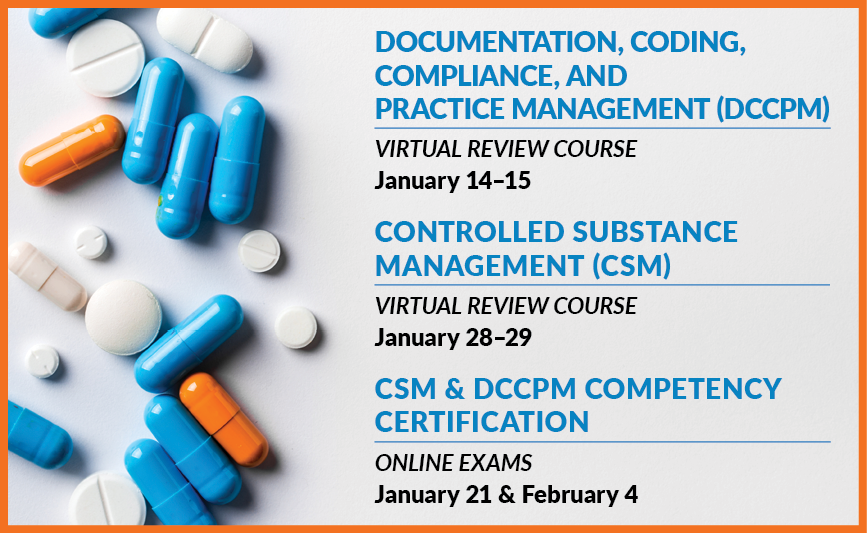
Register today for these 2023 Virtual Review Courses and Competency Certification Exams |
|
Beth Darnall and Sean Mackey discuss behavioral health therapies for chronic pain management
In this exclusive video, Beth Darnall, PhD, Director of the Stanford Pain Relief Innovations Lab, and Sean Mackey, MD, PhD, Chief of the Division of Stanford Pain Medicine, discuss psychological and behavioral health therapies that can help patients manage their chronic pain. Darnall and Mackey are currently researching ways to improve accuracy and access in pain management practices.
Pain is defined as a noxious sensory and emotional experience. Most people don't appreciate that part of the definition of pain actually involves emotions and psychology. This is one of the reasons why we have psychological approaches or behavioral medicine approaches or self-management approaches -- we can use these terms somewhat interchangeably -- that are integrated into whole-person pain care.
We want to be sure that we're assessing each person, identifying their needs, and then addressing them in a comprehensive treatment approach because the data suggests that that's what helps people resolve pain best or learn to manage pain best.
|
|
THE LAST PART I EXAM THIS YEAR IS
Saturday, December 17
|
|
Fatigue, pain, and memory loss cited most frequently
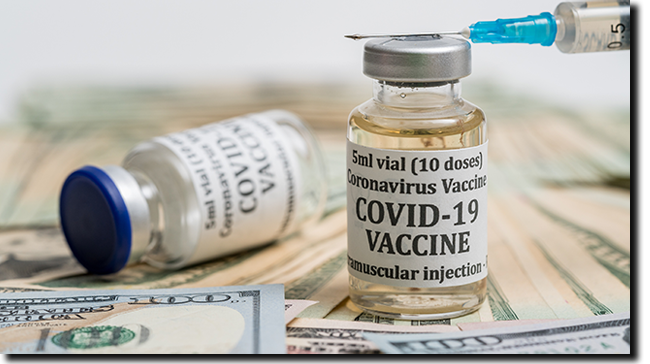
Over half of patients were still experiencing at least one post-COVID-19 symptom 2 years after acute infection, whether they had been hospitalized or not, a cross-sectional cohort study showed.
Among nearly 700 patients infected during the first wave of the pandemic, 59.7% of those who were hospitalized and 67.5% of those who were not hospitalized still had at least one symptom 2 years later (P=0.01), reported César Fernández-de-las-Peñas, PT, PhD, of Universidad Rey Juan Carlos, in Madrid, Spain, and colleagues in JAMA Network Open.
The most prevalent symptoms for hospitalized and nonhospitalized groups at 2-year follow-up were:
- Fatigue: 44.7% vs 47.7%
- Pain (including headache): 35.8% vs 29.9%
- Memory loss: 20% vs 15.9%
|
|
Local nerve block proves mettle in randomized trial, though benefit didn't last long
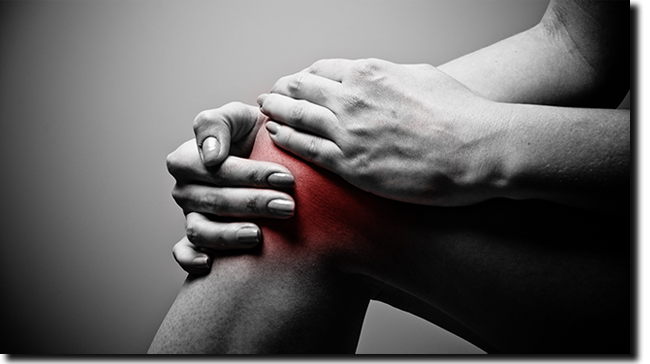
Blocking agents delivered to genicular nerves around the knee markedly reduced osteoarthritis patients' perceptions of pain, far more than those receiving placebo injections, a randomized trial showed.
At week 4 following the injections, patients in the nerve block group reported mean reductions in pain scores of 3.0 points from baseline on a standard 10-point scale, compared with an average 0.2-point reduction among those assigned to placebo, reported Ernst Shanahan, BMBS, MPH, PhD, of Flinders Medical Centre in Adelaide, Australia, and colleagues.
But by week 8, the effect had clearly begun to fade, with average pain scores rising by 0.7 points from week 4 in the nerve block group. And at week 12, mean scores had increased another 0.7 points and no longer differed significantly from the placebo group.
|
|
Please plan to join us at the 2023 ASIPP Annual Meeting
March 16-18 National Harbor, Maryland
|
|
For meeting or exhibitor/sponsor information:
|
|
Resolutions also advocate for greater accuracy in Medicare Advantage plan offerings and more
Should physicians be compensated for administering vaccines to Medicare recipients? Should the government offer a public option for health insurance? These were among the more lively debates Sunday during the American Medical Association (AMA) House of Delegates interim meeting.
Attending virtually and in person in Honolulu, AMA members who took to the mic at the advocacy on medical service and practice committee also called for a more assertive posture to persuade the Centers for Medicare & Medicaid Services (CMS) to get tough on less-than-forthcoming Medicare Advantage plans, and to push for reimbursement to meet guidelines on earlier colon cancer screening and CT coronary artery calcium scoring.
Medicare Vaccination Reimbursement
Members expressed frustration over how Medicare payment policy prevents many physicians from being compensated for vaccinating patients at their practices under Part B, which covers outpatient care services. Instead, patients are required to get vaccinations from a pharmacy through their drug plan, Part D.
|
|
- ASIPP Members Only Site Information - |
|
-
To log in for the first time you will need to click “forgot password” at the bottom of the login window.
- Check your email and then log in as directed.
-
If you have problems logging into your account, click here.
|
|
Pain Medicine Case Reports (PMCR) and Editor-in-Chief Alaa Abd-Elsayed, MD, PhD would like to invite you to submit case reports and case series to the PMCR journal. Your article will be published free of charge.
Open access journals are freely available online for immediate worldwide open access to the full text of published articles. There is no subscription fee for open access journals. Open access journals are no different from traditional subscription-based journals: they undergo the same peer-review and quality control as any other scholarly journal.
Interested in becoming a member of the PMCR Editorial Board?
Editorial board members are asked to review 2-6 manuscripts per year. Please submit your most up-to-date CV to sgold@asipp.org for consideration.
For more information or to submit your articles, click here.
|
|
| CASE REPORT |
Joshua Mehr, BA, and Daltry Dott, MD
Abstract
BACKGROUND: Leukocytoclastic vasculitis (LCV) can lead to both dermatological and neuropathic symptoms with many patients ultimately meeting criteria for complex regional pain syndrome (CRPS). While there are accepted treatments for both LCV and CRPS, when these treatments fail, there is very limited evidence for next steps in management.
CASE REPORT: A 34-year-old woman with a history of COVID exposure-induced LCV presented to the pain medicine clinic with back and left lower leg pain. The patient failed medical management and initial conservative interventions. Ultimately lumbar sympathetic nerve block resulted in significant and lasting improvement in her symptoms.
CONCLUSIONS: Sympathetic blockade shows promise in the treatment of refractory vasculitis and chronic pain. More extensive research with a larger sample size and longer patient follow-up is necessary to determine the true efficacy of sympathetic nerve block in both CRPS and vasculitis.
KEY WORDS: Complex regional pain syndrome, leukocytoclastic vasculitis, lumbar sympathetic nerve block
|
|
| SYSTEMATIC REVIEW |
Elver Ho, BA, Nima Yazdanpanah, DO, Johnson Ho, MD, Benjamin Drukman, BS, Alvin Chang, MD, and Sanjeev Agarwal, MD
Abstract
Background: Complex Regional Pain Syndrome (CRPS) is a chronic debilitating neuropathic pain condition characterized by autonomic and inflammatory features that typically occurs after a traumatic event. Spinal cord stimulation (SCS) has been shown to be effective in the treatment of chronic CRPS refractory to conventional treatment modalities. The collective evidence of novel parameters of SCS for treating CRPS has not been characterized extensively.
Objective: To provide evidence for the use of SCS to treat CRPS and characterize the additional benefits of various SCS waveforms.
Study design: Systematic Review and Meta-analysis.
Methods: PubMed, Embase and CINHLA were screened for all randomized controlled trials (RCT) comparing SCS parameters for the treatment of CRPS.
Results: Four RCTs were identified that included SCS as a treatment arm for CRPS. Of these, one study compared low frequency tonic SCS (LF-SCS) versus conventional physical therapy, 2 studies compared placebo/sham SCS with LF-SCS and a multitude of waveforms, and one study compared LF-SCS with high-frequency SCS (HF-SCS). Two of the studies were rated as having a low risk of bias, one study was rated as having some concerns for bias, while the final study was rated as having a high risk of bias. A meta-analysis of 4 studies comparing conventional therapy/placebo SCS stimulation against LF-SCS revealed increased benefit of LF-SCS in pain reduction up to a month (mean difference [MD] = -1.17 points; 95% CI = -1.61 to -0.73; P < 0.001, I2 = 42%). Another meta-analysis of 2 studies showed that LF-SCS results in higher global perceived effect scores relative to conventional therapy/placebo SCS stimulation (MD = 1.58; 95% CI = 1.00 to 2.15; P < 0.001, I2 = 0%).
Limitations: A pooled analysis using different designs for RCTs was conducted. Some studies folded in multiple neuropathic pain pathologies in addition to CRPS. One study was at a high risk for bias in at least one domain.
Conclusion: LF-SCS is superior to conventional therapy/placebo SCS stimulation. However, more evidence is required to demonstrate that novel SCS parameters are superior to LF-SCS in improving pain scores and functional outcomes.
Keywords: burst; high frequency; meta-analysis; spinal cord stimulation; systematic review; tonic; waveform; Complex Regional Pain Syndrome.
|
|
| SYSTEMATIC REVIEW |
Zhihe Yun, MMed, Chenglong Wang, MD, Tong Yu, MD, Tianyang Yuan, MD, Xinyu Nie, MD, Tao He, MMed, Rui Liu, MMed, Junyan An, MMed, Le Qi, MMed, Chen Li, MD, Yang Sun, MD, Jun Zhang, MMed, and Qinyi Liu, MD
Abstract
Background: Lumbar disc herniation (LDH) is the main cause of low back pain and/or radiculopathy. Currently, epidural intervention is a widely used and effective conservative treatment method for managing low back and radicular pain caused by LDH.
Objectives: To explore the effectiveness of different epidural injection approaches in adult patients with lumbosacral radicular pain.
Study design: Systematic review and network meta-analysis (NMA).
Methods: An electronic literature search was performed in the Pubmed, Embase, Cochrane Library, and Web of Science databases. Two authors independently performed data extraction and quality assessment. A Bayesian random effects model was conducted to incorporate the estimates of direct and indirect treatment comparisons and rank the interventions in order. Effect estimates from Bayesian NMA were presented as mean difference (MD) with 95% credible intervals (CrI).
Results: This NMA assessed caudal (C), interlaminar (IL), transforaminal (TF) and parasagittal interlaminar (PIL) epidural injection approaches for lumbosacral radicular pain from 7 trials. A statistically significant treatment difference for pain relief was reported for midline interlaminar (MIL) vs PIL (MD, 1.16; 95%CrI, 0.31-2.06), MIL vs TF (MD, 1.12; 95%CrI, 0.51-1.85), C vs TF (MD, 1.07; 95%CrI, 0.01-2.18) in short-term follow-up and MIL vs TF (MD, 1.8; 95% CrI, 0.3-3.48) in intermediate-term follow-up. For functional improvement, a statistically significant difference was observed with MIL vs PIL (MD, 9.9; 95% CrI, 0.64-19.94) and MIL vs TF (MD, 1.08; 95% CrI, 1.08-17.08) in short-term follow-up. Moreover, the PIL approach and TF appeoach were ranked in the top 2 for pain relief and functional improvement, both in short-term and intermediate-term follow-up.
Limitations: 1) The number of studies included was small; 2) some treatments lacked direct comparisons; 3) only scores from the visual analog scale for pain and the Oswestry Disability Index were included in the result; 4) important outcomes, such as complications, were not included.
Conclusion: In short-term and intermediate-term follow-up, the PIL approach has the highest probability for pain relief and functional improvement.
Keywords: epidural; lumbosacral region; nerve block; sciatica; Injections.
|
|
ASIPP is now in collaboration with Curi Medical Liability Program
Since this malpractice insurance program officially launched in November 2018, ASIPP has signed up hundreds of providers with an average savings of 30%. This is professional liability insurance tailored to our specialty and will stand up for us and defend our practices.
Curi is a full-service advisory firm that serves physicians and their practices. Their valued advice is grounded in your priorities and elevated in your outcomes. They are driven by a deep understanding of your specific circumstances in medicine, business, and life. To read a few important points to keep in mind about the program, including discounts, administrative defense, cyber coverage, aggressive claims handling, and complimentary risk management CME activities, visit our website.
|
|
ASIPP® has formed a partnership with Henry Schein and PedsPal, a national GPO that has a successful history of negotiating better prices on medical supplies and creating value-added services for independent physicians. Working with MedAssets, PedsPal provides excellent pricing on products like contrast media that alleviate some of the financial pressures you experience today.
|
|
ASIPP® is now offering our members the benefit of a unique revenue cycle management/ billing service.
We have received a tremendous amount of interest in the ASIPP® billing and coding program.
Click here to learn more about the negotiated rate for practices and more!
|
|
|
up-to-date news related to you, your practice, and your patients!
|
|
|
|
|
|
|