|
Seasons Greetings from All of Us at Willamette Riverkeeper!
As we enter the last month of 2025, we have two messages for you.
First, a message of gratitude.
This past year has been, in many ways, part hardship, part transition, and part growth – each step bringing Willamette Riverkeeper to a place of stability and progress we could not have reached without the support of you, our board, our staff, and our community. Every donation, every hour of volunteer time, every note of support and encouragement has helped us travel this path. None of it has gone unnoticed or unappreciated. Thank you.
Your support made it possible for us to reach several major milestones noted in our Annual Report, expanding restoration at Willamette Mission and the Gail Achterman Natural Area—key anchors in our growing, basin-wide restoration strategy. These efforts continue to advance habitat improvements for salmon, lamprey, mussels, migratory birds, and countless other species that rely on a resilient and functioning river system.
With the addition of three new full-time staff and two part-time seasonals, we strengthened our capacity to care for 187 miles of river engaging hundreds of volunteers in removing tons of trash, supporting ecological surveys and invasive species removal, increasing safe and enjoyable river recreation experiences, and informing WRK’s research efforts, such as our new freshwater mussel StoryMap (launching in this newsletter!) with citizen science opportunities to collect monitoring data.
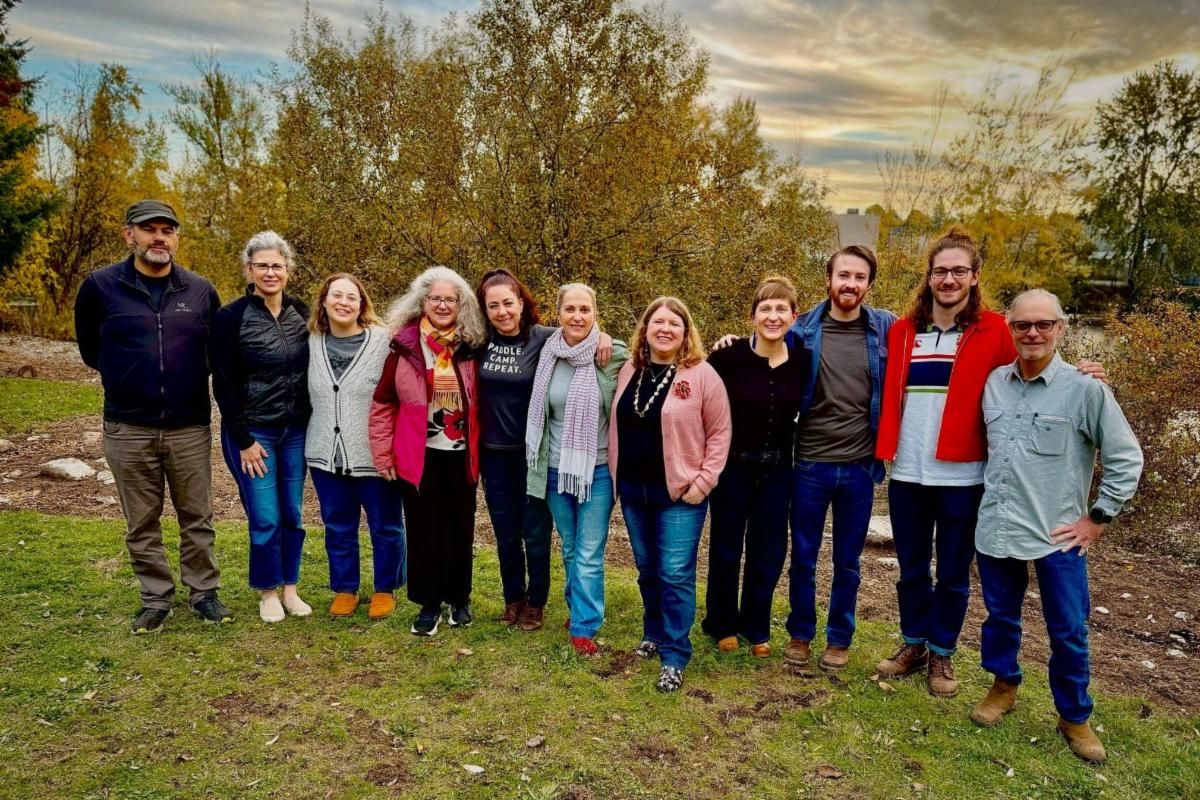
| | Second, as we approach our 30th year of working to protect and restore the Willamette River, we ask you to consider supporting WRK in 2026 and beyond. Over the coming month, you’ll see posts on our social media sharing our “12 Months of Stewardship,” and you may receive a letter or email asking for your support. Every contribution helps us remove trash, restore habitat, engage volunteers, and fight for clean water and safe public access. Simply put, without you, none of this work would be possible. | | The WRK staff and board of directors gather at our 2025 strategic planning retreat.. | | |
Looking ahead to 2026, WRK will expand its role in community-informed cleanup efforts, broadening our River Guardians program to include PFAS and water quality monitoring, and deepen mussel population surveys with Tribal and research partners. WRK will continue to advocate for CEI Hub policy implementation to reduce fuel-related risks to the river and nearby communities, and advance solutions for invasive species management (including toxic algal blooms) and public access protection along the Water Trail. In Portland Harbor, we will work to ensure cleanup and restoration decisions genuinely reflect community and Tribal priorities. We will also stay engaged with legislators and agency partners on PFAS regulations, floodplain development standards, and statewide habitat conservation. As always, our policy work is anchored in science, community input, and a long-term vision for a resilient Willamette River system.
We will also be launching a new Willamette Water Trail website and map reprint - improving safety, access, and stewardship along the 187-mile trail by creating a one-stop portal for educational resources and trip planning tools while working on a basin-wide restoration strategy and connecting more people to the river through our new ‘Learn to Paddle’ and River Discovery programs.
Together, we’ve made measurable progress for the Willamette—and with your continued support, we’ll do even more in the year ahead.
In gratitude and solidarity,
| | |
Michelle Emmons
Co-Executive Director & Upper Willamette Riverkeeper
Heather King
Co-Executive Director & Lower Willamette Riverkeeper
| |
Launching the WRK Freshwater Mussel StoryMap | |
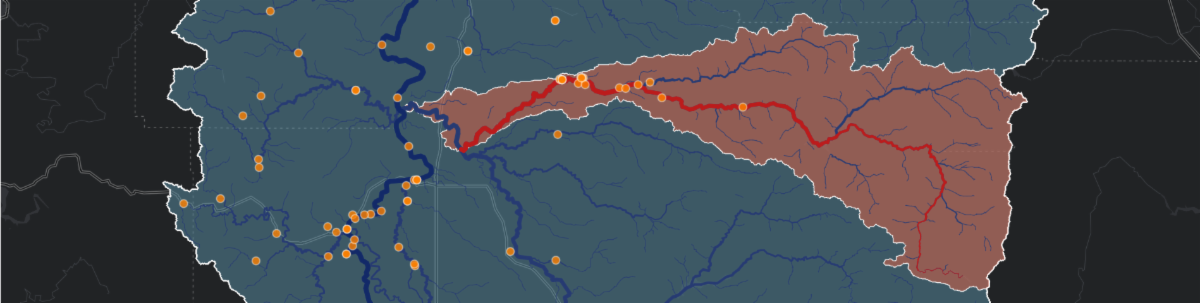
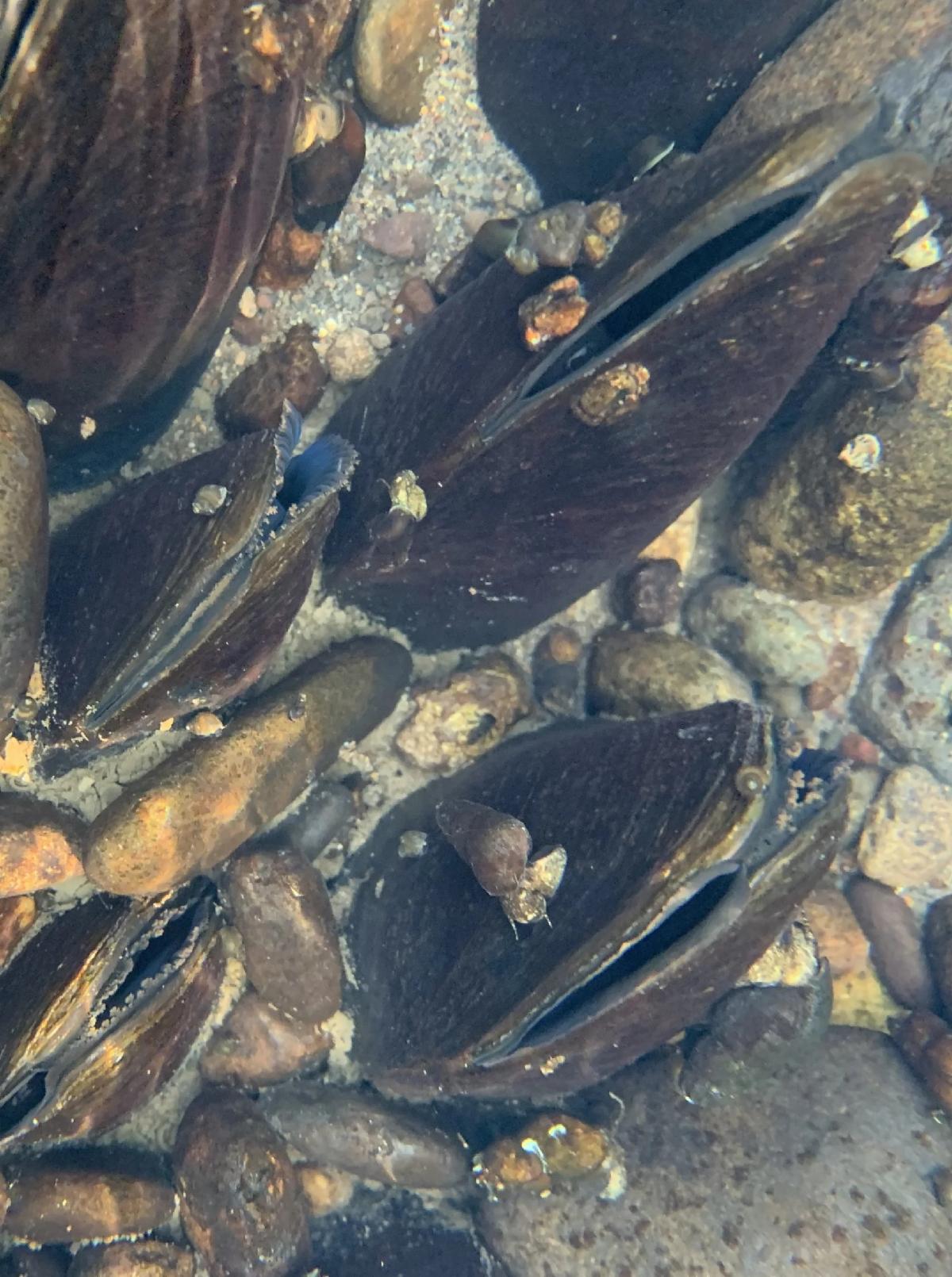
Those of you who are familiar with Willamette Riverkeeper's work might know that we have a soft spot for one of the most overlooked groups of river wildlife: native freshwater mussels. Anchored into river beds and living for up to 100 years, these animals improve water quality, increase habitat complexity, and serve as important bioindicators. WRK has led several freshwater mussel research projects over the past decade, including recent targeted work with populations along the North Santiam. To help educate the public about freshwater mussel ecology and conservation, we have built an interactive StoryMap that explores the role of western pearlshell mussels in the Willamette River Basin and shares insights from our field research. We hope that you enjoy this new resource, and we encourage our audience to share it with any other wildlife lovers out there!
| | A True 2025 Highlight: Paddle and Potluck at Willamette Falls | | |
Autumn on the Willamette is a special, splendid time of year. To share this experience with the community, WRK partnered with eNRG Kayaking to host a fall Paddle and Potluck. Our shared vision was simple: rain or shine, experienced or beginner, we wanted to create a safe, scenic paddle event to soak in the colors of the season together followed by a gathering full of warm company and delicious food to celebrate the Willamette River.
Our amazing river community showed up! Kids, teens, families, friends, folks from afar–nearly 40 paddlers took to the river as eNRG guided us on a stunning and educational paddle to Willamette Locks and Falls. The November day was warm and sunny, and our collective energy was full of gratitude and joy. A participant summed up the spirit of the event: “It meant a lot to feel part of such a welcoming group. It was more than just a paddle. It was a reminder of connection, community and the power of shared stewardship.”
| |
| |
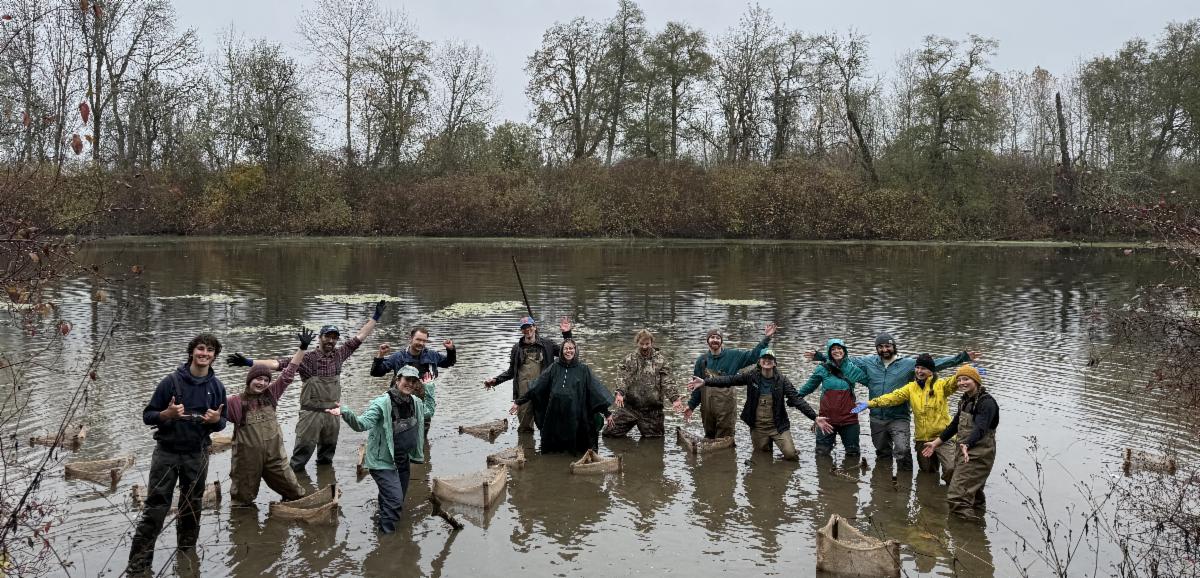
Year End Restoration Updates | | Volunteers and WRK restoration staff celebrate a successful day of Wapato tuber planting at Willamette Mission State Park. | | |
Willamette Riverkeeper’s restoration team is in the thick of grant writing season, a time when we step back to look at the basin as a whole, identify what the river and its floodplain need most, and seek funding for projects that improve habitat connectivity, support native species, and restore the health and beauty of the Willamette for years to come. From floodplain reforestation to aquatic invasive species surveys, this planning season sets the stage for the hands-on restoration you see on the river each year. Even so, we are not completely stuck indoors; the restoration team also got to enjoy the beauty and serenity of the river alongside volunteers and students who came out to do some real good for the river.
Earlier in November, volunteers joined Willamette Riverkeeper staff at Willamette Mission State Park to plant wapato tubers in Mission Lake, a seasonal side channel that comes alive with water in the winter and offers calm flatwater paddling in summer. Folks braved the cold and happily got “muddy for good,” pulling on waders and venturing into the soft lakebed to press more than 200 wapato tubers deep into the mud along the shoreline. They also constructed small biodegradable fences around the tuber clusters to help protect them from hungry critters while the plants establish. These tubers were harvested in September at ODFW’s Gail Achterman Wildlife Area by Willamette Riverkeeper staff and multiple partner entities. They will help re-establish this culturally important native wetland plant in a backwater habitat where it has been slow to return following the removal of invasive Ludwigia.
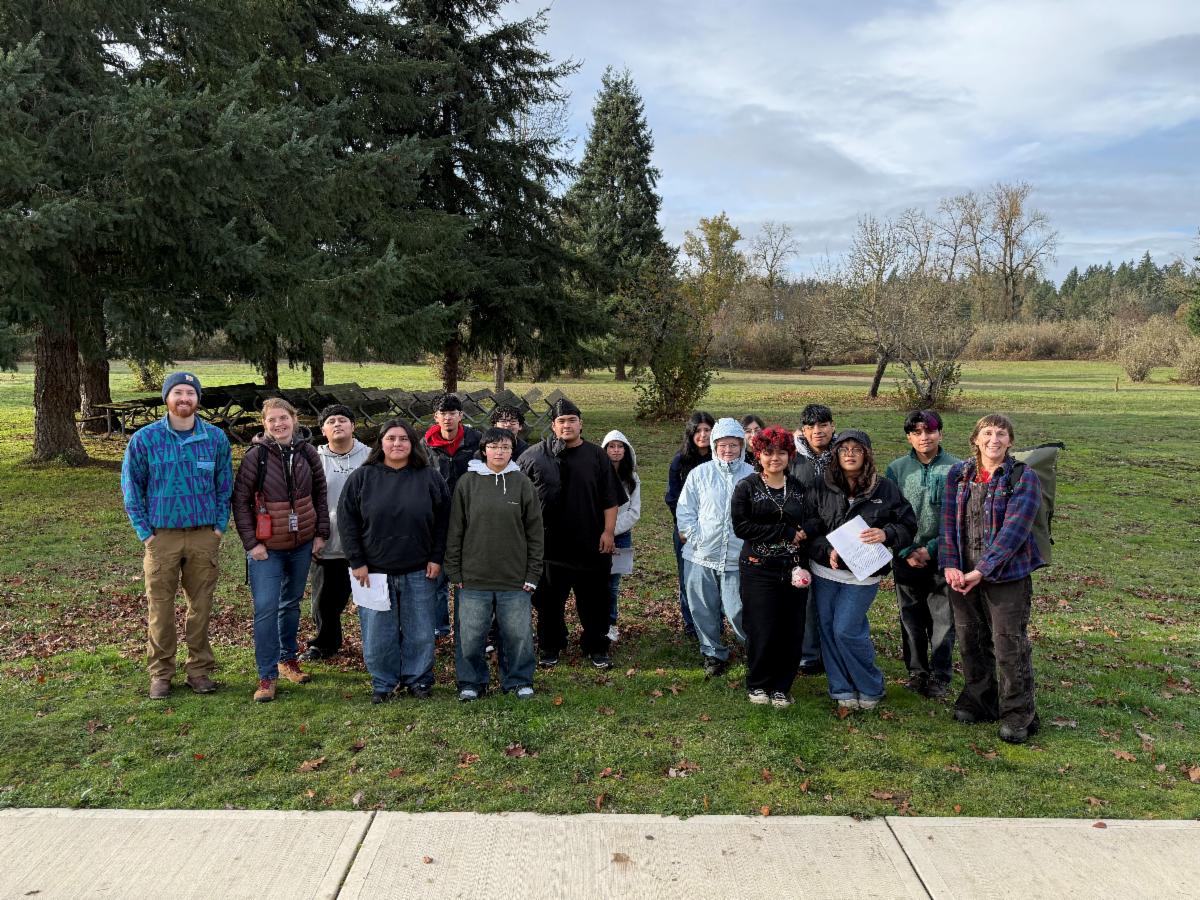
| | North Salem High School students with WRK restoration staff at the end of a service learning day at Willamette Mission. | | Later in November, students from North Salem High School joined us for a service learning day at Willamette Mission. Together, we explored the floodplain on a scavenger hunt, asking students to find and identify native plant species and key physical floodplain features around the park. Students also helped survey a portion of the project area for Oregon ash, collecting measurements that will help inform future management as emerald ash borer (EAB) moves in. It was a great day of connecting classroom learning with the living landscape of the Willamette. | | We are grateful to the volunteers who bundled up, pulled on waders, and helped give Wapato a head start in Mission Lake this fall, and to the students who came out to learn more about floodplain forests and share the story of their importance. We look forward to sharing more chances to get muddy for good in the year ahead. | | | | |