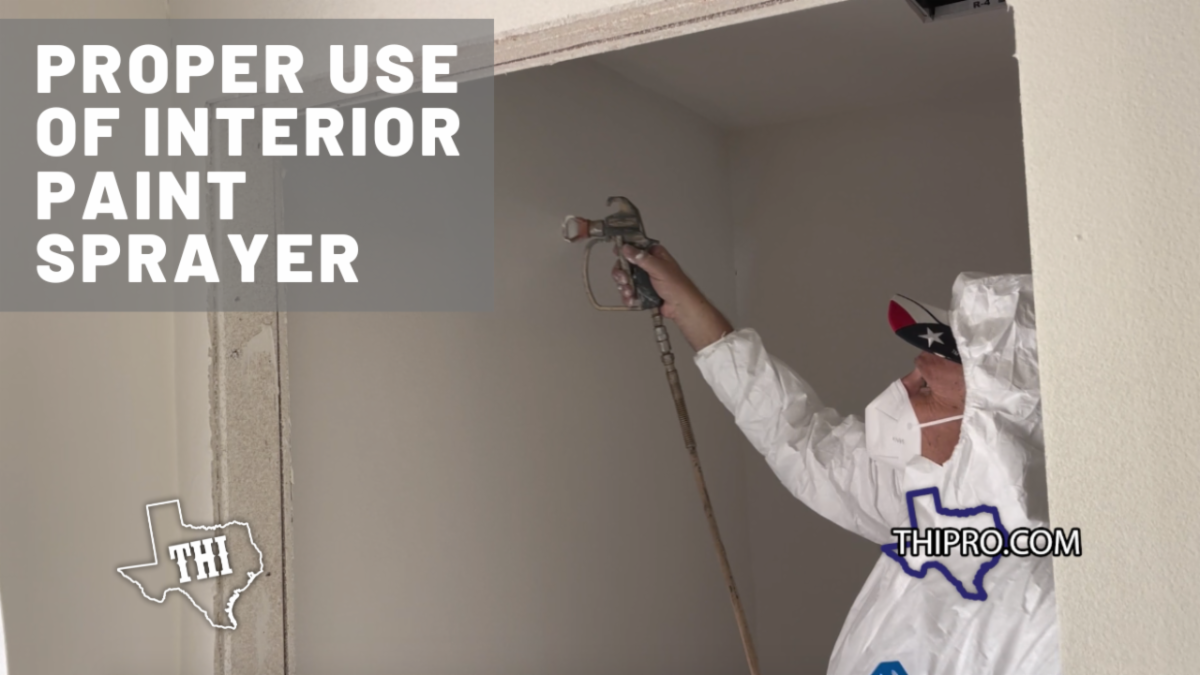
Painting is the perfect DIY project - low cost, big impact and no special expertise needed. Here are a few tips to help you get the best results.
Choose the right paint. When choosing paint for your indoor project, it is important to consider the surface you are painting, the desired finish, and the amount of wear and tear the surface will be subjected to. For example, if you are painting a high-traffic area like a hallway or kitchen, you will want to choose a paint that is durable and easy to clean. Especially when it comes to exterior paint Jim recommends splurging on the best available. High end paints will go on better and last much, much longer.
Prepare the surface. Before you start painting, it is important to prepare the surface by cleaning it thoroughly and removing any loose paint or debris. Using painter’s tape: There are several different types of painter’s tape each designed for different surfaces, so match the right tape for your job. The adhesives are all heat activated. When you put one along an edge keep it nice and tight. Then make sure you take your finger and rub all the way down rapidly, so you generate some heat to seal that bond; otherwise, the paint will actually leach underneath the tape. Once you are done with your painting, you need to make sure to remove that tape while the paint is still somewhat tacky. If you wait until it's totally dry (like a day or two) you are going to have a rough edge because some of the paint will come off with the tape. If it's still a little moist, you are going to have a nice clean edge.
Prime the surface. Primer soaks into the material and seals it providing a clean consistent surface ready for paint. Without a primer your paint will get absorbed into the surface. Sheetrock, for instance, has a paper on the outside of it, and will absorb the paint and change the sheen of your paint if you haven't sealed it with a primer first. Don't be fooled into buying a "primer-paint-in-one" thinking you can skip a step. That is only fine if the walls are already painted with a similar color. If you have a bright red wall and you are wanting to go back to a light color, use primer sealer on it first or you are going to repaint that wall several times.
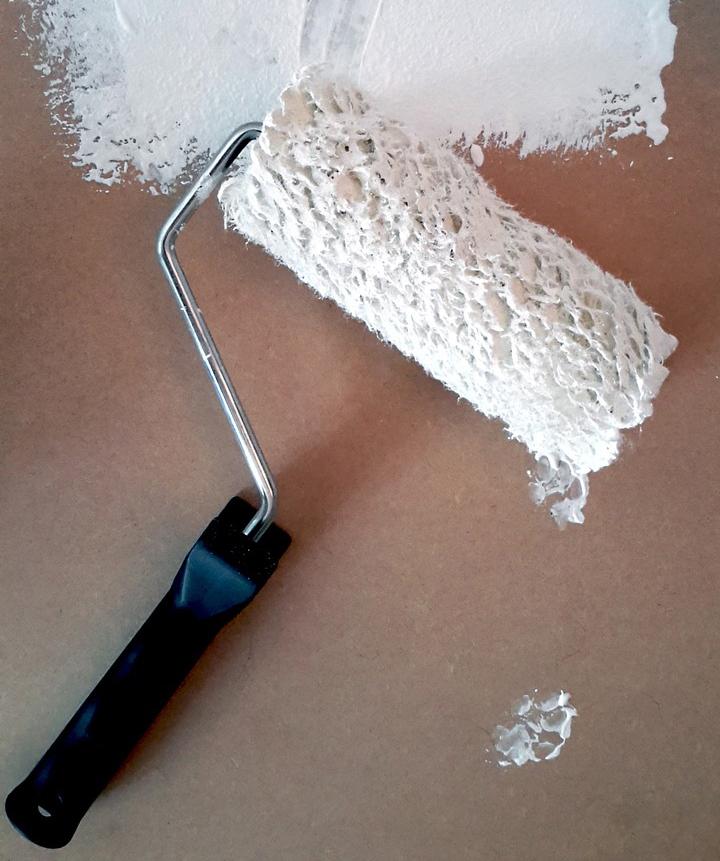
Apply the paint. When applying the paint, be sure to use a quality brush or roller (remember tools make the job) and apply even coats. When you are putting the paint on with a roller, apply it in up and down rolling strokes, and then come back and start at the top and pull everything down one row at a time in order to pull all the sheen in the same direction. Remember, if you are using a semi-gloss or a gloss, the glossier the finish the more important it is to pull the paint in the same direction with all your finished strokes.
Allow each coat to dry completely before applying the next coat.
And don’t forget to wear old clothes that you don't mind getting paint on. You should also wear gloves and a respirator to protect yourself from the fumes.