|
The Common Hackberry Tree:
A Worthy Native Tree for Your Landscape
By: Heidi James, Trees Virginia Board Member
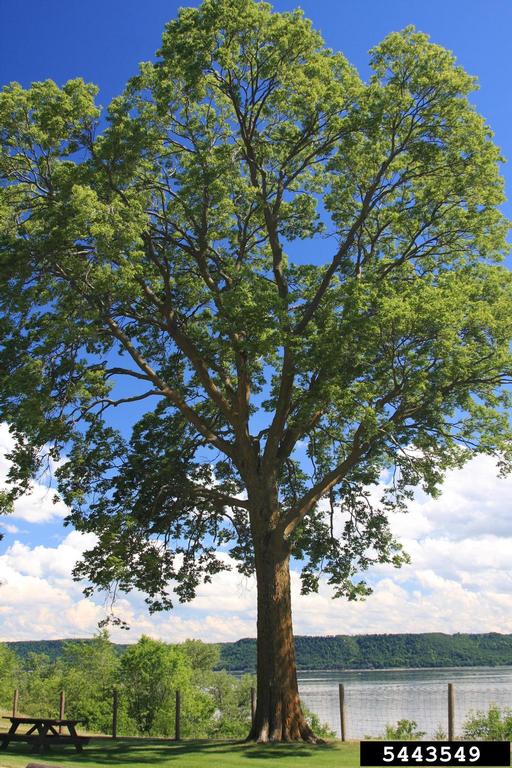
Photo of hackberry: Steven Katovich, Bugwood.org
With the surging interest in planting native species these days, it is a good time to look at the somewhat forgotten Hackberry tree, Celtis occidentalis. Native to Virginia, the hackberry has many attributes that make it worthy of consideration. It is an important piece of the biodiversity puzzle, serving as the host plant for dozens of species of butterflies, including the Question Mark, the American Snout and the Hackberry Emperor. It bears small, berry-like edible drupes in the fall (drupes are different from berries in that they have a single hard pit vs small seeds like a berry). The drupes are a great boon to native and migrating birds each fall and to other native wildlife when they fall to the ground. People can eat the drupes right off the tree and they are packed with vitamins and minerals.
The hackberry is a medium-sized tree reaching 50-70 feet tall and lives to 150-200 years.
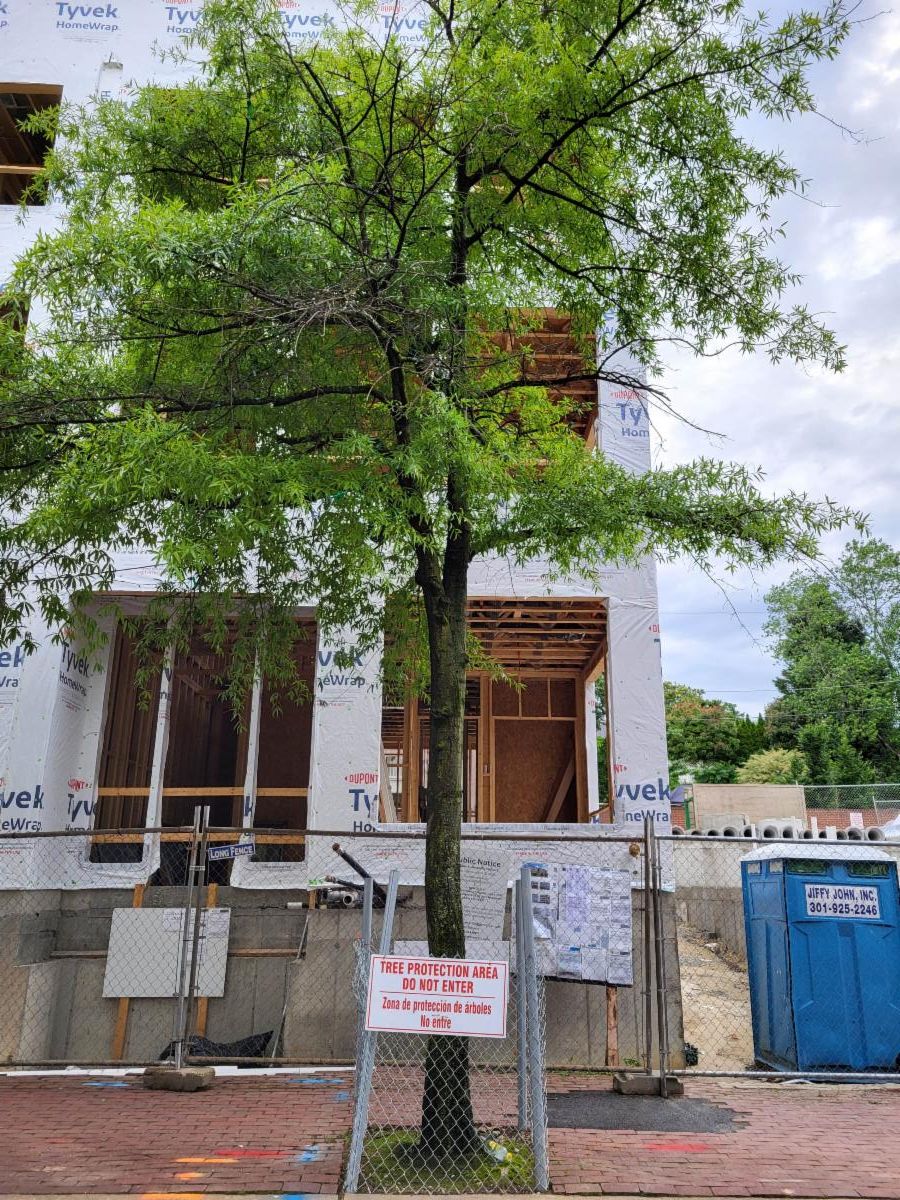
The leaves are pointed and serrated and the bark is warty and furrowed. It is great at controlling erosion and thrives in moist soil and full to part sun, but it does well in most conditions. It’s a low-maintenance tree, however any low-growing horizontal branches should be removed as the tree grows. It is generally free of diseases, except that it can develop “witches’ broom,” which is a thick cluster of twigs and leaves. These do not harm the tree and can be pruned out if found to be objectionable. Ask your local nursery if they carry this tree. Give it a try and enjoy the wildlife you will be supporting!
|