Alzheimer's Disease, Dementia and Brain Health Newsletter


September 2026

3rd Annual Vermont Dementia and Brain Health Symposium

Friday, November 6, 2026

8:00 a.m. – 3:30 p.m.

Waterbury State Office Complex

280 State Drive

Waterbury, VT

Thanks for saving the date! Now it's time to register!

Choose In-Person Attendee if you're joining us in Waterbury, or Virtual Attendee if you'd like to watch the livestreamed morning sessions (9 a.m. to noon).

If you're joining virtually, registering is the only way we can get the livestream link to you.

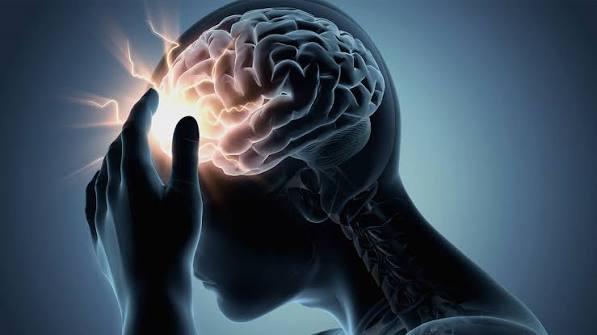
Plant-Based Diets: Can They Help Migraine Headaches?


Clinical evidence suggests that healthful plant-based diets possess valid therapeutic potential for reducing the frequency, duration and pain of migraine headaches. A landmark crossover trial published in the Journal of Headache and Pain demonstrated that a low-fat vegan diet significantly lowered maximum headache intensity and decreased the overall need for pain medications.

Physiologically, these diets function by eliminating common inflammatory such as meat and dairy while supplying high levels of magnesium and antioxidants. Additionally, whole-food plant-based eating patterns help mitigate migraine risk factors by stabilizing blood sugar, promoting weight loss, and regulating hormonal fluctuations. However, medical experts emphasize that "unhealthful" plant-based diets rich in refined grains or highly processed vegan proteins can inadvertently trigger headaches due to elevated levels of processed glutamates.

Tender moment between a young male caregiver and his grandfather.

Self Care for the Caregiver


On an airplane, an oxygen mask descends in front of you. What do you do? As we all know, the first rule is to put on your own oxygen mask before you assist anyone else. According to the Family Caregiver Alliance, only when we first help ourselves can we effectively help others. Caring for yourself is one of the most important and one of the most often forgotten things you can do as a caregiver. When your needs are taken care of, the person you care for will benefit, too.

Young girl begins traversing a cable bridge

9 Recent Breakthroughs in the Fight Against Alzheimer’s Disease


Scientists are achieving significant breakthroughs in detecting, treating and managing Alzheimer's disease by developing novel medications that slow its progression and introducing simple blood tests for earlier detection. Additionally, researchers are employing artificial intelligence to analyze health data and predict the onset of symptoms years in advance, while testing advanced interventions such as brain implants and energy-regulation therapies. To learn more, click the button below to access this article on the World Economic Forum website.

Alzheimer's stages: How the Disease Progresses


Alzheimer's disease tends to develop slowly and gradually worsen over several years. Eventually, Alzheimer's disease affects most areas of the brain. Memory, thinking, judgment, language, problem-solving, personality and movement all can be affected by the disease.

There are generally five stages associated with Alzheimer's disease:


  • Preclinical Alzheimer's disease.
  • Mild cognitive impairment due to Alzheimer's disease.
  • Mild dementia due to Alzheimer's disease.
  • Moderate dementia due to Alzheimer's disease.
  • Severe dementia due to Alzheimer's disease.

Dementia is a term used to describe a group of symptoms that affect intellectual and social abilities enough to interfere with daily activity.

The five Alzheimer's stages can help you understand what might happen. But it's important to know that stages are only rough generalizations. The disease is a continuous process. Each person has a different experience with Alzheimer's and its symptoms.

Two women bicycling


Medication and Treatment Options for Parkinson's Disease


Parkinson's disease cannot be cured yet, but several treatments can help manage its symptoms. Doctors often prescribe special medicines, procedures or therapies that help the brain control body movements more smoothly. Individuals living with Parkinson's may also use physical therapy and/or a regular exercise regimen to maintain aerobic fitness, strength, balance, and flexibility. While available therapies can treat some symptoms, people with Parkinson's urgently need better treatments to improve quality of life and slow or stop disease progression.

Silhouette of a person with brain illuminated

Acquired Brain Injury and Dementia Risk


Acquired brain injury (ABI), specifically traumatic brain injury (TBI), has officially been designated by the World Health Organization as a major modifiable risk factor for dementia. Large-scale population studies show that individuals surviving a brain injury are up to four times more likely to develop early-onset dementia compared to those without head trauma. Clinical data reveals a clear, indicating that moderate-to-severe injuries or recurrent concussions significantly accelerate cognitive decline and elevate the long-term risk of developing Alzheimer's disease. Brain injuries can disrupt the blood-brain barrier and trigger prolonged inflammation. This disruption leads to the progressive accumulation of misfolded proteins, specifically amyloid-beta plaques and tau tangles, mimicking classic hallmarks of Alzheimer's. Additionally, recent cohort studies confirm that sustaining an injury in mid-to-late life severely compromises the brain's cognitive reserve, causing dementia symptoms to manifest years earlier than expected. For further information, click the button below.

Did someone share this email with you? Sign-up to subscribe to this newsletter.


Alzheimer's Disease and Healthy Aging Program

September 2026