|
How can I build better communication between engineering and CAM?
Most CAM headaches are not toolpath problems, they are information problems. Missing datums, unclear tolerances, last-minute revisions, and design features that are hard to fixture all turn into wasted programming time and shop-floor rework. Better communication between engineering and CAM is about creating a shared definition of “ready to run,” and a feedback loop that improves every release.
Start with a clear handoff package.
Engineering should deliver more than a solid model. At minimum, include revision level, critical datums, material and condition, tolerance intent, surface finish requirements, and any features that cannot move. If the programmer has to guess what matters, the toolpath will reflect that.
Standardize datum and coordinate system conventions.
Agree on how parts are oriented and how datums are called out. If engineering references one datum scheme and the shop sets up to another, you get offsets, rework, and inspection confusion. A consistent coordinate convention makes setups faster and reduces questions.
Make manufacturability reviews routine.
A short CAM review early can prevent major redesign later. Look for thin walls, deep pockets, sharp inside corners, inaccessible radii, and features that force long tools. Small design tweaks, like adding a radius or moving a fillet, can cut cycle time and improve tool life without changing function.
Define critical features and inspection strategy up front.
CAM needs to know which dimensions are functional and which are cosmetic. When the team agrees on what must hold size and what can float, programming and inspection become more efficient. This also reduces over-processing surfaces that do not need it.
Control revisions with a single source of truth.
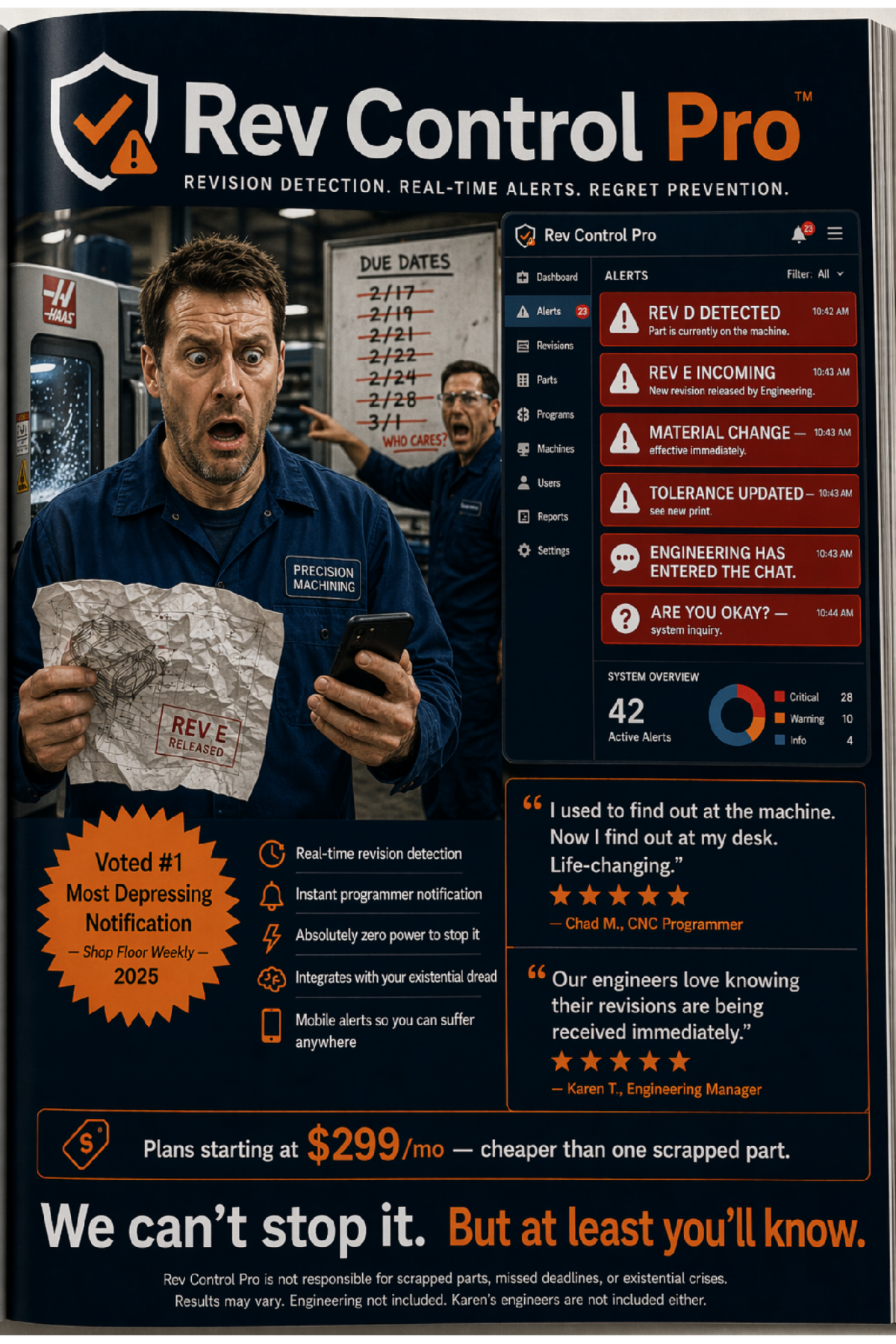
Nothing breaks trust like machining the wrong revision. Use a clear revision naming rule, a consistent file location, and a simple change notice that tells CAM what changed. If changes are frequent, a short summary of “what moved” saves hours.
Create a feedback loop from the shop floor.
If a feature is consistently hard to hit, or a tolerance is unrealistic for the process, that should go back to engineering with specifics. Provide a short note: what happened, why it happened, and what change would help. The goal is learning, not blame.
Use common language and visuals.
A quick screenshot with a highlighted datum, a clamp zone, or a problem feature is often better than a long email. Keep communication concrete: locations, dimensions, and intent. Avoid vague direction like “make it easier to machine.”
Assign points of contact and regular touchpoints.
Communication improves when both sides know who to ask, and when questions are expected, not disruptive. A short weekly check-in on upcoming jobs, current issues, and repeat problems keeps things moving and builds trust.
Bottom line:
Better engineering to CAM communication comes from consistent inputs, shared datums, controlled revisions, and an early manufacturability loop. When both sides agree on what matters and what is ready, programming gets faster and parts get better.
Have a programming question?
Send it in for the next edition of Ask a CAM Pro!
|