JANUARY 2026 | VOL 1

HOME

FOUNDATION

ABOUT US


A SECOND CHANCE AT SIGHT

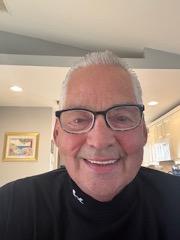
Thomas Giliberti

Thomas began using Beauty of Sight's Serum Tears in 2021. Since then, his corneal surface has improved significantly. In 2005, he developed shingles on his head, which then attacked his cornea. Despite multiple treatments that provided only temporary relief, flare-ups from the dormant shingles virus continued to affect his eyesight. It wasn't until he received the shingles vaccine that he finally experienced real relief.


In 2012, cataract surgery led to more complications, and in 2017, gallbladder surgery caused his right cornea to deteriorate further. At one point, he was told the only option was to have his eye stitched closed for the rest of his life.


A second opinion at Bascom Palmer changed everything. There, he was fitted with a contact lens and introduced to Beauty of Sight's Serum Tears. Today, his right-eye vision is 20/40 with a contact lens, and his follow-up appointments have decreased from every four months to every eight months.


Serum Tears from Beauty of Sight have given Thomas improved vision and renewed hope.


Serum Tears are a customized ophthalmic biological therapy, prescribed by a licensed optometrist or ophthalmologist, and prepared using a patient's own serum to support ocular surface healing and relieve severe dry eye symptoms.


For more information, contact Beauty of Sight at 305.482.4925 or email ased@fleb.miami.edu

JANUARY IS GLAUCOMA AWARENESS MONTH

THE SILENT THIEF OF SIGHT

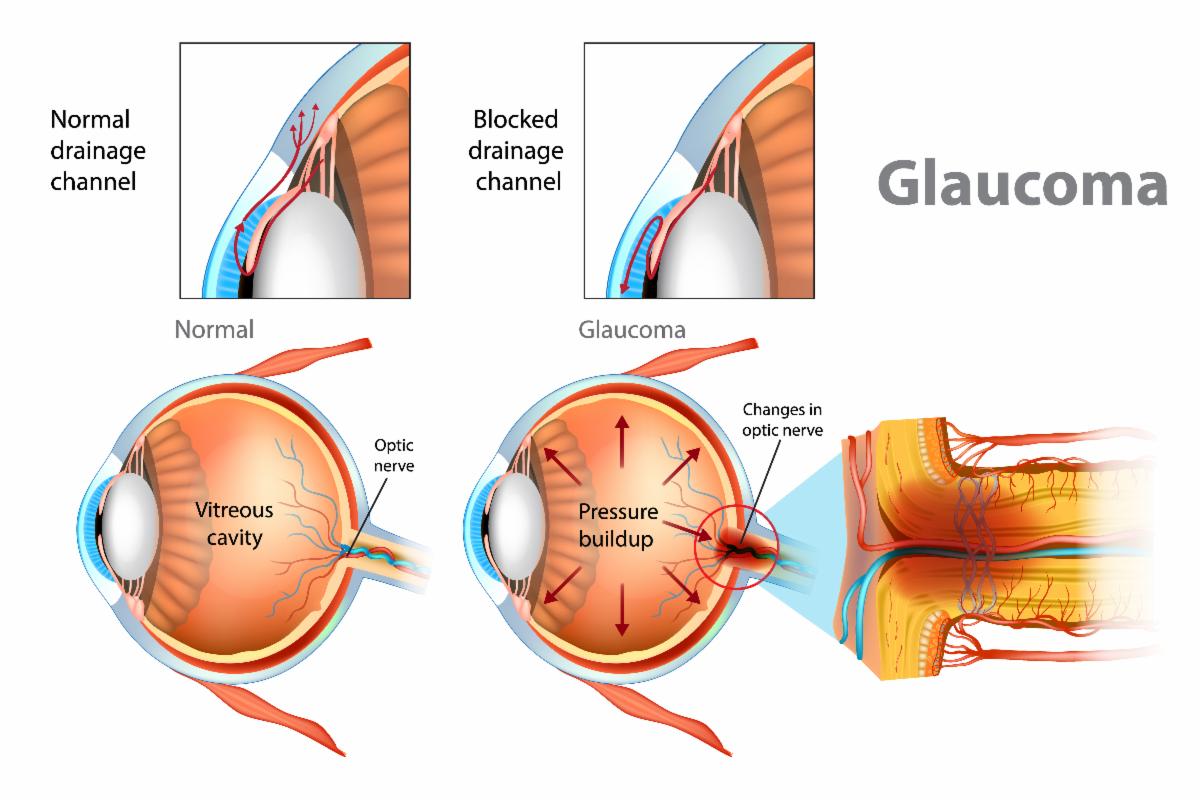
Glaucoma is a group of eye diseases that damage the optic nerve, the critical connection between the eye and the brain. It often develops slowly and without noticeable symptoms. It is known as the “silent thief of sight” and is a leading cause of irreversible blindness. In its early stages, glaucoma usually affects peripheral (side) vision, making it easy to miss. As the disease progresses, vision loss becomes more severe and can lead to blindness if left untreated. Since glaucoma-related damage is permanent, early detection is essential to preserving vision.


Common Types of Glaucoma:

  • Primary Open-Angle Glaucoma: The most common form, developing gradually as fluid pressure builds in the eye.
  • Angle-Closure Glaucoma: Less common but more severe, often occurring suddenly and requiring immediate medical attention.
  • Normal-Tension Glaucoma: Optic nerve damage occurs even though eye pressure remains within normal range.
  • Congenital Glaucoma: A rare condition present at birth or early childhood.


Risk Factors Include:

  • Family history of glaucoma.
  • Age 60 and older (earlier for some ethnic groups).
  • African American, Hispanic, or Asian descent.
  • Elevated eye pressure.
  • Diabetes, high blood pressure, or heart disease.
  • Long-term steroid use.


While there is no cure, early diagnosis and treatment can help slow or prevent further vision loss. Comprehensive dilated eye exams are the most effective way to detect glaucoma before symptoms appear.


The Takeaway:

Glaucoma doesn’t have to steal sight. Awareness and routine eye care can make all the difference. If you or a loved one may be at risk, schedule a comprehensive eye exam and take a proactive step toward protecting vision for life.


Facebook  Linkedin  Instagram