March 7, 2026

Welcome to Gardeners' Dirt Newsletter, a new email publication of Victoria County Master Gardener Association. Feel welcome to forward our newsletter to all your gardening friends with the request that they sign up for future issues of the newsletter. Click the link 'Sign up for Gardeners' Dirt' which appears about the middle of this email.

Contents of this Issue

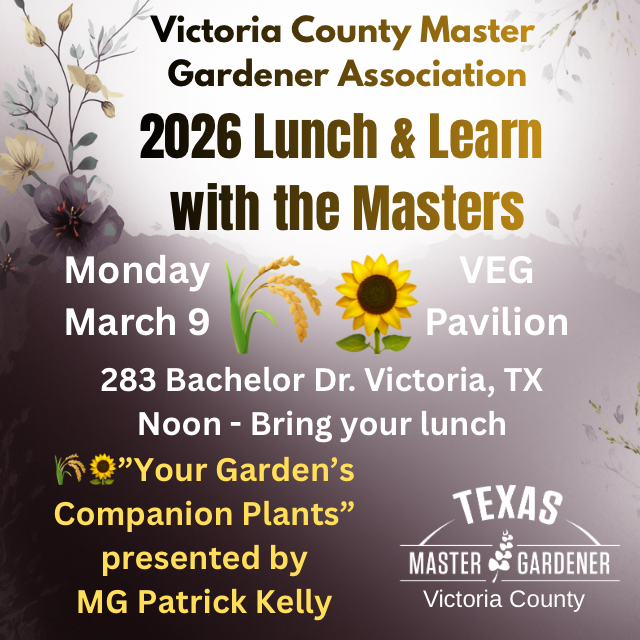
  • Lunch and Learn with the Masters - Monday, March 9
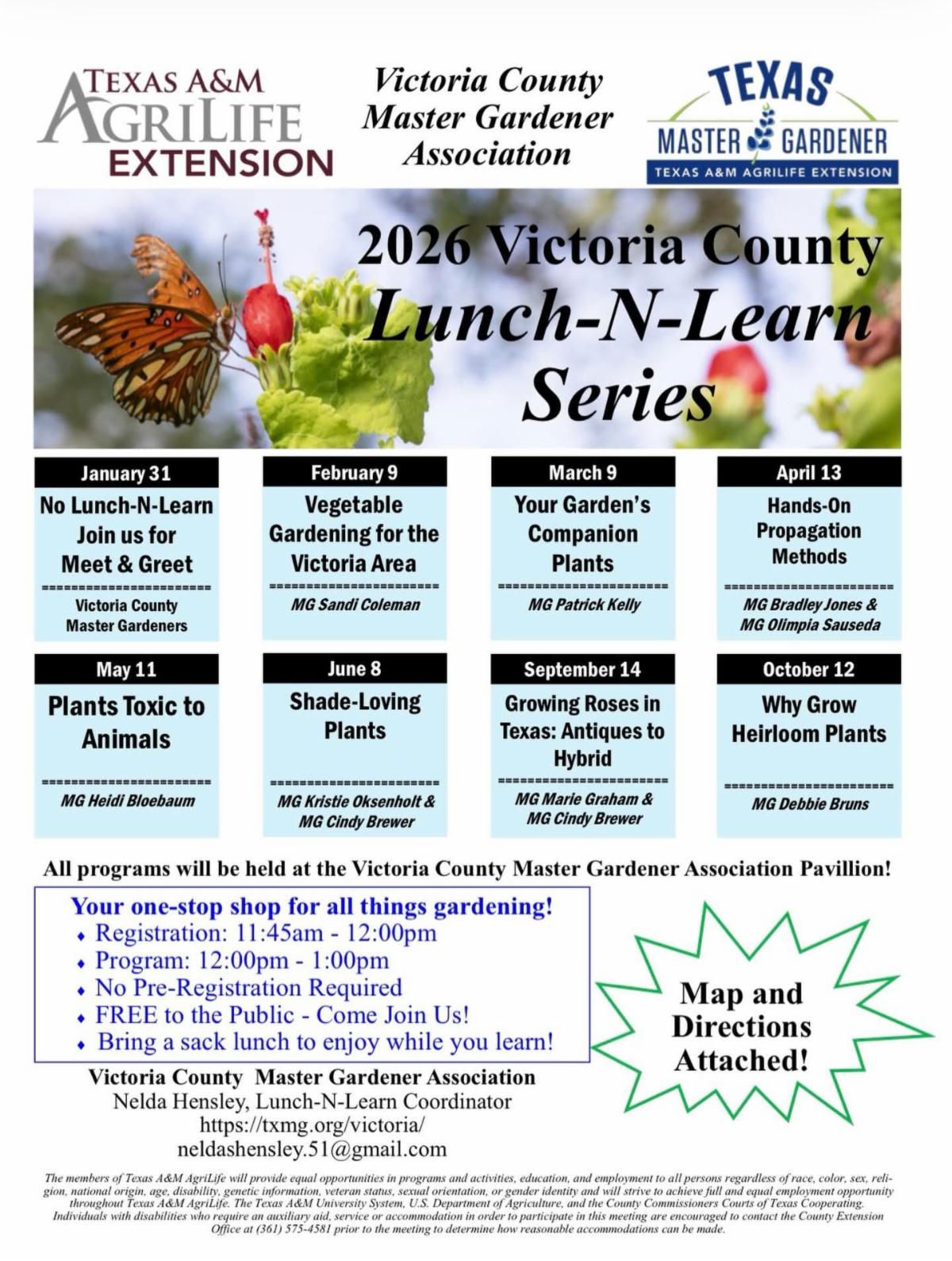
  • Lunch & Learn Schedule 2026
  • Spring Plant Sale - March 21
  • Mexican Flame Vine
  • All gardeners and friends are invited to sign up for The Gardeners' Dirt, our new monthly newsletter - Learn more about gardening and keep up to date on our events
  • Pruning with a Purpose: Tending to Roses is not a Random Practice - Charlie Neumeyer
  • Video - Rose Pruning in Texas - Aggie Horticulture
  • Video - What's Going on with Pruning Roses - Aggie Horticulture
  • Come Visit the Best Kept Secret in Town - VEG Garden Tours
  • VCMGA Speakers Bureau
  • VEG Mix Pics by Brynn
  • Summer Kids Camp
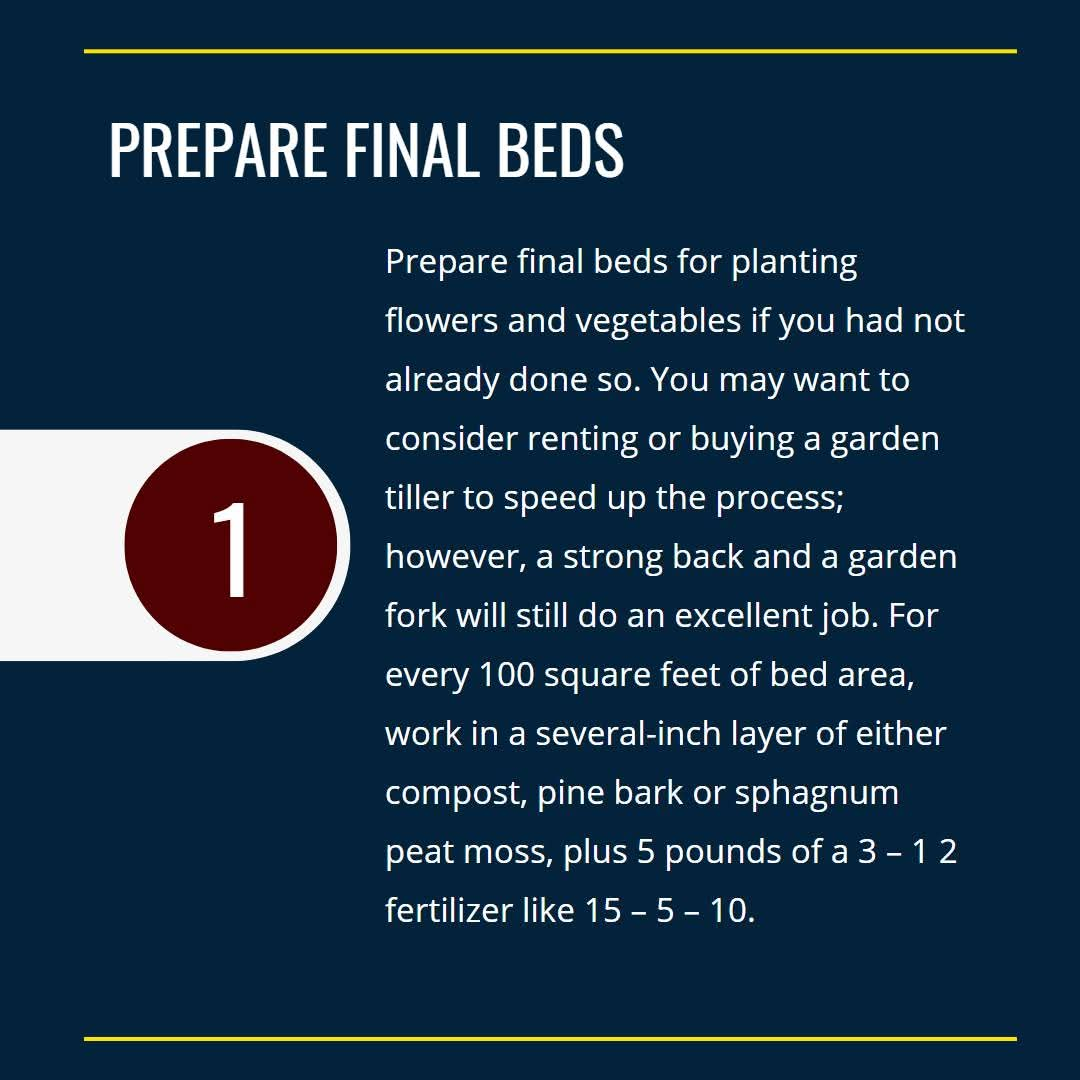
  • March Garden Checklist - Texas A&M AgriLife Extension
  • Potatoes for the Victoria Area - Sandi Coleman
  • Benefits of Heirloom Plants - Kristine Oksenholt
  • Parlor Palm - Suzanne LaBrecque 
  • 2026 Lunch & Learn with the Masters Series
  • All about daylilies at Victoria Educational Gardens (VEG)
  • Gardeners' Dirt Archives
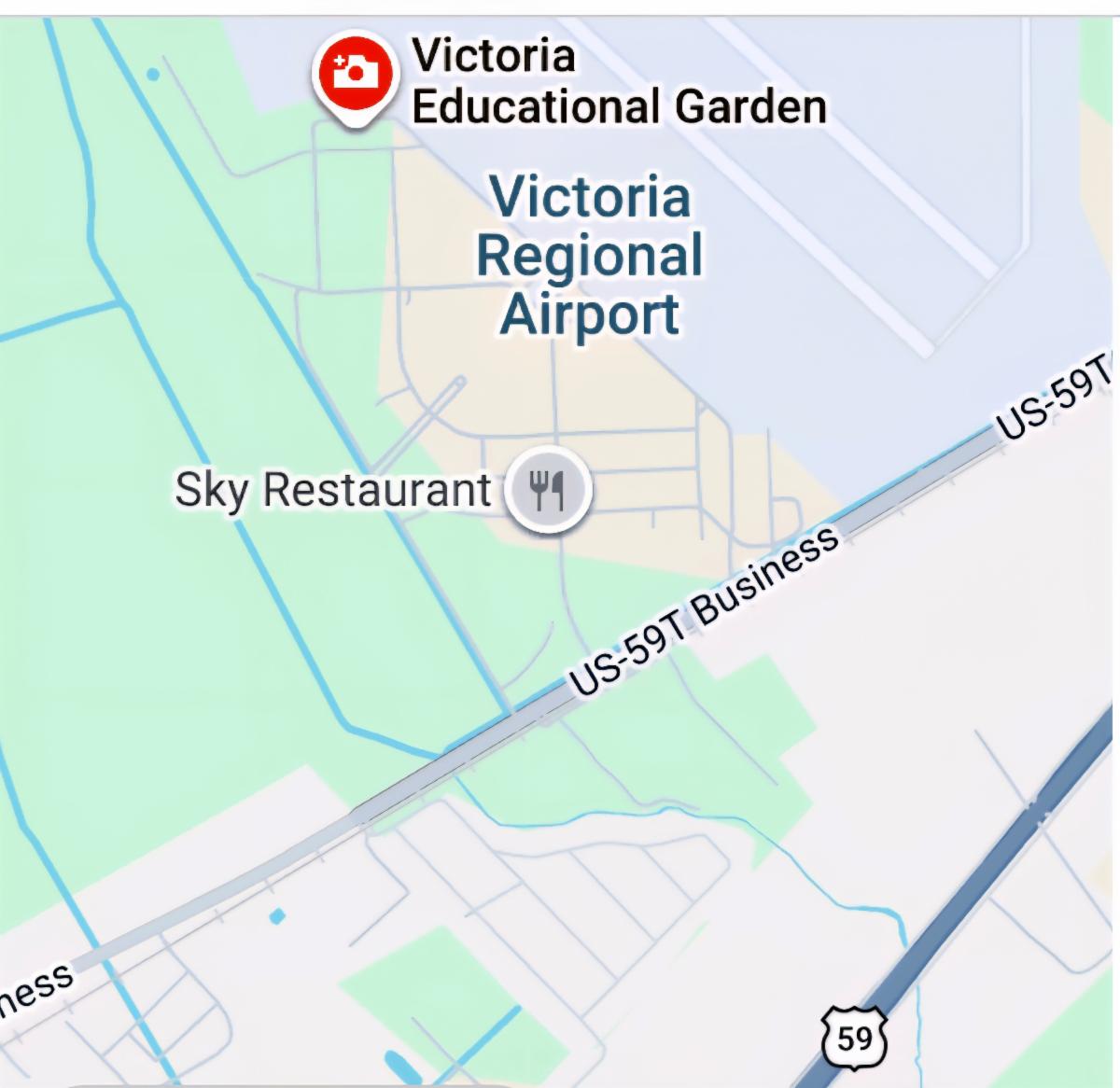
  • Map - Victoria Educational Gardens and VEG Pavilion
  • Victoria County Master Gardener Association Officers
  • Contact information for Gardeners' Dirt

See map for Victoria Educational Gardens (VEG) and VEG Pavilion at the end of this newsletter, plus future Lunch & Learn programs.

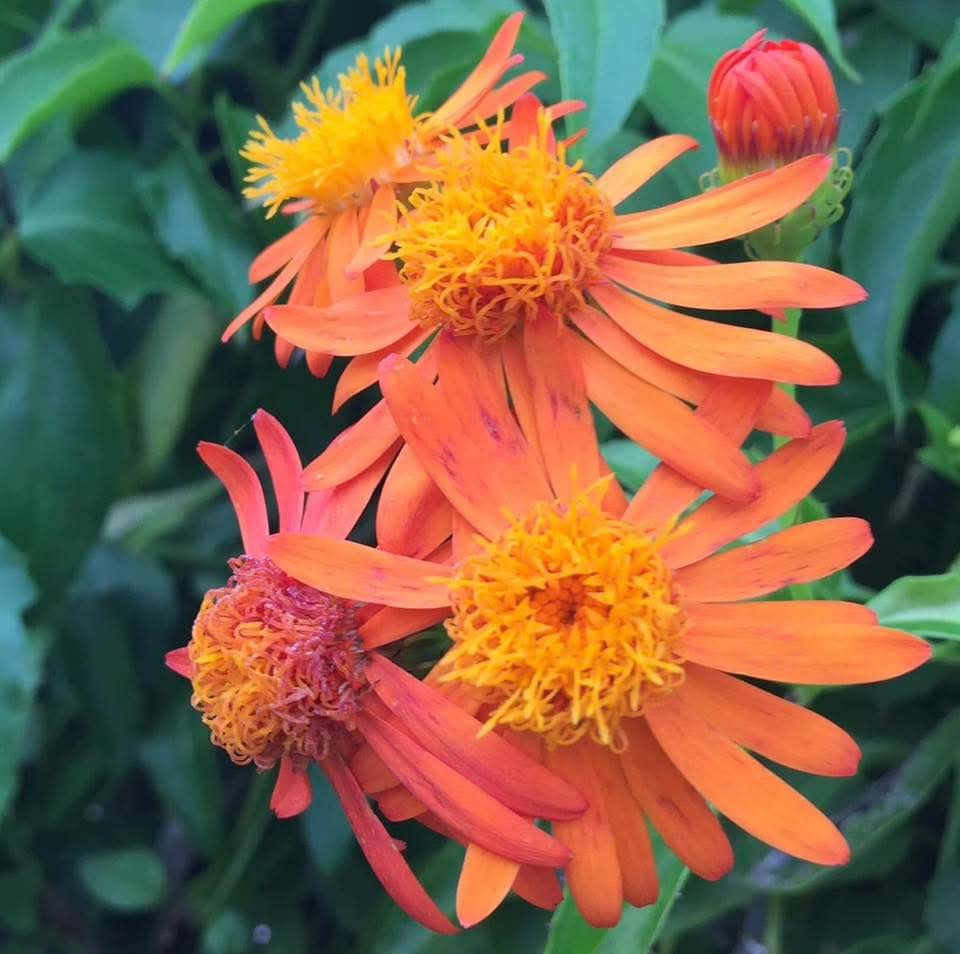
Mexican Flame Vine

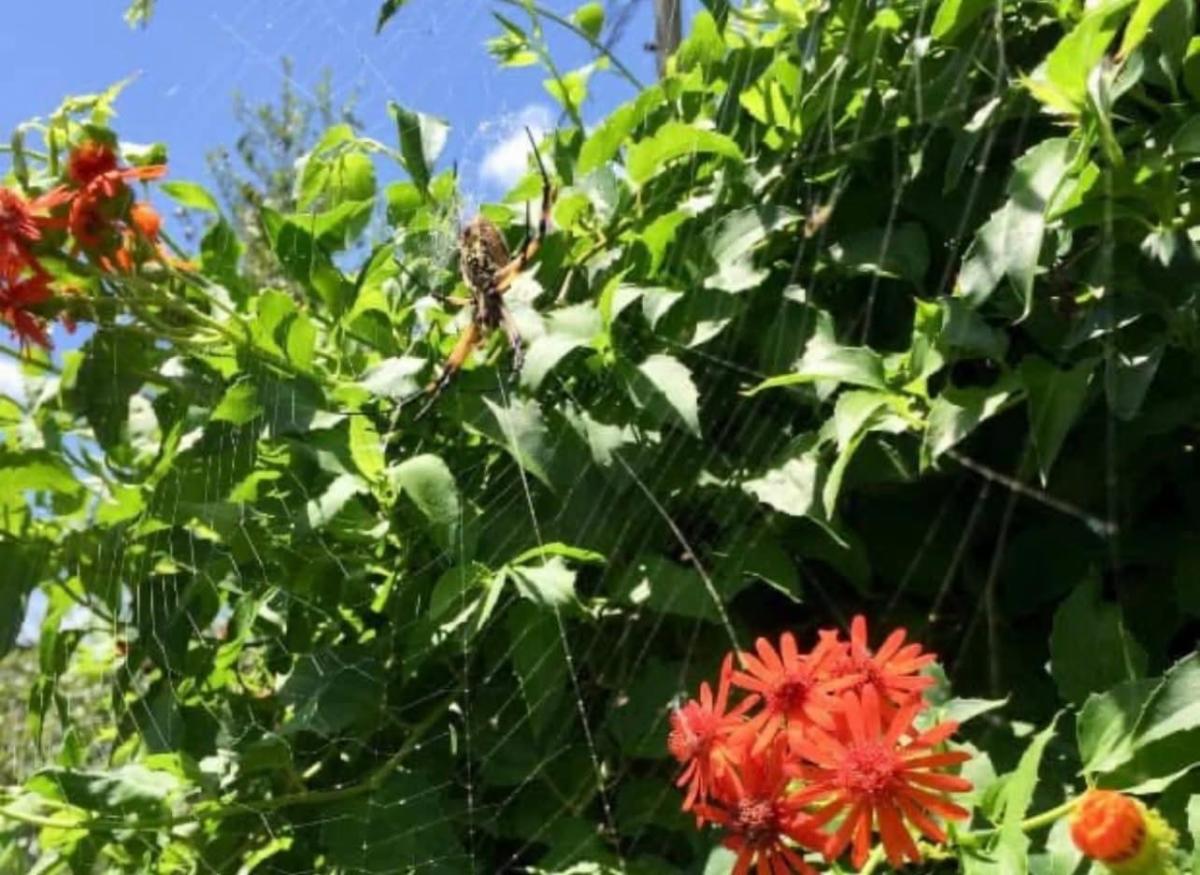
VCMGA 2026 Plant Sale will feature this beautiful Mexican Flame Vine on March 21, 2026. I keep wanting to elevate this plant to superstar status in Victoria. It’s native to Mexico. Central Texas Gardener says this:

“Mexican Flame Vine

Senecio confusus

Mexican flame vine grows quickly in warm weather, producing brilliant orange flowers that Monarch butterflies and countless pollinators can’t resist.

Mexican flame vine may be evergreen and bloom all year in warm winters and in zones 9 and above, but tends to be an annual in zone 8 and colder. Even if it has to be replaced each year, this plant is well worth the effort for its wildlife benefit and showy flowers.

It must have a trellis or some other support, since it quickly grows to 10 to 12’ tall and about 2’ wide.”

Come shop with us and we can help you make your landscape butterfly and pollinator friendly. 

Photos taken by Pat P. at Victoria Educational Gardens.                    Nancy K

An Invitation to receive

'Gardeners' Dirt Newsletter' in your Email

All gardeners and friends are invited to subscribe (free, of course) to Gardeners' Dirt Newsletter, a publication of Victoria County Master Gardener Association. You will receive educational gardening information and notification of VCMGA events and activities. (A note to members, you are already on the list, so you do not need to sign up again, but please forward your Gardeners' Dirt Newsletter to friends so they may sign up.)

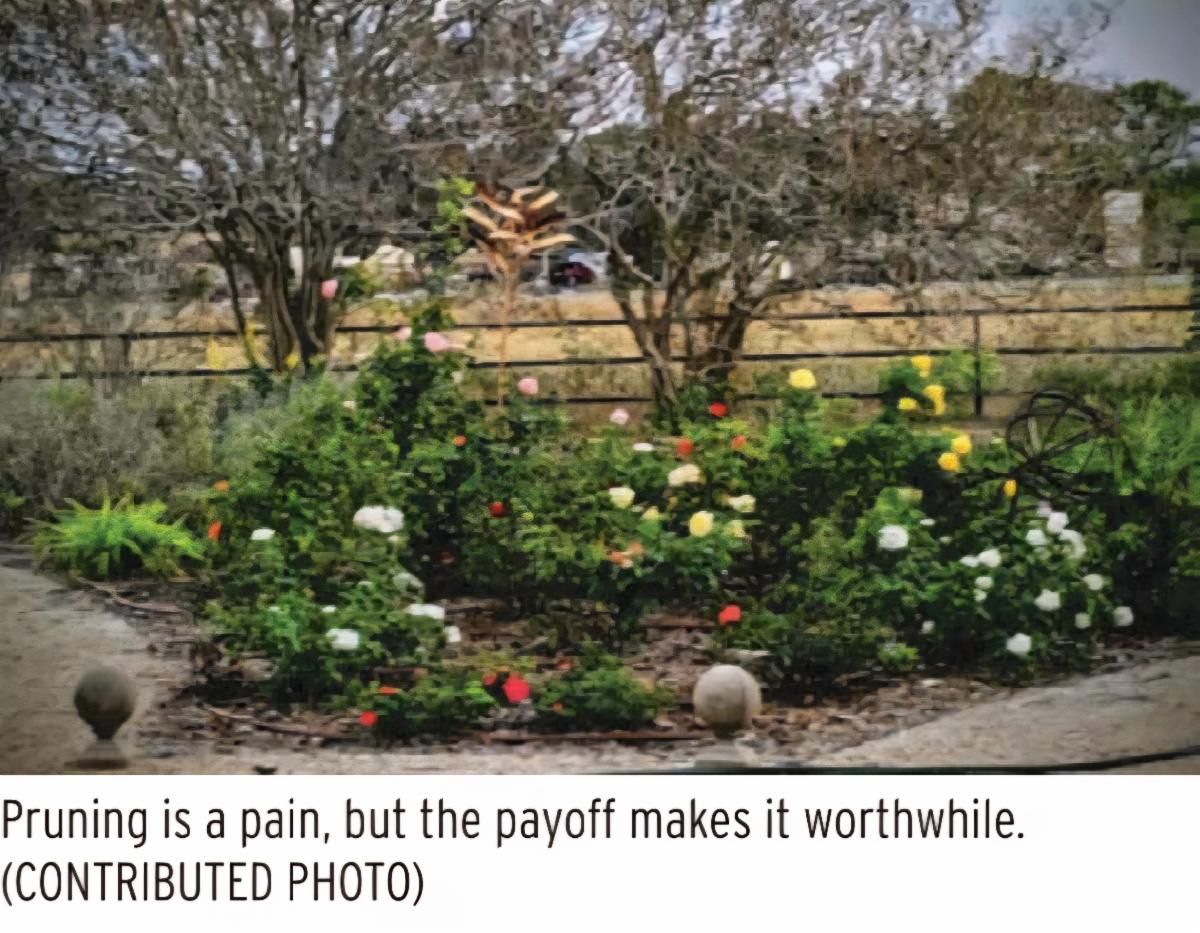
PRUNING WITH A PURPOSE: 

Tending to Roses is

NOT a Random Practice

by Charlie Neumeyer/Victoria County Master Gardener

February 28, 2026


According to The Society of American Florist, roses, especially red roses, are the most requested flower order for Valentine’s Day.  But for gardeners, there is another association between roses and Valentine’s Day and that is maintenance. 


Why February? 

February can be one of our coldest and dreariest months and that generally makes for an unpleasant gardening experience. However, shrub roses at this time of the year, while not dormant, are unlikely to be actively growing making it the best time to prune. Gardeners need to remove old growth before the plant expends energy on new growth.


Shrub Roses vs Climbers  


These two types of roses have different pruning needs, so let’s look at the shrub/bush roses first. 


What are the Main Reasons to Prune Shrub Roses? 

Basically, there are four reasons to prune roses (or any other plants for that matter): 

  1.  To stimulate new growth.  Roses bloom on new growth and pruning will encourage buds/nodes on the stems to produce this growth. 
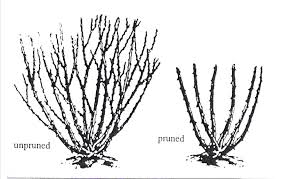
  2. To control the size and shape of the bush.  Remove a third to a half of the length of the stems. Depending on the size, you should end up with an18-to- 24-inch shrub.  A vase shape is preferable with an open center which will encourage air circulation to help prevent black mildew.  


Because of their compact size, Drift Roses should be cut back to a 6-to-8-inch plant. 

  1. To remove any dead or diseased wood.  In addition to the dead wood, Joseph Johnson, Program Manager of The Gardens at Texas A&M University, also suggests removing the old growth that has a dark brown bark on it in favor of keeping the bright green stems. 
  2. To remove crossing limbs and spindly limbs.  Generally, if the limbs are rubbing against each other you have to choose one, preferably one that is growing to the outside of the plant over the one growing inward.  Any stem that is less than pencil size should also be removed.   


Aggie Horticulture recommends that each bush should have only three to eight main, healthy stems left after the pruning. I personally rarely succeed at this task. 


Climbing Roses  

  1.  Timing.  Climbing roses that only bloom once should be pruned after the main blooming period, so early summer or June would be the best time.  The repeat bloomers should be pruned at the same time as the bush roses. 
  2. Focus.  Concentrate on the side shoots, not the main structural canes. The New York Botanical Gardens notes that climbing roses generally receive a light pruning on the lateral stems but try to leave three to four nodes on each.   The plant will bloom on these new shoots that come from these nodes.  As to the structural branches, the goal is to train them by tying or weaving them along the fence or other support. 
  3. Structure: If the plant is sprouting new stems from the base, you should start training them to become part of the plant’s structural skeleton. 


Commonalities 

No matter what type of rose you are pruning, there are several common practices that apply to all. 

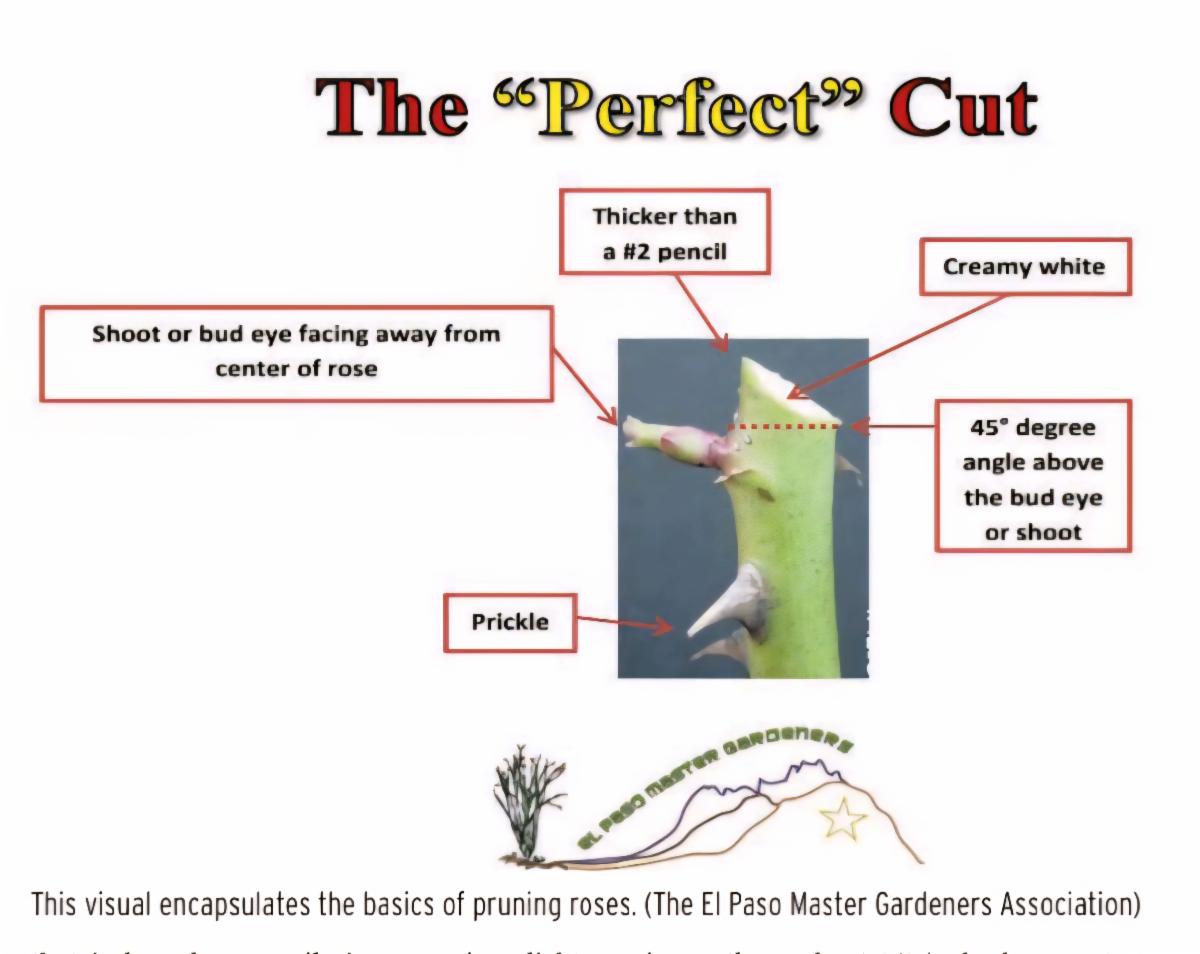
  1. Make the cut at an angle about 3/8 inch above a stem node. Generally, choose a node facing outward and one that will not produce a shoot that will cross over another stem.  
  2. Use bypass pruning shears or loppers that are sharp so that you don’t mangle the stem.  
  3. Sterilize your equipment prior to and periodically during the pruning session. 


There is an excellent video by Joseph Johnson, Texas A&M AgriLife, entitled “Rose Pruning in Texas: Maximizing Bloom Production.”  It was very helpful and helped me to do a better pruning job this year.  But it still wasn’t fun. 


Some of VCMGA speaker bureau programs presented in February 2026

Feb. 3 - Victoria Public Library - Carla Rodriguez- Getting your garden ready for spring planting

Feb. 7 - Equipping the Saints at Trinity Lutheran Church

Composting / David Hensley

Native Plants/ Cathy Koenig

Beneficial Insects/ Marcia Kauffman

Feb. 17 - Victoria Garden Club- Phyllis Elmore - topic TBA

Feb. 19 - Hallettsville Garden Club - Succulents

Feb 24 - Goliad Garden Club – Pollinators - Cindy Brewer

VEG Mix Pix by Brynn

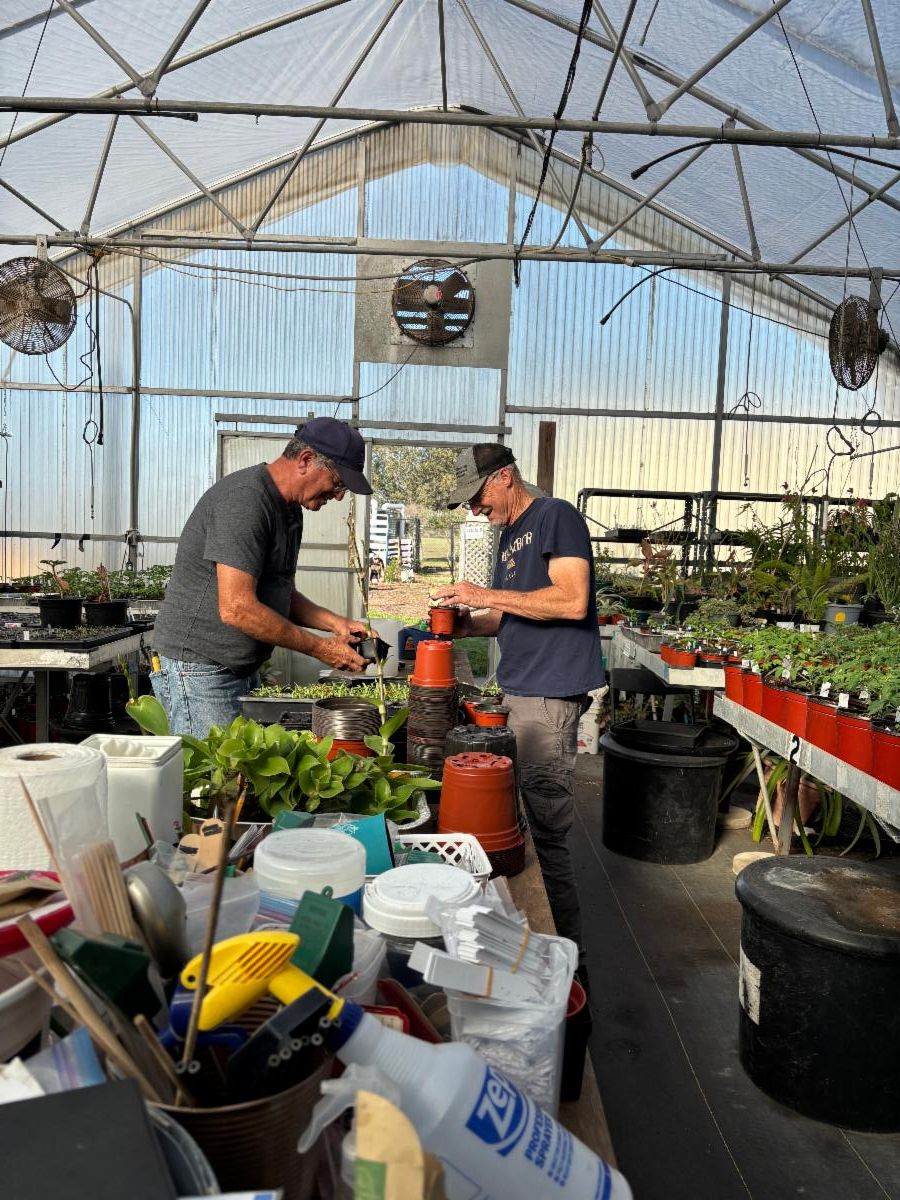
Interns Gary and Ralph getting their hands dirty up-potting plants in greenhouse;


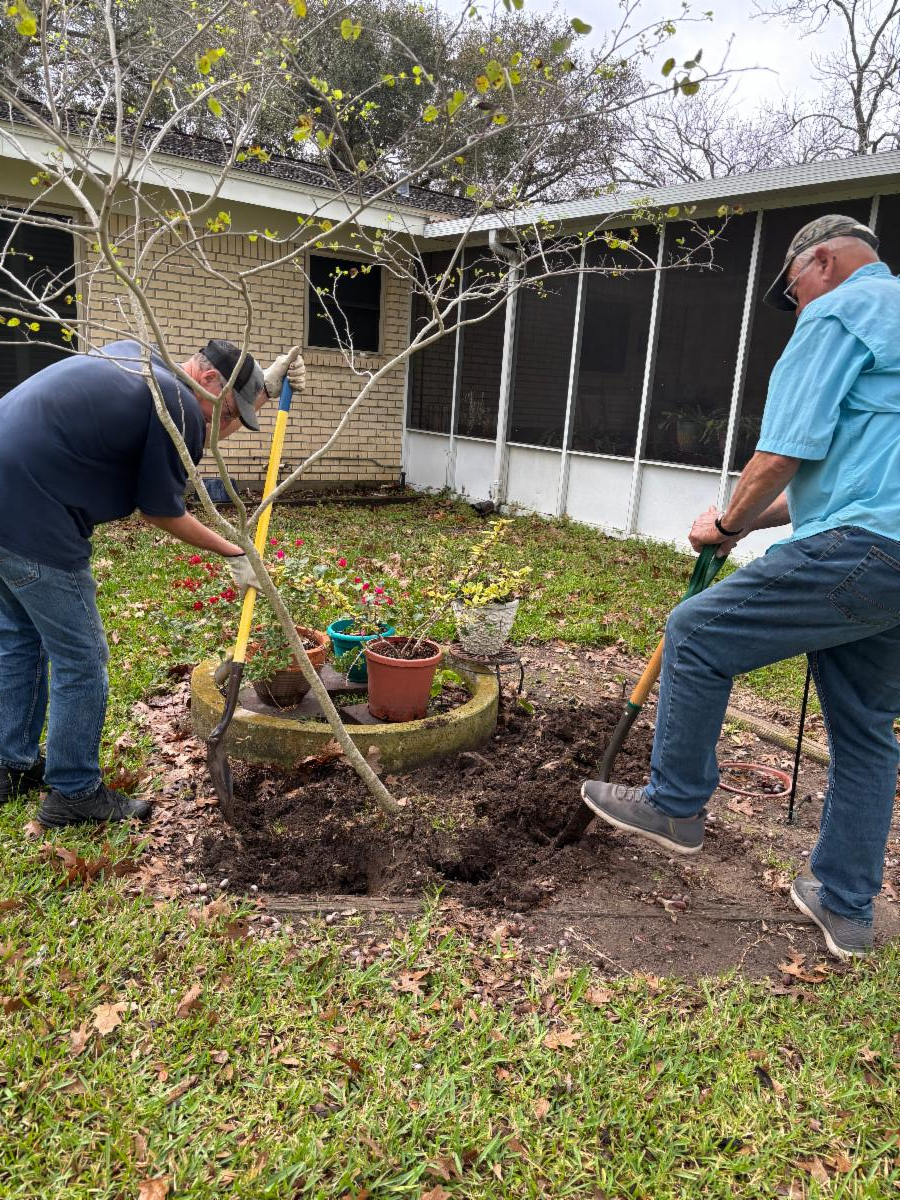
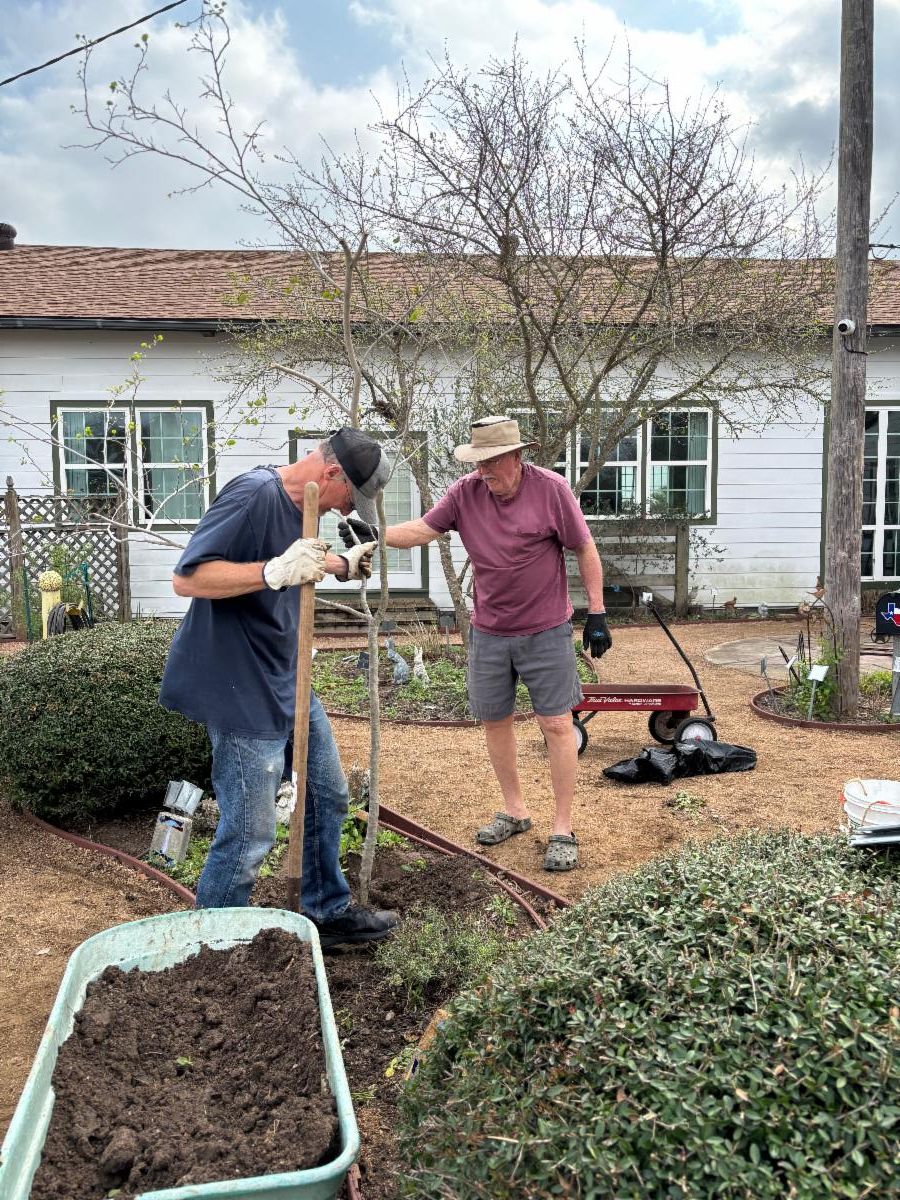
Intern Gary and Brynn (not pictured) digging up orchid tree at the home of retired Master Gardener Gerald B.


Gary and Michael, with the guidance of Olivia, plant the orchid tree in its new home in the Native area in VEG!


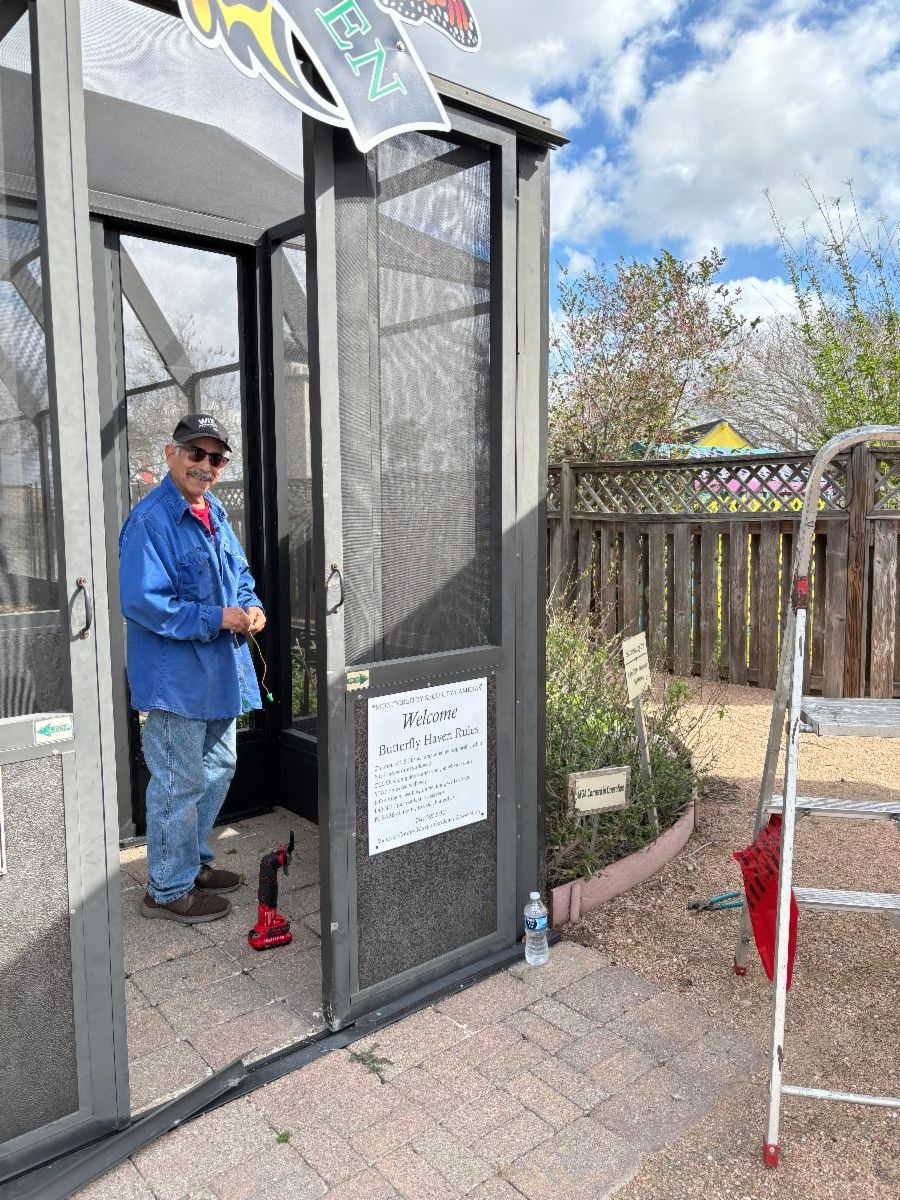
Intern Chico stepping up to repair Butterfly Haven doors!

undefined

Potatoes for the Victoria Area

by Sandi Coleman,

Victoria County Master Gardener

Vegetable Specialist

February 21, 2026

Editor's note - Even though it is often recommended to plant potatoes in February, Sandi stated that planting potatoes in early March is fine.

Benefits of Heirloom Plants

by Kristine Oksenholt/Victoria County Master Gardener

February 14, 2026

Parlor Palm

By Suzanne LaBrecque 

Victoria County Master Gardener 

February 7, 2026

Click image below for

Gardeners' Dirt archives

Victoria Educational Gardens - 333 Bachelor Drive

VEG Pavilion - 283 Bachelor Drive

Officers 2026

President: Brynn Lee - cbrynnlee@yahoo.com

President Elect: Phyllis Elmore

Vice President: Carla Rodriguez

Treasurer: Bea Flores

Treasurer Elect: Barbara David

Secretary: Brenda Heinold

State Director 2026-2027 - Sandy Knief

Alternate State Director 2026-2027: JoAnn Orsak

State Director 2025-2026: Janet McCrea

Alternate State Director 2025-2026: Cheryl Clark

Texas A&M AgriLife Extension, Victoria County

528 Waco Circle

Victoria, TX 77904

http://victoria.agrilife.org

Phone: 361-575-4581 Fax: 361-572-0798

Email: victoria@ag.tamu.edu

Editor, The Gardeners' Dirt - Virginia Ruschhaupt - Contact

Texas A&M AgriLife Extension provides equal opportunity in its programs and employment to all persons, regardless of race, color, sex, religion, national origin, disability, age, genetic information, veteran status, sexual orientation, or gender identity. The Texas A&M University System, U.S. Department of Agriculture, and the County Commissioners Court of Texas Cooperating.

Website

Calendar


Contact Us: 

VCMGA

P. O. Box 3822

Victoria, TX 77903