Forage and Livestock eNews
Updates and information from across the industry
| | Volume 19 Issue 3 March 17, 2026 | |
Standing Corn: a high-energy, low-cost winter grazing option
By: Beef Cattle Research Council (BCRC), March 5, 2026
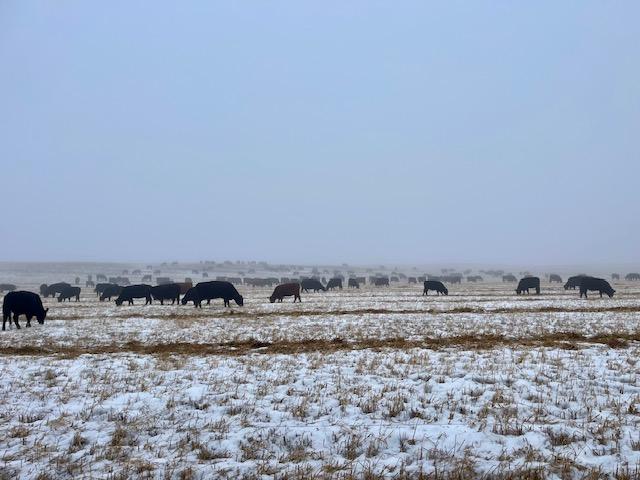
With proper planning and management, grazing standing corn can provide a cost-effective forage option for cow-calf operations, while reducing reliance on stored feed and effectively extending the grazing season. This practice can help lower feed costs, make better use of available land and provide shelter from the weather, while giving cattle direct access to a feed source. However, corn grazing isn’t a one-size-fits-all solution. Success depends on choosing the right variety, seeding, managing the crop and monitoring cattle.
When Does Corn Grazing Make Sense?
Corn grazing may not work for every beef cattle operation; it is important to consider your goals. Corn grazing is best suited for:
- Extended or year-round grazing systems looking to reduce winter feeding costs
- Operations with limited hay land or those looking to increase forage production per acre
- Regions with cold, dry winters, where corn can stand above snow and be grazed in place
Read more
| |
Are Annual Polycrops Suitable for Your Operation?
By: Shelby Robinson, M.Sc. AAg., Livestock and Feed Extension Specialist, Saskatchewan Agriculture
Annual polycrop forage blends typically consist of species representing four functional groups: warm season plants, cool season plants, annual legumes and a brassica all growing together to provide forage for livestock. Polycrops have been of increasing interest due to their ability to provide plant diversity, provide an alternative forage source for livestock, and in some situations, increase soil organic carbon. However, choosing the right blend for your operation may be challenging and overwhelming at times.
When deciding whether polycrops are a good fit for your operation, it’s important to consider site selection based on field history, what the average cumulative precipitation has been over the last three to five years and soil moisture, as low moisture can hinder germination. Consider a soil test to determine soil type and available nutrients. Looking at what was previously grown on the field and what the weed pressure was like is important because once the polycrop starts to emerge there are no in-crop herbicides that can be used to target weeds without affecting some of the species in the polycrop. An effective herbicide application before planting can help to reduce weed pressure by giving the polycrop a chance to establish before the weeds start growing again.
Read more
| | | |
Young Innovators: USask researcher develops tool to protect the gut health of dairy cows
By: Erin Matthews, Research Profile and Impact
Gut health has been a popular topic in recent years. You may have heard from researchers diving into what makes our guts “leaky” or maybe you’ve come across the variety of resources designed to fortify our insides.
But one University of Saskatchewan (USask) researcher is turning the attention towards dairy cows, showing us just how important gut health is to their overall wellbeing.
Claire Bertens (BSA'20), a graduate student in the University of Saskatchewan’s (USask) College of Agriculture and Bioresources, is looking to understand how environmental and nutritional stressors affect the gut barrier of dairy cows. Growing up on a dairy farm outside of Olds, Alberta, Bertens was raised with a love for dairy cows. Developing a passion for the dairy industry as a child ultimately helped inspire her research career.
“My PhD research focuses on understanding how stressors like heat stress, illness and reduced feed intake affect the integrity of the gut barrier in lactating dairy cows”, said Bertens. “My goal is to identify nutritional strategies that can prevent or mitigate this condition.”
Read more
| | |
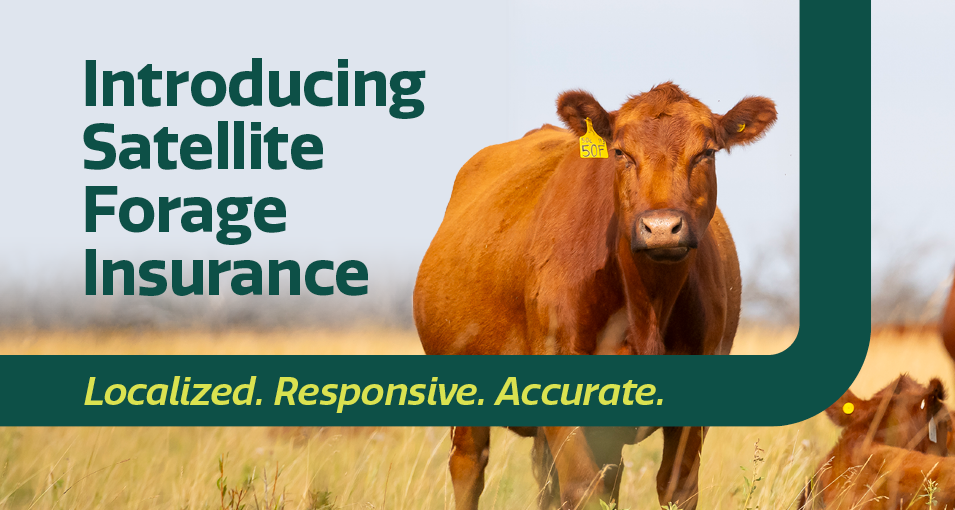
Satellite Forage Insurance is replacing the Forage Rainfall Insurance Program (FRIP)
News from Saskatchewan Crop Insurance
| | |
FRIP is no longer available and all existing FRIP customers will be automatically enrolled in Satellite Forage Insurance. The program uses satellite-based technology to measure soil moisture, an important factor in forage production.
To Enrol:
Townships are assigned based on the legal land descriptions of the insured land. The deadline to apply for, reinstate, cancel, or make changes to your Satellite Forage Insurance endorsement is March 31. Your contract is continuous and your insurance remains the same year to year unless you make changes to your endorsement by March 31.
A weighting option needs to be selected for each insured land location. This allows you to weigh the May to July precipitation to best suit the growing season for your region and forage crops.
Premiums
Premiums are cost-shared with producers paying 40 per cent and governments paying 60 per cent. Premium rates are calculated for participating townships based on historical township soil moisture data and the selected weighting option.
Read more on the SCIC website
| | |
Ensure a secure hay load
by: Elysia Robins, Hay and Forage Grower magazine, Dec 29, 2025
Few sights capture rural life quite like hay bales dotting a golden field beside a red barn. It’s a postcard image of hard work and harvest. But for those who grow, haul, and sell hay, the bales represent much more than nostalgia — they are a livelihood. Whether destined for the barn, the sale lot, or a customer who lives miles down the road, every load of hay carries both value and risk.
Transporting hay safely is more than just good practice; it’s good business. Each trip down the road puts your time, equipment, fuel, and reputation on the line. And when things go wrong — whether it’s a lost bale or a traffic accident — costs can mount quickly. Let’s consider some practical considerations and safety tips for hauling hay and forage products that will help you move loads efficiently, legally, and safely.
Read more
| | | |
Effects of Organic Acids on Mitigating Enteric Methane Emission by Improving Energy Efficiency in Lactating Dairy Cows
by: Dr. Peiqiang Yu, Professor and Ministry of Agriculture Strategic Feed Research Chair in Feeds R&D, Department of Animal and Poultry Science, University of Saskatchewan
Recently, the University of Saskatchewan researchers from Department of Animal and Poultry Science, Saskatchewan Producer Organization and Feed and Animal Nutrition Industry (Proveta Nutrition Ltd., and SaskMilk) and Saskatchewan Ministry of Agriculture Strategic Feed Research Chair team are conducting an interesting feed research project for ruminants “Effects of Organic Acids on Mitigating Enteric Methane Emission by Improving Energy Efficiency in Lactating Dairy Cows”.
Read more
| |
| | |
Seed Bank Study
In this video, Kirsten Romig Biological Science Technician and Shawn Salley Soil Geographer both at USDA-ARS, Jornada Experimental Range talk about the process of their research in Seed Bank Study.
Find more results from this study here.
Watch the video on YouTube
| | | |
Financial support for the Forage and Livestock eNews is provided in part by one of our partners, the Saskatchewan Forage Seed
Development Commission.
| |
Forage and Livestock eNews is published by the Saskatchewan Forage Council (SFC). Opinions and information are provided by the authors and publication does not imply endorsement by the SFC.
| |
The Saskatchewan Forage Council gratefully acknowledges funding for our "Facilitating Forage Initiatives in Saskatchewan" project through the
Saskatchewan Cattlemen's Association Industry Development Fund:
| The Saskatchewan Forage Council recognizes our Annual Supporters: | | | | |