|
Hello,
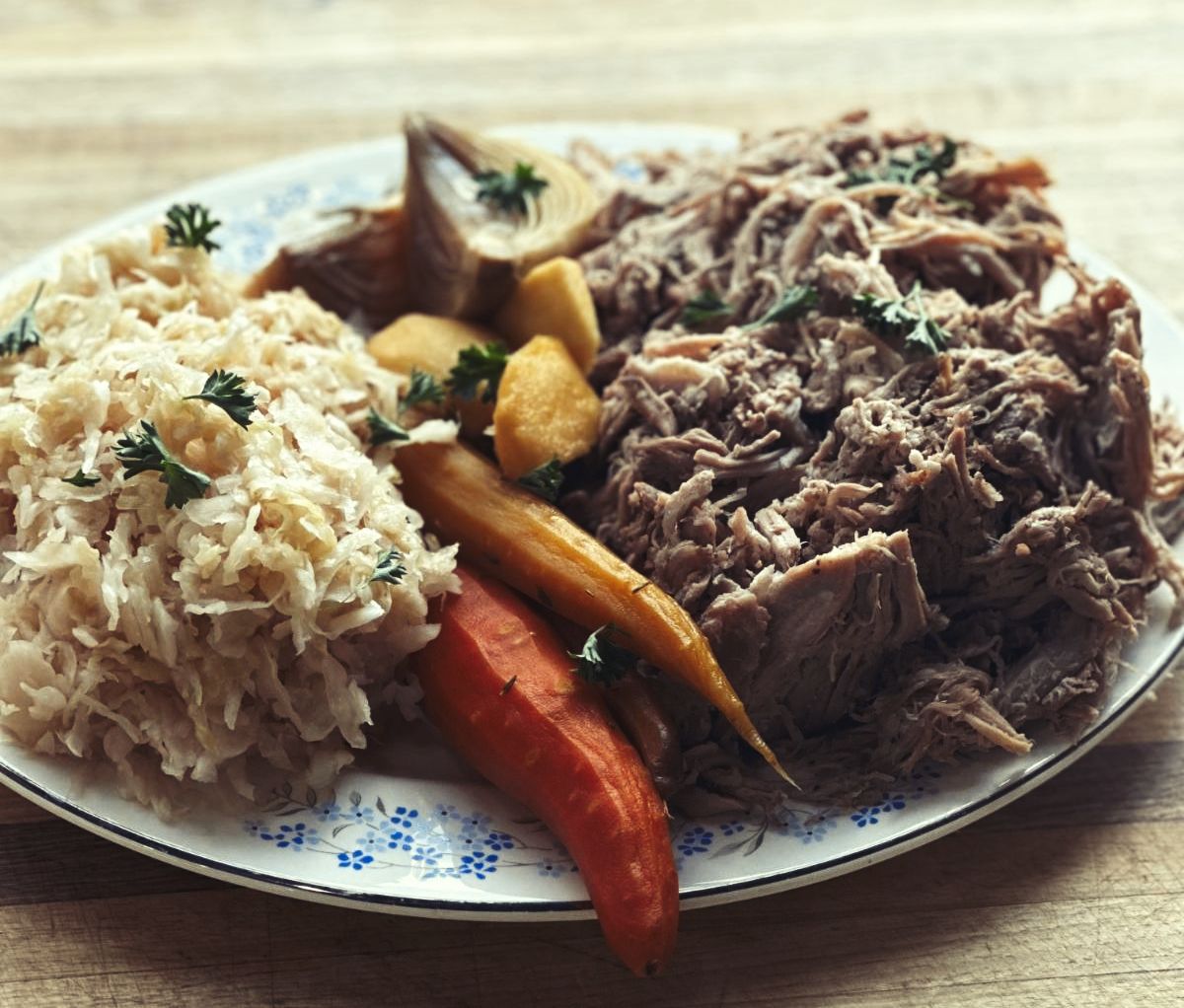
We had a short taste of spring last week, and now winter is back. This week, we have a hearty bag perfect for the crock pot - pork roast and stock, or pork roast and kraut if you prefer.
This week is also our second and final shipment of Salmon for the season. We know a lot of folks missed out on the last shipment, so this week's supply is reserved only for winter subscribers.
As we are deep into the winter season, storage crops and fresh veggies are few and far between. This week, we feature Ratatouille - a tomato vegetable stew - that we made during the summer heat. Enjoy this with pasta, as a simple side with a protein, or served with polenta.
Have a great week!
Trevor and the Fresh Fork staff
| | |
This week is our last and final shipment of Salmon for the season.
By now, most of you have had it before and know the routine:
By the Piece (approx 5 to 6 oz)
or by the 10# case (approx 26 pieces)
This is wild, Alaskan sockeye salmon from our friend Heidi at Wild Salmon Company. This marks our 14th year of offering this to the Cleveland audience.
| | | | |
Summer registration is open and Early Bird Pricing is valid thru March 14th.
For those who want to save the most, please either mail a check or bring it to pickup before March 14th.
That means this pickup week or next pickup cycle.
Signup Online
| | |
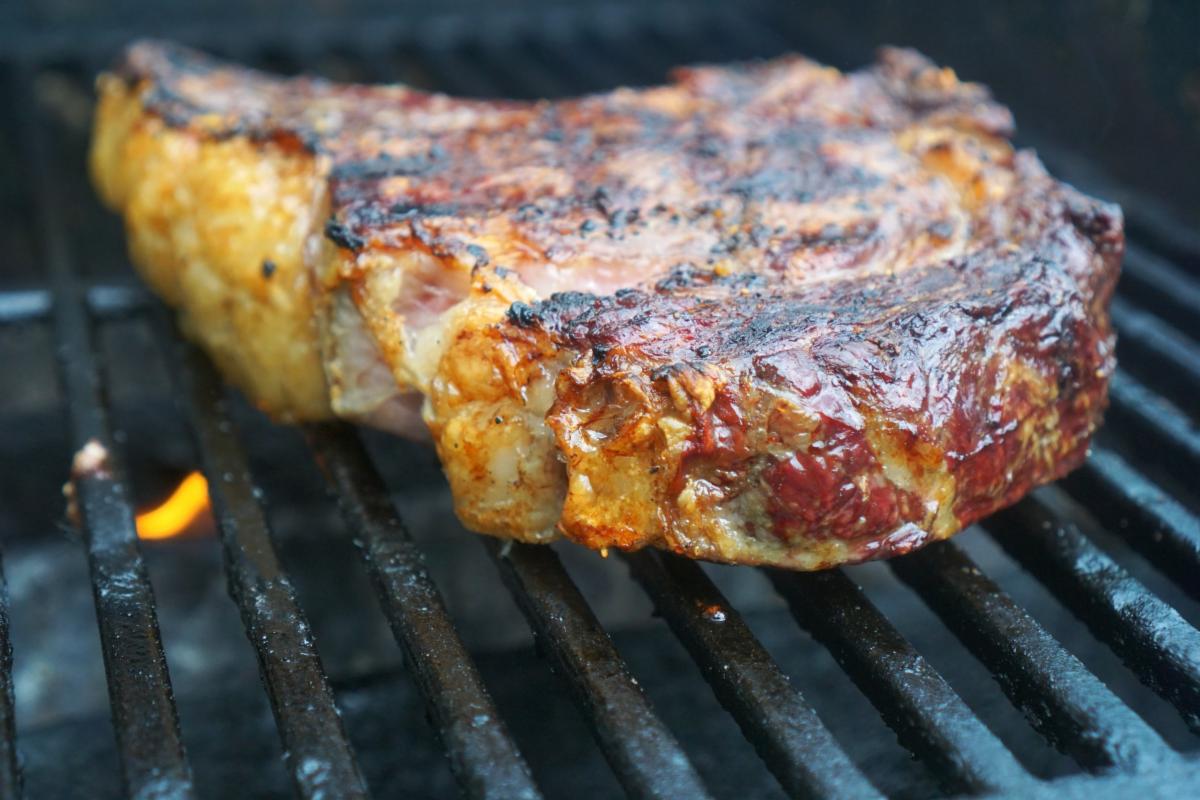
Finally, back in stock. See the website for available beef cuts.
And also, if you've opened a newspaper lately or watched the news, you likely have seen a bunch of discussion about beef prices. I'll address that some below.
| | |
Steaks
Old Standards:
Rib Steaks - the bone in ribeye
T-Bone and Porterhouse
Tenderloin/Filet Mignon
We usually don't stock a lot of filet mignon, which is a tenderloin medallion as the consistency in size varies so much. Instead, we offer T-Bones and Porterhouse, where one side of the steak is a strip steak and on the other side of the bone is the tenderloin.
Unusual Steaks - here are two options that cook similar to skirt or flank. They take well to an acidic marinade such as chimicchuri or a tomato based marinade. Enjoy grilled and sliced over a salad, on tacos, or as is.
Bavette - cut from below the sirloin, called the sirloin flap
Santa Fe - cut from the "cloak" of the top round
Skirt Steak - inside the rib cage along the diaphragm
Flank - along the inside of the belly
| | |
Braising Cuts - ideal for low, slow cooking
Old Standards:
Chuck Blade Roast - crosscut from the shoulder, marbled and ideal for a dutch oven
Short Ribs - crosscut plate ribs from the belly of the beef.
Brisket - equally as good in a braise as the smoker
Crosscut Shanks - thick, nutrient rich marrow bone for a full bodied broth
Stew Meat - cubes of lean beef for slow cooking
Unusual
Oxtail - full of flavor and tender meat, great for a traditional Italian oxtail sugo or French ragout
| | |
Other
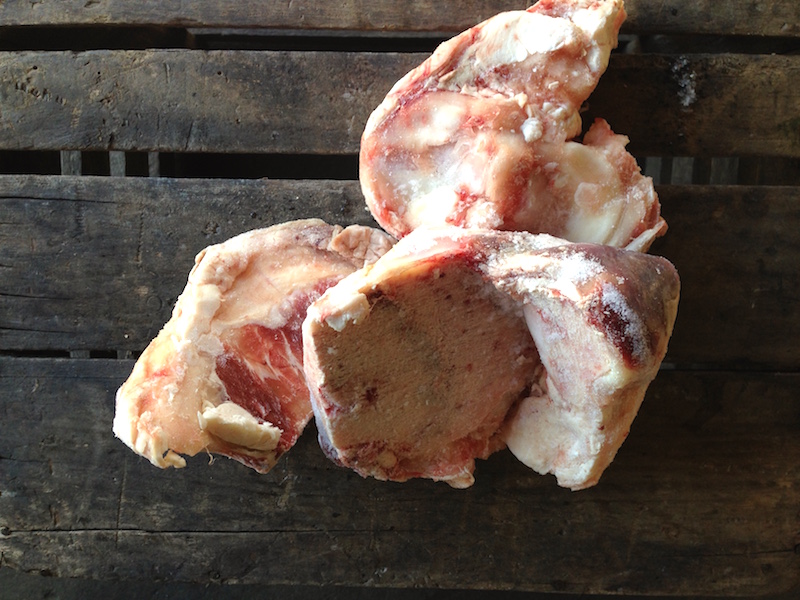
Beef Bones - in my opinion, the most valuable item on the steer. The nutrient dense beef bones are the base for good flavor and nutrition. Make homemade stock or bone broth, and use those as a base for a good soup, sauce, or to setup a braise.
Burgers and Ground Beef
Organ Meats - liver, tongue, kidney, and heart.
| | |
I had a call from a local reporter recently asking about beef prices. She had a good take - how can the consumer shop smarter to save money? We covered that, but also the general beef markets.
It was interesting that the reporter called when she did - I was actually on my way to Caldwell to pickup weaned calves to add to my herd.
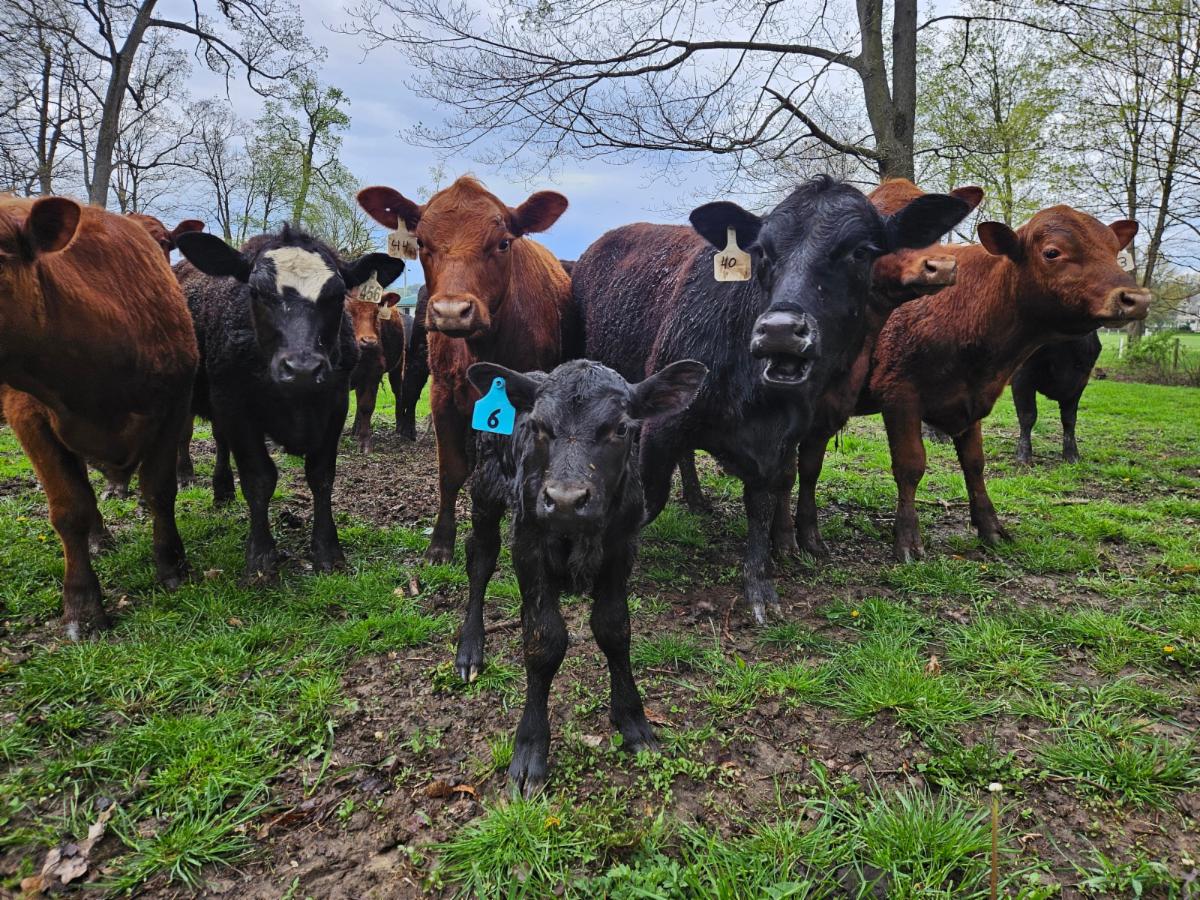
Each year about this time I meet up with a small farmer to get their calves - 9 per year. Her beef always finish out well for me. Yesterday's check was $19,440 for 9, 450# weaned calves. Last year's check was $12,768. The year before was $6,970. The cost to feeding beef hasn't gone up; the value of calves has and it's showing up on the dinner plate.
The reporter led into the question, "beef supply is down and prices are up..."
| | |
Not really. Head are Down, Lbs are Up
I'm still slightly confused at what's going on. The national media might be part of the problem. They are reporting that the number of beef are down and that's driving the price. Yes, the number of slaughter head are down, but you buy beef by the lb. The lbs of beef harvested last year was up because of genetics improvements over time. In December, production was up 0.9% over 2024 by almost 5 million lbs in December alone. Corn (feed) was down 1.4%. And the number of heifers (explained below) on feed wasn't out of line with previous cycles.
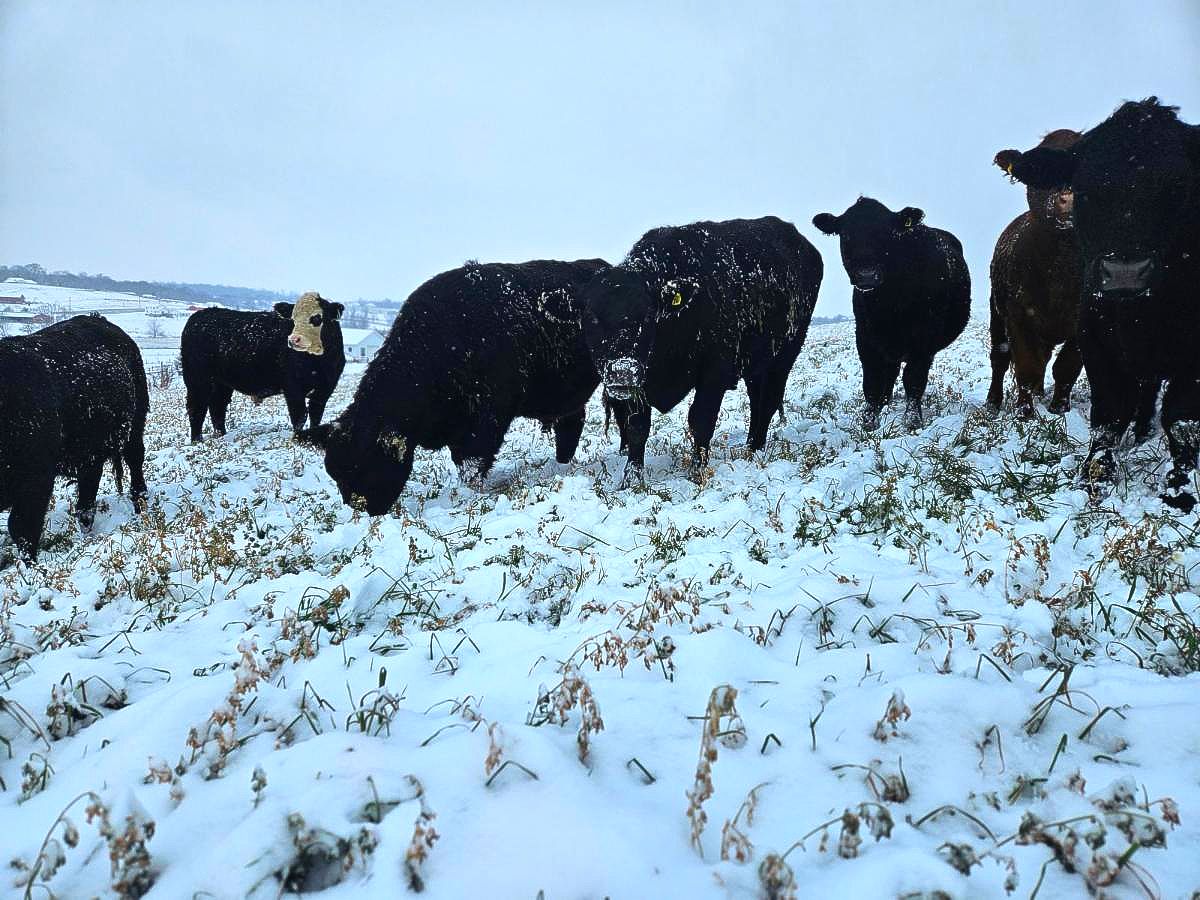
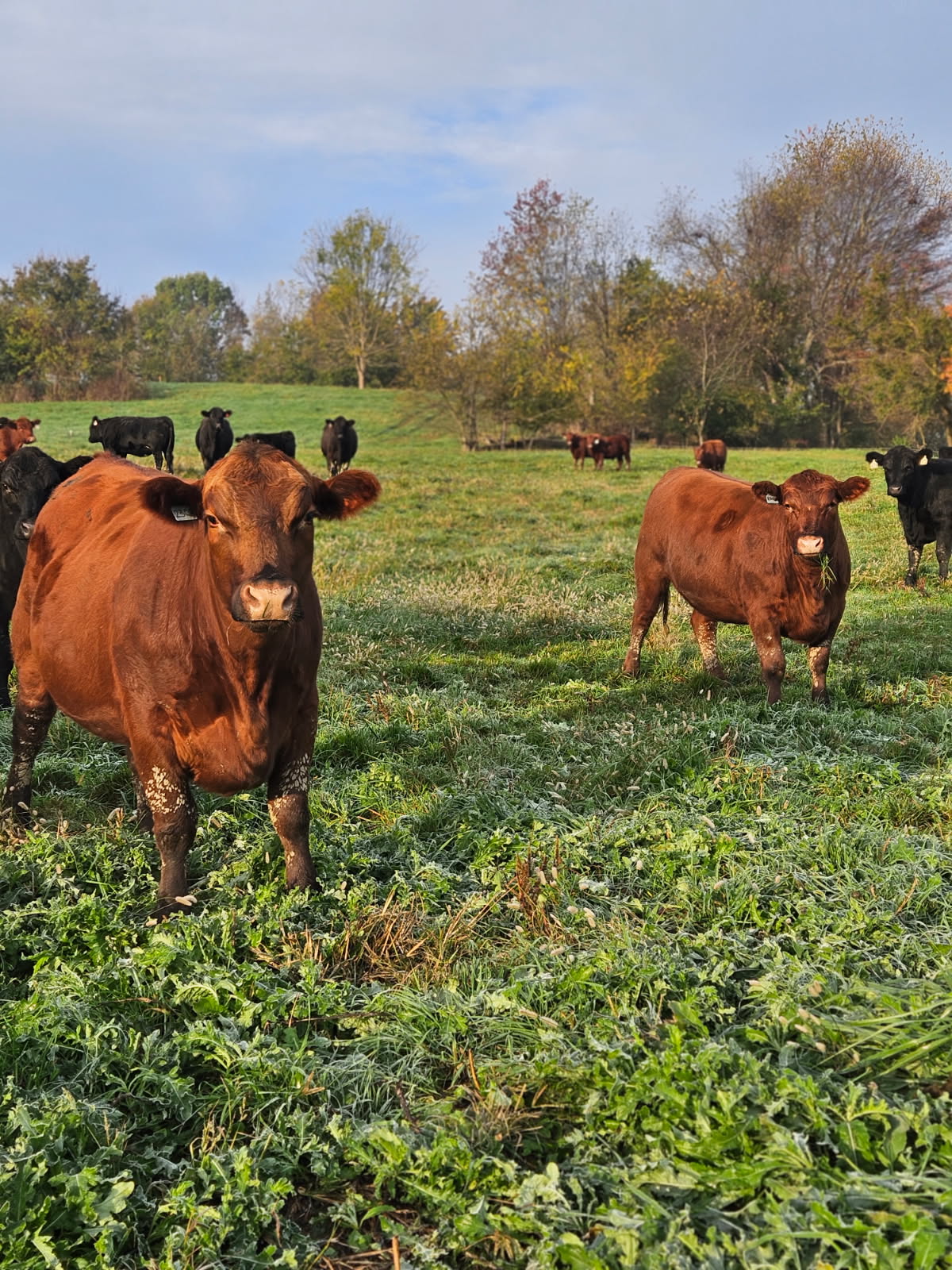
Most commercial beef are huge. I mean their hanging weight (after slaughter) can be as high as our (grassfed) live weight. I've seen feedlot beef ballooned up to 2,800# for 1 steer. Ours are usually 1,200 to 1,400# live. I've seen carcasses on the rail well over 1,000#. That's huge. The big kill plants out West know it's faster and more efficient to cut few big cattle than a lot of smaller cattle. It's also more efficient to feed fewer cows to produce fewer calves. The big buyers have driven demand for larger genetics and have even developed ear implants to provide hormonal support - developing cattle that eat more and grow bigger. That's not how our cattle are raised.
Supply (# of heads) is down due to a long term shift in how the big buyers want cattle. There has been consistent pressure for years to keep the price of beef low to compete with the very efficient, factory farmed chicken and pork markets. The big processors' plants are limited by head they can kill per day. It takes the same amount of time to kill a 2,500# steer as a 1,400# steer. So if time is money, why not kill big animals and get more pounds of meat thru the plant? As a result, you need fewer plants and fewer employees to sell the same amount of meat.
| | |
Calves are driving the price increases
The biggest driver in cost for small producers like me are the cost of feeder calves. Nationally those are up 35.4% over last year. See my example above on how much I had to pay for just 9 calves. I have almost 100 head in my heard. I had to buy all of them.
For those of you crunching numbers...there is a reason I have towels jammed into the drafty windows of my old house. For the calves in the example above, I won't harvest them until Christmas of 2027 or into early 2028. That's a long time to sit on that money and hope they stay healthy and appreciate in value. Few cattle farmers are really getting rich.
Heifer on Feed.
With the prices of fat cattle at record highs, some producers are putting females (heifers) on feed - fattening them out for market instead of using them for breeding. Yes, this aligns with the story that drought and lack of feed out west is driving this decision. It is in turn reducing the supply of calves born, further driving the calf price increase.
But other producers are also looking at the value of calves. Instead of selling a heifer once at a high price, what if I can get a calf out of her and make multiple sales? This year's price for calves is as much as a finished heifer was last year. So if a guy kept his heifers, bred them, and reared a calf to sale weight, he won. And he still has a cow now that he could sell.
Heifers on feed historically go thru cycles. Most guys only have capacity for so many cattle on feed, or for only so many females that their bulls can service. A heifer has her calf and then is known as a cow. Cows can continue to have calves for 10 or more years. So generally, once a rancher has a good group of cows, he'll feed out the heifers until he needs replacements. It's common practice. Market prices help determine when he'll replace them.
Right now, beef heifers are being added to feed lots at a pace last seen in 2000 and 2001 and a little higher than in 2010 and 2011. This trend started before the price increases. In 2019, heifers also made up over 37% of fed cattle. That's the same as 2025.
| | |
Beef on Dairy.
This is the latest buzz around the cattle market. For farmers who are in the predicament that they need their cows for replacement calves, and they need their heifers for replacement cows, the one way to increase supply is to buy dairy heifers (usually not cut for meat) and breed them with a beef bull. The result is a balance between the easy fleshing characteristics of beef and the large frame of dairy, particularly Holsteins.
This is reducing the supply of dairy replacement heifers and future cows - which means a lower supply of milk in the future. I told the reporter she'll be calling me in a year to talk about the rising prices of milk, butter, cheese and ice cream.
Is it coming back down soon?
No. First, it's not practical to increase supply quickly. Second, research shows that the minutes of labor to buy a pound of beef is consistent with where it has been throughout the last 50 years. The means, even though everyone is complaining about the price of beef, it really isn't a significant change in percentage of their budget. Wages have gone up the last several years.
And at the end of the day, beef is still the preference of most consumers. Chicken and pork are lower priced, but don't provide the same eating experience. We see it at our butcher shop. Beef dominates the deli case even though we have the shortest supply of it.
| | |
Winter Omnivore
Pork Butt Roast
Animal Stock
Ratatouille
Sauerkraut
Tomato Juice
Eggs
Onion
Ground Chicken
| |  | |
Winter Vegetarian
Ratatouille
Sauerkraut
Tomato Juice
Eggs
Onion
Lettuce
Sweet Corn
Apples
Pasta
Frozen Blueberries
| | | |
Winter Mini
Eggs
Lettuce
Onion
Chips
Salsa
| | | | |