| |
STARR News & Updates
April 2025
| | |
Celebrating Excellence: Teva Pharmaceuticals Named
2024 STARR Sponsor of the Year!
The STARR Coalition proudly announced Teva Pharmaceuticals as the recipient of the 2024 Sponsor of the Year Award, recognizing their outstanding contributions to mental health advocacy, clinical research, and patient support.
Presented by Andrew Miller, founder of Karuna Therapeutics, last year's recipient, the award highlights Teva’s commitment to improving the lives of those affected by mental illness.
Teva Pharmaceuticals, renowned globally for manufacturing high-quality generic medications, also leads groundbreaking research in CNS and brain disorders, including schizophrenia and tardive dyskinesia. These conditions significantly impact daily living, and Teva consistently supports patients, clinicians, and caregivers through comprehensive resources and innovative therapies. Their patient-focused platform, Life Effects, uniquely blends medically reviewed content with authentic, peer-to-peer experiences, empowering patients and providing solidarity through shared narratives.
| | |
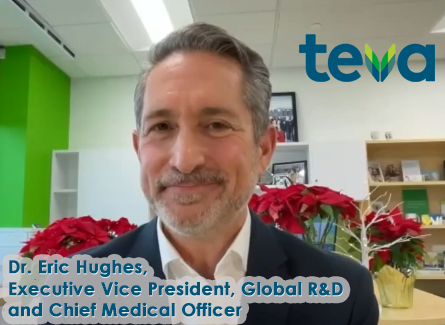
Dr. Eric Hughes, Executive Vice President, Global R&D and Chief Medical Officer at Teva, accepted the award on behalf of Teva. Emphasizing the company's dedication to making effective treatments widely accessible, Dr. Hughes acknowledged the importance of collaboration within the mental health community, specifically praising Karuna’s advancements. He highlighted Teva’s ongoing efforts to raise disease awareness, reduce stigma, and develop innovative formulations that improve patient outcomes and reduce hospitalization rates.
The STARR Coalition recognizes Teva for their unwavering advocacy and continuous support of mental health initiatives worldwide. Through educational programs, strategic partnerships, and a genuine dedication to patient-centric care, Teva has proven instrumental in promoting mental health awareness and innovation. This award underscores Teva’s pivotal role in advancing mental health treatment and exemplifying compassion in action.
Congratulations to Teva for their for their exceptional achievements and for truly exemplifying the spirit of a STARR Sponsor of the Year!!
| | |
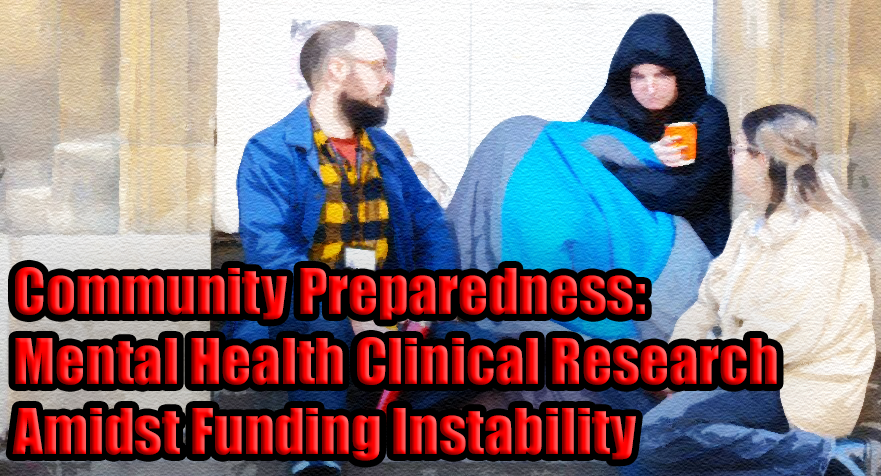
Communities are facing an unprecedented challenge with imminent changes in Medicaid funding. While many dedicated advocates and organizations are diligently fighting for legislative responses to protect our communities, it's essential that we simultaneously prepare proactive solutions and strategies to support our patient communities in the face of potential disruptions to care and medication access.
Just as a community pulls together in the aftermath of a hurricane or wildfire, clinical researchers, providers, advocates, and community leaders can take actionable steps immediately to build a robust support system capable of addressing barriers to healthcare access.
Here are some critical actions we can initiate right away:
-
Strengthen Local Partnerships: Deepen collaboration with local clinics, hospitals, community health centers, and nonprofits. Together, we can establish coordinated plans to ensure that patients continue receiving care even if funding streams shift.
-
Enhance Community Outreach and Education: Engage in proactive communication with patient communities now. Provide clear, empathetic messaging about potential impacts and the resources being developed to mitigate them. Empower patients and families by preparing them with knowledge and actionable steps they can take.
-
Develop Emergency Access Networks: Work towards creating emergency networks, or expand existing ones, ensuring that essential mental health services remain accessible. These networks can function similarly to disaster response teams, providing quick intervention and maintaining continuity of care.
-
Identify Alternative Funding Streams: Explore opportunities for private, state, or philanthropic funding that could supplement gaps left by reduced Medicaid coverage. Initiate conversations with funders early to be prepared should immediate intervention become necessary.
Together, by taking these proactive, strategic steps, we can build resilience within our communities and ensure that we, the clinical research community, are prepared to respond swiftly and effectively. Let’s mobilize now to fortify the mental health safety net and ensure our communities are informed about clinical research as an accessible and valuable option for care. 💚
| | |
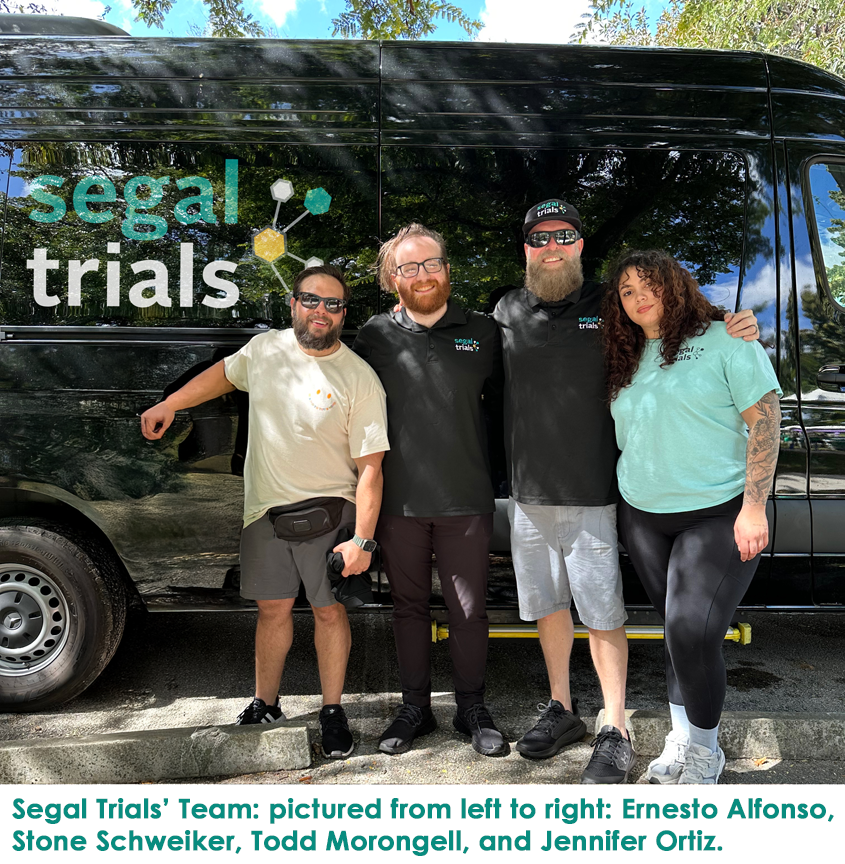
The Segal Trials team recently participated in the NSU Mental Health Awareness Festival, an incredible opportunity to engage with the community and raise awareness about clinical trials as a potential care option. Many attendees were surprised to learn how clinical research can provide access to new treatments, and Todd Morongell, Community Outreach Manager at Segal Trials was glad to answer questions, share valuable information, and witness the genuine interest people showed in learning more. "Empowering individuals with knowledge that could positively impact their health is at the heart of what Segal Trials strives to do," said Todd. NSU Florida is the state’s largest private research university, with robust initiatives in oceanography and life sciences, technology, health care, social science, and human services.
| | | |
Pillar Clinical Research Supports NAMI Chicago and Texas!
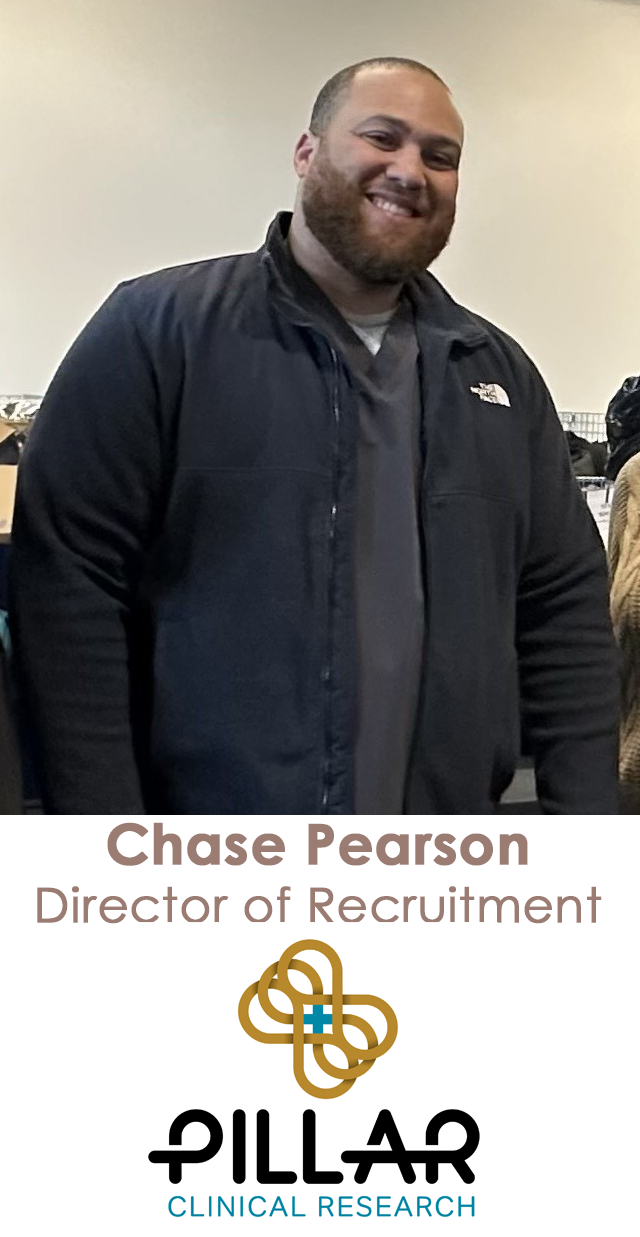
Chase Pearson, Director of Recruitment for Pillar Clinical Research attended the NAMI Chicago Associate Board fundraiser. The NAMI Chicago Associate Board is a group of young professionals dedicated to advancing NAMI Chicago's overarching mission of combating stigma through education, vigorous advocacy, and the promotion of hope. By engaging younger audiences and diverse neighborhoods across the Chicagoland area, the Associate Board amplifies NAMI Chicago’s impact through dynamic networking events, facilitated discussions, and enriching wellness experiences. Together, we cultivate meaningful connections that empower individuals and strengthen our communities, fostering a culture of understanding and support around mental health.
| |
Meanwhile, Bruce Trimble, Chief Experience Officer for Pillar Clinical Research attended the March 12 special screening of SPYRAL and fundraiser for NAMI Texas. SPYRAL is a raw and moving documentary about a family’s journey with mental illness, directed by two-time Academy Award winner Bill Guttentag. NAMI Texas has successfully experimented with the film to start conversations on mental health, and across Texas, people truly appreciate the film’s lived-experience messaging that aligns with NAMI’s storytelling and solutions goals for 2025. SPYRAL is an incredible tool to spark meaningful conversations. “The film perfectly frames the challenges we face, setting the stage for discussions about solutions,” said Bruce.
| | | |
Cecily Hernández, Community Partnership Manager at CenExel Hollywood, FL (formerly CenExel RCA) was especially busy last month, with 3 amazing community events!
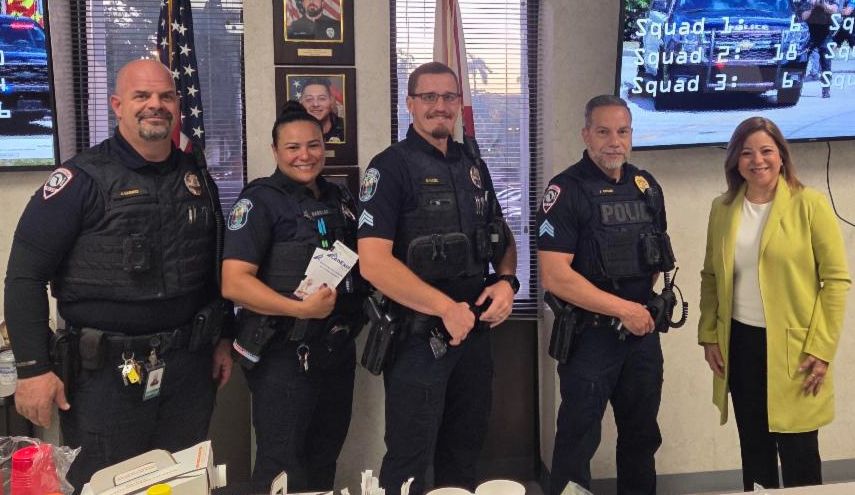
First up, Cecily had the honor of presenting to the City of Hollywood Police Department last month. Over 50 officers learned about clinical research and how their community can benefit, especially those struggling with mental health disorders. They were very interested and thankful for the information. Many of the officers stated that they will be connecting us to those that can benefit from CenExel research studies, especially those related to mental health.
| |
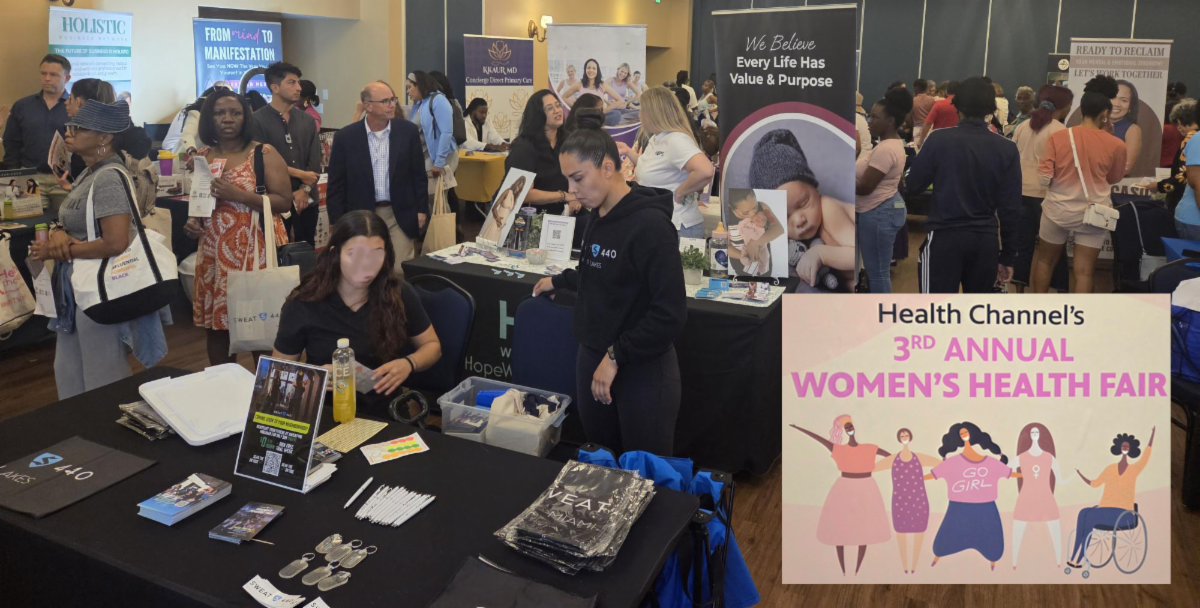
CenExel Hollywood, FL proudly participated in the 3rd Annual Health Channel Women's Health Fair in Broward County. The free community event was a vibrant celebration of empowerment, education, and wellness, offering women of all ages access to local health resources, interactive exhibits, informative seminars, and engaging wellness activities. Our team connected with more than 40 health-focused organizations and countless attendees, making it a valuable networking opportunity in a neighboring city alongside the dedicated PBS team. We're grateful to have taken part in an event that truly prioritized women’s health and well-being while strengthening our ties with the community.
| |
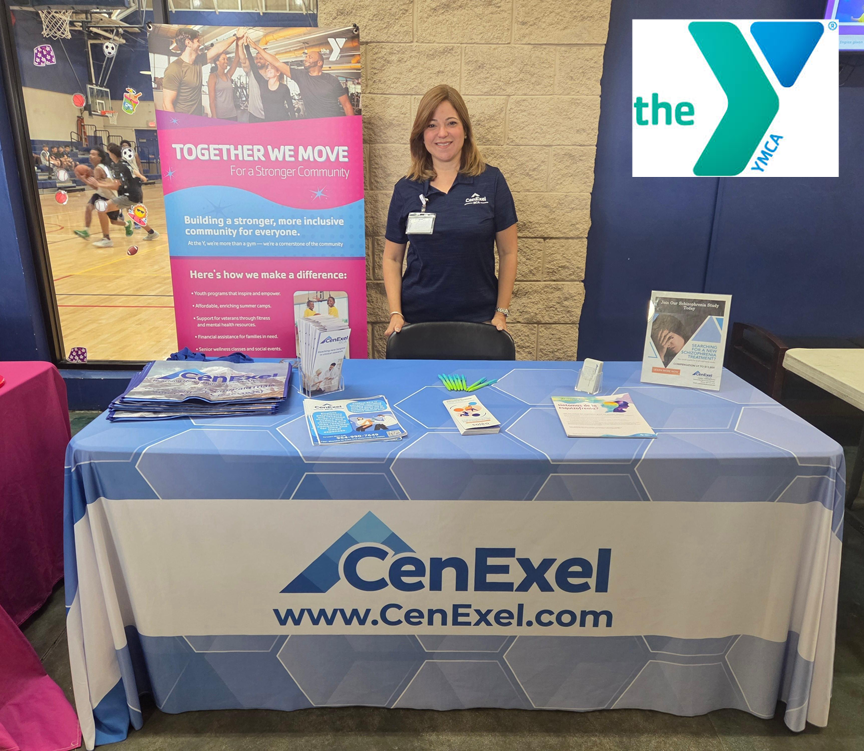
Toward the end of the month, CenExel Hollywood, FL had the opportunity to be a vendor at the Pembroke Pines YMCA Family Center. The "MARCH INTO FUN AT THE Y" community-centered event celebrated wellness, family, and love. As always, CenExel brought energy and great information on research to the YMCA members.
They YMCA banner says it all: "Together we move for a stronger community". 💚
| | | |
The North Texas Clinical Trials (NTXCT) team had the privilege of attending the monthly "Schizophrenia Success Secrets" presentation, led by an inspiring individual who has triumphed over the obstacles of schizophrenia. This unique session offered our team a deep understanding of the daily challenges faced by these individuals and the effective strategies they use to overcome them and improve their lives.
The experience was truly enlightening as we witnessed a strong support network dispel misconceptions, while simultaneously motivating, educating, and empowering everyone in the audience. Events like this play a crucial role in breaking down stigma and fostering a more inclusive and understanding society.
In other NTXCT news, North Texas Clinical Trials was recognized as being one of the top 5 neuropsychiatry clinical research sites on Power in 2024! Power determines the list based on the most efficient and effective places to send patients using their proprietary site engagement data including quantity of screening visits booked, conversion rate from qualified referral to screening visit, average time from referral to first outreach from the site, and percentage of qualified referrals from Power that the site follows up with. The site ranking list came out in Power’s ‘Neuropsychiatry Trials 2024 in Review, Volume 1: Depression, Anxiety & Schizophrenia’ report.
| | | |
When Neuro-Behavioral Clinical Research (NBR) opened a second office for their Intake, Recruitment and Outreach staff to better serve new patients and med checks, the team took a hard look at the space in order to be more intentional about their patients' experience.
After careful consideration, the team landed on a “barrier free” intake space, by removing the desks and enhancing the one-on-one interaction in a non-threatening place where people can feel relaxed and comfortable. To put patients at ease, they purchased comfortable “homelike” seating, with attractive pictures on the walls, coupled with inspirational messages from celebrities that patients can identify with. They removed the typical intake distractions: no telephones or interruptions from other staff.
NBR Founder, Dr. Malhotra, embraced the changes and has since made similar changes at the main research facility offices.
Gladstone Pilgram, one of the NBR intake coordinators, described the changes saying that “the new intake rooms provide a more relaxed, non-clinical setting that patients describe as being like sitting in someone’s home." Patients enjoy the “nice rooms” and “warm” and” welcoming” atmosphere. 💚
| | |
CALL FOR NOMINATIONS!
A Stop the Stigma Champion is a high school student that has demonstrated exceptional courage and leadership by openly discussing mental health issues, challenging stereotypes, and promoting a supportive and understanding environment in their community.
Do you know a high school student that has inspired positive change and created a lasting impact on the school community regarding mental health attitudes and practices? Nominate them for the Stop the Stigma Champion Award by April 15!
The STARR Stop the Stigma Champion winner will be announced on National Mental Health Action Day, May 16th. Visit https://thestarr.org/stopthestigma/ for more information and to nominate someone!
| | |
April is
National Volunteer Month
We LOVE our clinical trial volunteers
and this month is the perfect time
to let them know just how much
we appreciate them!
Clinical research relies entirely on volunteers—without them, studies simply cannot move forward. But did you know that expressing gratitude and appreciation can also boost study retention?
Recognizing study participants as valued partners in research helps them connect their identity to the clinical trial. By shifting from viewing participants merely as subjects to appreciating them as integral scientific contributors, you reinforce their sense of purpose and pride.
When volunteers embrace their role in research as part of their identity, they're proud to say things like, "I'm a medical hero" or "I'm helping fight mental illness." This strong personal connection encourages participants to remain committed to the study and significantly reduces dropout rates. Additionally, proud volunteers are more likely to share information about the trial with friends and family!
Deepening patient engagement and consistently expressing gratitude increases participant satisfaction, fosters a sense of involvement, and ultimately leads to improved compliance.
Let's make sure our volunteers feel especially appreciated this month! ❤
| | |
“My experience with CenExel has been life changing! The staff truly cares about each patient. It completely changed the way I viewed participating in medical studies. The journey is individualized, and I was really able to focus on self-improvement and healing. With such an amazing and supportive staff, welcoming clinicians and attentive therapists it makes it so much less daunting to navigate emotions and difficult times in life when you know there are people there for you when you get stuck. Thanks guys! You feel like my extended family.” - Nicole, patient volunteer at CenExel iResearch Atlanta
| | |
Placebo Response in Psychiatric Clinical Trials: What is it and what can we do about it?
High placebo responses have been steadily increasing in the CNS space since 1960. 80-85% of CNS clinical trials fail and 30-50% of those are due to increased placebo response.
What are the contributors to this high placebo response?
Here are some below:
- Participant expectations- the expectation to improve with experimental medicine.
- Inaccurate participant report- either conscious or unconsciously wanting to please provider, sponsor/CRO/site incentives to stay in the trial, or hearing other participants’ reports in the waiting room.
- Site staff/investigator influence- if interactions with the site staff are overly warm or personal, they can have a therapeutic effect. In addition, overly enthusiastic staff may inadvertently give participants too much hope about their receiving the active treatment or the likelihood of response.
- Inconsistent measurement reliability- switching raters during the trial can cause variations in the reported outcome measure, even when there is no significant clinical change
We cannot eliminate placebo response completely, but we can mitigate it. Placebo is an active intervention with a proven history of leading to response. How can we mitigate?
Site Actions:
- Regular and rigorous placebo response training for all staff. Remember that managing the participants expectations begins at the very first contact.
- Use the same rater at each visit. Have uniform and consistent rater training.
- Limit interaction with efficacy raters to only during rating. Raters should stay neutral and limit empathy. Raters should not use participant’s first name and should limit eye contact.
- Keep staff interactions with participants neutral and less personal. This should apply to all staff, including recruiter or scheduler. Staff should not discuss their own personal life with the participants.
- Reduce any form of physical contact that is not necessary
- Use a placebo response script. Include the following:
- Include in this script an explanation as to why the interactions at a clinical site may be different than those at a regular doctor’s office. Participants may not understand why we are not asking about their drive to the office or how their day is going. Explaining upfront that those type of interactions can influence the data we are gathering will make the less personal interactions more comfortable for everyone.
- Make clear that neither the staff nor the participant will know if they are on the active drug or the placebo, so it is important to report all symptoms, good or bad, as accurately and honestly as possible.
- Assure the participant that there are no wrong answers, and it is okay if they do not get better, that information is just as important as if they do get better
-
Remind the participant of the possibility that they are on placebo at every visit.
Sponsor/CRO Actions:
- Include equal numbers in each treatment group. Placebo response can be increased if participants think they are more than 50% likely to get active drug.
-
Remove incentives to under/over reporting such as:
- milestone payments/rewards;
- free medication post study if participant reaches a certain milestone;
- allow participants who have to discontinue the investigational product due to lack of efficacy or AEs to complete remaining visits.
- Use lead-in or crossover study designs.
- Require clear and unambiguous rater training.
- Include a placebo response script or video before every efficacy assessment.
Placebo response is to be expected, but we can all have a role in keeping it low.
Citations are available upon request.
| | |
Volunteer Month Spotlight: Clinical Research & Compassion in Action
By Maria Reid, MSN, APRN, FNP-BC
CenExel iResearch Atlanta
I serve as a Sub-Investigator and Rater at CenExel iResearch Atlanta, and while my work is incredibly rewarding, I’ve always felt that there was more I could do to support those in need, particularly underserved populations. Through a colleague, I learned about The Urban Clinic of Atlanta (UCA) – a free, non-profit clinic that provides primary care for uninsured and low-income adults. The clinic’s mission spoke to me, and when I found out they were looking for board members, I didn’t hesitate to get involved.
Serving on the board of UCA allows me to use my expertise as a healthcare provider in a leadership role, where I can help shape the direction of the clinic and advocate for policies that empower vulnerable individuals and families. It’s an opportunity to help build community partnerships and expand the clinic’s support network. What I love most about UCA is its holistic approach to care. It’s not just about offering medical services; it’s about addressing the overall well-being of patients by providing social and community support.
Volunteering at UCA aligns with my personal and professional values. As someone with deep roots in Atlanta, I’m passionate about improving healthcare access and equity for those who need it most. My role at UCA allows me to advocate for the policies and programs that will make a tangible difference in people’s lives. I truly believe that when we work together as a community, we can create lasting change.
For me, Volunteer Month is a time to reflect on the impact that we, as healthcare professionals, can have beyond our day-to-day roles. Volunteering is a powerful way to give back and make a difference in our communities. It brings together the knowledge and skills we’ve gained through education and experience with the compassion and empathy that are at the heart of healthcare.
Being part of UCA has been incredibly fulfilling, and I’m proud to combine my work in clinical research with my passion for serving others. Volunteering is a meaningful way to bring together my career, my values, and my commitment to improving health equity, and I look forward to continuing this important work in the future. ❤
| | | | |
Congratulations to our friends at Active Minds!
Active Minds set out to reach 1,000 K-12 schools in 1,000 days. Not only have they met that goal, but they have surpassed their ambitious goal! What’s more, Active Minds exceeded that goal ahead of schedule.
Because of the work the Active Minds team is doing, 1,194 schools are now engaged in mental health education, advocacy, and programming.
Check out the video HERE. ❤
| | |
New data strengthens Teva’s schizophrenia portfolio, including Phase 3 SOLARIS trial survey results demonstrating patient and healthcare professional satisfaction with TEV-'749 (olanzapine) as a Once-Monthly Subcutaneous Long-Acting Injectable. The prospective, cross-sectional, observational and online survey study recruited patient (n=70) and HCP participants (nurses: n=24; physicians: n=11) taking part in the SOLARIS trial who had two or more experiences with TEV-'749. The survey collected information on participants’ demographics and clinical characteristics as well as their attitudes on and experiences with LAI treatment attributes, delivery of care, and treatment satisfaction.
Axsome announced FOCUS trial of Solriamfetol in adults with ADHD achieved its primary and key secondary endpoints demonstrating statistically significant improvements in ADHD symptoms and disease severity with solriamfetol compared to placebo. Solriamfetol was safe and well tolerated in the trial, with a side effect profile that was consistent with the established safety profile of solriamfetol. Rates of adverse events were dose dependent. There were no serious adverse events reported in the trial.
Women with postpartum depression symptoms exhibited corresponding shifts in the size of certain brain regions, according to a study. The study provides the first neurological evidence of the condition’s impact, which affects as much as one in seven pregnant women worldwide.
Abbott launched the Infinity deep brain stimulation (DBS) system multisite trial for treatment-resistant depression. The Icahn School of Medicine at Mount Sinai announced that the first patient had officially been implanted with Abbott’s DBS system. The trial will follow this patient and others for the next three years, according to a Mount Sinai press release. In total, it aims to recruit about 100 participants who haven’t responded to four or more antidepressant treatments, according to the clinical trials government site. Half will have their implants turned on and half will not, with the two groups compared after the first year. DBS systems like Infinity are used to adjust abnormal activity in areas of the brain that impact Parkinson’s and essential tremor through targeted electrical signals. In 2022, the FDA gave Abbott breakthrough device designation to investigate whether its system can treat treatment-resistant depression this way, too.
Newleos Therapeutics, a clinical stage neuroscience company co-founded by Longwood Fund and seasoned leaders in CNS drug development, to transform the treatment of neuropsychiatric disorders. Multiple clinical-stage programs licensed from Roche, ready for proof-of-concept studies in general anxiety, social anxiety, substance use disorders, and cognitive impairment.
J&J’s neuro pipeline suffered a late-stage setback after the pharma announced that it would discontinue the Phase III VENTURA program for its kappa opioid receptor blocker aticaprant in MDD. The decision follows a disappointing late-stage readout that showed “insufficient efficacy” in VENTURA, according to the pharma’s announcement. Despite the Phase III failure in this indication, the pharma will stand by aticaprant, pointing to the “potential for this mechanism” in other therapeutic areas, according to its Thursday release. J&J will continue to “explore future development opportunities” for aticaprant in other indications.
Biohaven announced that its potassium channel activator BHV-7000 failed to elicit significant benefit in a Phase II/III bipolar mania study. Without providing specific data, Biohaven revealed that BHV-7000 “did not statistically differentiate from the comparator arm” on the study’s primary endpoint of 21-day improvement in the Young Mania Rating Scale. The study enrolled more than 250 patients with bipolar I disorder who were experiencing manic episodes. BHV-7000 was compared against placebo.
Lexicon to advance non-opioid painkiller despite mid-stage trial failure. The Phase IIb RELIEF-DPN-1 trial tested increasing doses of pilavapadin, a non-addictive adaptor-associated kinase 1 (AAK1) inhibitor in adult patients with diabetes-related pain. The trials did not show statistically meaningful “separation” between the drug doses and placebo. Lexicon plans to push the 10mg dose into a Phase III trial.
Core beliefs in psychosis: a systematic review and meta-analysis. Increasing interest is growing for the identification of psychological mechanisms to account for the influence of trauma on psychosis. The meta-analyses indicates that trauma has statistically significant large effects for negative self and negative other-beliefs in Schizophrenia.
A recent study explored the neural mechanisms behind schizophrenia, focusing on the interaction between top-down cognitive control and bottom-up sensory processing. Using an improved stacked autoencoder-support vector machine (ISAE-SVM) model and resting-state fMRI data, researchers achieved an 82% accuracy rate in diagnosing schizophrenia. They identified key functional connections between cognitive and sensory brain regions that were significantly linked to clinical symptoms. Spectral dynamic causal modeling further revealed weakened top-down regulation and enhanced bottom-up signaling in individuals with schizophrenia, supporting the idea that disruptions in these neural pathways contribute to the disorder.
As interest in psychedelic therapies grows, a key challenge in clinical trials is the difficulty of masking participants to whether they’ve received the active drug or a placebo—an issue that can bias results due to strong patient expectations. A recent review explores the use of modified informed consent, which involves limiting information about study design to help maintain masking. This strategy has been used in several trials and may improve data reliability, but it also raises important ethical concerns. The authors emphasize the need for clear guidelines and safeguards to protect participants while enhancing the interpretability of psychedelic trial outcomes.
A recent randomized clinical trial investigated whether low-dose LSD (20 μg, twice weekly for six weeks) could reduce symptoms of moderate to severe ADHD in adults. Conducted with 53 participants across multiple centers, the double-blind, placebo-controlled study found that while both the LSD and placebo groups showed significant symptom improvement, there was no difference between them. These findings suggest that low-dose LSD is not effective for treating ADHD and underscore the importance of placebo-controlled trials in evaluating the therapeutic potential of psychedelics.
On March 27, 2025, the U.S. Department of Health and Human Services (HHS) announced a major restructuring as part of President Trump’s “Department of Government Efficiency” initiative. The overhaul aims to streamline operations, reduce costs, and refocus efforts on fighting chronic illness. Key changes include reducing the workforce by 10,000 employees to save $1.8 billion annually, consolidating 28 divisions into 15, and launching the new Administration for a Healthy America (AHA) to centralize health services like mental health, environmental health, and primary care. The plan strengthens the CDC, introduces a new enforcement office, and merges research arms to improve policy effectiveness—all while maintaining core services like Medicare and Medicaid. Secretary Robert F. Kennedy, Jr. stated the goal is to do more with less and “Make America Healthy Again.”
| | |
About 768 rural hospitals in the U.S. face closure risks, with 315 in immediate danger within three years, according to a report from the Center for Healthcare Quality and Payment Reform (CHQPR). Financial struggles stem largely from inadequate reimbursement rates, especially from private insurance. States with the most at-risk hospitals include Texas, Oklahoma, Kansas, and Mississippi. Rural hospitals experience higher costs relative to their patient volumes, and many areas lack primary care access. Since 2005, 195 rural hospitals have closed, resulting in economic decline and reduced healthcare access. CHQPR urges Congress to require Medicare Advantage plans to match traditional Medicare reimbursement rates to ensure rural hospitals' financial stability.
NIMH is hosting a free workshop on April 23, 2025, 11:00 a.m.–5:00 p.m. ET, which aims to advance our understanding of the brain's reasoning algorithms, explore how brain disorders may impact these processes, and discuss whether computational models of reasoning can inspire novel interventions. For more information and to register for the workshop, visit THIS PAGE.
| | |
ABC Special Sessions: Strengthen Your Voice
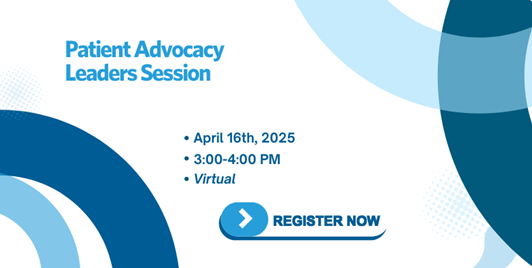
ABC invites you to join your colleagues in the brain space for an exclusive American Brain Coalition session on navigating advocacy opportunities in the 119th Congress. Recognizing that professional societies and patient advocacy leaders bring unique perspectives and messaging approaches, we are offering two tailored sessions to strengthen your advocacy skills. Please see below for details and register for the session that best fits your role.
| | |
STARR Research Ambassador Program
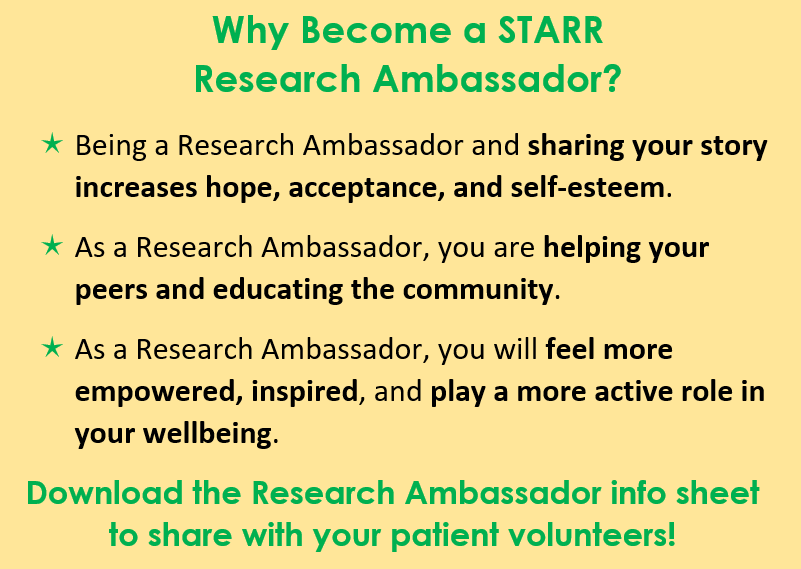
Research Ambassadors are individuals living with a mental illness who have participated in clinical research and are willing to talk about their personal journey, share their clinical research experience, talk about how their participation in a research trial has impacted their lives... and encourage others to join in help shaping the future of cutting-edge treatments.
| | |
The STARR Coalition Research Ambassador Program was originally established to collect testimonials from volunteers in support of mental health research, but it quickly grew into something much bigger.
Volunteers that become Research Ambassadors are engaged on a different level: they identify as a partner in research.
As part of being a STARR Research Ambassador, volunteers help educate others through the following activities:
- Speaking with a STARR Coalition coordinator and sharing your story. This could take place once or over the course of several meetings before, during, and/or after a study.
- Talking to peers about your experience with clinical research to help spread awareness of clinical research as a viable and trust-worthy care option.
- Sharing your journey and experience with researchers to help inspire them to continue to work to find new treatments.
There are lots of ways to participate as a Research Ambassador. It's a fantastic opportunity for volunteers to get involved and contribute to various projects, as well as assist others in their journey! Volunteers' support for others also has a positive impact on their own growth and well-being! ❤
| | | | |
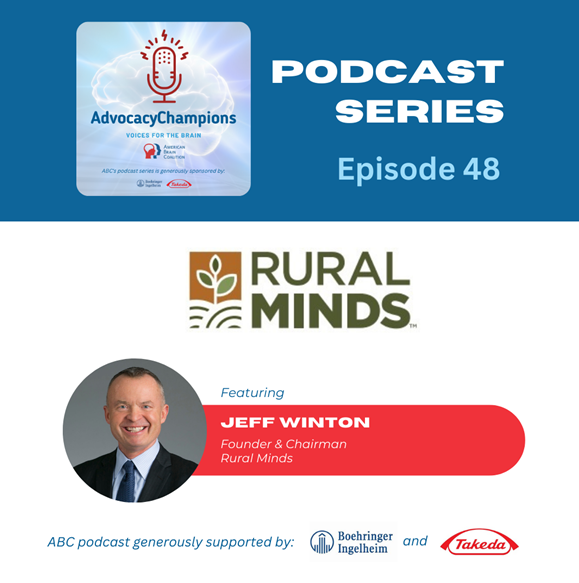
Check out ABC's latest podcast, featuring STARR advocacy partner, Rural Minds!
Join Katie Sale, Executive Director of ABC, for a conversation with Jeff Winton, Founder and Chairman of Rural Minds. Discover the history of Rural Minds and learn how they strive to be the informed voice for individuals affected by mental health issues in rural America.
American Brain Coalition's 'Voices for the Brain' podcast series introduces and talks to members of the ABC. ABC's podcast is generously supported by Boehringer Ingelheim & Takeda Pharmaceuticals.
Check out the podcast HERE.
| | |
Mark your calendar! Join us May 14-15 in Washington, D.C., for S&PAA's 2nd annual SPRING Summit! We’ll bring together people with schizophrenia, caregivers, clinicians, researchers and others for two days of panel sessions, workshops and collaboration as we continue to activate our Roadmap to Recovery. Join us at the only forum specifically dedicated to the needs of the schizophrenia community and designed to identify actionable solutions. Click here to sign up to receive the invitation with the full agenda, reception info, speakers and a registration link. We can’t wait to see you in May!
| | |
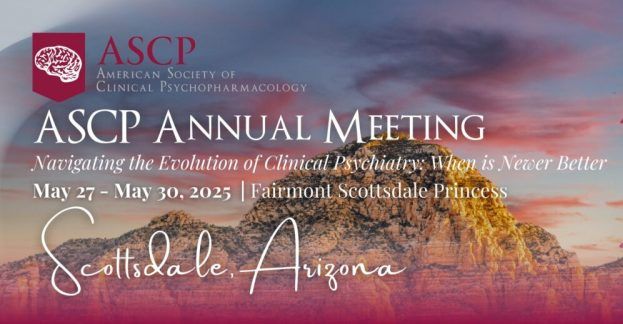
The 2025 ASCP Annual Meeting will be held May 27-30 2025 at the Fairmont Scottsdale Princess Hotel in Scottsdale, Arizona. This year's theme is 'Navigating the Evolution of Clinical Psychiatry: When is Newer Better?' The Late-Breaking Posters submission deadline is March 28, 2025. More info on 2025 ASCP Annual Meeting here.
| | |
At NAMICon 2025, we’re meeting you where you are—whether at home, at work, or on your unique mental health journey. Held virtually from June 11-13, this year’s conference is your chance to connect, inspire, and drive meaningful change. The 2025 Call for Proposals is Open! Share your story, experiences, and transformative ideas to inspire and empower a diverse audience. Whether through personal insights or innovative research, your voice has the power to challenge perspectives and drive change in mental health. More information and to submit a proposal here.
| | |
The Mental Health America 2025 Conference will be held October 16-17 in Washington D.C. and will explore the theme "Turn Awareness Into Action". The conference will bring together experts, innovators, and advocates who are implementing strategies that work — approaches that improve mental health care, expand access, and create lasting change. The 2025 Call for Proposals is open. For more information and to submit a proposal, click here.
| | |
Check out this month's post from Research Ambassador, Douglas Meron, a peer support specialist living with schizoaffective disorder.
Recently, I confidently shared my mental health story at a crisis house in San Diego, California. I work as a presenter in NAMI’s In Our Voice Program. Several years ago, I resided at the same crisis house. In telling my story, I emphasized that in my recovery, taking the medications as prescribed was at the core of my many comebacks. Being stable on my meds allows me to practice gratitude. I felt amazed and blessed that my trials and tribulations with schizoaffective disorder could provide a roadmap to the brave men and women I met at the crisis house.
Just a month ago, I had a terrible case of insomnia. I was taking my medication as prescribed but was only averaging a couple of hours of sleep a night. During these long nights, I relied on my vast support system and helpful helplines to talk out my issues. Eventually, I would need to be hospitalized for ten days at a local hospital. During those ten days, I experienced a vast amount of healing and new coping skills. After the hospitalization, I purchased a small drum, which is yet another tool in my coping skills toolbox.
I shared with the residents that recovery is not a linear process. I took a few steps back in February, but thanks to my support system, I was able to return to my baseline and then take a couple of steps forward. A few men and women were inspired to tell their stories, and I shared that recovery from mental illness is possible. I was honored that they felt comfortable to share their stories out loud. There is power in telling your story, and this power can lead to recovery. The most rewarding part of the experience was when a younger man approached me after my presentation and stated that my story gave him hope that he could reclaim his strengths and pursue the dreams he had for his life.
| |
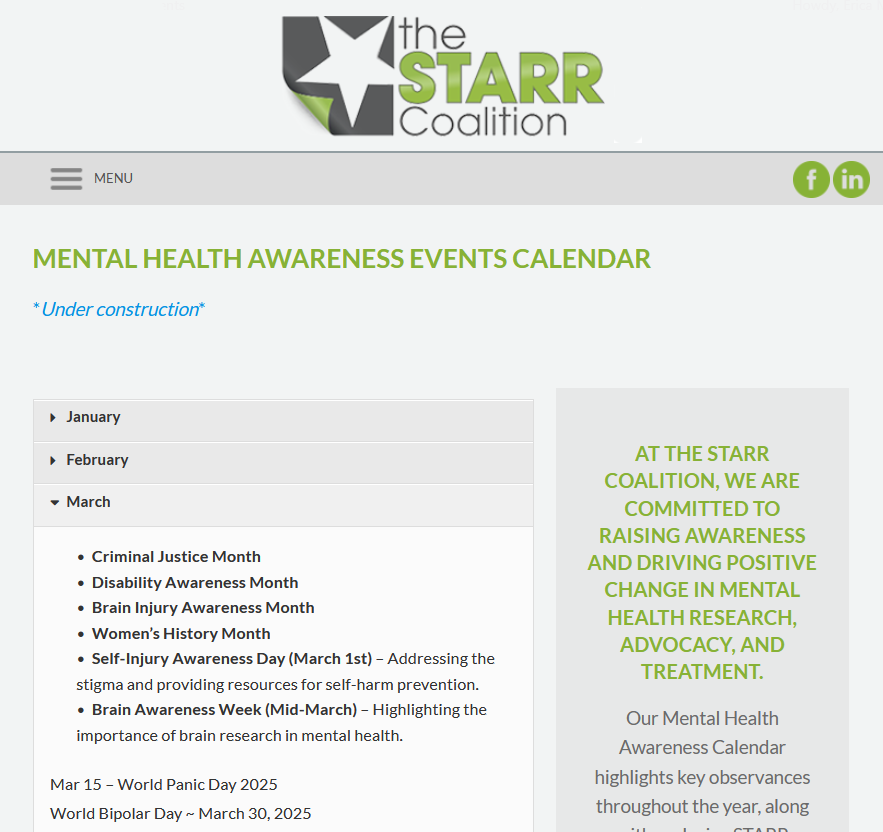
Mental Health Awareness Events Calendar
We are excited to announce the launch of our Mental Health Awareness Events Calendar, a dynamic online resource designed to highlight key mental health observances and special STARR Coalition events throughout the year.
This calendar serves as a resource for annual awareness events and activities, as well as an informal editorial calendar for the STARR Newsletter.
We want this to be a comprehensive resource for all! If you host an annual mental health-related event, we’d love to include it. Simply send your event details to action@thestarr.org, and we’ll add them to the calendar. Please note, we can only include annual events at this time.
Visit our website to explore the calendar, mark your calendars for upcoming events, and join us in making mental health a priority all year long! 💚
| | |
Just a reminder: May is right around the corner!
If you haven't already started planning for Mental Health Awareness Month, we can help.
Check out our Mental Health Awareness Month resources page and feel free to use our #MHAM graphics and links: Mental Health Awareness Month page.
| | | | |
The Harley Jacobsen Clinical Trial Participation Income Exemption Act seeks to exclude all payments to participants in clinical trials from being treated as taxable income so welfare benefits are not put at risk.
WHAT CAN YOU DO TO SUPPORT THIS IMPORTANT LEGISLATION?
1. Sign the petition on Change.org to show your support for the Harley Jacobsen Act. Share the petition with your network and colleagues.
.
2. Sign on the Mural Health website, supporting the Harley Jacobsen Act.
| | |
Thank you for reading!
If you have questions, comments, or would like to submit an item to be included in an upcoming newsletter, please email erica@thestarr.org.
| | |
The STARR Coalition | www.thestarr.org
SHARE, CARE, AND BE KIND.
| | | | |