|
Dear Neighbors,
As we head into the Fourth of July holiday weekend, our region is experiencing dangerously high temperatures, with heat index values expected to climb above 100 degrees under full sun. We want to share timely, reliable information to help you and your family stay safe during this period of extreme heat.
Prolonged exposure to high temperatures can quickly lead to heat-related illness, especially for older adults, young children, outdoor workers, and those with chronic health conditions. We encourage everyone to stay hydrated, limit outdoor activities during the hottest parts of the day, and check in on neighbors, friends, and loved ones who may need assistance.
Below you'll find information on cooling centers, heat safety tips, available assistance programs, and other Fairfax County resources to help you stay safe throughout the holiday weekend.
If you are experiencing a medical emergency or believe someone is suffering from heat stroke, call 911 immediately.
As always, if our office can be of assistance, please contact us at Mason@fairfaxcounty.gov or 703-256-7717.
We hope you have a safe, healthy, and enjoyable Independence Day weekend.
Sincerely,
| |
Andres Jimenez
Mason District Supervisor
| | | 10 Things to Know During This Week's Extreme Heat | | |
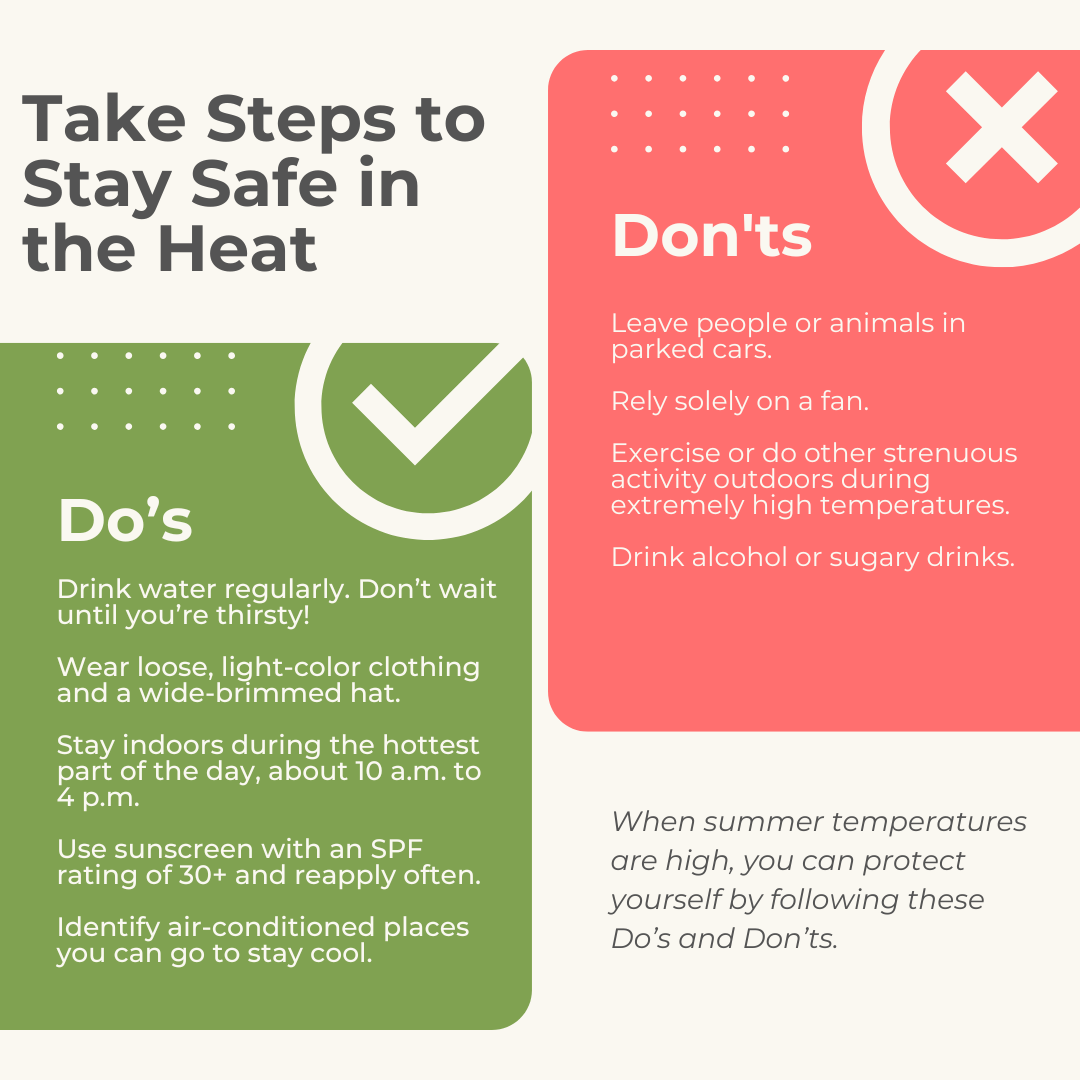
1. Stay Hydrated
Drink plenty of water throughout the day—even if you don't feel thirsty. Avoid excessive alcohol and caffeine, which can contribute to dehydration.
| |
2. Find a Cool Place
Cooling Centers are available at Fairfax County libraries, community centers, REC Centers, Human Services Regional Offices, and homeless shelters during normal operating hours. Be sure to check that facilities are open before visiting.
| |
3. Know the Warning Signs
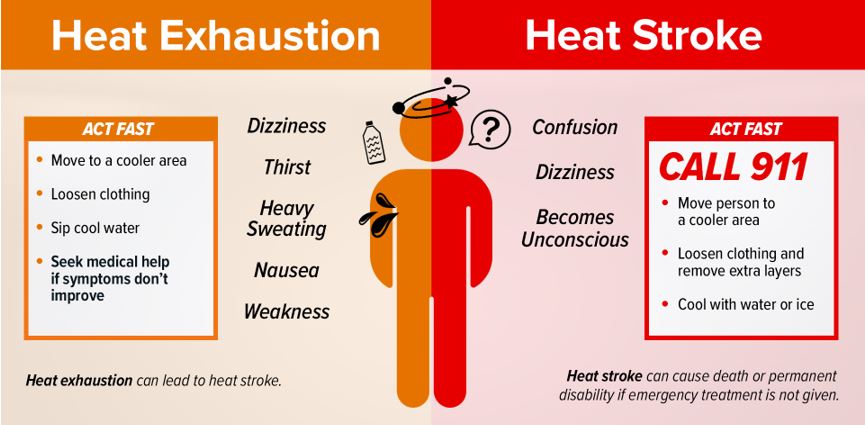
Heat exhaustion can cause heavy sweating, dizziness, headache, nausea, and weakness. Heat stroke is a medical emergency and may cause confusion, loss of consciousness, seizures, or a high body temperature. Call or text 911 immediately if someone is experiencing heat stroke.
| |
4. Avoid Peak Heat
Stay indoors whenever possible and postpone yard work or outdoor activities until the early morning or evening.
| |
5. Check on Neighbors
Older adults, young children, people with disabilities, individuals with chronic medical conditions, and those taking certain medications are at greater risk during extreme heat. A quick phone call or visit can make a big difference.
| | |
6. Never Leave Anyone in a Parked Car
Never leave children, older adults, or pets unattended in a vehicle—even for a few minutes. Temperatures inside a car can become deadly very quickly.
| |
7. Protect Your Pets
Keep pets hydrated, provide plenty of shade, avoid hot pavement, and limit outdoor activity during the hottest parts of the day. If the pavement is too hot for your hand, it's too hot for their feet.
| |
8. Stay Safe if You Work Outdoors
Take frequent water breaks, rest in shaded or air-conditioned areas, use SPF, and, when possible, schedule strenuous work for cooler parts of the day.
| |
9. Help Is Available
Income-eligible residents may qualify for Cooling Assistance, including help paying electric bills, repairing cooling systems, or obtaining a window or portable air conditioner.
| |
10. Stay Informed
Sign up for Fairfax Alerts to receive emergency notifications, weather updates, and heat-related information throughout the summer.
| | County Heat Plan Activation | | |
Fairfax County will activate its heat plan when the National Weather Service issues an advisory, watch or warning (usually 24 hours in advance). View heat forecast.
-
Heat Advisory: issued when the heat index values is expected to reach 105 to 109 degrees within the next 12-24 hours.
-
Extreme Heat Watch: Issued when there is a potential for the heat index to reach or exceed 110 degrees within the next 24-48 hours.
-
Extreme Heat Warning: Issued when the heat index values is expected to reach or exceed 110 degrees within the next 12-24 hours.
| | Heat Related Illnesses: What to Watch For | | As temperatures rise, so do the risks of heat-related illnesses. Older adults, young children, outdoor workers, and people with chronic health conditions are especially vulnerable, but extreme heat can affect anyone. | | |
Heat Exhaustion:
Symptoms: Heavy sweating, weakness, dizziness, nausea, cool or clammy skin, headache, muscle cramps.
What to Do:
- Move to a cooler spot (ideally indoors with air conditioning)
- Apply cool, wet cloths to your body or take a cool bath
- Sip water
- Seek medical help if symptoms worsen, last more than an hour, or include vomiting.
| |  | |
Heat Stroke:
Symptoms: Confusion, slurred speech, body temp above 103°F, red or dry skin, rapid pulse, fainting.
What to Do:
- Call 911 immediately. This is a medical emergency.
- Move the person to a cooler place
- Use cool cloths or a cold bath to lower body temperature
- Avoid giving fluids unless told otherwise by a medical professional.
| | |
|
Dehydration:
- Symptoms: Dry mouth, fatigue, dizziness, dark-colored urine, muscle cramps.
- What to Do: Sip water or electrolyte drinks to rehydrate. Avoid or limit caffeine and alcohol consumption, as these can be dehydrating.
Heat Rash:
- Symptoms: Clusters of red blisters in sweaty areas.
- What to Do: Keep the area cool and dry. Avoid heavy creams or ointments that can trap heat.
Heat Cramps:
- Symptoms: Painful muscle cramps in the legs or abdomen, heavy sweating.
- What to Do: Rest, sip water (unless you feel nauseated), and gently stretch or massage cramped muscles. If cramps last more than an hour, seek medical attention.
Sunburns:
- Symptoms: Red, painful skin that feels hot to the touch.
- What to Do: Use sunscreen SPF 30+ to prevent sunburn, reapply often, and stay out of direct sunlight. For burns, take cool baths, apply aloe vera, and stay hydrated. Seek medical care if blisters or fever occur.
| | | | |
Please remember: never leave pets in the car! Temperatures rise quickly even with the windows down and it can be deadly for your pet.
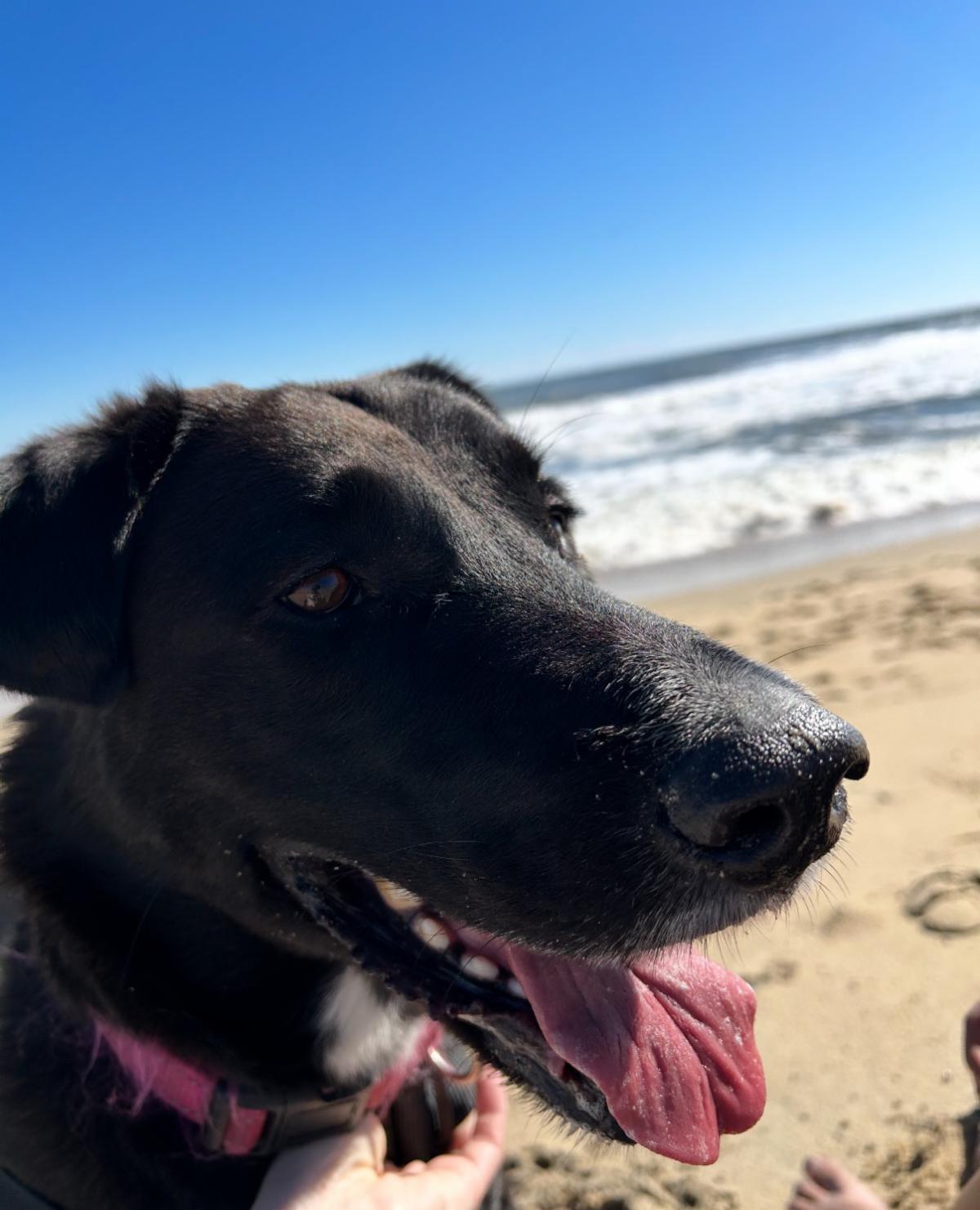
During this heat wave, we're keeping these simple tips in mind to help make sure our dog, Maggie, stays safe, healthy, and happy:
- Be sure your pets have access to plenty of water, especially when it’s hot.
- Make sure your pet has plenty of shady places to go when outdoors.
- Test sidewalks with your hand. If it’s too hot for your hand, it’s probably too hot for your pet.
- Avoid exercising with your pet outside on extremely hot days.
- If you see a pet alone in a parked car on a hot day, call 9-1-1.
Signs of Overheated Dogs
As a dog’s temperature rises, the body attempts to release heat by increasing blood flow to the tongue and gums. Recognizing early warning signs can help prevent a dangerous situation from escalating.
Common signs of overheating include:
-
Frantic or excessive panting
- Extreme salivation or thick saliva
- Bright-red gums or tongue
- Labored breathing
- Weakness or inability to stand
- Vomiting or diarrhea
To learn more, please read this article from the American Kennel Club.
| | Protect Vulnerable Populations from Extreme Heat | | |
Check on people with vulnerabilities in our community who may need help responding to the heat.
-
Older adults are more prone to heat-related health problems. If you are an older adult or a caregiver to an older adult, ensure that you are staying informed for health and safety updates and seeking medical care when needed.
-
Infants and children should be dressed in loose, lightweight clothing and should never be left in a parked car even if the windows are open.
-
People who work outdoors are more likely to become dehydrated and get heat-related illness. Encourage outdoor co-workers to drink plenty of water, ask if tasks can be scheduled earlier or later to avoid extreme heat and take frequent breaks to cool down and hydrate. Workers and supervisors should be able to recognize symptoms of heat stress.
-
Individuals who are on prescription medications may have difficulty communicating what they are experiencing or their medications may make the effect of extreme heat more pronounced.
-
People with chronic medical conditions may struggle to cope with or recover quickly from extreme heat.
| | | | |