The RNA Transcript, March 15, 2021 |
|
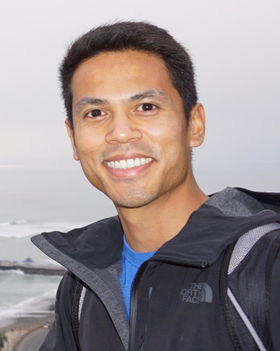
TODAY, Monday, March 15, 4:00 pm EST | U-M Center for RNA Biomedicine, RNA Innovation Seminar
“Programmable transcriptional memory by CRISPR-based epigenome editing”
|
|
Over 1,450 people attended our webinar with Melissa Moore, Chief Scientific Officer at Moderna Therapeutics, on March 3rd, 2021.
In her presentation, Dr. Moore explained how the mRNA vaccine works, and how it was developed in record time of just 45 days. To put an end to this pandemic, she strongly encouraged the audience to get vaccinated, with any vaccine available, as soon as possible.
While we were all stunned by the rapid onslaught of the COVID-19 pandemic, the release of a clinically tested mRNA vaccine in less than a year was just as astounding, sounding almost too good to be true. Yet the speed at which this innovative way of making a vaccine became possible was based on years of cutting-edge RNA research that were ready to be taken to the next level.
|
|
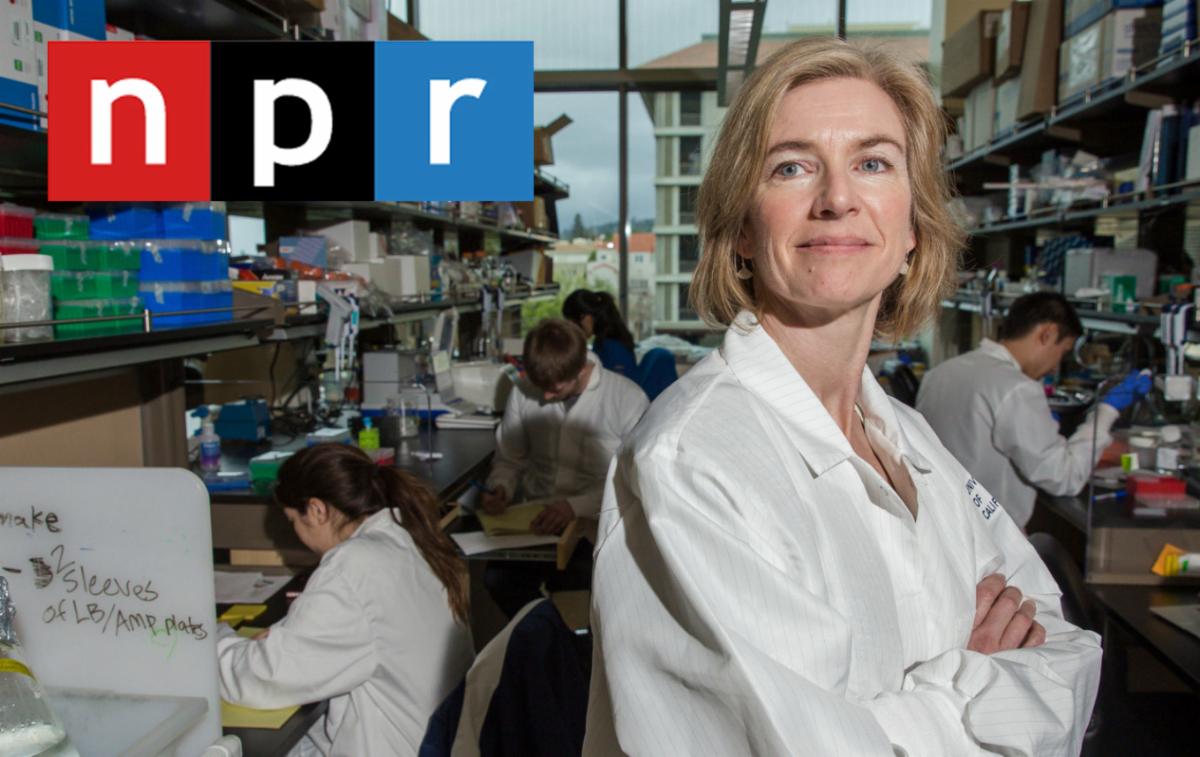
"CRISPR Scientist's Biography Explores Ethics of Rewriting the Code of Life"
Biochemist Jennifer Doudna, the subject of Walter Isaacson's new biography 'The Code Breaker,' shared a 2020 Nobel Prize in chemistry with Emmanuelle Charpentier for developing the CRISPR gene editing technology. Gross and Isaacson discuss mRNA vaccines, how gene editing works, and some of the moral questions that these developments raise.
|
|
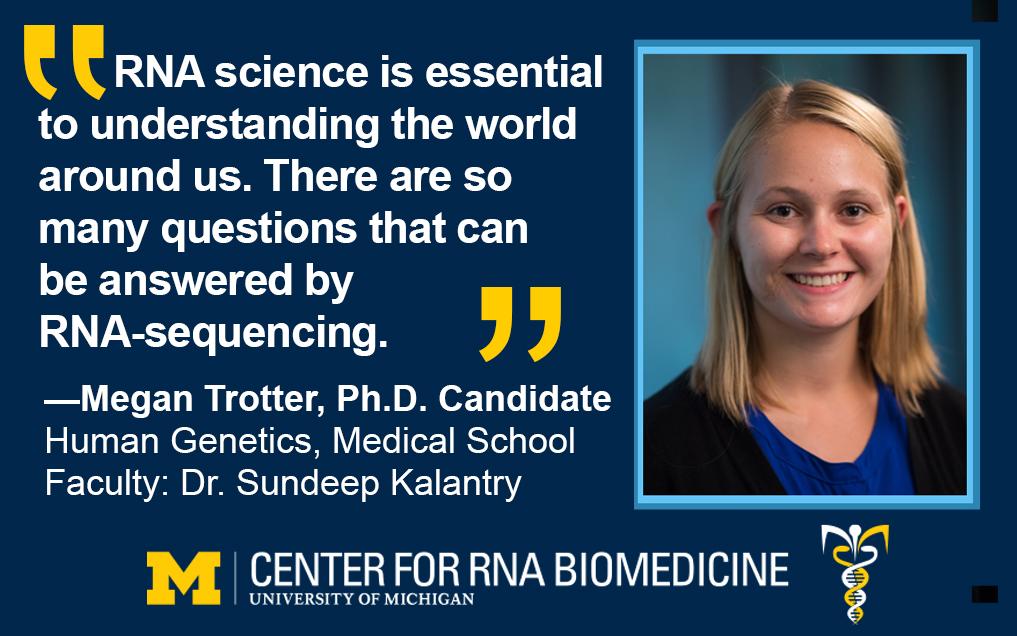
Human Genetics, Medical School - Faculty: Sundeep Kalantry
|
|
I study epigenetic factors that influence X-chromosome inactivation. X-inactivation takes place in female mammals to equalize X-linked gene expression to that of males. However, even in cells that have undergone X-inactivation, there is still expression of some “escape” genes from the inactive X-chromosome. I am interested in an escape gene called Kdm5c. The higher expression of Kdm5c in females compared to males even after X-chromosome inactivation suggests that it plays a role in a female-specific process such as X-inactivation itself. Understanding the role of KDM5C in X-inactivation will help us to uncover potential therapies for females with X-linked genetic disorders.
|
|
FEATURING OUR KEYNOTE SPEAKERS |
Friday, March 25, 11:05–12:00 pm
“RNA Splicing, Chromatin Modification, and the Coordinated Control of Gene expression”
|
ANNOUNCING THE DATA BLITZ AWARDEES
Thursday, March 25, 1:05–1:35
Daniel Peltier, M.D., Ph.D., Clinical Lecturer, Pediatrics, Medical School
Cathy Smith, Graduate Student, Computational Medicine and Bioinformatics, Medical School
Yan Zhang, Ph.D., Assistant Professor, Biological Chemistry, Medical School
Friday, March 26, 1:05–1:35
Adrien Chauvier, Ph.D., Postdoc and Research Assistant, Chemistry, College of LSA
Meredith Purchal, Graduate Student, Program in Chemical Biology, College of LSA
Shannon Wright, Graduate Student, Neurology,
Medical School
|
|
.........................
Of our five keynote speakers, which scientist is most likely to talk about "RNA destruction?"
|
|
Choose below - See the answer next week!
|
|
|
LAST WEEK QUESTION: Of our five keynote speakers, which scientist is most likely to talk about CRISPR?
ANSWER:
March 26, 12:10–1:05,
Feng Zhang, Ph.D., MIT, will talk about “Exploration of Biological Diversity to Discover Novel Molecular Technologies.”
|
|
The Symposium is sponsored by the University of Michigan Biosciences Initiative, and Lexogen. |
|
Monday, March 15, 10:00 am ET | U-M, Bioinformatics, Medical School, Dissertation defense
"Computational Methods to Identify Regulatory Variants in the Non-Coding Regions of the Human Genome"
Shengcheng Dong, advisor: Alan Boyle
|
|
Tuesday, March 16, 3:00 pm ET | U-M Human Genetics 2021 Seminar Series
"New Insights into the Regulation of X-Chromosome Dosage Compensation"
Kathrin Plath, Ph.D., Professor, Department of Biological Chemistry, UCLA David Geffen School of Medicine
|
|
Tuesday, March 16, 3:00 pm ET | Harvard Medical School Initiative for RNA Medicine, Technology Showcase
“Mechanisms Controlling Translation and mRNA Decay”
|
|
Wednesday, March 17, 1:30-3:00 pm ET | U-M Michigan Medicine
"A Conversation with the Burroughs Wellcome Fund"
Presentation with Q&A Session
Faculty, students and staff are invited to participate in a 30-minute presentation and 1-hour Q&A session from Burroughs Wellcome Fund (BWF) President Lou Muglia, M.D, Ph.D. and senior program officers describing each of the grant funding programs available through the fund and recommendations for prospective applicants on preparing the most competitive proposals.
|
|
Thursday, March 18, 6:30 pm ET | UMass Medical School Postdoctoral Association
"Epigenetics: Going Beyond Your Genome"
Dr. Erica Hildebrand and Dr. Melvys Valledor, postdocs at UMassMed
|
|
Friday, March 19, 1:00 pm ET | U-M Neuroscience, Medical School
"Matrin 3 Regulation in Physiology and Neurodegenerative Disease"
Ahmed Malik, advisor: Sami Barmada
|
|
Friday, March 19, 1:00 pm ET | U-M Medicinal Chemistry, College of Pharmacy
ZOOM, Meeting ID: 985 3560 5464
“Targeting Sigma-2 Receptor and ZFP91 in Pancreatic Cancer”
Maha Zidan, advisor: Nouri Neamati
|
|
Our members' publications are available through Altmetric. Five queries are currently available: "RNA," "microRNA," "Transcriptome," "Translation," and "Molecule." Please make sure to have at least one of these key words in your title or abstract. Below are recent highlights.
|
|
Keywords: ATP hydrolysis; group I intron ribozyme; RNA chaperone; RNA folding
|
|
What Did We Learn from the Molecular Biology of Adrenal Cortical Neoplasia? From Histopathology to Translational Genomics. Juhlin, C.C., Bertherat, J., Giordano, T.J. et al. Endocr Pathol (2021). https://doi.org/10.1007/s12022-021-09667-0
Abstract: We herein review the histological, genetic, and epigenetic landscapes of benign and malignant adrenal cortical neoplasia from a modern surgical endocrine pathology perspective and highlight key mechanisms of value for diagnostic and prognostic purposes.
|
|
Precision Health Investigators Awards are open to University of Michigan full-time faculty members with a primary appointment in research, instructional (tenure), or clinical tracks. Up to eight two-year awards in will be funded in 2021, for up to $200,000 per project. Pre-proposals are due Wed., May 12, 2021, 11:59 p.m. EST. For more information. To apply
|
|
Thank you for your Giving BlueDay gift, March 10th!
|
|
Share your news
and comments,
|
|
|
|
|
|
|
|