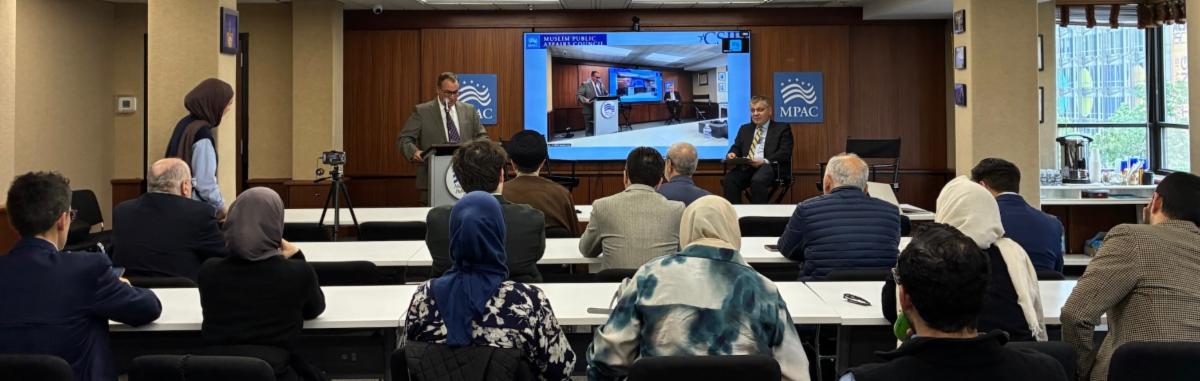
|
Dear Friends,
We are pleased to send you this detailed report, with links to VIDEOS, for our fourth edition of the World Policy Forum:
What is Sharia Law, and is it a Threat to Our Democracy?
Wednesday, April 22, 2026
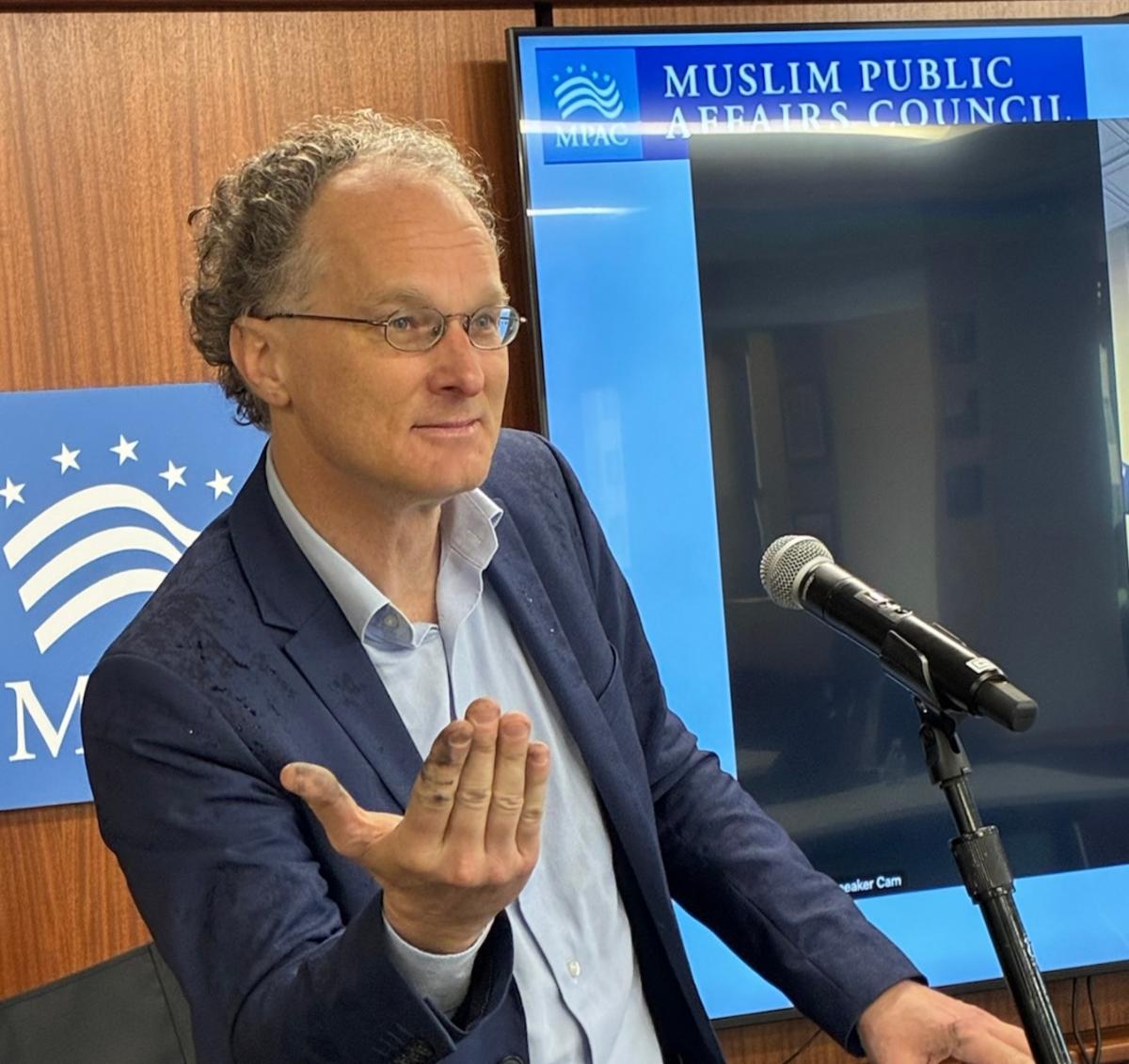
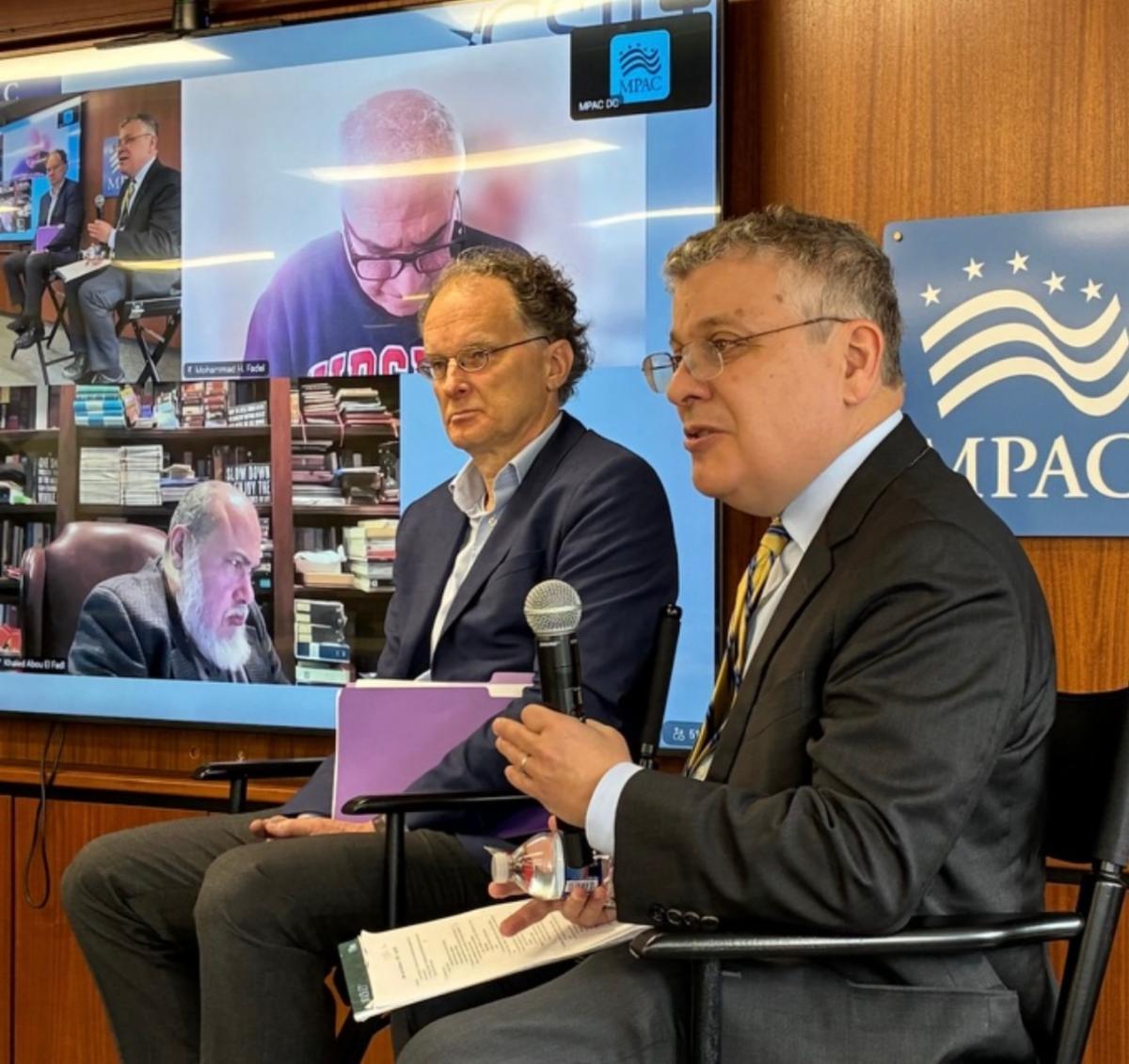
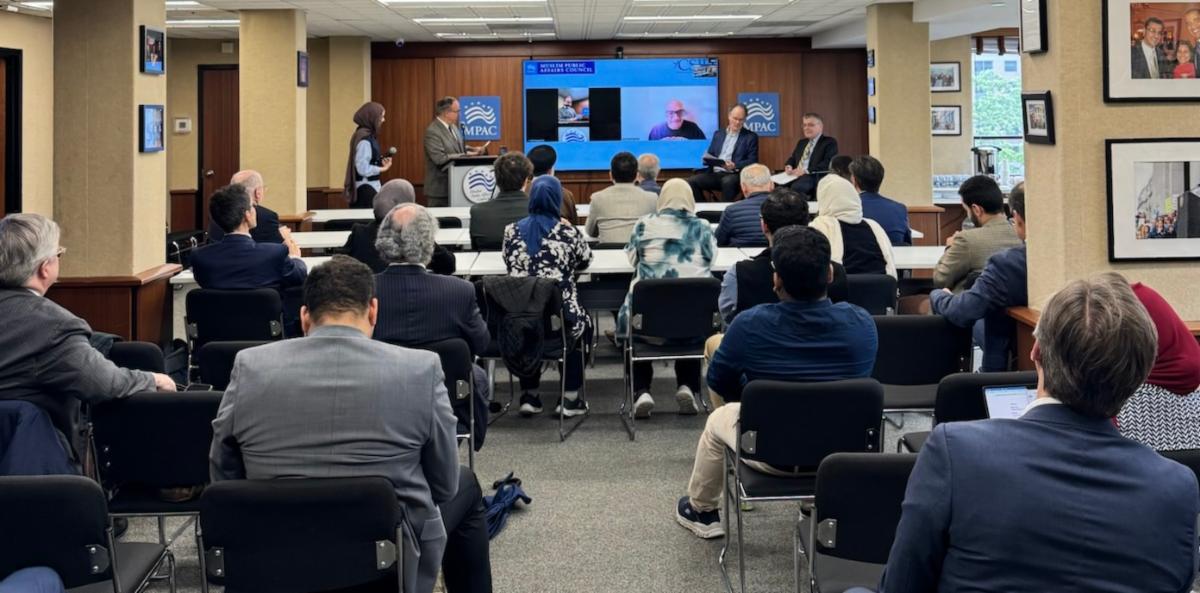
Hosted by the Muslim Public Affairs Council (MPAC) and the Center for the Study of Islam and Democracy (CSID)
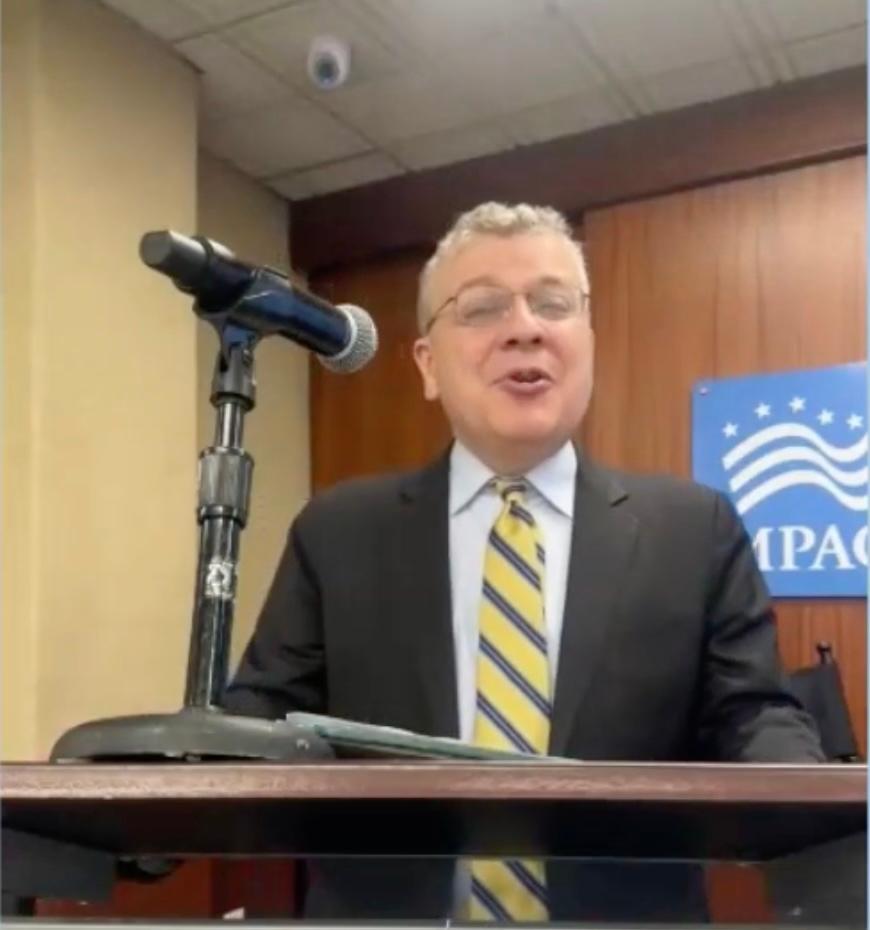
MPAC and CSID Teams
| | |
Executive Summary
The fourth World Policy Forum organized by the Muslim Public Affairs Council (MPAC) and the Center for the Study of Islam and Democracy (CSID) brought together leading scholars of constitutional law, Islamic law, theology, and religious pluralism to address one of the most politically charged questions in contemporary American discourse: whether Sharia poses a threat to American democracy.
The forum reached a broad consensus that current anti-Sharia rhetoric and legislation are driven far more by fear, misinformation, and political polarization than by any genuine legal threat. The panelists emphasized that Sharia is not a monolithic legal code seeking to replace the Constitution, but rather a broad ethical and moral tradition encompassing personal conduct, spirituality, family life, and legal interpretation. They stressed that American constitutional law already contains robust safeguards preventing any religious or foreign legal system from superseding constitutional protections or public policy.
Four eminent scholars warned that sweeping anti-Sharia proposals, including efforts to exclude Muslim schools, restrict religious arbitration, or target Muslim civic organizations, risk violating core First Amendment protections of religious liberty, equal protection, and freedom of association. Beyond constitutional concerns, the panelists argued that such policies are strategically counterproductive. Broad anti Muslim rhetoric reinforces extremist narratives that claim the United States is inherently hostile to Islam, while alienating Muslim Americans who are overwhelmingly committed to democratic participation and civic engagement.
At the same time, the discussion acknowledged that public anxieties surrounding Sharia are not solely the product of racism and extremism. Decades of terrorism, global instability, and media portrayals of groups such as ISIS and the Taliban have contributed to widespread misunderstanding. Participants therefore stressed that policymakers should distinguish clearly between violent extremism and the peaceful religious practices of millions of Muslim Americans.
Policy recommendations for lawmakers, educators, and civic leaders:
-
Reject broad anti-Sharia legislation that targets religious communities collectively and instead rely on existing constitutional and criminal law mechanisms to address any actual unlawful conduct.
-
Invest in civic and religious literacy initiatives that educate policymakers, law enforcement, schools, and the broader public about Islam, religious pluralism, and constitutional protections.
-
Encourage partnerships between government agencies and mainstream Muslim civic and religious institutions to strengthen trust, counter extremism, and promote social cohesion.
-
Protect religious liberty consistently across all faith communities, recognizing that precedents targeting Muslims today could later undermine the rights of Christians, Jews, or other minorities.
-
Support interfaith and cross ideological dialogue that reduces polarization and reinforces a shared American commitment to democracy, pluralism, and constitutional order.
The overarching conclusion of the forum was that American democracy is strengthened, not threatened, when religious diversity is protected under a common constitutional framework grounded in liberty, equality, and mutual respect.
Watch Video
| |
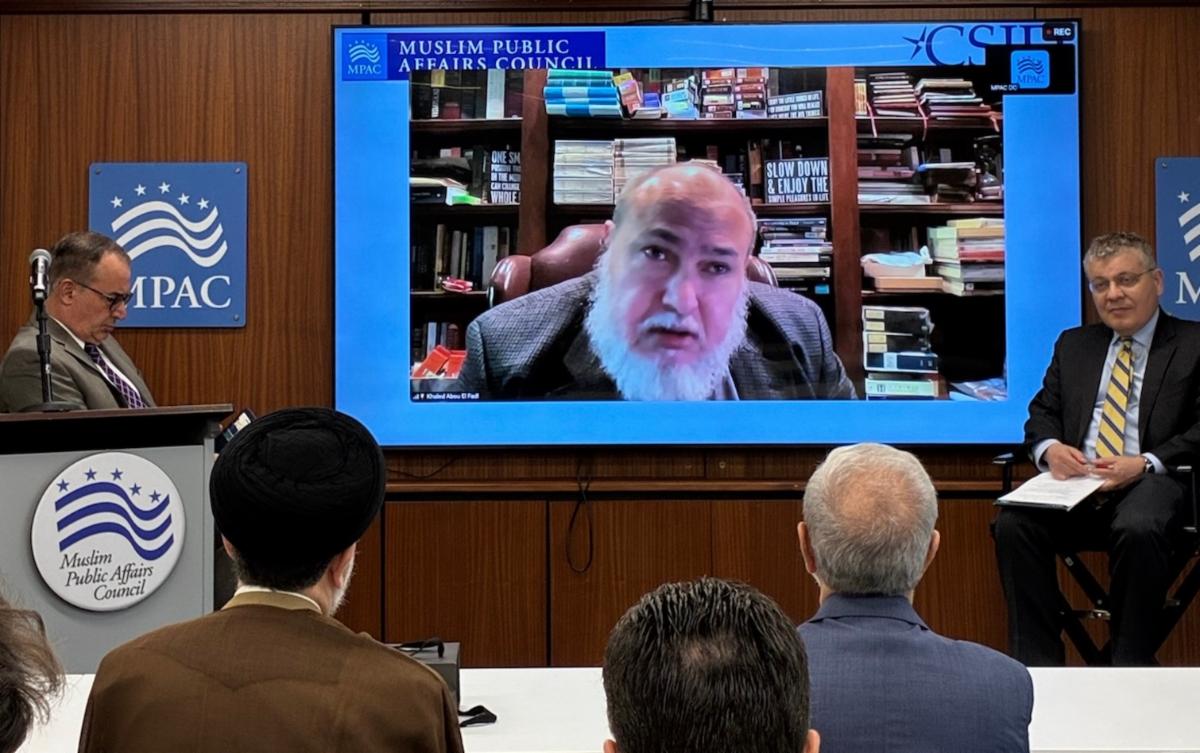
Professor Khaled Abou El Fadl
Professor Khaled Abou El Fadl delivered an analytical critique of the anti Sharia movement in the United States, arguing that it is not driven by a genuine concern about Islamic law, but by racialized fear, exclusion, and Islamophobia.
He began by noting that anti Sharia campaigns have recurred for more than a decade, especially in states such as Texas and Florida. The key question, he argued, is whether these politicians and movements suffer from a “Sharia knowledge deficit.” His answer was clear: lack of knowledge is not the real problem. Efforts to explain the complexity, diversity, and nuance of Sharia are often dismissed, ignored, or treated as deception. This shows that anti Sharia activism is not a reasoned debate about law or theology.
Instead, Abou El Fadl argued that anti Sharia rhetoric functions as a proxy for racism. It “others” Muslims, casts them as foreign and dangerous, and defines American identity in narrow cultural terms. He placed this rhetoric in a longer Western history of racializing Muslims through labels such as “Saracens,” “Moors,” and “Turks,” all used to portray Muslims as civilizational outsiders.
He emphasized that Sharia is a vast, rich, and complex legal and moral tradition, one he has studied for a lifetime and still considers deeply nuanced. Yet anti Sharia activists avoid serious scholarship and instead rely on conspiracy theories about Muslims, CAIR, the Muslim Brotherhood, Turkey, the Ottoman caliphate, and “political Islam.” These claims, he argued, are meant to create dread, not understanding.
Abou El Fadl also addressed the legal argument directly. Citing the work of conservative constitutional scholar Eugene Volokh, he explained that American courts already have strong safeguards: no foreign or religious law, including Sharia, can be applied if it violates American public policy. Therefore, fears that Sharia could somehow supersede the Constitution are legally baseless.
He concluded that the real purpose of anti Sharia discourse is not to prevent legal harm, but to exclude Muslims from public life. Since Muslims are only about 1% of the U.S. population, the claim that they could impose a theocracy is irrational. He urged Americans to call this movement what it is: an attempt to persecute a small minority through fear, conspiracy, and racism.
watch the video
| |
Professor Ilya Somin
Constitutional law scholar Ilya Somin delivered a defense of religious liberty and constitutional protections in response to the growing wave of anti-Sharia legislation and anti Muslim rhetoric in the United States. Speaking from a constitutional and public policy perspective, rather than a theological one, Somin argued that many current anti Sharia proposals directly violate the First Amendment and undermine core American principles of religious freedom and equal protection.
Somin began by grounding his remarks in the vision of the American founders, particularly George Washington, Thomas Jefferson, and James Madison, who explicitly affirmed that religious liberty in the United States was meant to extend to Muslims as well as Christians and Jews. He emphasized that the First Amendment protects both the free exercise of religion and freedom of speech, protections that apply equally to Muslim citizens and non-citizens residing in the United States.
He then outlined several categories of anti Sharia initiatives currently being promoted in state legislatures and Congress. These include efforts to exclude Muslim schools from school choice programs, attempts to prohibit Muslim religious communities, restrictions on voluntary religious arbitration under Islamic principles, and sweeping federal proposals such as the “Preserving a Sharia Free America Act,” which would effectively bar practicing Muslims from entering the United States.
Somin argued that such measures are unconstitutional because they target individuals specifically on the basis of religion. He stressed that constitutional protections are limitations on government power, not privileges reserved only for citizens. Citing recent Supreme Court rulings, including Carson v. Makin, he explained that the government cannot discriminate against religious institutions or individuals simply because they are religious.
Beyond the legal arguments, Somin warned that anti Muslim policies are also strategically counterproductive. He noted that extremist organizations such as ISIS have historically used anti Muslim rhetoric and discriminatory policies in the West as propaganda tools to recruit supporters and reinforce claims that the United States is hostile to Islam. He emphasized that the overwhelming majority of American Muslims reject extremism, and that many came to the United States precisely because they fled authoritarian or theocratic regimes abroad.
In concluding, Somin urged policymakers to address genuine concerns such as terrorism or illiberal foreign court rulings through narrowly tailored laws, rather than broad religious discrimination. His remarks offered a forceful reminder that defending Muslim civil liberties is not only a constitutional obligation, but also essential to preserving American democracy, religious pluralism, and national unity.
watch the video
| |
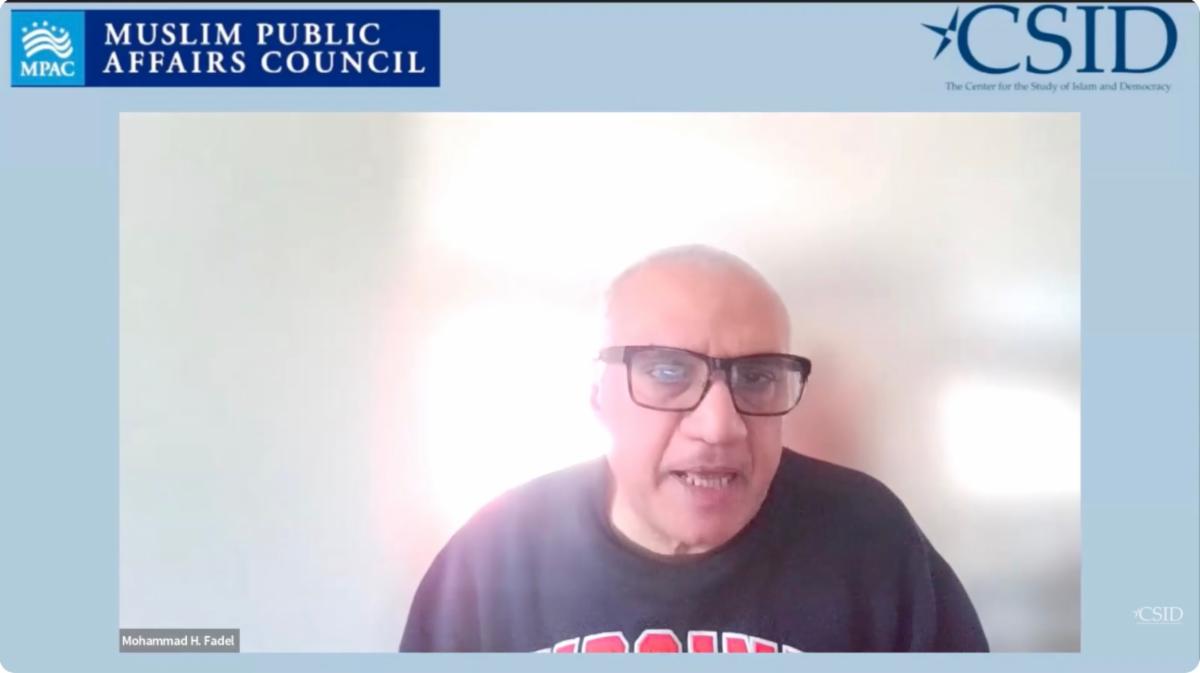
Professor Mohammad H. Fadel
Professor Mohammad H. Fadel offered a historical analysis of Sharia, religious freedom, and the deeper roots of anti Muslim suspicion in American political culture.
He began by clarifying the meaning of Sharia. In classical Arabic, Sharia means revealed law, not only for Muslims, but also for Jews and Christians. In Islamic jurisprudence, it refers broadly to the moral norms by which God judges human action. These actions fall into five ethical categories: obligatory, prohibited, commendable, disfavored, and permitted. Importantly, he emphasized that the largest category is the permitted, meaning Islam does not regulate every act of life in a coercive way. Technical Islamic law is only one narrow part of this broader moral and spiritual framework.
Fadel acknowledged that serious questions do exist about the relationship between Islamic law, democracy, constitutionalism, gender equality, and liberal citizenship. Muslims themselves debate these issues intensely. But he argued that the anti Sharia movement does not raise these questions for understanding, reform, or constructive criticism. It raises them for exclusion.
He described anti Sharia politics as a kind of modern inquisition. Rather than judging Muslims by their conduct, it seeks to investigate hidden beliefs, secret loyalties, and imagined heresies. This, he argued, violates the basic premise of liberal democracy, which requires good faith toward fellow citizens and intervenes only when conduct violates public law.
Fadel also corrected a common historical claim. While the founders did imagine religious liberty extending to Muslims, there were very few free Muslims in early America. There were, however, many enslaved Muslims who did not enjoy real religious freedom. He recommended Denise Spellberg’s Thomas Jefferson’s Qur’an as essential reading on Islam’s place in early American political thought.
He then situated anti Muslim sentiment within a deeper Protestant theological history, noting that Islam has long served as a symbolic “other” in parts of Christian thought, even when Muslims were barely present. Figures such as Cotton Mather preached against Islam despite the absence of a meaningful Muslim population in Puritan Massachusetts. This suggests that anti Sharia rhetoric is not only political or racial, but also rooted in older theological anxieties.
Fadel concluded that American law already has ordinary remedies for any real conflict between private religious practice and public law. Muslims, like all Americans, should remain free to worship, associate, and contract privately. If constitutional norms are imposed on private life, they must apply equally to all groups, not selectively to Muslims.
watch the video
| |
Professor Paul Heck
Professor Paul Heck offered a constructive reframing of the question, arguing that Sharia should not be seen as a threat to American democracy, but as a potential source of moral renewal and civic strength.
He began by broadening the meaning of Sharia beyond Islam. Every religious or moral community, he argued, has its own “Sharia,” meaning a way of life through which people form conscience, values, and communal identity. Jews, Catholics, evangelicals, Hindus, Muslims, and even atheists all participate in moral communities that teach people how to live responsibly within the rule of law.
For Heck, these communities are not dangers to democracy. They are essential to it. Drawing on Alexis de Tocqueville, he argued that American democracy depends not only on elections and legal rights, but on citizens with a developed moral conscience. Mosques, like churches and synagogues, help cultivate social trust, leadership, civic engagement, and a sense of responsibility. In this sense, Muslim Sharia spaces can strengthen, rather than weaken, American democracy.
He pointed to the aftermath of 9/11 as a powerful example. Terrorists sought to portray Islam and America as enemies, but many Muslim Americans responded by turning to the Constitution and American law to defend civil rights. Their response showed not disloyalty, but a deep commitment to American democratic values.
Heck also warned against a modern tendency to treat the state as the supreme source of loyalty. The state often pressures citizens to hide their religious commitments in order to prove their Americanness. Muslims, he argued, are only the latest group to face this suspicion, just as Catholics, Jews, evangelicals, and others have faced it in earlier periods.
While calling out Islamophobia and defending First Amendment rights are necessary, Heck said they are not enough. America needs a richer vision of religious pluralism, not as moral relativism, but as a way for different communities to recognize one another as fellow moral beings. Religious communities should not be isolated from each other, but should help deepen the moral life of the nation.
He concluded by placing today’s anti-Sharia politics within the long, ambivalent history of Christian Muslim relations, a history marked by both suspicion and solidarity. The choice before Americans, he suggested, is which path to take now. To overcome fear, the nation must affirm religious pluralism as part of the shared work of “we the people.”
watch the video
| |
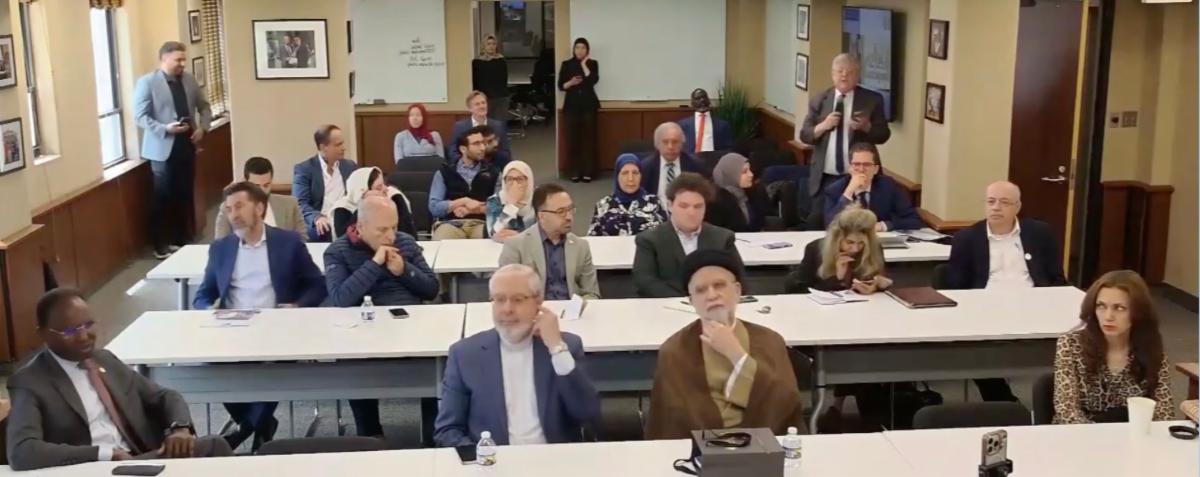
Q&A session:
The Q&A session that followed the World Policy Forum panel produced a rich and substantive discussion on the relationship between Sharia, democracy, pluralism, constitutional law, and Islamophobia. The audience questions pushed the panelists beyond abstract legal analysis and into deeper questions about political culture, theology, identity, and strategy.
One major theme was whether opposition to Sharia is driven primarily by irrational prejudice or by genuine intellectual and political concerns. Audience members argued that while some anti-Sharia activism is clearly rooted in racism and fear, there are also critics, including ex-Muslims and secular reformers, who raise substantive concerns about aspects of Islamic law. This led to an important exchange over whether Muslim scholars and organizations should continue engaging in educational outreach and apologetic efforts explaining Sharia, or whether the anti-Sharia movement is fundamentally immune to reasoned debate.
Professor Khaled Abou El Fadl responded that decades of apologetic engagement have often failed to persuade ideological anti-Muslim actors because many of them dismiss any Muslim reformist interpretation as deceptive or insincere. He argued that prominent Islamophobic figures openly embrace anti Muslim prejudice and portray any attempt to reconcile Islam with liberalism as part of a “stealth” strategy. For this reason, he insisted that anti Muslim discourse must be confronted directly as a form of racialized exclusion rooted in colonial and orientalist traditions.
At the same time, other participants emphasized the importance of continued engagement and public education. Mohammad Al-Sunusi argued that constructive dialogue with broader American society remains essential. He pointed to growing institutional recognition of Islamophobia, including the first ever USCIRF hearing dedicated to Islamophobia abroad, as evidence that engagement can produce results.
Another major topic concerned whether modern liberal democracies are capable of accommodating deeply rooted religious and moral frameworks. Ilya Somin argued that pluralistic democracy can succeed if government power remains limited, allowing diverse religious communities to live according to their own moral traditions while respecting constitutional boundaries. He stressed that liberal democracy is compatible with strong religious identities so long as no group seeks to impose authoritarian rule on others.
Professor Paul Heck reinforced this point by emphasizing that Muslim Americans have an important moral contribution to make to American society. He argued that the answer to Islamophobia is not withdrawal, but deeper participation in public life and the formation of broad moral alliances across religious communities.
Several questions also explored the flexibility and pluralism of Islamic law itself. Mohammad H. Fadel explained that Islamic law has historically evolved through interpretation, contracts, and legal reasoning, and that many issues commonly cited by critics, such as polygamy or family law, have long been addressed through internal legal mechanisms and reform traditions. He emphasized that Islamic law should be understood as a dynamic legal tradition rather than a rigid, monolithic code.
The discussion also turned to the historical roots of anti Muslim sentiment in the West. Fadel argued that anti Muslim rhetoric cannot be reduced simply to reactions to ISIS or the Taliban, but instead reflects much older theological and colonial traditions in which Islam was constructed as a permanent civilizational “other.” He noted that accusations of being a “secret Muslim” or “closet Muslim” have existed in American political culture since the founding era.
In his concluding remarks, Radwan Masmoudi acknowledged both dimensions of the debate. While agreeing that some anti-Sharia activists are motivated by racism and ideological hostility, he argued that many ordinary Americans misunderstand Islam simply because they have little meaningful exposure to Muslims beyond extremist media portrayals. He stressed that Muslim scholars and organizations themselves bear responsibility for improving public education and outreach about Islam, democracy, and Sharia.
Q&A Session
Watch video
| | | |
|
Center for the Study of Islam & Democracy (CSID)
1800 K Street, NW, Suite 1124
Washington, DC 20006
1-202-304-2940
www.csid-online.org
|
| | | |