News and information to help journalists serve the public and stay safe.
|
|
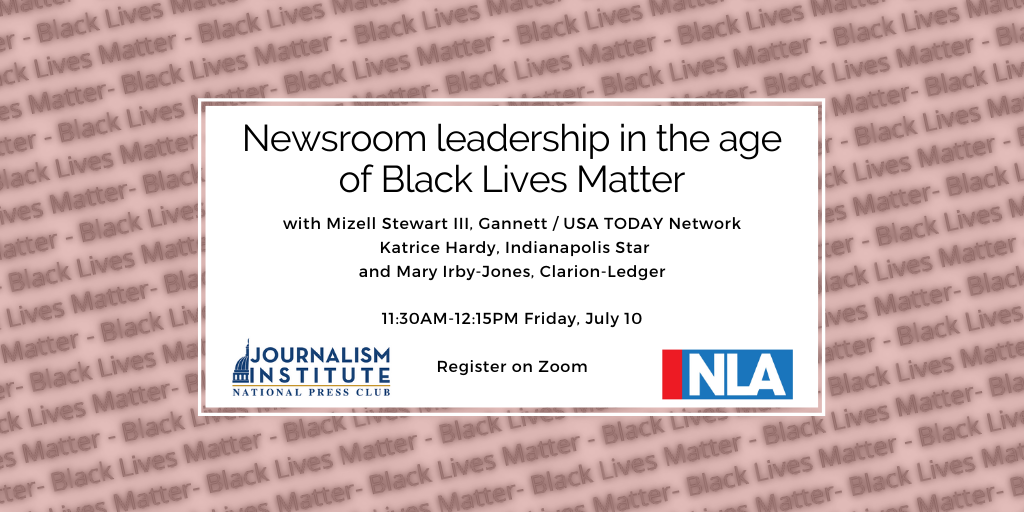
The pandemic, economic struggles, and demands for social justice are forcing newsrooms to account for their own failures at diversity, inclusion and representative coverage. Those failures have led to resignations of top leaders at The New York Times, Philadelphia Inquirer, and many other publications.
|
|
Mid-career professionals looking for journalism jobs during the pandemic should take heart, career experts said. Is it a challenging market? Yes. But prepared, adaptable, creative applicants will stand out.
Be prepared
. Start by updating your
online portfolio
or resume. Then take some time to reflect on what you really want.
“Now is the time to be honest with yourself about what you want in a job,” said
Damon Kiesow
, Knight Chair in digital editing and producing at the Missouri School of Journalism. “Make a list of what cities or states you want to work in, what daily tasks make you happiest, what skills do you want to be focusing on learning more about and what you want to be doing in three years. You will not find the perfect job, but that is the high standard you should measure each opportunity against.”
“If you are considering changing careers, research the new position and then conduct an inventory of your transferable skills to determine how to apply them in the new field,” said
Michael Wong
, director of career services at Arizona State University’s Walter Cronkite School of Journalism and Mass Communication. “Part of the research into a new career will involve networking with those who are working in the field. Through networking, you can determine what they like/dislike about the field and what level of education and training is needed to enter into and succeed in this new career.”
Suzanne Alcantara
, assistant dean of student affairs at USC Annenberg School for Communication and Journalism, advises thinking beyond a job. “There is no better time to be volunteering for a favorite cause — give back to the community while developing new skills, and connections can be a win for all involved,” she said.
Be adaptable
. “It’s so important to be flexible and creative when looking for jobs right now,” said
Alison Young
, Curtis B. Hurley Chair in Public Affairs Journalism and Washington Program Director at the Missouri School of Journalism. “Look for a journalism position where you can do good work, build your skills and portfolio, and serve a community. That might mean working in a smaller market than you had hoped for.”
Learn a new skill
. “During a slow time of hiring, you can learn a new skill or take an existing skill to a higher level by taking a class or enrolling in a certificate program,” Wong said. “Yes, you will have to pay something for this additional education, but the small investment will make you more skilled and more marketable.”
Get creative
. “If you can’t get a journalism job, look for a position that uses your journalism skills: writing, photography, video, research, analysis and communication,” Young said. “You will be gaining experience that will help position you for when there is more hiring.”
“Readjust expectations and consider adjacent industries,” said Alcantara. “Journalists specifically would be a tremendous asset to the nonprofit world, creating compelling content and storytelling that would have direct impact on communities in need.”
Stay positive
. “If you can make it through this job market, you'll be more successful in the long run because our industry is prone to huge shifts in the landscape,” said American University Professor
Jeremiah Patterson
, incoming director of the School of Communication weekend MA program in journalism and digital storytelling. “Wherever traditional jobs may shrink, others may evolve.”
|
|
|
The National Press Club Journalism Institute is spotlighting
the next generation of journalists
, students who graduated from college or Master’s programs this spring into
a challenging job market
. We hope they’ll meet future bosses and colleagues here, who will reach out and support them in building journalism’s future together.
School
:
Syracuse University
Location
:
Syracuse, NY
What have you learned from your involvement with student media on your campus?
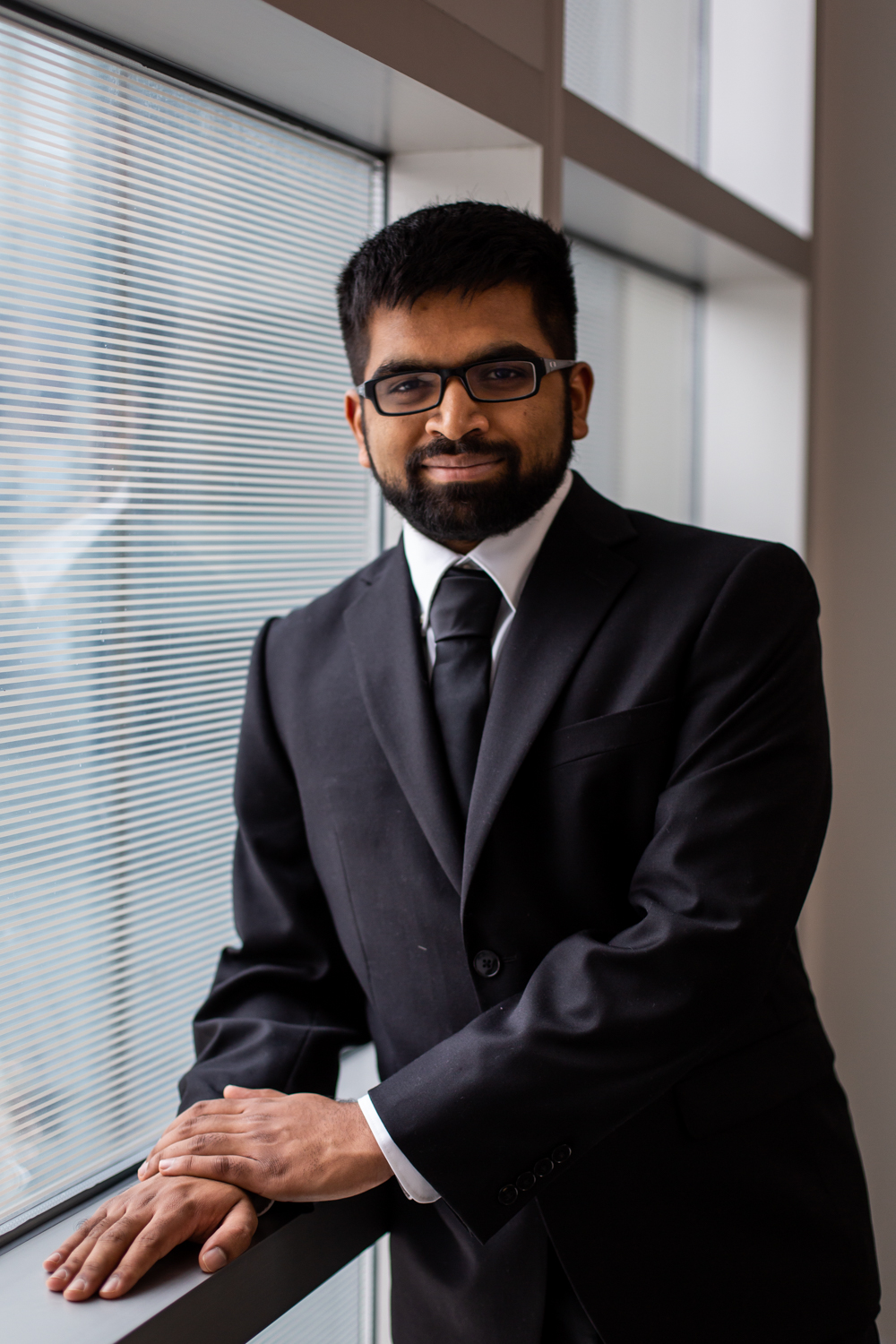
Nair
: Covering campus protests has prepared me for larger-scale protests around the country, as students at Syracuse University began movements in fall 2019 that parallel the protests now rocking America and the world. Other things I picked up included working in multiple media platforms, including magazines, television news, and online-only publications. Additionally, I got my first taste of documents-based reporting and, in my senior year, I was able to do a partnership with USA Today to FOIA/FOIL public info from various college athletics programs.
What's the wackiest story you've worked on?
Nair
: It wasn't an individual story, but reporting on the
New Hampshire primary
was an insane week — I was able to do it with some of my very close friends, which helped; I got aired on “All Things Considered”; my gas cap froze shut; and overall it felt like I was in a lucid dream for the week.
|
|
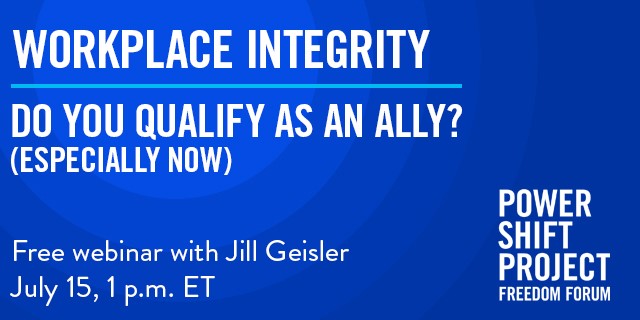
Advice from
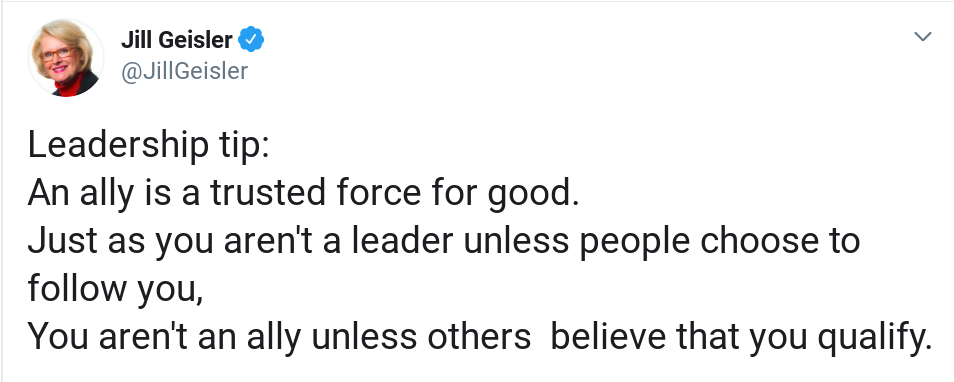
Jill Geisler
, Bill Plante Chair in Leadership & Media Integrity, Loyola University Chicago, Freedom Forum Fellow in Women’s Leadership
|
|
|
Lengthy to-do lists can be life-savers or anxiety-inducers, particularly during a pandemic. When
WFH interruptions and distractions
diminish our
productivity
and, in turn, affect our sense of self-worth, it’s time to rethink the to-do list.
- Consolidate. Having one master list (farewell, Post-its) can minimize the negative feelings that come when something slips through the cracks.
- End the day with a “done list”: a list of things you completed, instead of what’s left to do. Chances are, you’ve gone off your initial list and gotten done more than you think.
- Use your “done list” list to spot trends, and categorize your work. Finding your daily rhythms could be more effective than a to-do list.
- Rethink your not-so-fun or easy things to do. Sub in “I get to” for “I have to” when approaching tasks.
- Celebrate accomplishments, however small they seem.
- Add self-care to your to-do list. Your well-being is important.
|
|
This newsletter is written & edited by the National Press Club Journalism Institute staff: Beth Francesco, Holly Butcher Grant, Jim Kuhnhenn, and Julie Moos.
Send us your questions and suggestions
for topics to cover.
|
|
|
|
|
|
|