|
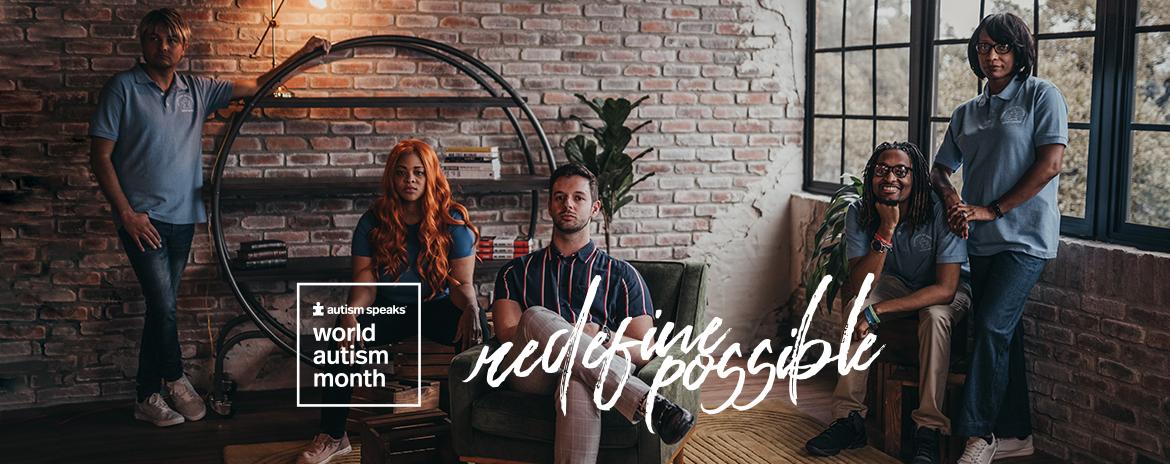
Commissioner's Message on Autism and Neurodiversity Acceptance Month
April is Autism and Neurodiversity Acceptance Month, with the word “acceptance” recently having replaced the word “awareness.” With more than 75 million people in the world who identify as living with autism, 35 thousand of whom live in New York State, we have certainly moved beyond the former “awareness” and expect that people with autism are accepted just as they are, with all the diverse traits that make people unique. As acting Commissioner of the Office for People With Developmental Disabilities, I celebrate the freedom to be yourself and to be acknowledged for who you are as a person, with or without a disability. At OPWDD, we take opportunities like this month to further highlight the achievements, contributions and skills that people with autism bring to our communities. Read more here.
| |
Attorney General James Sues Trump Administration for Slashing Vital Health Funding
New York Attorney General Letitia James and a coalition of 22 other states and the District of Columbia today filed a lawsuit against the Trump administration for abruptly and unlawfully slashing billions of dollars in vital state health funding. On March 24, the U.S. Department of Health and Human Services (HHS) announced it was clawing back more than $11 billion in funding previously allocated to states for public health, mental health, and addiction initiatives – including nearly $400 million for New York. The attorneys general argue that these sudden and reckless cuts violate federal law, jeopardize public health, and will have devastating consequences for communities nationwide. Attorney General James and the coalition are asking the court to immediately stop the administration from rescinding the funding and prevent the breakdown of crucial health services. Read more here.
| |
Supporting Veterans: Governor Hochul Announces Additional Round of Funding to Enhance Services for Veterans
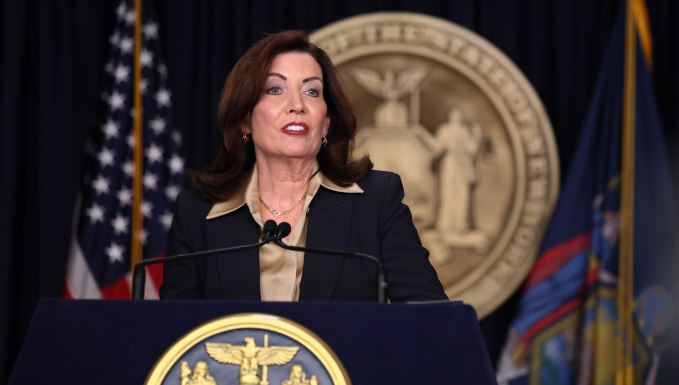
Governor Kathy Hochul last week announced the availability of capital grants to expand services for organizations that serve veterans, service members and military families. At least $1.35 million is available through the third round of the Veterans’ Nonprofit Capital Program distributed by the New York State Department of Veterans’ Services and the Dormitory Authority of the State of New York to support efforts to expand and enhance quality services available to the state’s veterans, service members and military families. $3.65 million in grants to 57 qualifying veterans’ organizations statewide was previously provided through the first two rounds of this program. These investments build on the Governor’s support for veterans, service members and their families, and her FY26 Executive Budget includes proposals to enhance veteran suicide prevention programs and expand support for gold star families. Read more here.
| |
National Prescription Drug Take Back Day Announced
The next DEA National Prescription Drug Take Back Day is from 10 a.m. to 2 p.m. on Saturday, April 26, 2025, at locations across the country. On Take Back Day, communities throughout the U.S. can drop off unwanted and expired medications at locations in their area. Keep abreast of the latest information at https://www.dea.gov/takebackday on locations near you and ways you can make a difference and prevent drug misuse before it starts.
| |
New York Moves Toward Statewide Cellphone Ban In Schools
New York is on the verge of becoming the next state to ban cellphone use during school hours — a victory for its Democratic governor who has been pushing to drastically limit the “endless disruptions from social media” on students. Gov. Kathy Hochul and lawmakers are hashing out the parameters of a full-day “bell-to-bell” restriction — one of the most sweeping issues the governor has championed during her tenure. Legislative leaders signed onto the thorny proposal this year, and are awaiting policy language as they work past Monday’s deadline to pass the state’s $252 billion budget. Despite the delay, the policy win appears within Hochul’s grasp. She overcame initial reservations from Assembly Speaker Carl Heastie and state Senate Majority Leader Andrea Stewart-Cousins to make New York the fifth state in the nation to ban cellphone use during school hours, joining Arkansas, Louisiana, Virginia and South Carolina. Read more here.
Related: Do smartphones and social media really harm teens’ mental health?
| |
Gun Violence Undermines the Mental Health of Big City Teens
Israel Hernandez was about 11 the first time people started shooting at each other in front of him. Israel, now 17 and a senior at Back of the Yards College Prep in Chicago’s New City neighborhood, was in Gage Park when the shots began. The second time he was a teenager out at a neighborhood festival on a Sunday afternoon when someone started shooting nearby. And while he feels relatively safe in his Gage Park neighborhood (he says he only hears shots fired there four or five times a year), he still knows not to be outside after a certain hour. Gun violence among youth in cities like Chicago, Philadelphia and New York, although declining in recent years, remains an ongoing threat, especially to the physical and emotional wellbeing of young people. In 2022, there were 2,526 gun violence deaths among 1 to 17 year-olds nationwide. Read more here.
Related: Their kids died at Sandy Hook. Their tip line prevents school shootings.
| |
Trump Plan Merges SAMHSA into Newly Formed Administration for a Healthy America
The Trump administration has announced its plans to consolidate the Substance Abuse and Mental Health Services Administration (SAMSHA) into a new entity dubbed the Administration for a Healthy America (AHA). In addition to SAMSHA, the AHA will be comprised of the Office of the Assistant Secretary for Health (OASH), the Health Resources and Services Administration (HRSA), the Agency for Toxic Substances and Disease Registry (ATSDR), and the National Institute for Occupational Safety and Health (NIOSH). This comes as the Department of Health and Human Services (HHS) announced its plans to cut 10,000 jobs in an effort to save $1.8 billion a year. The agency plans to go from 28 divisions to 15 divisions. The job cuts will impact the FDA and CDC as well. Read more here.
| |
Recent Medicaid Managed Care Policies And Safety Net Accountable Care
Accountable care can be a useful tool for providing safety-net providers with more sustainable and flexible financing for meeting their patients’ needs. However, most safety-net organizations face multiple existing barriers to advancing accountable care in the safety net. Further, accountable care is at an inflection point, and several health policy proposals may affect accountable care. Currently, there are Congressional debates on broader reconciliation legislation that include proposals impacting accountable care, particularly in Medicaid and the health care safety net, and the Centers for Medicare and Medicaid Innovation (CMMI) is ending the first innovation model to include Federally Qualified Health Centers. This Forefront article summarizes the current state of policy issues relevant to advancing accountable care in the safety net and recent changes introduced by the Centers for Medicare and Medicaid Services (CMS) in their 2024 Medicaid Managed Care Access, Finance, and Quality Final Rule. Read more here.
| |
Updated Guide Promotes Long-Acting Medications as First-Line Treatment
The National Council Medical Director Institute has released an updated Guide to Long-acting Medications (LAMs) for Clinicians and Organizations, urging greater use of LAMs as a first-line treatment. LAMs improve medication adherence, reduce relapse, and simplify treatment—making them effective for psychotic disorders, bipolar disorder, opioid use disorder, and alcohol use disorder. Developed with input from the American Association of Community Psychiatrists and the National Institute for Mental Health, the guide offers clinical recommendations, evidence-based benefits, and a comprehensive table of available LAMs. Clinicians and organizations are encouraged to explore the guide and promote broader use of LAMs to enhance care and patient outcomes.
| |
How Employer-Provider Partnerships Can Transform Treatment-Resistant Mental Health Care
As someone who has specialized in refractory psychiatric conditions throughout my career, I’ve seen that patients with treatment-resistant depression experience significant medical comorbidities. Unfortunately, these include higher rates of anxiety disorder and physical comorbidities and higher odds of devastating issues like ischemic heart disease, stroke, and cancers. These individuals incur 46% to 235% more inpatient admissions and 28% to 128% more emergency room visits. Compared to those with even major depressive disorder, people who suffer from treatment-resistant depression also accumulate 1.5-2 times the amount of health care costs. These medical-psychiatric interfaces represent both a challenge and opportunity for integrated care approaches. The disconnect between employer-sponsored benefits and specialized mental health care creates a critical gap that leaves many employees without effective treatment options. Read more here.
| | |
UPCOMING EVENTS & TRAININGS
Stress and Burnout in the Crisis Workforce: Workforce Wellness Series
April 3, 1 - 2:30 pm, SAMHSA
Healthcare Behind Bars: Building Better RFPs to Improve Care and Outcomes
April 3, 1 - 2:30 pm, Policy Research Associates
Community-Driven Approach: Clinicians, Healers, and Healing Hubs
April 7, 2 - 3 pm, NASMHPD
Improving Access to Care for Residents of Supportive Housing – A National Webinar
April 9, 1 - 2 pm, Corporation for Supportive Housing
Creating a Juror-Centered Experience: Reducing Barriers, Optimizing Time, and Supporting Mental Health
April 9, 3 - 4:15 pm, NCSC
Conducting Preventive Behavioral Threat Assessment and Management in Youth (Part 1)
April 10, 1 - 2:30 pm, MCTAC/CTAC
Strengthening Workforce Pathways: The Role of Higher Education in Training Future Behavioral Health Professionals
April 15, 1 - 2 pm, National Council for Mental Wellbeing
Working with Clients with Past or Present Justice Involvement (in Rural Communities)
April 16, 1 - 3 pm, NCROTAC
Community-Driven Approaches: Effective programming to support those affected by a death by suicide
April 21, 2 - 3 pm, NASMHPD
Advocacy in Action: Behavioral Health Integration and Systems Change
April 22, 1 - 2 pm, Social Current
Start with Hope: Supporting Mothers with SUDs Panel
April 22, 1 - 2:30 pm, National Council for Mental Wellbeing
Police and Mental Health Providers’ Use of iPads to Help Residents in Crisis: The NYS Mobile Access Program (MAP)
April 23, 10 - 11 am, Institute for Police, Mental Health & Community Collaboration & NYSOMH
AI In 2025: The Future Of Automation In Healthcare
April 23, 1 - 2 pm, NetSmart
Considerations for Youth with Mental Health and Intellectual and Developmental Disabilities Diagnoses
April 23, 1 - 2:30 pm, MCTAC/CTAC
Responsive Care: The Experiences of Women and Children along the Care Continuum in Rural Communities
April 23, 2 - 4 pm, NCROTAC
Family Education : Small Changes, Big Results: Responding Collaboratively to Early Substance Use Concerns
April 23, 7 - 8 pm, School Mental Health Resource Training Center
Conducting Preventive Behavioral Threat Assessment and Management in Youth (Part 2)
April 24, 1 - 2:30 pm, MCTAC/CTAC
Improving Mental Health Outcomes: 59 Essential Evidence-Based Practices for Communities, Police, Courts, Jails, and Community Corrections
April 24, 1 - 2:30 pm, NCHATS
Collaborative Care in Rural Health Centers
April 24, 3 - 4 pm, National Council for Mental Wellbeing
The Power of Data: Driving Productivity, Outcomes & Funding in Addiction Treatment
April 29, 2 - 3 pm, Behavioral Health Business
Navigating VBC Negotiations: Turning Complexity Into Opportunity
April 30, 1 - 2 pm, Onecare Population Health Academy
Person-Centered Care: Applications in Day-to-Day Practice
April 30, 2 - 4 pm, NCROTAC
Firearm Safety for Suicide Prevention Workshop for Facilitators (In-Person/Virtual)
May 5, 9 am - 2 pm, NY Health Foundation
Collaborative Care: Strengthening Provider Relationships with Autistic and Neurodivergent Population
May 7, 1:30 - 3 pm, School Mental Health Resource Training Center
Redefining Recovery: Insights into Gambling and Substance Use Disorders
May 7, 3 - 4:30 pm, NAADAC
Measurement-Informed Care and the Collaborative Care Model (CoCM)
May 22, 2 - 3 pm, National Council for Mental Wellbeing
2nd Annual Documentation Event - IN-PERSON
May 29, 9 am - 3 pm, Crown Plaza, Albany, MCTAC
An Affirming and Effective Substance Use Disorder Curriculum for the LGBTQ+ Community
June 4, 3 - 4:30 pm, NAADAC
| |
CLMHD CALENDAR
APRIL
LGU Clinic Operators Call
April 8: 10 - 11 am
Addiction Services & Supports (ASR) Committee Meeting
April 10: 11 am - 12 pm
Mental Health Committee Meeting
April 10: 3 - 4 pm
Children & Families Committee Meeting
April 15: 11:30 am - 1 pm
Membership Call
April 16: 9 - 10:30 am
Developmental Disabilities Committee Meeting
April 17: 1 - 2 pm
CLMHD Spring 2025 Full Membership Meeting
April 30 - May 2, Albany
| |