|
Gardening is an activity in Early Childhood that really holds many developmental areas all in one activity.
The first being science, as children are exposed to life science. They experience the way a plant grows from a seed and how it grows with the proper nutrients. You can have conversations about shadows, patterns, colors, insects, and so much more with a simple little sprout!
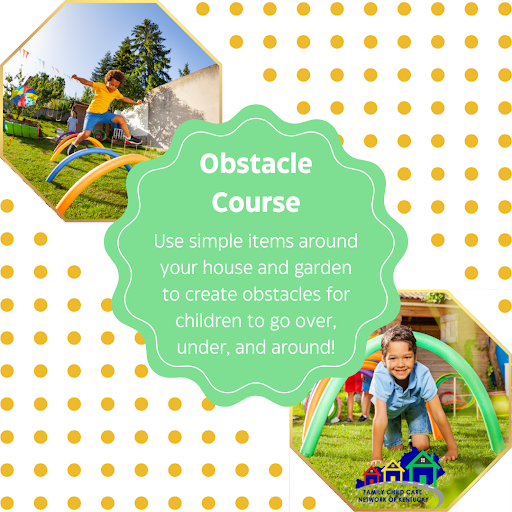
And then we think about the physical component. Gardening requires fine motor skills to manipulate the seed and to use certain tools that help till the soil. It also requires gross motor skills, whether they’re bending/kneeling to gain access to the plant, or if they are lifting a water jug to water the plant.
Of course, language is a key developmental piece. The children learn all kinds of new vocabulary words as you help them understand how plants grow and develop. And where there’s language, there’s typically also a literacy component! There are many children’s books about gardening, plants, and insects that would be easy to work into a lesson plan.
But did you know that gardening can also help with Social Emotional skills?
Gardening helps us understand that good things take time, it helps us understand the values of patience. The actions to complete gardening can also provide self-reflection time for older children who grasp the concepts easily. Gardening is also typically something easily applied to a routine, which can help provide structure to a child’s day, providing them with the necessary information of “what comes next?”
So, if you have a garden, what are you working on with your children? And if you don’t have a garden, did you know that there are many resources to help you get started? Local libraries, UK Extension Offices, or even some Local Health Departments offer seeds/seed libraries. And all you need to start is one tiny seed!
|