IBANYS Weekly E-Newsletter | | |
With Thanksgiving now behind us and December underway, we head into the holidays and look forward to the start of 2026 . . .and, there is much on our agenda: New and familiar legislative and regulatory challenges in Albany and Washington. . .an ever-evolving banking and financial services landscape. . .and encompassing all, the need for community banks to remain engaged, fully informed and up-to-date on the very latest developments.
INITIATIVES FOR 2026:
-
CRM: In 2026, IBANYS will enhance our ability to distribute communication and simplify meeting and conference registration thru on-line payments with the help of a new CRM. We are rolling out our new CRM in the next few weeks. Please be on the lookout for more information as we map our data to the new system.
-
Innovation Project: Last year we started to build a consortium of banks to work within our new eco-system of business partners. This is an ongoing project that will bring much value to all community banks in NYS. Updates will be provided in early 2026.
-
NYS Loan Guarantee Program with Empire State Development (ESD): In concert with ESD, IBANYS is looking for banks to partner with us on a New Loan guarantee Program targeted for community banks and your small business clients and prospects. Over the next week, I will distribute information to community banks to enroll in a program sponsored by ESD.
-
IBANYS stands ready to work for and with you to ensure we accomplish these things together. Today's newsletter includes information on upcoming meetings, webinars, educational programs, government relations activities on the state and federal levels, and more. We encourage you to take a few minutes to review the info and to share it with your management teams, officers, directors & employees.
. . . . .
IBANYS MEETINGS AND CONFERENCES:
-
HUMAN RESOURCES VIRTUAL CONFERENCE: IBANYS’ first virtual conference of our new Fiscal Year 2025-26 is our Human Resources Conference next Tuesday, December 9 (8:30 a.m. to 12:30 p.m.) The half-day session was developed to help community banks enhance their people strategy, strengthen compliance, and lead with confidence. It's designed for community bank HR Managers, Training Officers, Branch Managers, Hiring Managers, Supervisors and IT professionals. It will bring together experts in HR leadership, cybersecurity, retirement planning, and organizational culture. You’ll gain actionable insights and practical tools to support your bank’s most valuable asset—your people. . .PLEASE NOTE THE REGISTRATION DEADLINE IS TOMORROW, Thursday, December 4, 2025. Download the brochure and register today! Questions? Contact Linda Gregware: lindag@ibanys.net or (518) 436-4646.
. . . . .
PLEASE ALSO MARK YOUR CALENDARS FOR THESE 2026 IBANYS CONFERENCES:
-
Our 50th Annual Convention & Trade Show at Resorts World Catskills in Monticello, New York June 8-10, 2026 -- a New Date & Location, but still our same Premier Event. Mark Your Calendars. . . and please share the news with your officers and management teams!
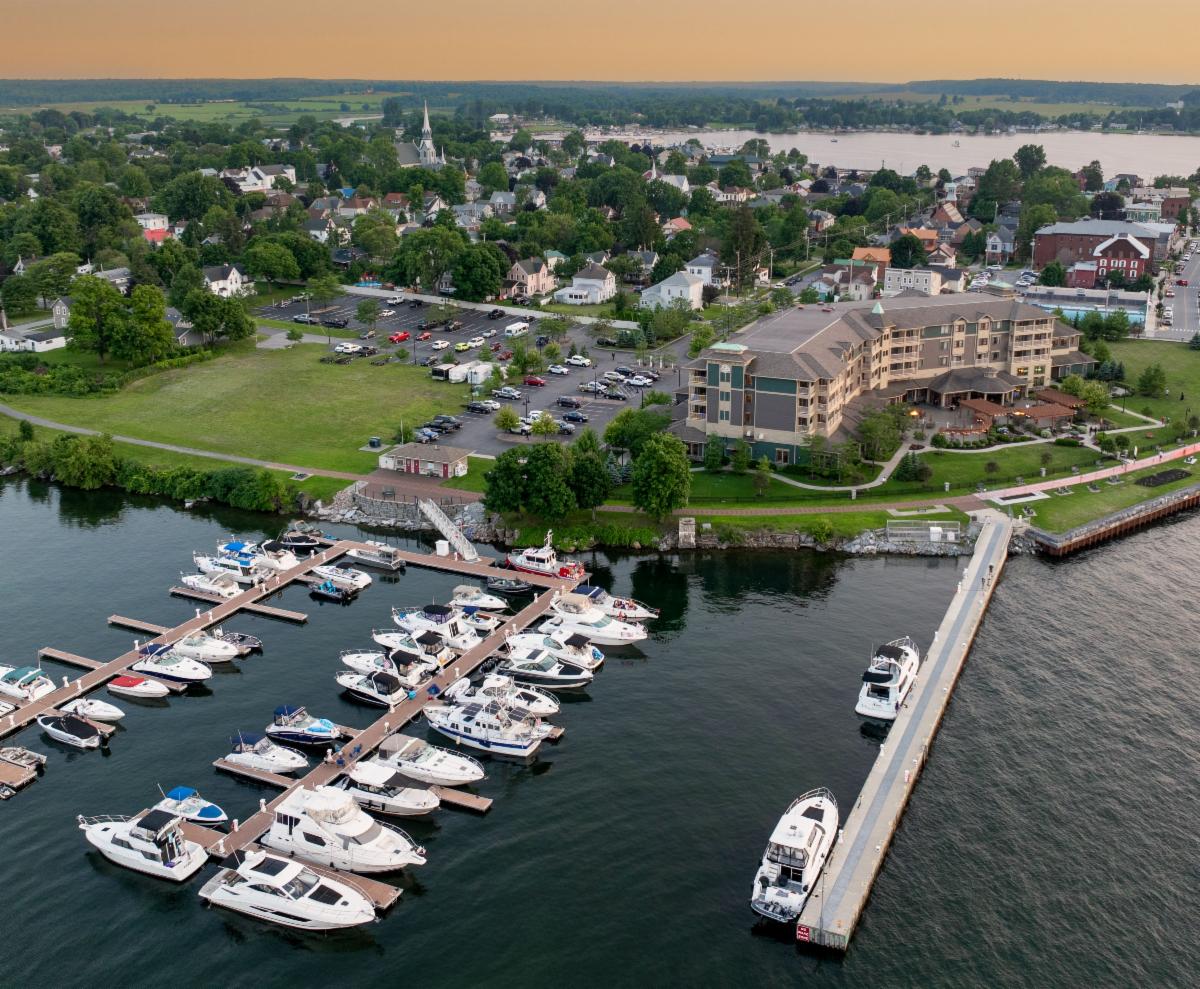
- Our 2026 Executive Leadership Symposium October 5-7, 2026 at 1000 Harbor Hotel in Clayton, New York.
. . . AND, Stay tuned! As future meeting agendas are finalized, details and registration information will be shared via email, the IBANYS website (ibanys.net/meetings-schedule), and in upcoming IBANYS Updates and e-newsletters.
. . . . .
ICBA’s next quarterly Community Bank Briefing webinar on advocacy developments is scheduled for 2 p.m. (Eastern time) Tuesday, Dec. 9. It will feature ICBA experts sharing the latest updates on banking regulations, congressional developments, and key industry news from Washington, D.C., and beyond. Learn more and register.
. . . . .
NEWS AND HIGHLIGHTS:
-
The American Banker (subscription required) recently reported (on Nov. 26) that U.S. commercial banks and savings banks have reduced employment by nearly 81,000 since the first quarter of 2023, including a net loss of 7,463 positions during the third quarter of this year, according to a new report from KRBA Financial Intelligence. The job reductions may reportedly be permanent, as more banks adopt artificial intelligence. Big banks, which have been embracing AI, were big contributors to the decline.
. . . . .
-
Words worth sharing: At yesterday’s House Financial Services Committee Hearing on Oversight of Prudential Regulators, Chairman French Hill (R-ARK) stated: "This hearing is about enhancing clear, tailored rules of the road, fostering competition, and ultimately serving the best interests of consumers and businesses” and said Committee Republicans “have been working alongside the Trump Administration from day one to ensure community banks remain viable, competitive, and able to serve the needs of our local communities.”
. . . . .
. . .Is YOUR bank getting the most value it can from IBANYS?
- Are you and your team fully participating in IBANYS’ committees, webinars, seminars, meetings and conferences?
- Are you sharing IBANYS’ weekly updates and newsletters with your teams?
- Are you keeping your senior management, officers, employees and directors fully informed on available opportunities & activities and developments impacting our industry?
. . .If you wish to get more involved. . . if you want us to add the names of people at your bank you'd like to receive our newsletters, weekly Updates or other mailings, then email IBANYS' Director of Administration & Operations Linda Gregware (Lindag@ibanys.net) or me (Johnw@ibanys.net)
You can also visit our website at www.ibanys.net and review everything about IBANYS, our mission and what we do for New York community banks. We’re still the voice at the table representing just New York community banks, just as we were founded more than a half-century ago.
| | Stay tuned! As meeting agendas are finalized, details and registration information will be shared via email, the IBANYS website (ibanys.net/meetings-schedule), and in upcoming e-newsletters. | | | |
Regulatory Compliance Update
Tuesday, February 3, 2026
9:00 a.m. – 3:00 p.m.
Live Webinar – Zoom
| | | |
2026 Bank Directors Conference
Tuesday, March 3, 2026
8:45 a.m. – 3:30 p.m.
Live Webinar – Zoom
| | | |
Virtual Spring Meeting
April 14-15, 2026
9:00 a.m. - 2:30 p.m.
Live Webinar - Zoom
| | | | |
2026 Annual Convnetion
IBANYS’ 50th Annual Trade Show & Convention is headed to Resorts World Catskills!
Mark your calendars and save the date—June 8-10, 2026.
We look forward to celebrating this milestone event with you!
| | | | |
Executive Leadership Symposium
October 5-7, 2026
1000 Harbor Hotel
Clayton, NY
| | ASSOCIATE & PREFERRED PARTNERS | | |
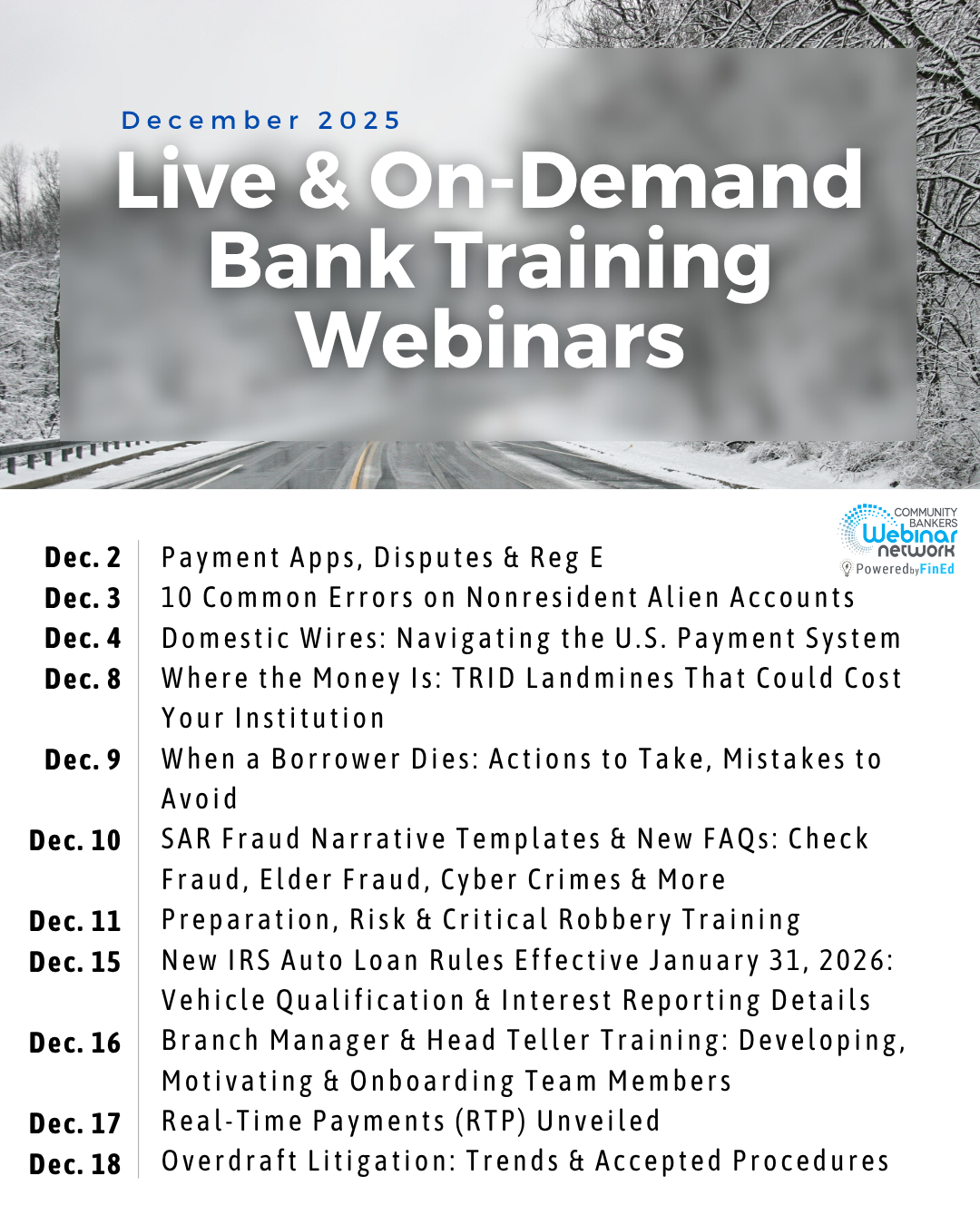
Financial Institutions Webinar Series
Join The Bonadio Group for our highly anticipated Annual Financial Institutions Professionals Series, taking place December 9, 10, & 11. This complimentary event brings together leading industry experts to explore emerging trends, key challenges, and forward-looking insights shaping the future of financial institutions. With a customizable agenda, you can focus on the topics that align most closely with your professional objectives.
Register now to take advantage of this unique opportunity to broaden your expertise and prepare for the year ahead, all while earning continuing professional education (CPE) credits.
| | |
Are You Ready For Your Next Exam
As we look ahead to 2026, regulatory expectations continue to evolve — and preparation is more important than ever. In this issue, we highlight insights from Rafael DeLeon’s article “Are You Ready for Your Next Exam?” which explores how financial institutions can navigate shifting supervisory priorities, manage emerging risks, and strengthen exam readiness in a changing environment.
Read Article
| | |
This Month in Banking
Bank M&A Today
and Outlook for 2026
| | |
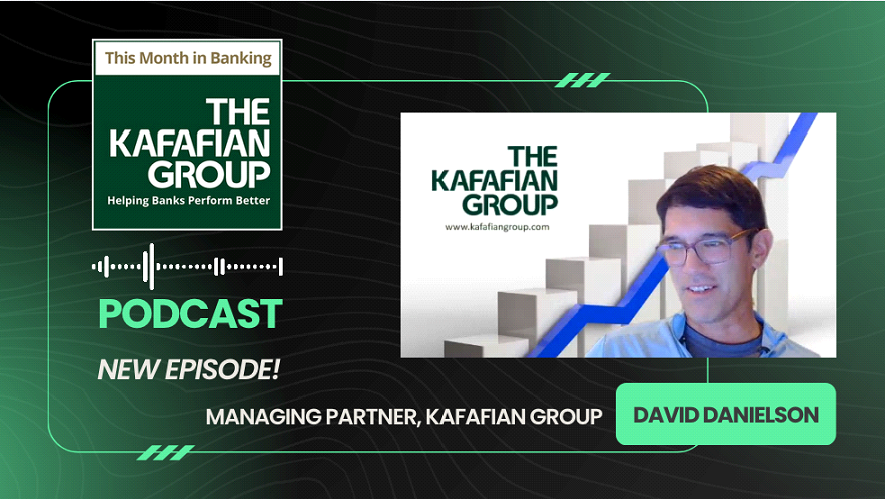
In the November episode of This Month in Banking, we sit down with TKG’s newest colleague—and long-time industry leader—David Danielson. With 25 years in investment banking, corporate finance, and public accounting, David breaks down the biggest forces shaping community bank M&A today.
He shares what’s driving consolidation, where regulatory complexity is headed, why the people side of mergers is often the hardest to get right, and how banks can better understand valuation as the industry faces major technological and regulatory shifts in the decade ahead.
| | |
THE WEEK OF DECEMBER 1, 2025
The Municipal Market Monitor is a weekly overview covering key themes of the general municipal market. The update includes the AAA yield curve, municipal to treasuries ratio, fund flows, expected issuance volume and Piper Sandler’s weekly calendar, along with brief commentary, designed to provide issuers and investors insight into current market conditions.
| | |
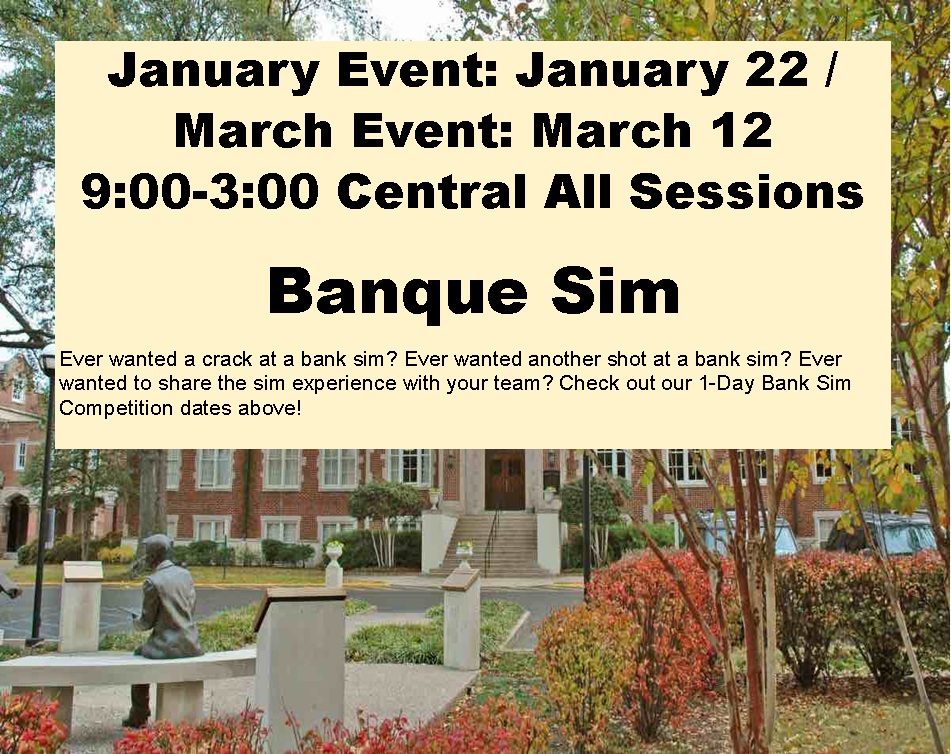
Basic Information:
Cost: $1495/team for a virtual one-day session
Dates: January 22 / March 12 - choose preferred date on registration page
Session Structure: 6.5 hours, including intro and ratio review, followed by 3 years of balance sheet management and interest rate decisions
Schedule: 9:00am-3:30pm CST / 10:00am-4:30pm EST
Audience: Bank Execs, Division Heads, Bank Trainers, Directors/Trustees, Management Teams...or any banker wanting to take a swing at bank sim.
Ideal Team Structure: 3 to 5 members (although bank could include extra observers)
| Check out the video below to learn more: | | |
How's This Going To Work?
Up to 12 teams of 3-5 participants will compete virtually against banks from all over the country for bragging rights. You will immerse yourself in this one-day event simulating three years of interest rate, balance sheet management, and strategic banking decisions.
What are the logistics for each bank, you ask? Although teams could remain individually virtually corralled within a team Zoom room, we think it is optimal that you gather in a conference room setting for your effort (this also allows for some “observers” if you want training to extend a little further). We’ll need your attention for the full day, but you’ll be able to remain flexible enough to sign that stray wire transfer form or put out any of the daily mini-fires while your team carries on.
Ahead of the event, we’ll need to set up
Smartsheet access for your team (just one shared username and password) and do a Zoom-room shake-down cruise with one of your team members 15 minutes before showtime. Challenge your team – heck, challenge the bank across town! Let’s do this!
| | |
May 17-22, 2026
Barret Graduate School
Our three year graduate program. Annual one-week residency session.
Barret Graduate School Curriculum in Brief
One week per year for three years • 130+ hours of core classroom study • Nine on-campus case studies• Eight home study problems.
Over the three year graduate program, participants will have access to 200+ hours of training.
| | | |
Registration is open for ICBA LIVE 2026
Registration is now open for ICBA LIVE 2026, the world’s largest gathering of community bankers.
Details: Set for March 6-9 at the San Diego Convention Center, ICBA LIVE is where ICBA members connect with peers, are inspired by new ideas, and gain practical insights to stay competitive.
Theme: The theme for ICBA LIVE 2026 is Anchored in Purpose to recognize community bankers as the anchors of their communities—providing stability and support during turbulent economic times—and ICBA as an anchor for community banks.
More: ICBA LIVE features industry-leading speakers, education opportunities for community bankers, a lively expo floor, and more.
LEARN MORE AND REGISTER
| | |
In “Making a List, Checking It Twice,” Jim Reber, President and CEO of ICBA Securities, offers timely year-end reminders for community banks as 2025 draws to a close. Reber highlights strategies for gain/loss harvesting, SBA loan sales, and proactive risk management amid shifting interest rate expectations. He also reminds bankers to review and update key policies—including investment, liquidity, and interest rate risk—and ensure proper documentation of board and management actions. With favorable economic conditions and stable industry performance, Reber closes with a lighthearted nod to the season and a look ahead to 2026.
Read Article
| | |
UPDATE: STATUS OF COPA LEGISLATION IN NYC COUNCIL
Pending legislation (Introduction 0902-2024, a proposed local law in the New York City Council commonly known as the Community Opportunity to Purchase Act (COPA) in the NYC Council has raised concern among banks and in the real estate industry. The rest of New York State is also watching — this could start spreading to other major cities/regions and communities.The bill offered non-profit community organizations the first right or refusal to buy multi-family properties before going on the public market. According to an article today in The City, the bill was amended Monday: "Housing preservation groups could be first in line to buy troubled apartment buildings when they go up for sale under a New York City Council bill updated earlier this week to address pushback." The City reports."
-
The first version of COPA would have: 1) Required all buildings with three or more apartments for sale to be offered first to nonprofit groups only, raising an uproar in the real estate industry.
-
The newly amended bill 1) Now applies to buildings with at least four units, and they must also have significant physical or financial problems, or have affordable housing program requirements about to expire, such as tax credits. 2) The bill also applies to vacant lots zoned for residential use, but exempts owner-occupied buildings with up to six units from being subject to the program. 3) Another change in the bill: Now, for-profit buyers can participate by teaming up with nonprofit groups, so long as they get on HPD’s qualified preservation buyers list. 4) Housing preservation groups could make an offer before the property goes to market, once the owner notifies the city of the intent to sell. The interested purchaser would have up to 90 days to make an offer — about half of what the original bill specified — and the owner can accept or decline that offer. If declined, the property would go to the open market. Preservation groups that submit an initial bid can match other offers the owner gets.
Opponents of the bill maintain the timeline for the transaction is still too long, and landlords strongly criticized what they describe as government overreach. For the current legislation to advance, the City Council must vote on it by its Dec. 18 meeting, the last of the year. Mayor-Elect Mamdani has promised to work with the Council to pass COPA. If the Council passes the bill and Mayor Adams vetoes it before leaving office, the next Council would then have to override the veto. COPA would come into effect a year after its passage. Banks located in New York City are encouraged to write letters of opposition to Introduction 0902-2024.
**********
-
Here is a link to the 2026 New York State Legislative Session Calendar that has just been released. The session is scheduled to convene on Wednesday, January 7 and adjourn on Thursday, June 4. The Governor will deliver her State of the Union in early January (date not yet specified) and present her proposed budget shortly thereafter.
-
New York State budget officials predict a total budget deficit of $26.8 billion over the next four years, with funding cuts for food assistance and health care for low-income families. However, a report from the Fiscal Policy Institute – (FPI, a think tank on economic policy) -- believes the state is being too careful with its math and will probably have a surplus for the next four years unless the economy crashes. The report says the state creates the impression of large funding gaps by underestimating how much tax money it will collect, suggests it has the money to solve its problems without cutting any services, and that it should raise taxes on the wealthy rather than cutting aid programs. State officials worry about looming funding cuts for New York under the federal One Big Beautiful Bill. DOB estimated that it will cost the state about $800 million this year and over $4 billion by 2029. https://www.localsyr.com/news/state-news/new-yorks-mid-year-budget-forecast-disputed/
-
The Citizens Budget Commission (CBC) – a prominent budget watchdog group – is pushing Gov. Hochul to address spending gaps, strengthen infrastructure and put more cash into the state’s rainy-day fund. The report released Wednesday comes a month before Hochul releases her election year budget proposal and as NYC Mayor-Elect Mamdani pushes expensive measures requiring state support. Hochul is facing political pressure to raise taxes next year to cover the cost of those proposals, and State officials are also absorbing billions of dollars in federal spending reductions. A State Division of Budget spokesman stated: “…the governor (has) prioritized bolstering the state’s rainy day reserves, taking them from a pedestrian $4 billion to a record-setting $21.5 billion last year, which was equivalent to 15 percent of operational spending, the gold standard of best budgeting practices.”
-
Critics of high taxes argue that raising taxes hurts the economy: A report from the Public Policy Institute of New York State released in September said high taxes drive businesses and people out of the state. However, the Fiscal Policy Institute (FPI, a think tank on economic policy) says the idea that “rich people or job creators” will flee New York because of high taxes is a myth, and that Census data shows that the top 1% are less likely to leave the state than other residents. State Comptroller Thomas DiNapoli has reported that local sales tax collections are going up—good news for local governments—but he also warned that the federal cuts create significant fiscal risks. “The state needs to do what it can to stabilize finances, build reserve funds, focus on efficient service delivery, and develop a strategy for how to contend with federal changes,” he said in June. Governor Hochul is supposed to propose a new budget for Fiscal Year 2027 by January 20. https://www.localsyr.com/news/state-news/new-yorks-mid-year-budget-forecast-disputed/
-
The minimum wage in the state will increase by 50 cents per hour in January. The state’s minimum hourly wage for workers will increase on Jan. 1, 2026 to $17 in New York City, Westchester County and on Long Island. In the rest of the state, it will increase to $16 an hour. That’s an increase of about 3% in the Downstate areas and 3.2% in the rest of the state. The increases mean an extra $20 a week for a minimum wage earner working a full-time job at 40 hours per week. In Upstate New York, that would translate into pay of $640 a week or about $33,000 a year. The minimum wage in New York has increased substantially in the last 10 years. A decade ago, it was $7.25 an hour. Once the latest set of increases are in place, the wage will have increased over 120% from that level in Upstate New York. Starting in 2027, the minimum wage will increase by a three-year moving average of the Consumer Price Index for Urban Wage Earners and Clerical Workers in the Northeast region, according to the state Labor Department. A minimum wage increase in 2025, the upcoming hike in 2026 and the planned indexing of the wage to inflation are the result of policy changes passed previously as part of the state budget process. The legislation included provisions that allow the wage to be frozen if the state’s economy weakens, so the raises aren’t guaranteed. https://www.newyorkupstate.com/news/2025/12/ny-minimum-wage-to-increase-soon-see-how-much-it-will-rise.html
| |
|
-
ICBA is urging community bankers to tell the Consumer Financial Protection Bureau to right-size proposed 1071 thresholds and prevent categorical exemptions for Farm Credit System lenders. Dodd-Frank Section 1071 requires financial institutions to collect and report data on credit applications from certain small businesses. While many revisions in the CFPB’s current 1071 proposal are positive—such as expanded exemptions for community banks—ICBA is urging grassroots outreach to enhance these hard-fought changes. ICBA is calling on community bankers to use its Be Heard grassroots action center to submit comment letters to: 1) Strongly support the increased community bank exemption levels; 2) Exempt all community banks under $10 billion in assets; 3) Urge the CFPB to not categorically exempt Farm Credit System lenders; 4) Exclude mission-based banks, such as community banks designated as minority depository institutions, community development financial institutions, and community banks in rural areas. In addition to its grassroots resources, ICBA offers a summary of the proposal offering a general recap of the proposed changes. The deadline for comments is Monday, Dec. 15.
-
ICBA commended the FDIC for passing a final rule updating audit and reporting requirements under the Federal Deposit Insurance Corporation Improvement Act. In a national news release, ICBA said the rule raising the audit and reporting thresholds and accounting for inflation will help ensure regulatory thresholds are more durable and preserve their intended application over time. The FDIC last week approved a final rule updating FDICIA audit and reporting requirements to: 1) Increase the Part 363 applicability asset threshold from $500 million to $1 billion; 2) Raise the internal control over financial reporting asset threshold from $1 billion to $5 billion; 3) Apply minimum audit committee requirements to institutions between $1 billion and $5 billion in total assets, up from the current range of $500 million to $1 billion; 4) Increase the threshold for additional audit committee requirements from $3 billion to $5 billion; 5) Update the compensation threshold in Part 363 related to the determination of whether a director is considered "independent of management” from $100,000 to $120,000; 6) Provide for future adjustments indexed to inflation. The FDIC clarified that a bank does not need to comply with applicable Part 363 requirements in effect as of Dec. 31, 2025, if the bank will not be subject to the requirements under the updated thresholds in effect as of Jan. 1, 2026. ICBA has long urged the banking agencies to raise regulatory thresholds, including in response to the Trump administration’s recent call for deregulatory suggestions.
-
The Financial Crimes Enforcement Network underestimates the regulatory burden of information sharing requests between banks and law enforcement under the USA PATRIOT Act, ICBA told the agency. Responding to FinCEN’s proposed renewal of Bank Secrecy Act information sharing regulations, ICBA said although FinCEN estimates that the average time to process a request per subject is only three and a half minutes, community banks report that the burden associated with 314(a) compliance is far greater, sometimes taking multiple hours for a single request. In a letter to FinCEN, ICBA: 1) Urged FinCEN to adopt a more realistic assessment that accounts for differences in institution size, technological infrastructure, and operational capacity; 2) Said a tiered approach to burden estimation would better reflect the diversity of the financial sector and ensure that compliance expectations are aligned with actual resource demands. ICBA in 2022 told FinCEN that its proposal improperly implies that there is little to no burden associated with Section 314(a) requests, though such requests can take several hours at community banks with smaller staffs and without automated processes, particularly for institutions seeking to minimize false-positive matches.
-
The federal banking regulators requested input on sources of regulatory reporting burden for institutions that file the call report. The request for information asks stakeholders to identify ways that the agencies could streamline the call report forms and instructions while still meeting the purposes of the collection. Comments must be submitted by Jan. 30. ICBA has long advocated call report relief, including expanding on the ICBA-advocated call report relief contained in the Economic Growth, Regulatory Relief, and Consumer Protection Act (S. 2155). 1) In a letter to Fed Vice Chair Michelle Bowman in July, ICBA called on regulators to provide a true short-form call report containing only the bank’s financial statements and key capital metrics in a concise set of limited schedules; 2) In a letter to the agencies last year, ICBA said regulators need to do more to streamline the call report, including focusing on the frequency of items reported by community banks and whether quarterly reporting adds meaningful value in determining safety and soundness.
-
The OCC announced that it is maintaining assessment rates for the 2026 calendar year for all of its regulated institutions. The OCC said: 1) The calendar year 2026 assessment rates will be in effect as of Jan. 1 and will be reflected in assessments paid on March 31 and Sept. 30; 2) The hourly fee for special examinations and investigations remains unchanged at $137 in calendar year 2026. The OCC noted the 2026 assessment rates “will provide the OCC with sufficient resources to ensure a well-trained staff that keeps up with emerging trends and embraces new technologies in performing the agency’s important mission to maintain the safety and soundness of the federal banking system.” Questions? Contact Ryan Portell, Outreach Program Manager: (202) 649-7244.
-
Some credit unions are taking advantage of their industry’s tax and regulatory exemptions to stray from their roots and acquire tax-paying competition, according to a new article in The American Prospect. Continuing a series of media scrutiny of credit union policies, the new article says: 1) Credit union exemptions from federal taxation and the Community Reinvestment Act are a vestige of their formation in the 1930s; 2) While credit unions impose overdraft fees with far greater frequency than banks, some revel in their wealth with private jets and stadium naming-rights deals’ 3) ICBA has pointed out that credit union acquisitions of community banks are evidence that larger credit unions are operating as banks and should be regulated and taxed as such. . .In the article, ICBA notes nearly 90% of community banks acquired by credit unions are highly profitable and have chosen to sell because credit unions can use their tax exemption to make outsized bidsICBA has for years raised the red flag on the negative impact of the credit union industry’s tax and regulatory exemptions, particularly as acquisitions of tax-paying community banks ramped up to a record high last year. ICBA earlier this year issued an analysis of publicly available data showing how these acquisitions are harming local communities while community banks outperform credit unions in high-poverty areas. ICBA also issued a policy resolution this year formally calling on policymakers to end the federal tax exemption for credit unions with $1 billion or more in assets.
-
The federal banking regulators issued a proposed rule to reduce the Community Bank Leverage Ratio from 9% to 8%, as long advocated by ICBA. In a national news release after the FDIC advanced the proposal at Tuesday’s board meeting, ICBA President and CEO Rebeca Romero Rainey said reducing the CBLR will provide community banks additional room on their balance sheets to meet the credit needs of local communities. The CBLR simplifies regulatory capital requirements for community banks that choose to adopt it, replacing risk-based capital ratios with a relatively simple leverage ratio. The CBLR is available for eligible banks with assets below $10 billion. Approximately 40% of qualifying banks have opted in to the CBLR framework. In addition to lowering the CBLR, the proposal would also extend the length of time that covered institutions can remain in the CBLR framework while not meeting all of the framework’s qualifying criteria from two quarters to four quarters, subject to a limit of eight quarters in any five-year period. ICBA has advocated setting the CBLR at 8% since the ratio was proposed and adopted in 2019, and it sought an extension of pandemic-era CBLR relief that expired at the end of 2021. ICBA also supports Rep. Young Kim’s (R-Calif.) House Financial Services Committee-passed Community Bank LIFT Act (H.R. 5276), which would lower the CBLR to a range of 6%-8% and authorize its use by banks with up to $15 billion in assets.
-
The stakes for the next Fed chair will be high, as President Trump expects his pick to swiftly cut rates. Trump is expected to announce his pick to be the next Fed chair soon— and has said it could come “early next year. The selection process has placed Treasury Secretary Bessent in an unusually uncomfortable position -- Trump has made clear the Treasury secretary’s fortunes are tightly tied to what the Fed does next. The pressure is on Bessent to “steer through a candidate who will be the monetary policy dove that Mr. Trump desires.” While nothing is finaluntil an announcement is made, most indications seem to point to National Economic Council Director Kevin Hassett as the president’s pick – on Tuesday, Trump referred to Hassett as a “potential Fed chair” after saying earlier he had whittled the list down to one candidate. (Others on the shortlist have reportedly included former Fed Governor Kevin Warsh, current Fed Governor Christopher Waller, and Rick Rieder of BlackRock. https://www.nytimes.com/2025/12/03/us/politics/fed-chair-bessent-hassett.html?smid=nytcore-ios-share
-
The Federal Reserve released its Supervision and Regulation Report, which summarizes banking conditions and the Fed’s supervisory and regulatory activities. The report found: 1) In the first half of 2025, the vast majority of banks continued to report capital levels well above applicable regulatory requirements; 2) Aggregate liquidity levels remained solid, and funding risk for banks was in line with historic norms; 3) Loan growth was strong, reaching over 5% on an annual basis in the second quarter, and most major loan categories experienced growth; 4) Loan delinquency rates decreased across most categories; 5) The total loan delinquency rate was about 1.5% in the first half of 2025, which is below the 10-year average of about 1.7%; 6) Return on average assets and return on equity were about 1% and 10.5%, respectively.
| | | | |