Throughout 2020, journalists across the country have shared their best practices for working through the pandemic. As we approach 2021, we’re asking what they learned this year and what they hope to learn in the next year.
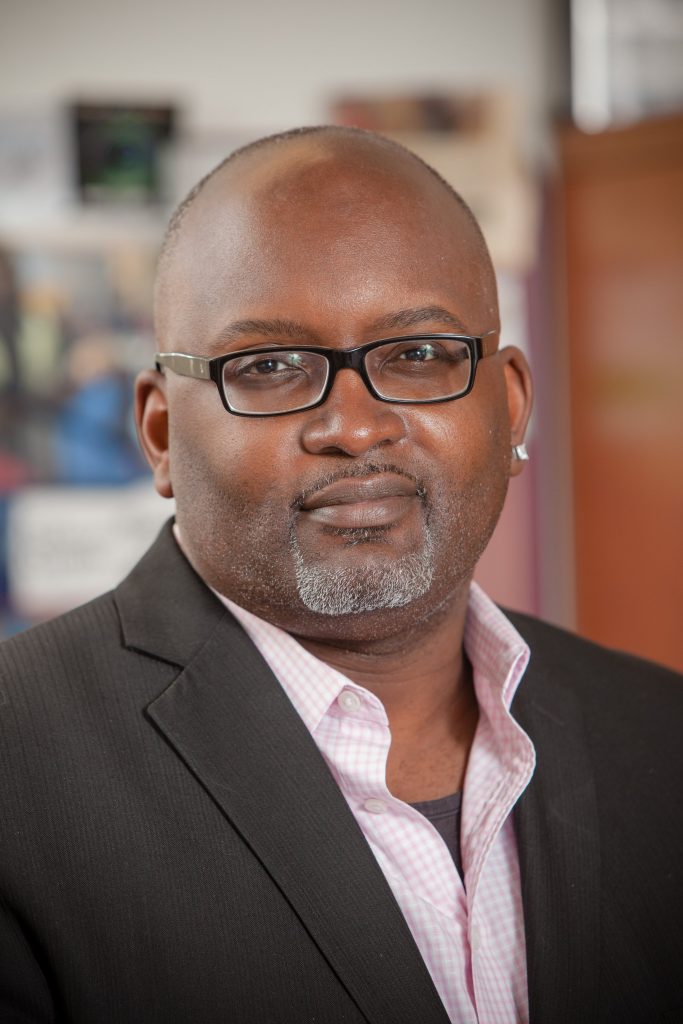
While the pandemic has eliminated some opportunities for journalists, says media writer Eric Deggans, it has created new ones.
For Deggans, an NPR TV critic and MSNBC/NBC News media analyst, those opportunities included a more forgiving audience (“everyone realizes we are in a pandemic where in-person reporting is more difficult”), the ability to expand sources that can be included in stories, and easing logistics to participate in “important and compelling panel discussions that I likely would not have been able to participate in.”
“For me, the lessons were very practical,” Deggans said.
What are the main lessons you learned this year from your reporting that you’ll use next year?
Deggans: For me, the lessons were very practical. As a columnist and reporter for a radio news organization like NPR, it was invaluable to learn that audio taken from recorded Zoom calls is often good enough for inclusion in our radio stories and audio presentations. Given that so many people were already developing ways to hold better Zoom calls from their homes or offices — investing in better webcams and microphones — it meant that it was easier to record interviews with people who might be anywhere. Also, the audience has grown more forgiving of inconsistencies in audio quality, because everyone realizes we are in a pandemic where in-person reporting is more difficult. So it has expanded the types of audio we can include in stories, which expands the sources we can include and reduces the amount of work needed to get that audio.
How did your work change during the pandemic?
Deggans: Since I was already working in a remote office, some things didn't change much. Instead of heading into a one-man office inside the Poynter Institute, I walk into my home office. Early on, I did have to make sure my home internet connections, power and computer setups were upgraded a bit. But since a lot of my job is pulling together radio stories based on TV shows and streaming programs, much of my day-to-day work didn't change all that much.
In a larger sense, several events where I would normally get to network with people on my beat — press events, journalism conventions, public panels — were all turned into virtual versions, which limited the ability to spend time with people and pick their brains on issues I'm trying to cover. But the new virtual environment made it easier for me, logistically, to serve as host and moderator for several important and compelling panel discussions that I likely would not have been able to participate in, if organizers had been required to fly me into Washington D.C., Los Angeles or New York from my home in Florida. So while the pandemic has eliminated some opportunities, it has also created new ones.
What do you hope to learn or cover in the coming year?
Deggans: I hope to get a better handle on how the pandemic may have permanently changed the media business. It seems to have accelerated a lot of negative trends that were already bubbling along in entertainment media, from the focus of big media companies on streaming services to the erosion of broadcast TV and the struggle of movie theaters. If vaccines work as we hope and Americans begin to congregate in public spaces without fear, will these businesses return to past levels of success? Or have our media habits inalterably changed as a result of being forced to spend at least a year or more carefully isolating from each other?
How are you taking care of yourself now that you weren’t at the beginning of the pandemic?
Deggans: I fear I'm not doing enough in that regard. I have tried to make sure that I at least get in my car and go for a drive every couple of days or so, just to get out of my home office and get some fresh air. I've gone on some carefully-planned, socially-distanced "staycation" trips to resorts which are driving distance from my home to spend a few days in a different, non-work-related environment. And I, like a lot of folks, have found time to undertake a lot of home improvement projects that probably wouldn't have gotten done if I was traveling at pre-pandemic frequency. But I should do more; living in an isolated environment working from your home is stressful in ways I am just beginning to appreciate. So I hope to find new ways to compensate for that stress by taking care of myself a little better as the weeks and months wear on.