News and information to help journalists serve the public and stay safe.
|
|
Many journalists are covering cultural, physical and mental health crises while coping themselves. Writers
Elizabeth Flock
and
Lori Gottlieb
examined how journalists can work through these pivotal moments and emotions during a National Press Club Journalism Institute program on June 24. Flock and Gottlieb shared insights on the stories journalists are telling themselves, how these stories affect their emotional lives and, consequently, the stories being reported and written.
Dear journalist: It’s OK to be human
Gottlieb
: We're in this unique time where we have this universal stressor. Normally, everybody has their own unique stressors. We have this universal stressor — we have many of them, actually, right now in the world. And yet everybody's reacting to them in their own unique way. But I think the more we talk about the fact that it's hard, the more we normalize that, it's like you can breathe again. You feel like I'm not alone, I'm not the only one.
Flock
: I think as journalists we often feel that we need to sort of project this air of having it all perfectly together. I know when I
published a piece for The Atlantic
, I was worried that no one would ever hire me again because they think that, oh well this person has depression and anxiety so they're not going to publish, or something like that. But I found that so many journalists reached out to me and said that they were feeling the same way. I felt that actually just even acknowledging that feeling lifted the burden a little bit.
There’s a time for writing, and a time for experiencing
Gottlieb
: I think everybody's writing even if they're not putting anything on the page — meaning everybody's collecting these experiences or they're doing the prewriting right now. That's a crucial step in the writing. So if you're just trying to publish, you might not be putting out something that will be as meaningful or important or resonate as widely as you will later on when you've had some time to really sit in your experience.
Flock
: Part of writing a story is crafting a narrative and controlling it into this tidy thing that we're presenting to the world. But allow ourselves in this time to take things day by day, and focus on the things we can control as humans and journalists and as writers. … Treat it as a possibility instead of what's been taken away.
|
|
|
Molly Stellino is an investigative reporter
|
|
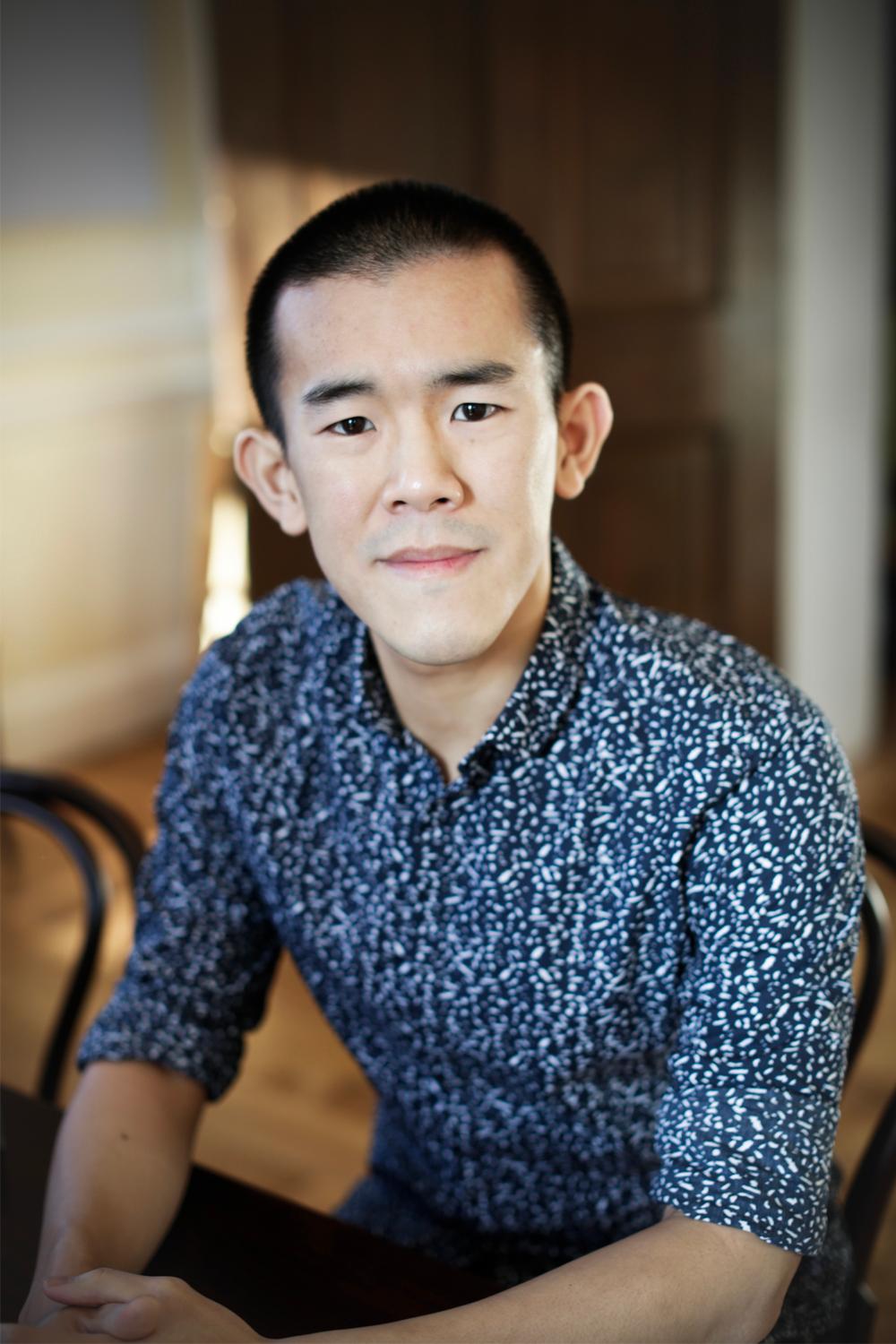
Ed Yong
is a staff writer at The Atlantic
|
|
The National Press Club Journalism Institute is spotlighting
the next generation of journalists
, students who graduated from college or Master’s programs this spring into
a challenging job market
, in hopes they’ll meet future bosses and colleagues here who will reach out and support them in building journalism’s future together.
School
:
Arizona State University
Location
:
Tempe, AZ
What's been your best moment in journalism?
Stellino
: After publishing
Designed to Fail
, an investigation into how the curriculum of ASU's design school disproportionately challenges low-income students, the school's students printed out copies of the story and pinned them to the walls of the building. They felt heard.
If you could meet any journalist and ask for her/his advice, who would it be and why?
Stellino
: If I could meet any journalist and ask their advice, I would choose
Ed Yong
because he exemplifies the importance of good reporting during turbulent times and masterfully educated the public about the big-picture implications of the virus. His work is insightful, incisive and integral to our society.
Ed Yong
responds:
Hi Molly. Hi everyone.
Above all else, work to the highest possible standard, always: Protect your work and your work will protect you.
~
Be professional
: File your copy on time, to word count.
~
Park downhill
at the end of the day, leaving a sentence or paragraph or piece unfinished so you don't wake to an empty screen.
~
Cherish good editors
: Don't be precious about your words, and find the people who make your words better.
~
Actively deconstruct the work of good journalists in an attempt to deci
pher and reverse-engineer w
hat makes their writing sing.
~
Pay attention to structure, and learn how to report well; remember that
most writing problems are actually structuring problems
, and most structuring problems are actually reporting problems.
~
Embrace nuance, and convey uncertainty.
Ignore easy answers
in search for deeper truths, but don't fall prey to cheap contrarianism.
~
Recognize that you will often know relatively little about what you're writing about, so
be humble
, and learn interview techniques that will delineate, probe, and stretch the limits of your own knowledge.
~
Be accurate and nuanced, but
know when to let a piece go
and move on to the next thing.
~
Note that
it is better to be right than to be first
, but it's nice to be both.
~
Remember that you're not writing to impress your sources or other journalists;
you're writing to help your readers
make sense of the world. Take that responsibility seriously; view journalism as a profession and a craft whose standards you must uphold.
~
Prize thoughtfulness over salaciousness, depth over volume, light over heat
. When you make mistakes, correct them quickly and transparently.
~
Remember that women exist, that minorities exist, that disabled and queer and trans people exist; interview them, tell their stories, and
don't do what the majority of journalists do which is to disproportionately give voice to loud white men
.
~
Judge your peers for the quality of their work, rather than judging their work based on who they are; aim to be judged according to the same standard.
~
Give your loyalty to people and not to institutions
; the former probably care about you and the latter probably do not.
~
Be extremely mindful about how you use social media, reaping in all its benefits as a reporting tool while skirting around its pitfalls as an emotional void.
~
Be cautious about all the advice you receive
, including this, recognizing that everyone is speaking to you from some combination of luck and privilege.
~
Recognize your own luck and privilege
, and work to uplift others around you.
~
Accrue social capital so you can spend it on people.
~
Be bold. Be fearless. Be kind
. Be kind to yourself.
~
Good luck.
|
|
Congressman
Eric Swalwell
(D-Calif.) will discuss what it was like inside the investigation and impeachment of President Trump and what he believes is at stake for the American people at a virtual
National Press Club Headliners Book Event
on Thursday, June 25 at 1:00 p.m.
|
|
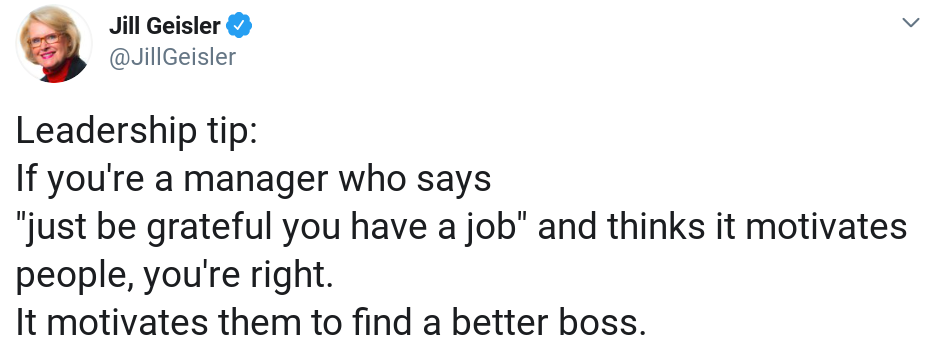
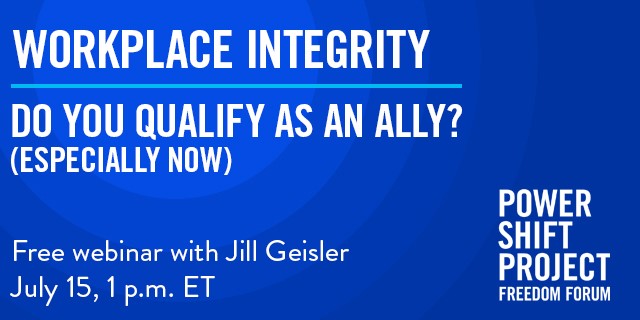
Advice from
Jill Geisler
, Bill Plante Chair in Leadership & Media Integrity, Loyola University Chicago, Freedom Forum Fellow in Women’s Leadership
|
|
|
Is your caffeine cycle set to sip, sip more, and repeat?
Here’s how to safely reduce your intake:
- Track your habits. We’re swimming in caffeine, from energy drinks and soda to coffee and pre-workout supplements — even pain medication. This chart can show you where your habits add up.
- Swap in alternatives. Herbal teas or water can help boost brain functions. If it’s carbonation you crave, try a bubbly flavored water instead of soda.
- Delay your morning caffeine. (Yes, really!) The body produces natural energy boosters upon waking; try to save the soda until you really need it.
- Consider your cravings. Is your 3 p.m. double espresso habit because you really need a boost, or is it an excuse to take a break and a change of scenery? (Breaks are good!)
- Cut back gradually to reduce withdrawal symptoms, which could include headaches, fatigue or trouble sleeping that last several days as the drug leaves your system.
|
|
This newsletter is written & edited by the National Press Club Journalism Institute staff: Beth Francesco, Holly Butcher Grant, Jim Kuhnhenn, and Julie Moos.
Send us your questions and suggestions
for topics to cover.
|
|
|
|
|
|
|