Discoveries
November 2025
| | | In the latest issue of Discoveries: | | |
🔬 Discover how Sanford Burnham Prebys Medical Discovery Institute scientists made progress on potential age-based pancreatic cancer treatments.
🧫 Explore research regarding a new method that yields up to twice as many therapeutic cells with the goal of future applications in regenerative medicine for muscular dystrophy.
🧠 Learn about how a new study marks a milestone on the path to genomics-based predictions of drug resistance and susceptibility that could be used to improve how antibiotics are prescribed in hospitals and clinics.
👀 See why an Institute researcher earned a place in Nature’s feature on “7 basic science discoveries that changed the world.”
| | |
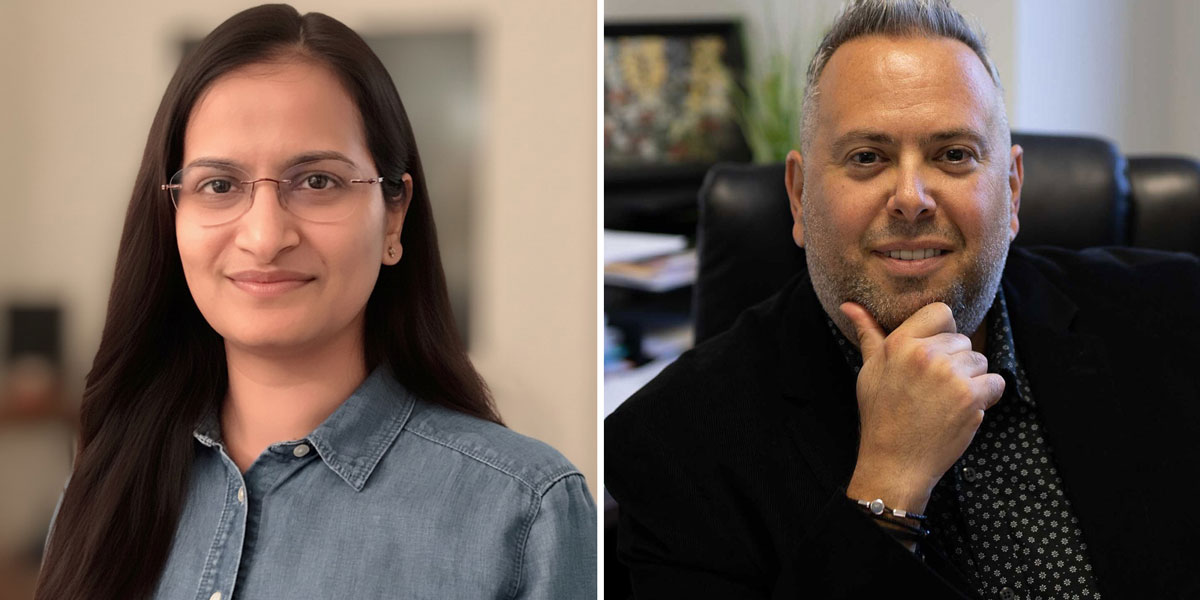
Priyanka Gupta, PhD, lead author of the manuscript, and Cosimo Commisso, PhD
Image credit: Sanford Burnham Prebys
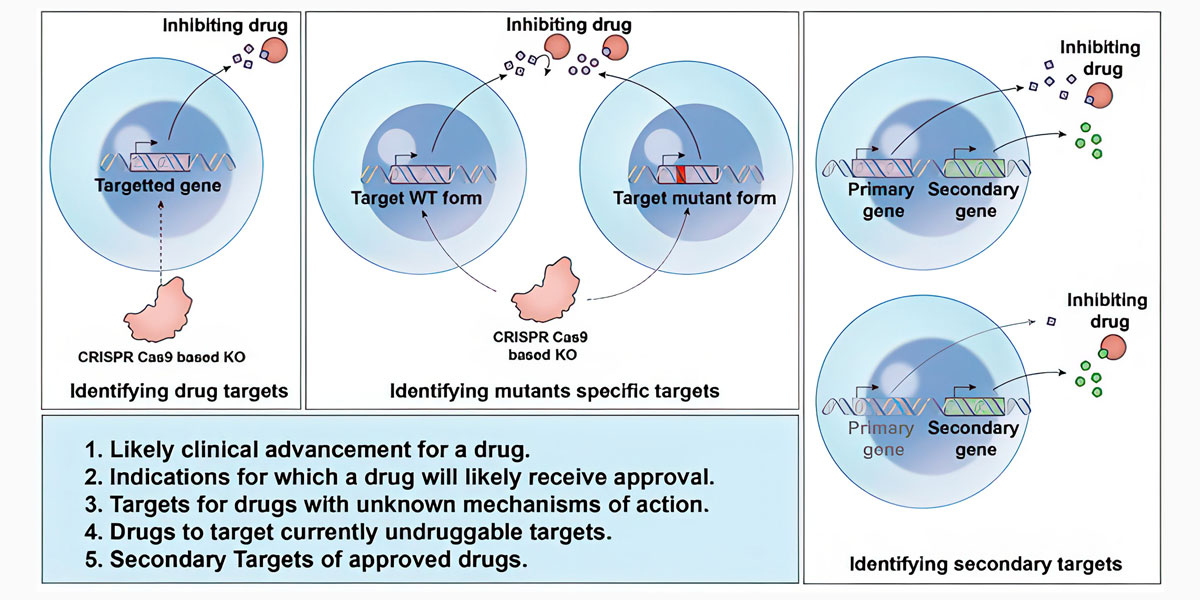
| | Factoring in frailty and age to improve pancreatic cancer treatment | | In a study published on November 7, 2025, in Cancer Research, scientists in the Commisso lab at Sanford Burnham Prebys advanced the possibility of age-based pancreatic cancer treatment by investigating how aging affects cancer cells and the environment surrounding them. | | Image credit: Sanju Sinha, PhD, Sanford Burnham Prebys | | Computational deep dive surfaces unexplored world of cancer drug targets | | |
One person’s side effect could be another person’s treatment if we expand our perspective on small molecule drug targets, according to a study published in npj Precision Oncology.
“Small molecules can have different targets and effects depending on the disease and cell type, and we can use this knowledge to repurpose more drugs to treat more patients,” said lead author Sanju Sinha, PhD, an assistant professor at Sanford Burnham Prebys.
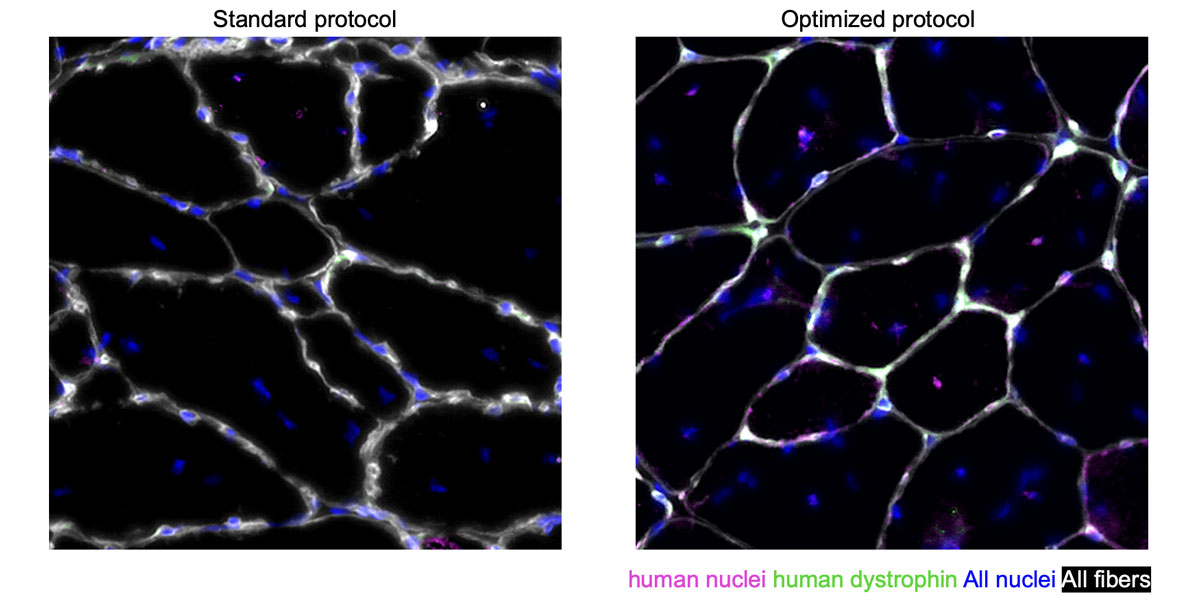
| | Making more supply to meet the demands of muscle cell therapy | Scientists have long sought to develop treatments that enhance the muscle’s
self-renewal capabilities to stave off degeneration. | | Image credit: Lale Cecchini, Sacco Lab, Sanford Burnham Prebys | | |
Researchers have found it challenging to generate an adequate supply of therapeutic cells. These cells also tend to be immature, which limits their regenerative potential.
Scientists in the Sacco and Puri labs at Sanford Burnham Prebys published findings in Stem Cell Reports demonstrating a new method that yields up to twice as many therapeutic cells as previous protocols, while also delivering more mature and effective cells. This marks an important step in advancing regenerative medicine treatment for Duchenne muscular dystrophy and other degenerative muscle diseases.
| | Evolving antibiotic resistance under pressure | The bacteria Acinetobacter baumannii (A. baumannii) is a haunting presence in many hospitals in the United States, where more than one in 100 patients are treated for
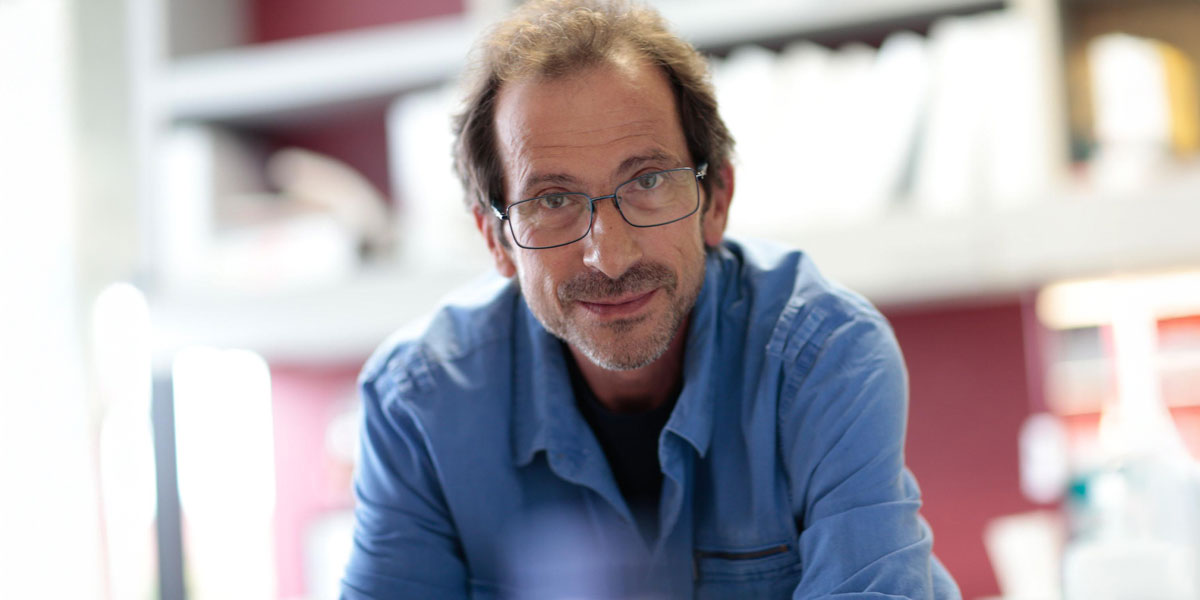
A. baumannii infections. | | Andrei Osterman, PhD
Image credit: Sanford Burnham Prebys | | |
This species of bacteria is known for its dynamic genome and ability to gain antibiotic resistance.
Scientists in the Osterman lab at Sanford Burnham Prebys and their collaborators at Roche Pharmaceuticals published findings in Antimicrobial Agents and Chemotherapy demonstrating the use of an experimental evolution approach to map genetic mutations in A. baumannii treated with one of two uncommon antibiotics.
This research marks a milestone on the path to genomics-based predictions of drug resistance and susceptibility that could be used to improve how antibiotics are prescribed in hospitals and clinics.
| | Hope for a Healthier Tomorrow | | |
When seven-year-old Amirah was diagnosed with a deadly pediatric brain cancer with no survivors and no effective treatments, her family was devastated. Then they met Dr. Angela Liou, Amirah’s physician and a scientist at Sanford Burnham Prebys, who spends four days a week in the lab searching for better, safer therapies for children like her. In that moment, Amirah’s parents saw something they desperately needed: real hope, backed by scientific action.
You can help fuel that action today. Your gift directly supports lifesaving work across our NCI-designated Cancer Center and our leading nonprofit drug discovery program, research that drives new treatments, clinical trials and FDA-approved breakthroughs.
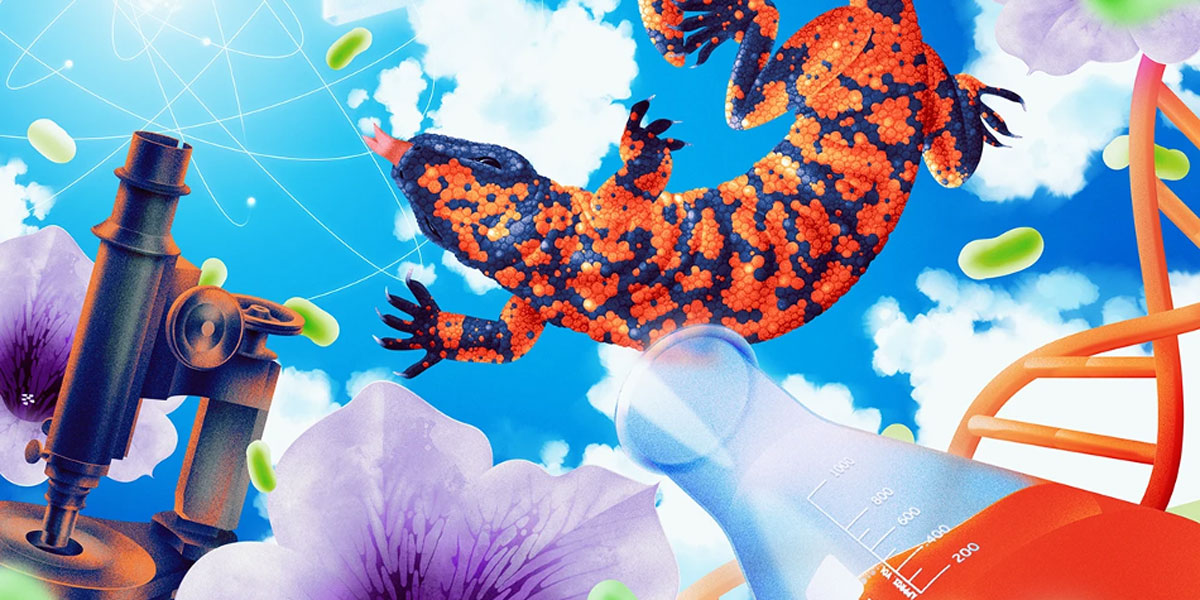
| | | And right now, thanks to matching gifts from Board President Donald Kearns, MD, and Board member Lori Moore, the first $50,000 received by December 31 will be doubled. Give today, double your impact, and stand with families like Amirah’s as we push toward the next breakthrough. | | Hud Freeze and the discovery that changed the world | In the October 29 issue of Nature, the journal celebrated “7 basic science discoveries that changed the world.” | | Image credit: Ibrahim Arafath, Nature | | Among them, the discovery of a heat-loving bacterium called Thermus aquaticus in a Yellowstone National Park hot spring by microbiologist Thomas Brock (1926-2021) and his undergrad assistant Hudson Freeze, PhD, now director of the Sanford Children’s Health Research Center at Sanford Burnham Prebys. | | Not all ultra-processed foods are unhealthy | Ultra-processed foods now account for more than half of all calories consumed by Americans at home. The numbers are similar around the world. | | Image credit: Adobe Stock | | |
Sanford Burnham Prebys president and CEO David Brenner, MD, notes in a recent op-ed that some ultra-processed foods lumped in with junk food actually offer proven health benefits, such as dark chocolate and plant-based meat substitutes.
Brenner argues that more research is needed to substantially address and assess the real and long-term health effects of ultra-processed foods, and what it would mean to eliminate them altogether.
| | |
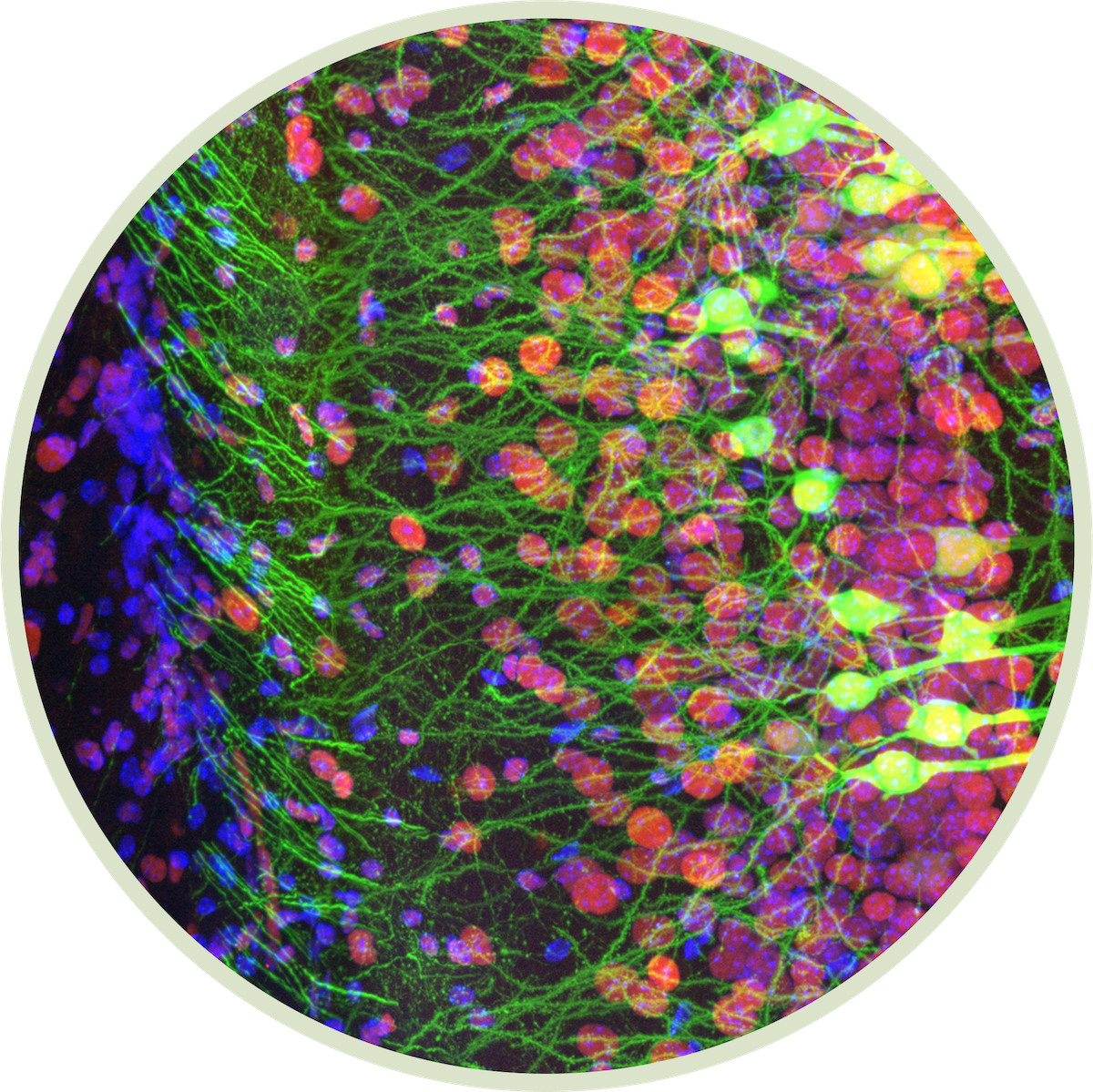
In this stained fluorescence image of a slice of mouse brain, green depicts the excitatory hippocampal neurons; in red are obesity-associated proteins and cell nuclei in blue.
Image credit: Ainara Pintor.
| | Thank You for Your Support During this Giving Season | | |
To ensure your gift to Sanford Burnham Prebys Medical Discovery Institute qualifies for a 2025 tax deduction, the specific deadline depends on the type of contribution. In general, the gift must be received or postmarked by December 31, 2025. Sanford Burnham Prebys is an independent 501(c)(3) nonprofit organization, tax ID (EIN) is 51-0197108.
Below are general deadlines for different donation methods based on typical year-end giving guidelines:
| | Recommendation: For complex gifts like securities or non-cash assets, or to ensure your donation is processed in time, it is highly recommended to contact Sandy Liarakos, VP of Philanthropy at (858) 795-5035 or sliarakos@sbpdiscovery.org as early as possible in December. | | | | |