Dear Reader:
When I was in my early twenties, I lived in Paris, which was the experience of a lifetime. I was freelancing for several magazines at the time, but I had always dreamed of writing a novel. Paris was the city in which I finally gave myself permission to try to do just that, though I knew the odds were against me. Prior to that summer, I had been purely pragmatic, working 50+ hours a week for magazine assignments, so pouring the same amount of time into something that might not come to fruition felt daunting, and I wasn’t sure I was making the right choice. But there was something about Paris that dared me to dream—and so I did. I sold my first novel a couple years later, and Paris forever earned itself a place in my heart.
Perhaps it was always predestined, then, that I would wind up writing about France. After starting my career writing chick lit, which was at its height
a decade and a half ago when I began
, I returned to the City of Light in the pages of my 2012 novel,
The Sweetness of Forgetting,
my first book set partially during World War II. As I delved into the research, I fell in love with France all over again; I was entranced and moved by all the stories of ordinary citizens standing up to the Nazis, ensuring that good ultimately triumphed over evil.
I tried writing about other things—a young widow who is granted a glimpse into the life she would have had with her deceased husband in
The Life Intended
; a German prisoner of war who falls in love with the daughter of an American sugarcane farmer during World War II in
When We Meet Again
—but I couldn’t seem to shake the hold France had on me. In 2018’s
The Room on Rue Amélie
, I told the story of an American woman in Paris during World War II who saves her Jewish neighbor, falls in love with an Allied pilot, and becomes part of a Résistance escape line.
That peek into the inspiration and courage it must have taken to work for the Résistance left me hungry for more, and I started to wonder whether there had been much resistance activity outside of the capital. My query led me to the Champagne area of France, some ninety miles northeast of Paris. It was another area that I’d fallen in love with, especially after visiting and hearing about the heroism of the residents there during the First World War, and I thought readers might be enchanted, as I was, by the beauty of the vineyards and the majesty of the major champagne houses.
I soon discovered that Champagne was a hotbed of Résistance activity—the head of one the largest champagne wineries was even the leader of the movement in that area of France—and the idea for
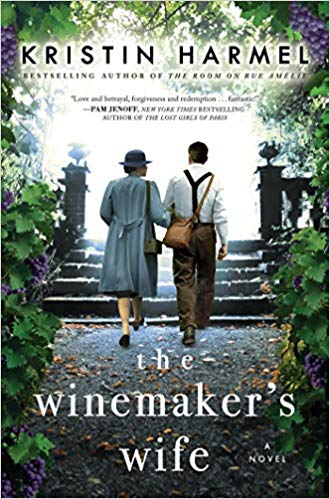
The Winemaker’s Wife
was born. I returned to the area, where I spent time at some of the most prestigious champagne houses as well as at smaller, family-run ones, and I talked to many people there about the history of the region. The result is a book full of detail about what it was like to make champagne under the thumb of the Nazis in the 1940s—and what it was like to fight back, not just against the enemy, but against the expectations and prejudices that shaped day to day life. Secrets, lies, and betrayals propel the characters’ spiral toward their destinies, all against a beautiful backdrop of rolling vineyards, eerie champagne caves, and grand château.
I hope that once you know the story behind the bubbles, you’ll never look at champagne the same way again.
Warmly,
Kristin Harmel