|
Paris 2024: Where Tradition Meets Innovation in Olympic Spirit
The 2024 Olympic Games this year take place July 26th - August 11th in Paris France. Breakdancing will make its Olympic debut in Paris. The organizers are emphasizing sustainability and using the Games as a platform to promote eco-friendly initiatives.
Unique Events will be held not only in Paris but also in other French cities, showcasing the country's diversity.
The Olympic Games have a rich history dating back thousands of years. Their origins can be traced to ancient Greece, where they were held in Olympia every four years, a period known as an Olympiad. These games were more than just athletic competitions; they were deeply rooted in Greek religion and culture, honoring the god Zeus.
The Olympics were a significant cultural and religious event, bringing together athletes from across Greece. A temporary truce was declared during the Games, allowing athletes to travel safely.
Pierre de Coubertin, a French educator, is credited with the modern Olympic movement. Inspired by the ideals of the ancient Games, he aimed to promote international peace and understanding through sport.
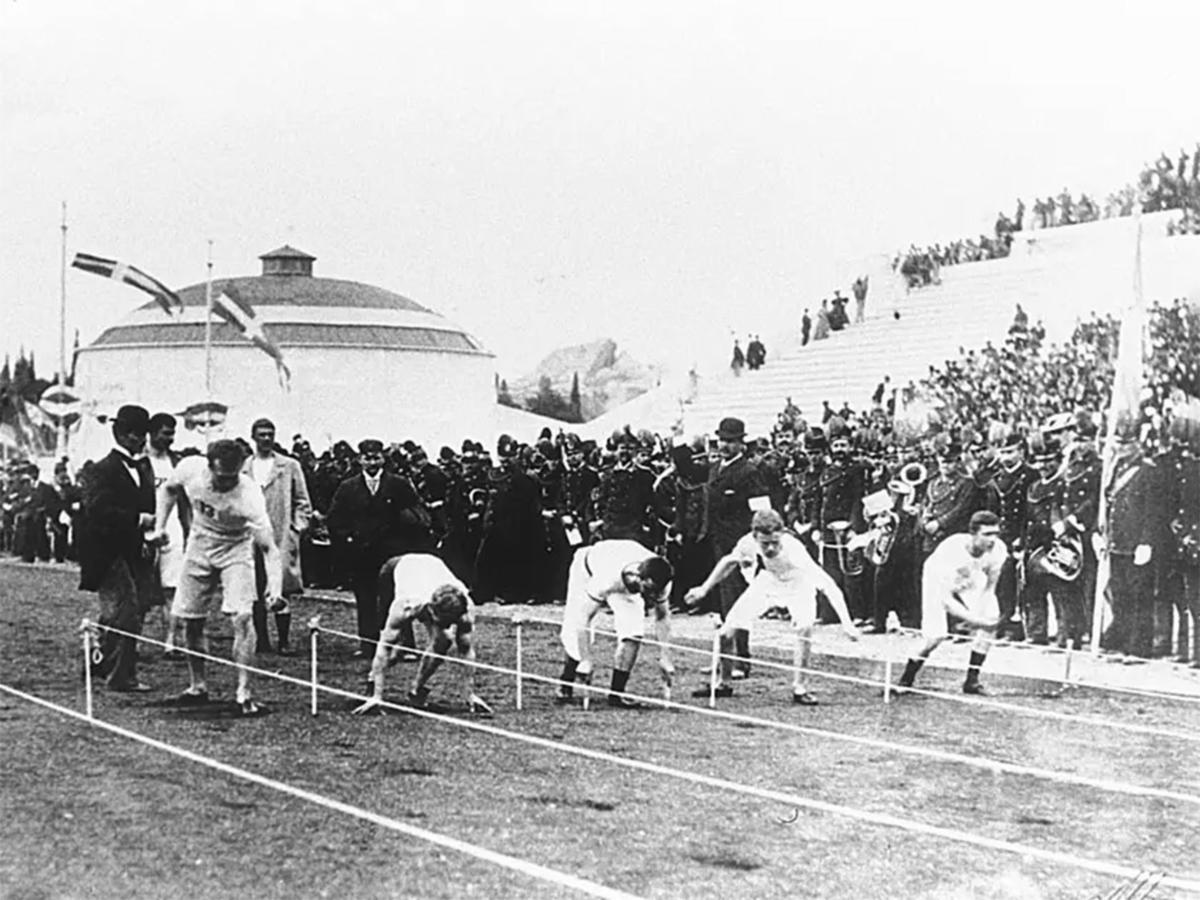
The first modern Olympic Games were held in Athens, Greece in 1896. There was limited participation, with only 241 male athletes from 14 nations participating. The opening ceremony was a far cry from the elaborate spectacles we see today. While Greece was the host nation, the United States won the most gold medals. The iconic marathon race was introduced at these Games, inspired by the legendary run of Pheidippides. The facilities were basic compared to modern standards, but the spirit of competition was strong.
Key historical moments in the Olympic Games include:
The Cold War: The Olympics often became a stage for political rivalry between the United States and the Soviet Union, with athletes representing their nations' ideologies.
Boycotts: Several Olympic Games were marred by boycotts, primarily due to political tensions.
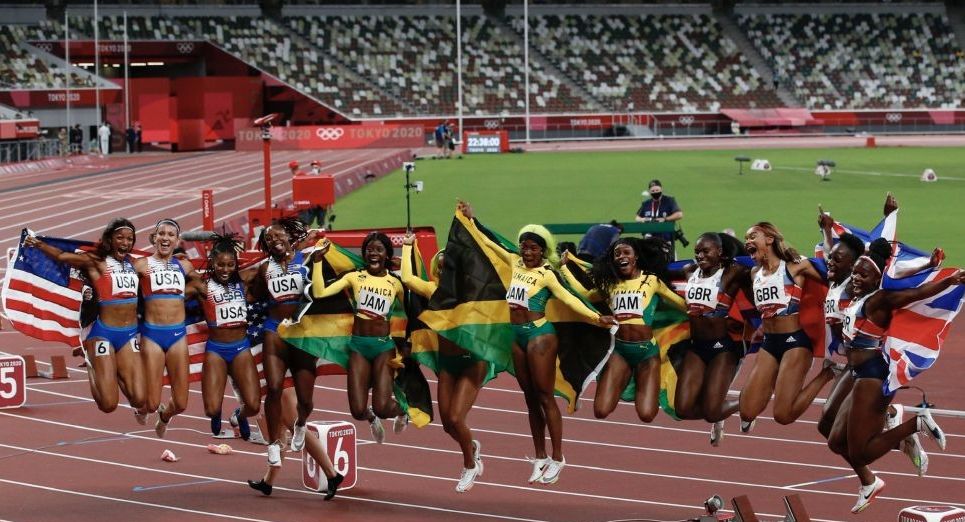
Women's Participation: The journey of women in the Olympic Games has been a long and challenging one. While the ancient Olympics excluded women entirely, the modern movement has made significant strides toward gender equality. Women were initially excluded from the Olympic Games but gained entry in the early 20th century. Their role has expanded significantly over the years. The number of women competing in the Olympics has steadily grown over the years. The Tokyo 2020 Games marked a significant milestone with nearly equal representation of male and female athletes. While progress has been made, gender inequality still exists in certain sports and regions - women athletes often receive less media coverage and attention compared to their male counterparts.
Professional Athletes: The participation of professional athletes has been a subject of debate, with rules evolving over time.
The Olympic Games have evolved significantly since their inception. The Olympics now features athletes from almost every corner of the world, showcasing a wide range of cultures, ethnicities, and backgrounds. We hope that you enjoy the festivities and competition over the next few weeks featuring the world's best athletes promoting friendship, unity, and the spirit of fair competetion.
|