Community Health E-Newsletter
Issue 8 | December 2025
| | |
Featured Article
Check out our cold weather safety tips on staying warm, dressing in layers, preparing your car and home, and taking precautions outdoors to prevent injuries, and emergencies during freezing conditions.
| |
RSV and Flu Season
As seasonal viruses circulate, staying informed helps keep our community healthy. Flu and RSV often rise this time of year, so simple precautions can make a big difference.
|
Staff News
Meet Barnstable County's Director of Emergency Preparedness and other's recent accomplishments.
| |
Exciting News From The Lab!
The Barnstable County Water Quality Laboratory has become the first lab in Massachusetts to receive MassDEP certification for groundbreaking automated bacterial testing technology.
| |
HIV and AIDS Awareness Month
December, HIV/AIDS Awareness Month brings communities together to educate, destigmatize, and advocate for prevention, treatment access, and support, honoring those affected while reaffirming the commitment to ending the HIV epidemic.
| |
Staying Active This Winter
As temperatures drop and daylight shrinks, winter on Cape Cod offers plenty of ways to stay active and support your well-being.
| |
Emergency Preparedness Division: Tier II HazMat Reporting and What's to Come
When disasters occur, preparedness is key, and the Barnstable County Emergency Preparedness Division works year-round to help Cape Cod communities plan for, respond to, and recover from emergencies.
| |
Holiday Food Safety and Norovirus
The holidays offer joyful gatherings and shared meals, but they also create ideal conditions for norovirus to spread—making awareness and simple preventive habits key to keeping celebrations healthy.
| |
Vitamin D in Winter
Winter on Cape Cod brings cozy charm but limited sunlight, often leaving locals with reduced outdoor time and an increased risk of low vitamin D levels.
| |
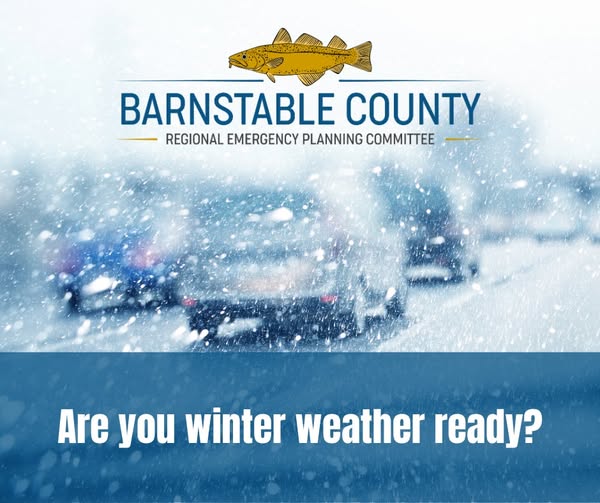
It's Time to Get Winter Ready
Cape Cod weather changes fast. Make sure you’re ready for whatever winter brings.
| |
Indoor Air Quality
As colder weather traps more pollutants indoors, improving ventilation, filtration, humidity, and cleanliness helps keep indoor air healthier and safer.
| |
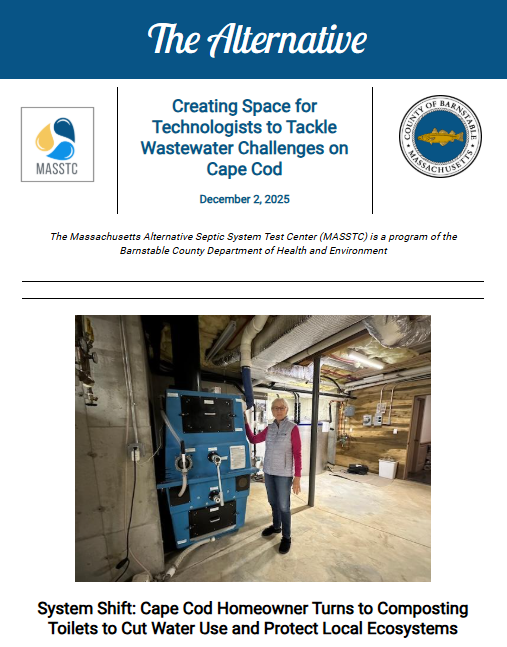
MASSTC's 'The Alternative' Newsletter
System Shift: Cape Cod Homeowner Turns to Composting Toilets to Cut Water Use and Protect Local Ecosystems
| |
Community Corner
Find out what's happening locally!
| |
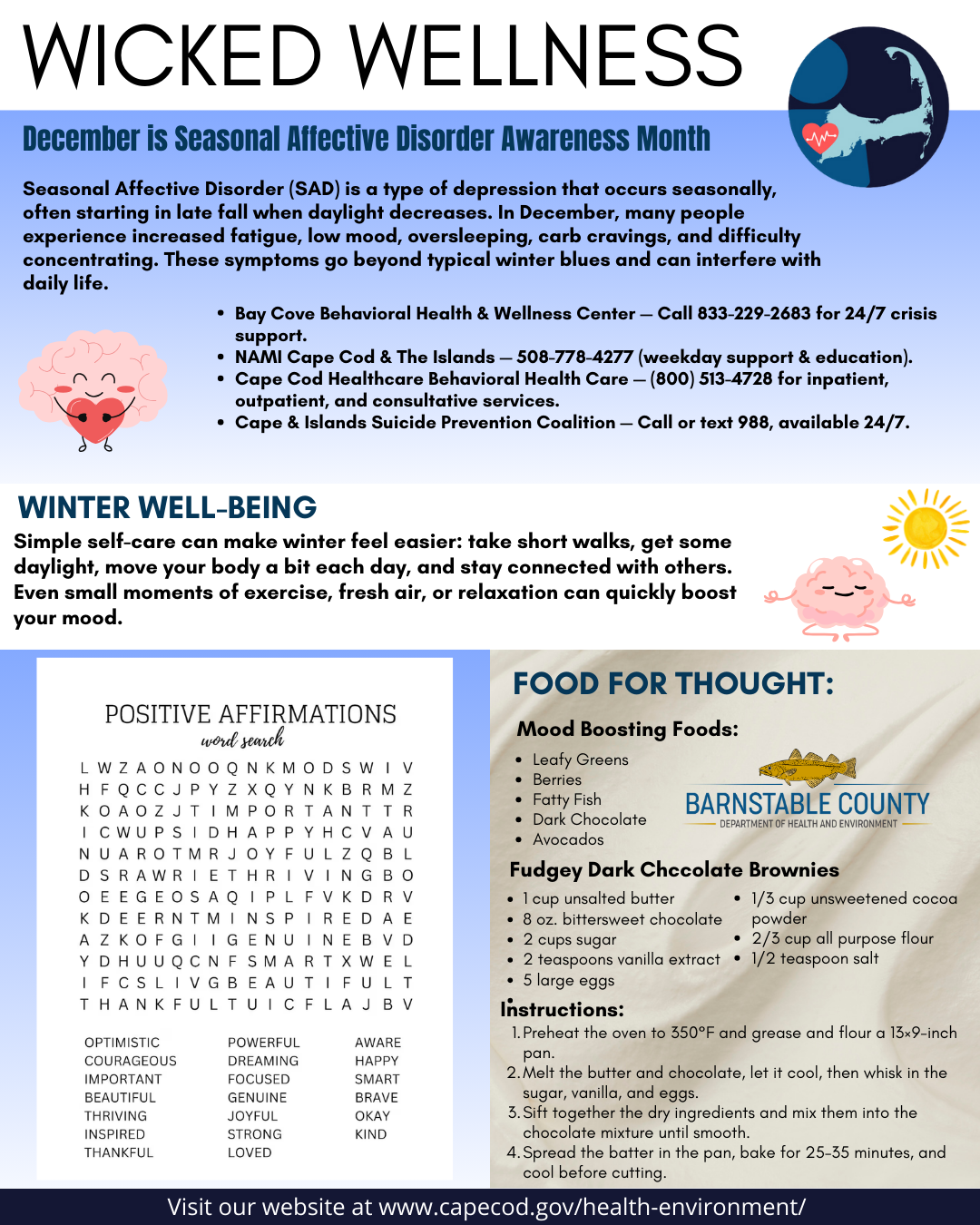
Wicked Wellness
A monthly flyer inspired by health awareness themes!
| |  | Cold Weather Safety: Simple Steps That Make a Big Difference | |
Winter in New England can be beautiful, but it can also be brutal. Whether you’re heading out to shovel snow, walking the dog, or just trying to stay warm at home, a little preparation goes a long way. Here are a few practical tips to help you stay safe, warm, and ready for whatever the season brings.
Dressing for the Cold:
When it comes to dressing for the cold, layers are your best defense. Start with a moisture-wicking base, add an insulation layer, like fleece or wool, and top it off with a windproof, waterproof outer layer. Do not forget gloves, a hat, and warm socks. If the forecast calls for extreme cold or wind chills, try to limit your time outside as much as possible.
Shovel Safety:
Snow shoveling may feel like a routine chore, but it can be surprisingly strenuous. Warm up your muscles before you start, use a shovel that is easy on your back, and push snow instead of lifting it when you can. Take breaks, drink water, and listen to your body. Cold weather can make it harder to recognize when you are overexerting yourself.
Protect Your Pets:
Pets need cold weather care too. Bring them indoors during freezing temperatures and give them a warm, dry place to rest. For pets that are sensitive to the cold, but need to go outdoors, keep trips short during especially cold spells. Be sure to wipe their paws after walks to remove any ice melt or debris they might pick up along the way.
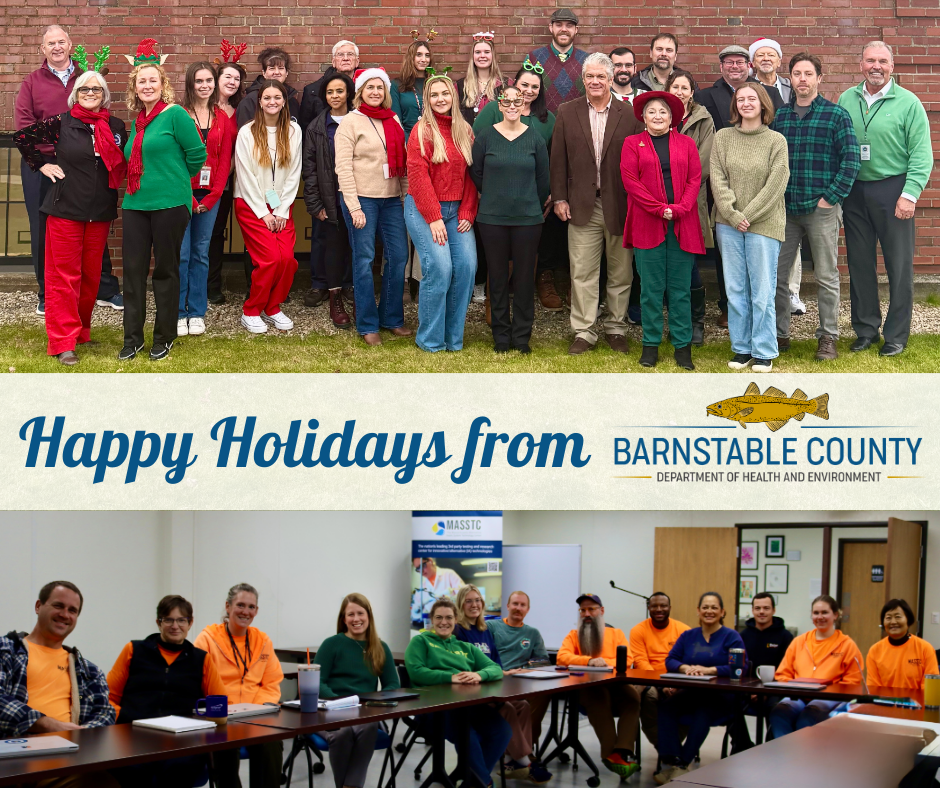
| | | | | Warmest Holiday Greetings from Barnstable County! | |
To our Cape Cod residents and visitors, we wish you joy, peace, and cherished moments with loved ones during this festive season.
Stay safe and happy holidays!
| |
RSV and Flu Season
With flu and Respiratory Syncytial Virus (RSV) on the rise this season, at Barnstable County Department of Health & Environment we advise residents on the Cape & Islands to stay alert but not alarmed. Acute respiratory illnesses often increase during and after holiday periods, so vaccinations, good hygiene, and avoiding contact when ill are key to protecting ourselves and our community.
For the latest regional data and guidance, visit Barnstable County’s Acute Respiratory Illness page.
Learn More
| | | | Staff Highlight: William “Chip” Reilly III, MSEM, CEM | |
Barnstable County’s Emergency Preparedness Division plays a critical role in keeping Cape Cod’s residents, visitors, and communities safe through planning, coordination, and response activities across the region. At the center of these efforts is William “Chip” Reilly III, the County’s Emergency Preparedness Director, who leads county-wide preparedness initiatives, regional planning, and multi-agency coordination for incidents large and small.
Read More
|
Staff Achievement: Marina Tonial, MPH, CHES®
We are proud to announce that our Community Health Educator, Marina Tonial, has earned the Certified Health Education Specialist (CHES) credential through the National Commission for Health Education Credentialing. This accomplishment reflects Marina’s expertise, professionalism, and dedication to improving community health. Congratulations, Marina!
Read More
| Showcasing Regional Strength: Lea Hamner Presents at the MHOA Conference | |
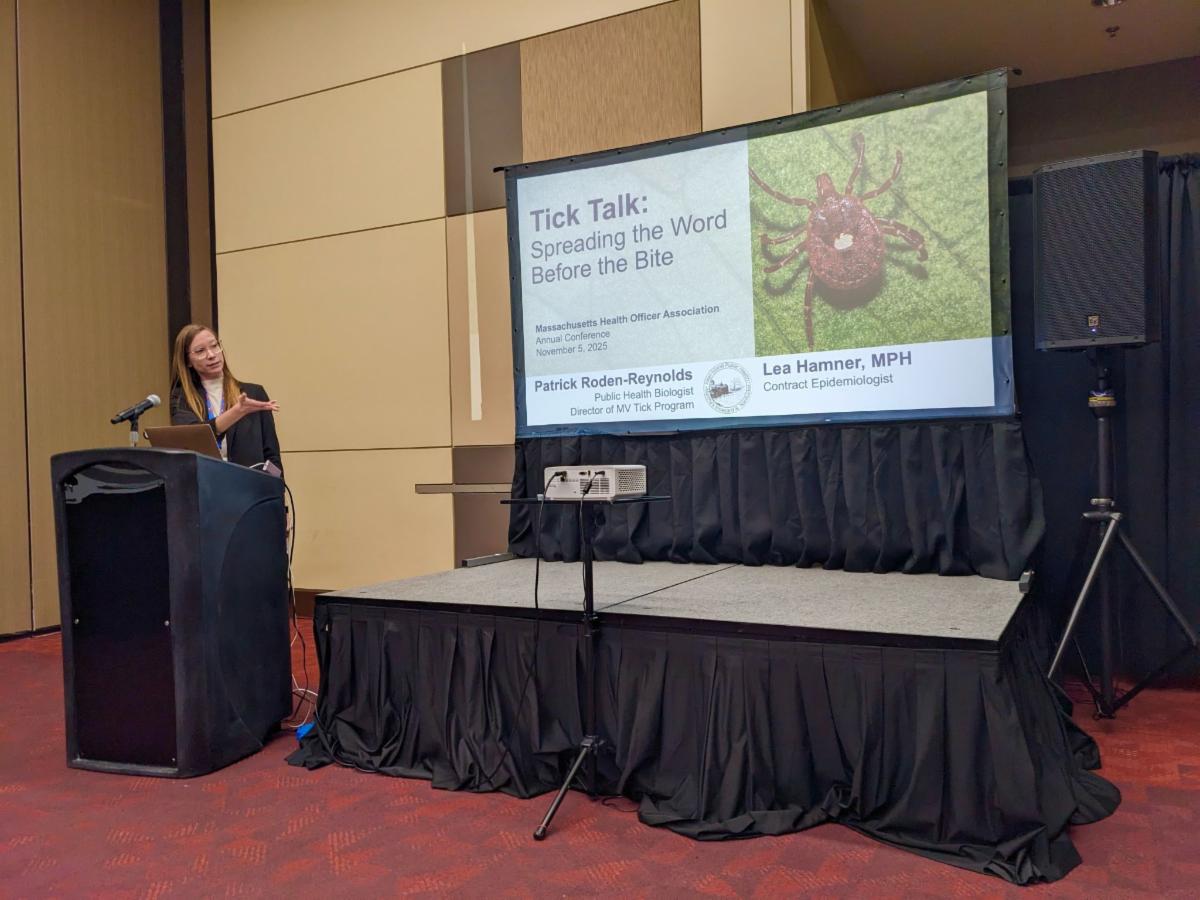
Lea Hamner, MPH, contract epidemiologist with the Barnstable County Department of Health and Environment, delivered not one, not two, but three presentations at the Massachusetts Health Officers Association Annual Conference this November—showcasing the innovation, collaboration, and community-centered approach that define effective public health practice.
Read More
| | |
First in Massachusetts: Barnstable County Water Quality Laboratory Pioneers Automated Bacterial Testing | |
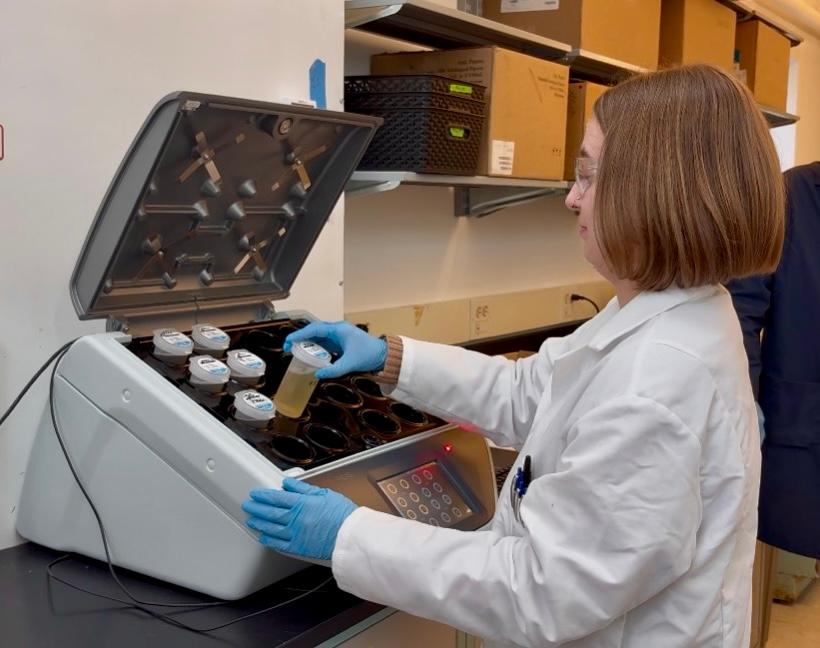
Making history in water safety, the Barnstable County Water Quality Laboratory has become the first lab in Massachusetts to receive Massachusetts Department of Environmental Protection (MassDEP) certification for groundbreaking automated bacterial testing technology.
The MassDEP has certified the Barnstable County Water Quality Laboratory to analyze bacteriological samples using the new IDEXX Tecta automated system—a milestone achievement that positions our county at the forefront of water quality protection.
Read More
| HIV and AIDS Awareness Month | | |
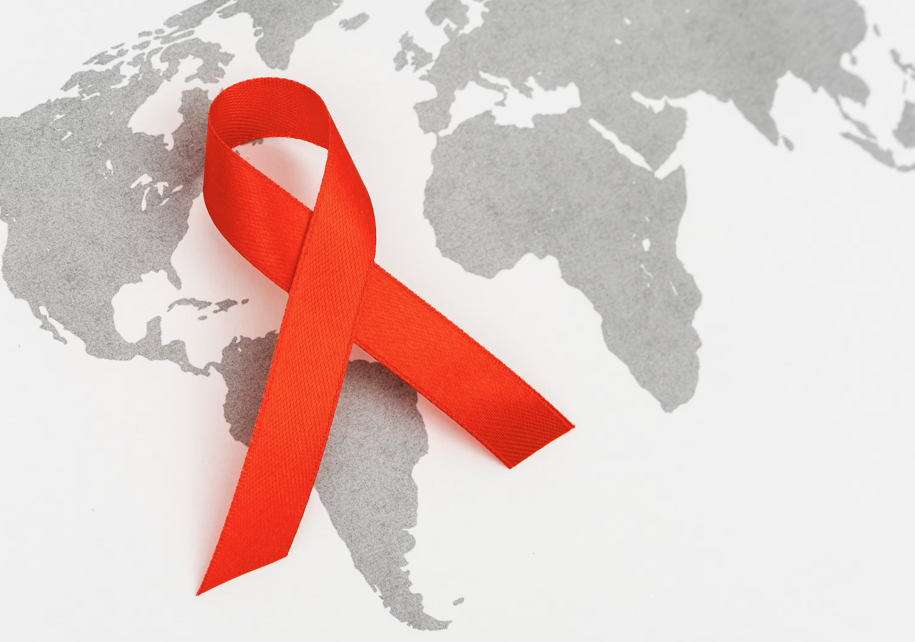
Every December, communities around the world come together to recognize HIV/AIDS Awareness Month, a time dedicated to honoring those affected by HIV, supporting ongoing prevention efforts, and recommitting to the goal of ending the HIV epidemic.
This month is more than a symbolic observance—it’s an opportunity to educate, destigmatize, and advocate. Despite major advances in treatment, millions of people globally still live with HIV, and many face barriers to care due to stigma, misinformation, or lack of resources. Raising awareness helps bridge those gaps.
Throughout December, organizations host testing drives, educational workshops, and community events to encourage open conversations about sexual health and prevention. Messages center on the importance of regular testing, PrEP and other prevention tools, and universal access to treatment—all key components in reducing new infections and supporting those already living with HIV.
It’s also a month to honor the resilience of individuals and communities who continue to lead the way through activism, science, and compassion.
By staying informed and supporting one another, we can work toward a future where HIV is no longer a public health threat—and where every person is treated with dignity and care.
| |
Staying Active This Winter on Cape Cod |
As temperatures drop and daylight hours shrink, it's tempting to hibernate indoors until spring returns. But winter on Cape Cod offers unique opportunities to stay active and support your physical and mental health during the colder months. Whether you prefer bundling up for outdoor adventures or staying cozy with indoor activities, there are plenty of ways to keep moving this season.
Learn More
| | | | Emergency Preparedness Division: Tier II HazMat Reporting and What's to Come | | |
One of the key services that Barnstable County Department of Health and Environment's Emergency Preparedness Division provides is support for the Tier II program. Each year, the division's team helps coordinate the collection of Tier II reports from facilities that store hazardous materials above certain thresholds. These reports required under the Emergency Planning and Community Right-to-Know Act (EPCRA), detail the types and quantities of chemicals on-site, where they are stored, and who to contact in an emergency.
Read More
| |
Holiday Food Safety and Norovirus | |
The holidays bring family gatherings, festive meals, and plenty of opportunities to share good food—and unfortunately, sometimes germs. One of the most common culprits of holiday-season illness is norovirus, often called the “stomach bug.” It spreads quickly, thrives in crowded settings, and can hitch a ride on contaminated food. The good news? With a little awareness and a few simple habits, you can keep your celebrations safe and healthy.
Read More
| Why Vitamin D Matters During a New England Winter — Especially on Cape Cod | |
Winter on Cape Cod is peaceful, beautiful… and dark. As the days grow shorter and the sun sinks lower in the sky, many locals find themselves spending more time indoors and far less time soaking up natural sunlight. While cozying up inside is part of the charm of a New England winter, it can also contribute to a common seasonal problem: low Vitamin D levels.
Learn More
| It's Time to Get Winter Ready | |
It’s that unpredictable time of year on Cape Cod when the weather could go from 55 degrees and sunny to a snowy nor’easter in a matter of days. Don’t be caught off guard—be prepared!
Learn More
| |
As colder weather arrives and we spend more time inside, indoor air quality becomes an important part of staying healthy. Homes and workplaces that are tightly closed to keep out the cold can trap pollutants such as dust, mold, pet dander, cleaning chemicals, and respiratory droplets. A few simple steps can help keep your indoor spaces fresher, healthier, and safer.
Why It Matters
Poor indoor air quality can worsen allergies, asthma, and respiratory illnesses. It can also increase the spread of winter viruses like flu and RSV, especially in crowded or poorly ventilated spaces.
Tips to Improve Indoor Air Quality
• Increase ventilation when possible
Open windows briefly when weather permits or use window vents to bring in fresh air, even if it is just briefly.
• Use air purifiers
HEPA (High – Efficiency Particulate Air) air purifiers help remove allergens, fine particles, and airborne viruses. Place them in high-use areas such as living rooms, bedrooms, or offices.
• Manage humidity
Keep indoor humidity between 30–50%. Low humidity can irritate airways, while high humidity can promote mold growth. Humidifiers and dehumidifiers can help maintain balance.
• Clean and change filters
Regularly replace HVAC and furnace filters, especially during high-use winter months. A clean filter improves airflow and reduces dust and allergens.
• Reduce indoor pollutants
Limit strong fragrances, aerosols, and harsh cleaning chemicals.
• Keep your home clean
Dust and vacuum regularly to remove particles that irritate the lungs. Pay special attention to bedding, carpets, and areas where pets spend time.
When to Be Extra Careful
People who have asthma, COPD, allergies, or weakened immune systems are more sensitive to indoor air issues. Older adults and young children also benefit from improved indoor air circulation and reduced pollutant exposure.
| | Check out the Latest Newsletter from MASSTC! | |
| |
You're Not Alone This Holiday Season
If you’re feeling especially sad or overwhelmed during the holiday season, reaching out to 988 can connect you with someone who will listen and offer immediate support. You don’t have to navigate difficult emotions alone. Help is available any time, day or night.
| | | | Wicked Wellness: Seasonal Affective Disorder Awareness Month! | | |
Wicked Wellness is a monthly flyer inspired by relevant health awareness themes. Each edition discusses an important health topic, with helpful exercise tips and simple yet delicious recipes using local, in-season ingredients.
Our December issue focuses on Seasonal Affective Disorder, in particular, heathy routines and mental health support. Check it out!
Interested in viewing previous issues of Wicked Wellness? Visit our webpage!
| | |
This section highlights local events and resources across Barnstable County. Check out what’s happening in your town this December:
Note: Some events may have fees or require registration.
Town of Barnstable Holiday Events:
Barnstable
December 3: 6:00 PM - 8:00 PM: Winter stroll & annual tree lighting, courthouse lawn (rain date 12/4)
Marston's Mills
December 5: 6:00 PM: Community tree lighting, sing along, refreshments & crafts, Burgess House Lawn: 559 Cotuit Rd (rain date 12/6)
Hyannis
December 6:
10:00 AM -4:00 PM: 12th annual love local fest - Hyannis Village Green
11:00 AM - 3:00 PM: Hyannis Main Street Stroll
4:30 PM - 5:30 PM: Hyannis Harbor Holiday Boat Parade
Cotuit
December 6: 10:00 AM - 5:00 PM: Christmas in Cotuit - Multiple locations
Centerville
December 7: 4:00 PM - 6:00 PM: Christmas stroll - Historic Main Street
West Barnstable
December 7: 5:00 PM: Annual tree lighting, followed by the Christmas Story, carol sing, and informal gathering in Jenkins Hall - Village Green (Route 149, off exit 65)
Osterville
December 12:
10:00 AM - 4:00 PM: Festival of Trees
10:00 AM - 1:00 PM: Osterville Farmers Market Holiday Pop-Up
4:00 PM - 9:00 PM: 56th annual Osterville Village Christmas open house and stroll, followed by decorated golf cart parade
December 13:
10:00 AM - 2:00 PM: Festival of Trees
| | We want to hear from you! Take a quick survey to provide feedback about this updated version of our Community Health Newsletter. | | | | |