-
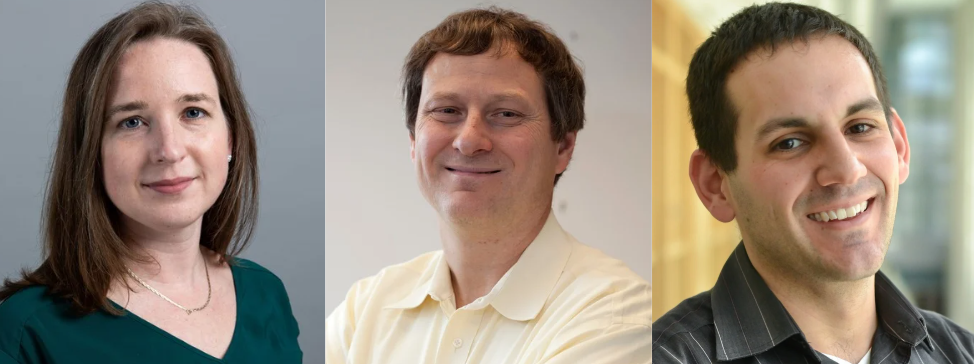
Researchers led by Ludwig Stanford’s Michelle Monje report in Nature that in diffuse midline gliomas, GABAergic neuronal synapses with glioma cells drive tumor growth and describe the mechanism underlying that effect.
-
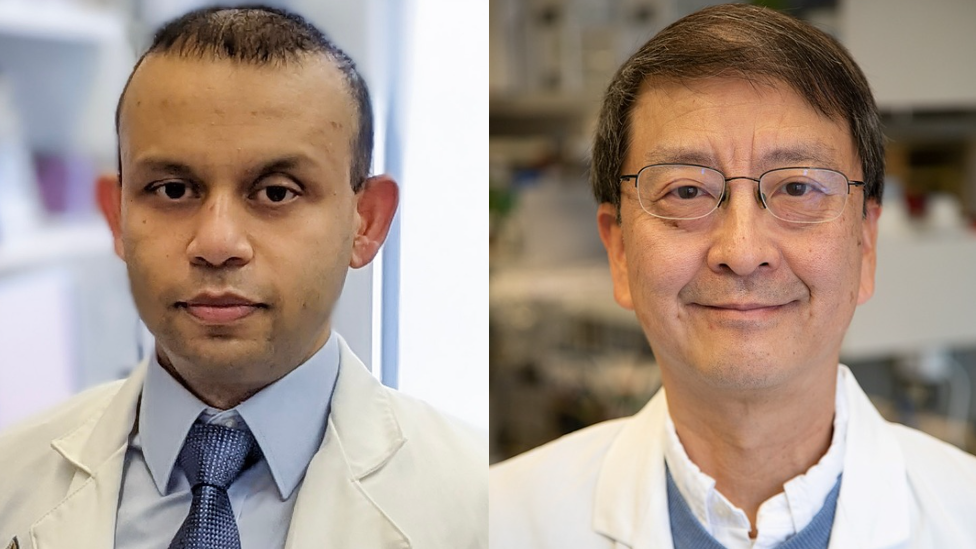
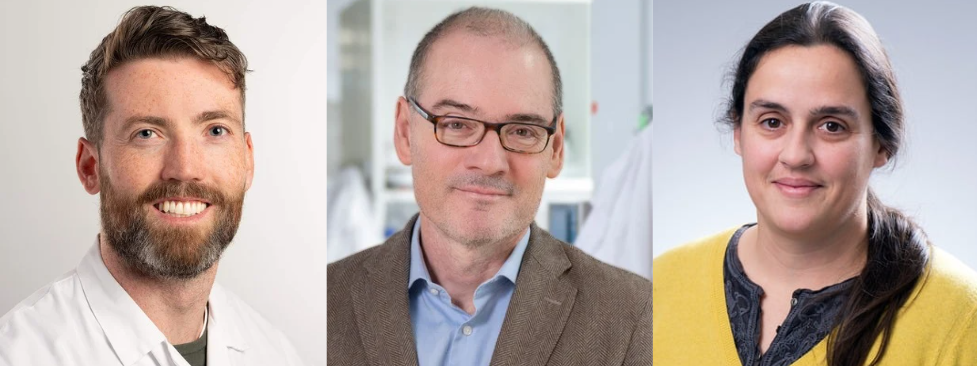
Researchers led by Ludwig Johns Hopkins’ Ashley Cook, Kenneth Kinzler and Nicolas Wyhs describe in eLife a screen for inhibitors of the NMD pathway, which degrades potentially antigenic mutant gene transcripts. They also identify a drug candidate that targets the pathway and slows tumor growth in mice.
-
Researchers led by Ludwig Harvard’s Marcia Haigis describe in Cell how the rearrangement of the ALK protein alters metabolism in lung cancer cells and identify GUK1 as a potential drug target for ALK+ and possibly other lung cancers.
| |
| |  | Researchers led by Ludwig Stanford’s Michelle Monje have previously shown that neural activity drives high grade gliomas (HGGs), aggressive and incurable cancers that include pediatric diffuse midline gliomas (DMGs) and glioblastomas (GBMs). Those studies revealed that excitatory glutamatergic synapses between neurons and glioma cells stimulate the proliferation of the latter. In this study, Monje and colleagues explored how GABAergic neuronal synapses with glioma cells influence tumor growth. Employing electrophysiology, optogenetics and mouse models of HGGs, the researchers discovered that GABAergic synapses, though ordinarily inhibitory, actually stimulate growth of DMG tumors—but not of GBM. This is because DMGs, but not GBMs, express the NKCC1 chloride transporter, which abnormally boosts chloride levels in the malignant cells, depolarizing the cancer cells and making GABA activity excitatory. In line with this finding, the benzodiazepine drug lorazepam, which stimulates GABA signaling, accelerates DMG growth in mice and shortens their survival. The study points to new approaches to developing therapies for these incurable cancers and suggests that DMG patients should probably avoid taking benzodiazepine drugs.
| |
| | | Cancer cells can make themselves less visible to the immune system by ensuring that the many mutated genes they encode are never presented to immune cells by HLA molecules on their surface. One way they do this is by degrading the transcripts of such mutant fragments through a pathway known as “nonsense mediated decay” (NMD). Researchers led by Ludwig Johns Hopkins’ Ashley Cook, Co-director Kenneth Kinzler and Nicolas Wyhs report here their development of a screen to identify inhibitors of the NMD pathway and its use to identify and evaluate one such candidate drug out of thousands that they screened. They show that this molecule, KVS0001, an inhibitor of the NMD pathway kinase SMG1, slows tumor growth in mice. The drug boosts expression of truncated gene transcripts and proteins in human and murine cells in vitro and murine cells in vivo. It also increases the HLA class I presentation of mutant proteins on the surface of human cells, supporting the possibility it could help boost the efficacy of cancer immunotherapies.
| |
| | | Cancer cells undergo metabolic reprogramming, ramping up glycolysis to support their proliferation, an adaptation that also compromises anti-tumor immunity. The proliferation and abnormal metabolism of cancer cells also contribute to low oxygen in the tumor microenvironment, which diminishes the efficacy of radiotherapy. Researchers co-led by Ludwig Chicago’s Xiaomin Jiang and Wenbin Lin, with collaborators in Germany, report here their development of a nanoparticle that targets both these phenomena to alleviate hypoxia, stimulate anti-tumor immunity and enhance the effects of radiotherapy. The nanoscale metal–organic layer is conjugated with 3-bromopyruvate, which inhibits a key metabolic enzyme to disrupt both glycolysis and the more conventional energy generation process of oxidative phosphorylation. Combined with X-ray irradiation, the nanoparticle inhibits lung metastasis and tumor growth in mouse models of colorectal carcinoma and breast cancer and induces potent anti-tumor immune responses when combined with immune checkpoint blockade.
| |
|
Researchers led by Ludwig Harvard’s Marcia Haigis explored how the rearrangement of the ALK protein, which drives a small subset of lung cancers, alters cancer cell metabolism. They show here that ALK phosphorylates GUK1, an enzyme that synthesizes GDP, at tyrosine 74 (Y74). This boosts GDP synthesis and amplifies signaling by Ras and MAP kinase that drives cancer cell proliferation. Mutating that tyrosine (Y74F) reduces GDP and GTP pools in cells and inhibits tumor cell proliferation in cultures and in mice. This suggests that inhibiting GUK1 activation could help treat lung cancer. Notably, Haigis and colleagues find that other oncogenic mutations in lung cancer also regulate GUK1, suggesting its activation could be a more general metabolic dependency of lung cancers.
| |
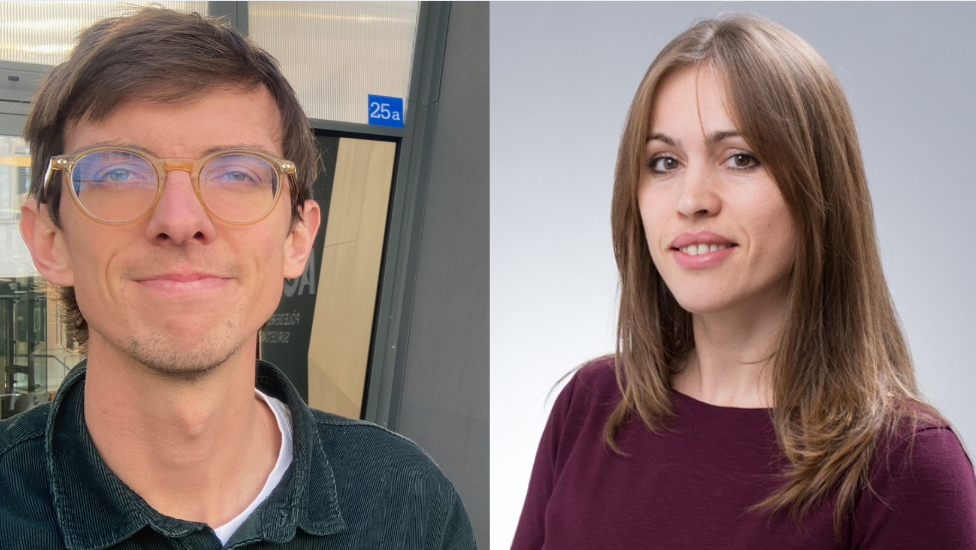
| | | Treatment-refractory or relapsed acute myelogenous leukemia (AML) is treated with allogeneic hematopoietic stem cell transplantation (HSCT). In allo-HSCT, the patient’s HSCs and leukemic stem cells (LSCs) are both eliminated with high-dose genotoxic chemotherapy and irradiation in a “conditioning” regimen before HSCT. But nearly a quarter of children with AML relapse, and half succumb to disease or to treatment-related morbidities within 5 years. Researchers led by Ludwig Stanford’s Quenton Bubb and Agnieszka Czechowicz report here their establishment of a proof-of-concept for a strategy to limit treatment-related morbidities. It employs for both anti-leukemic therapy and HSCT conditioning novel CAR-T cells engineered with receptors that simultaneously target three cytokine receptors (KIT, MPL, and FLT3) that are expressed by both LSCs and healthy HSCs. These “extracellularly linked concatemeric trivalent cytokine” (ELECTRIC) CAR-T cells, they propose, would eliminate the need for chemotherapy or irradiation in the conditioning regimen. The researchers show that ELECTRIC CARs exhibit potent cytotoxicity against normal and malignant hematopoietic cells in vitro and display activity against cells bearing the targeted cytokine receptors in a murine xenograft model.
| |
|
Check out this interview with Juan Marín Jiménez, a doctoral candidate at Bellvitge Biomedical Research Institute in Spain who received an EACR Travel Fellowship to work with Denarda Dangaj at Ludwig Lausanne from February-October 2024. Jiménez spoke with the EACR magazine about his experience in Dangaj's lab advancing his studies on the immune responses and tumor microenvironments of ovarian cancer patients treated with neoadjuvant chemotherapy, Dangaj’s encouraging mentorship and the new techniques he learned. He also speaks of the warm welcome he received at the lab and the Branch that, he says, “made this experience unforgettable.”
| |
|
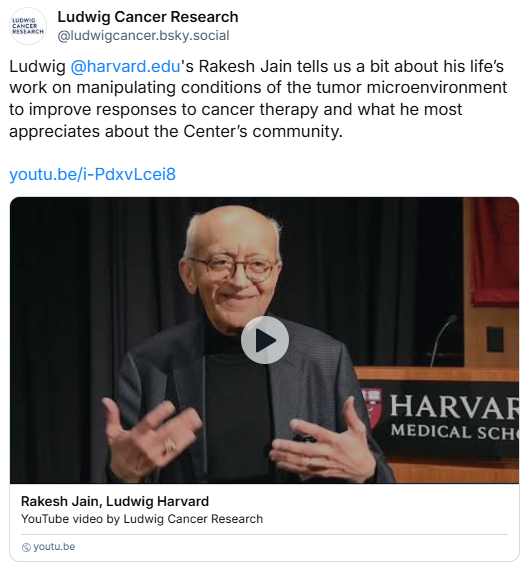
Mathematical models based on our understanding of biological processes at subcellular, cellular and tissue levels are known as mechanistic models. Collectively, the different types of mechanistic models developed so far have applications that range from describing the physicochemical properties of drugs and characteristics of tumors to the interactions between drugs, cancer cells and elements of the tumor microenvironment and can enable patient-specific predictions when combined with medical imaging. Data-driven artificial intelligence-based methods can complement mechanistic models and have great potential for cancer detection, treatment and drug discovery. This review, co-led by Ludwig Harvard’s Rakesh Jain, discusses these diverse approaches and the ways in which they might be combined to improve cancer treatment outcomes.
| |
|
Our congratulations to Ludwig Oxford’s Colin Goding, who has received the Lifetime Achievement Award from the Society for Melanoma Research, an organization of clinicians and scientists dedicated to alleviating the suffering caused by melanoma. Goding’s studies explore how the microenvironment influences melanoma invasiveness and progression. His lab has shown, most notably, that the microphthalmia-associated transcription factor (MITF) plays a central role in integrating environmental signals to alter melanoma cell phenotypes. MITF-low cells are drug-resistant, slow-cycling, tumor-initiating and invasive, while cells that express MITF at high levels tend to have a proliferative phenotype. These studies are of value to developing new approaches to treating the aggressive skin cancer and, more broadly, understanding the microenvironmental forces that drive cancer progression.
| |
|
This review, co-authored by Ludwig Oxford’s Peter Ratcliffe, covers the links between the body’s adaptations to oxygen deprivation at high altitudes and other biological processes. Many of these adaptive responses are mediated by a specific isoform of the transcription factor hypoxia-inducible factor (HIF-2α). The authors review that research as well as studies describing links between those adaptations and the biology of paraganglioma, tumors that often affect chemosensitive tissues.
| |
|
A little over twenty-five years ago, the European Medicines Agency (EMA) and the Food and Drug Administration (FDA) approved the chimeric antibody rituximab, fundamentally altering the landscape of anti-cancer drugs. In the last three years, the EMA and FDA greenlighted eighteen antibodies, with the majority designed in the formats of antibody-drug conjugates (ADC) and bispecific antibodies (BsAb). This Perspective, co-authored by Ludwig Johns Hopkins’ Suman Paul and Shibin Zhou, discusses six major events that shaped antibody approvals over the last two and half decades. They discuss the first antibodies approved to treat solid tumors, the emergence of the ADC and BsAb formats, the development of the first checkpoint blockade antibody and the discovery that allowed the use of such agents across cancer types based on the presence of genetic markers.
| |
|
The immune-related adverse events associated with chimeric antigen receptor (CAR)-T cell therapy are dangerous for patients and expensive to payers. Current interventions do not always address the side effects of such events or prevent progression to higher grades of adverse events. This review, coauthored by Ludwig Lausanne’s Arthur Mulvey, George Coukos and Caroline Arber with a UNIL colleague argues that treatment must uncouple CAR-T function from cytokine-mediated toxicities to improve efficacy. This may be achieved by targeting CAR or independent cytokine signaling axes transiently, and through novel T cell engineering strategies—such as low-affinity CAR-T cells, reversible on–off switches and versatile adaptor systems. The researchers summarize the current management of cytokine release syndrome and immune effector cell-associated neurotoxicity syndrome. They also review druggable targets and cellular engineering strategies to develop safer CAR-T cells.
| |
|
Ludwig Lausanne’s Mikaël Pittet is interviewed in this German-language video discussing extraordinary recoveries from seemingly incurable diseases. It highlights three cases where unexpected recoveries have sparked further research. Pittet discusses the use of genetically modified immune cells for cancer immunotherapy.
| |
ICYMI: In case you missed it... | |
|
Get involved
Events, careers and collaboration opportunities
| |
Do you know of any news, studies or events that would be relevant to the Ludwig community? Please contact us! | |
Ludwig Cancer Research | www.ludwigcancerresearch.org | |
Please note these clips are not intended to be a comprehensive overview of the news, but a compilation of Ludwig coverage, as well as topics and issues considered to be most relevant to our scientific community. Any views or opinions presented in the news clips are solely those of the cited news sources. When available, a link to the original study is provided. *Asterisk indicates a subscription or login may be required.
| | | | |