Faulkner County Agriculture Update
June 19, 2026
| | |
Weather
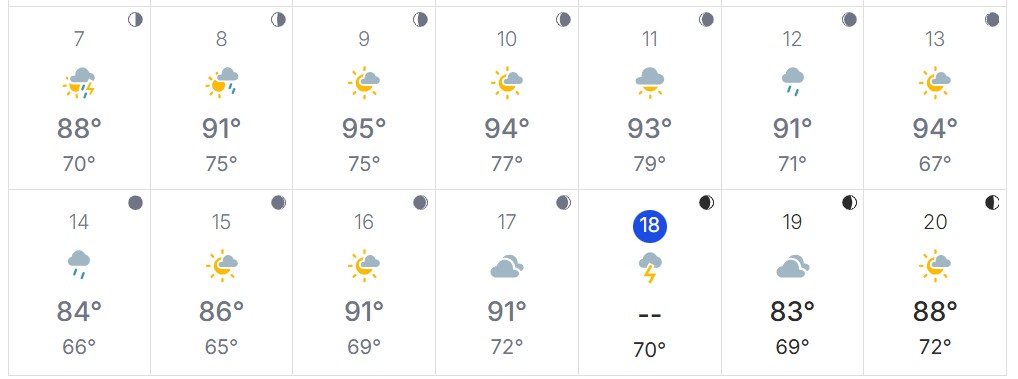
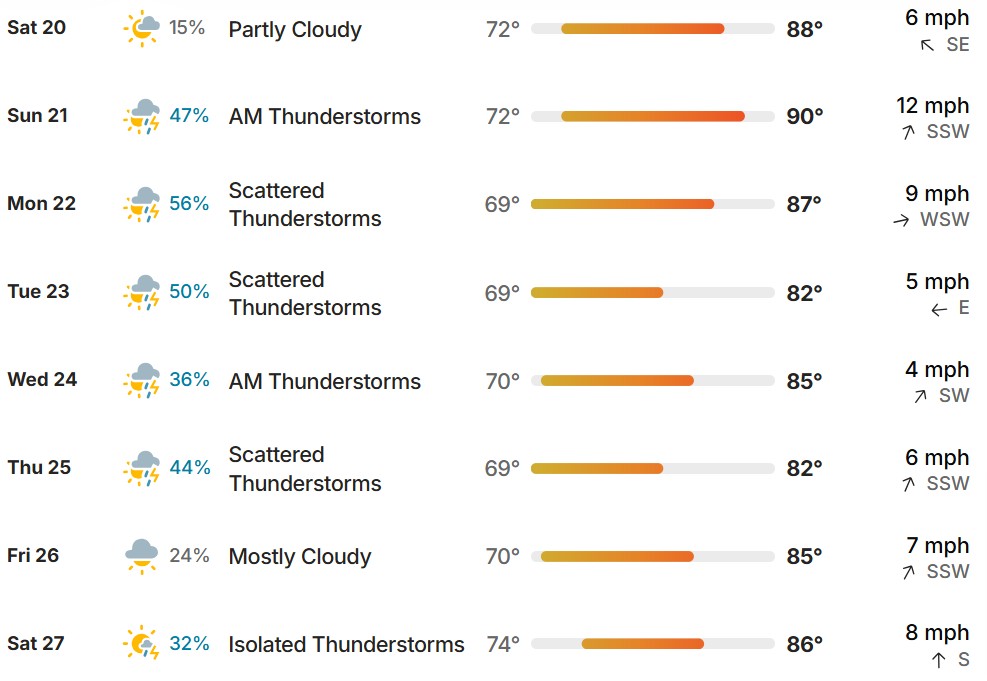
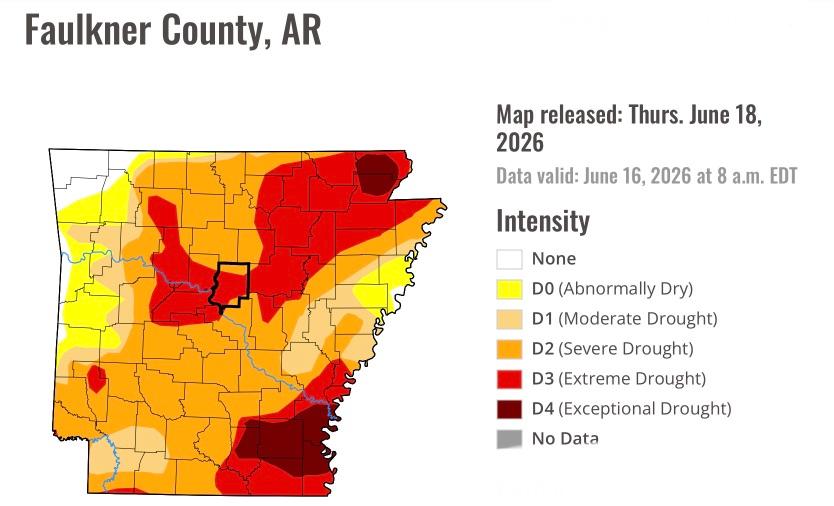
Temperatures this week were still in the 90's but the lows dipped down into the high 60's for the most part. For a plant that needs a little rest, nighttime lows in the 60's are a good thing. Rain chances come back into play next week. I think most of our crops could use a good 1 inch rain right now.
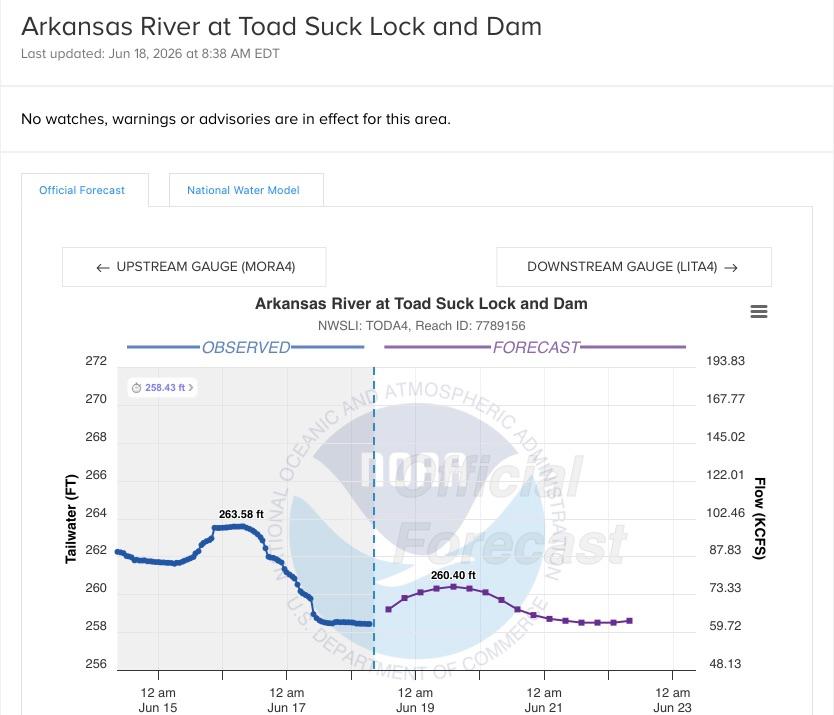
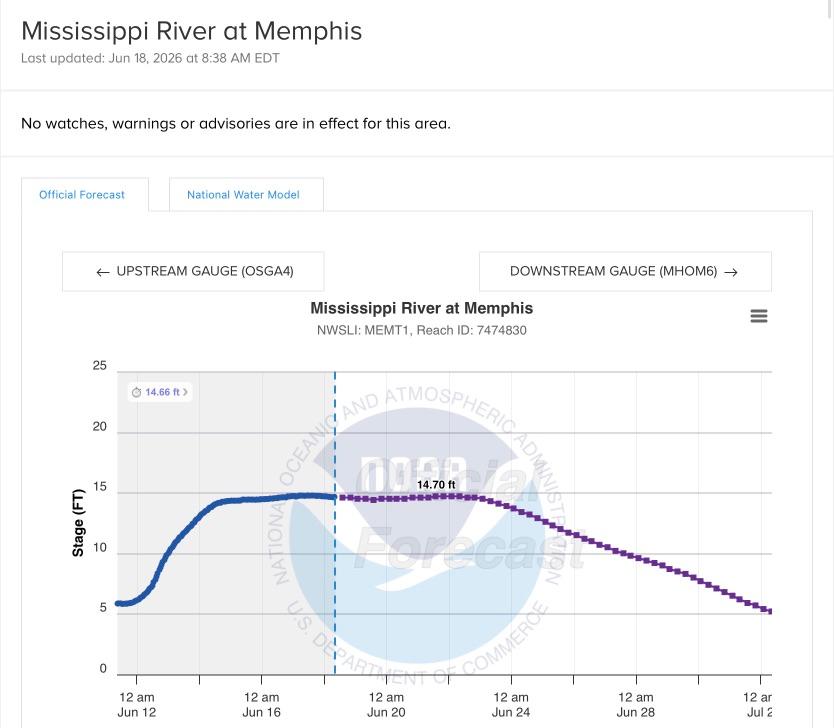
| | Arkansas and Mississippi River | |
Corn
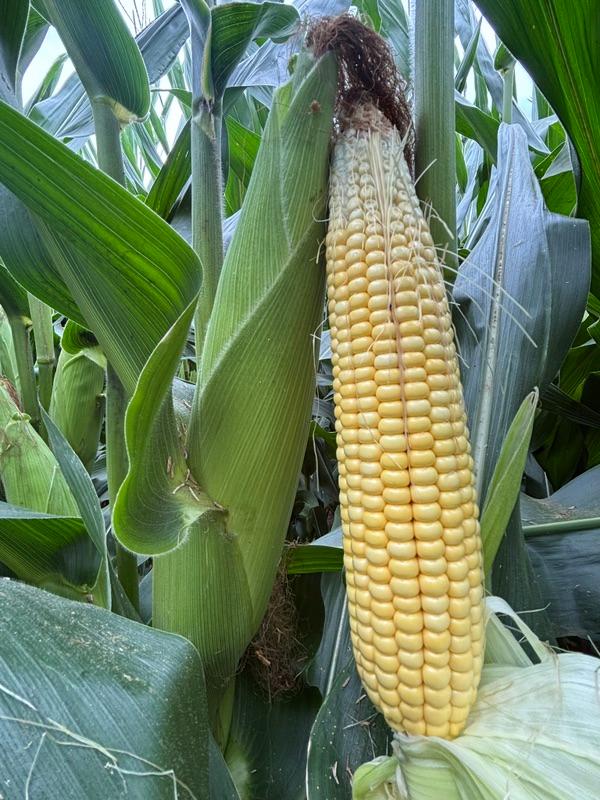
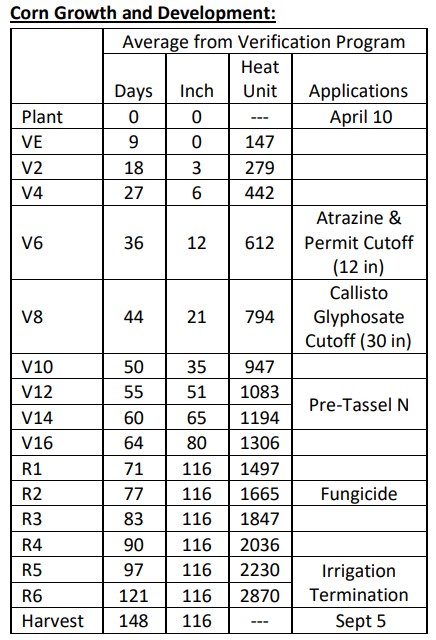
Corn continues to move on towards maturity. The big thing now is irrigation. I think we are behind a little bit in getting started on corn irrigation. When we have lots of rain and get behind it is easy to think those rains are carrying the corn, but at this point corn is drinking water the fastest it will all year long. We can't wait on anymore rains, it is time to start the pumps.
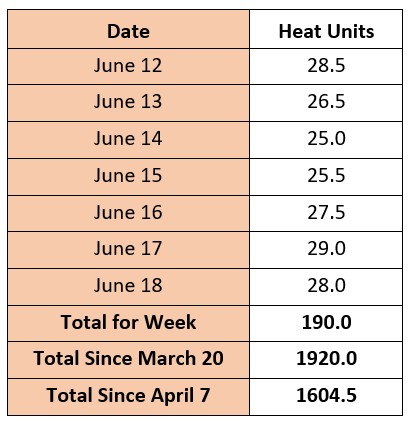
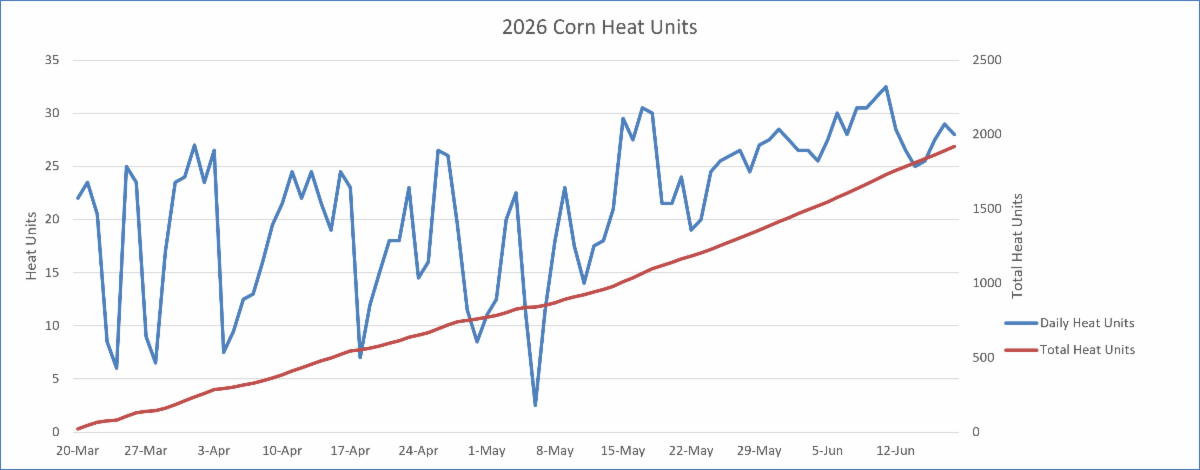
The night time lows moved our heat units down this week from the high of last week. We accumulated 190 heat units for this week. Heat units for corn planted on March 20 is at 1920 and for fields planted on April 7 there is 1604.5 heat units. Early planted fields are at R4 while late planted fields are at R1.
| | |
Rice
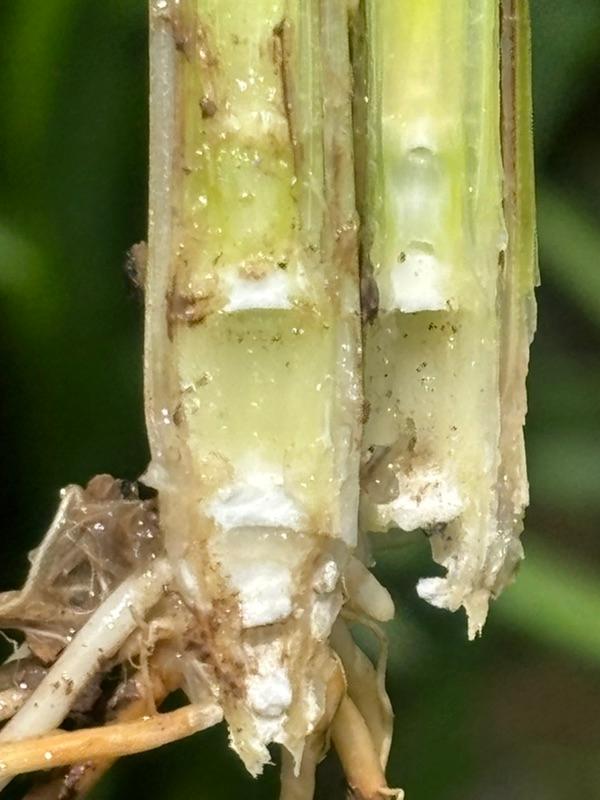
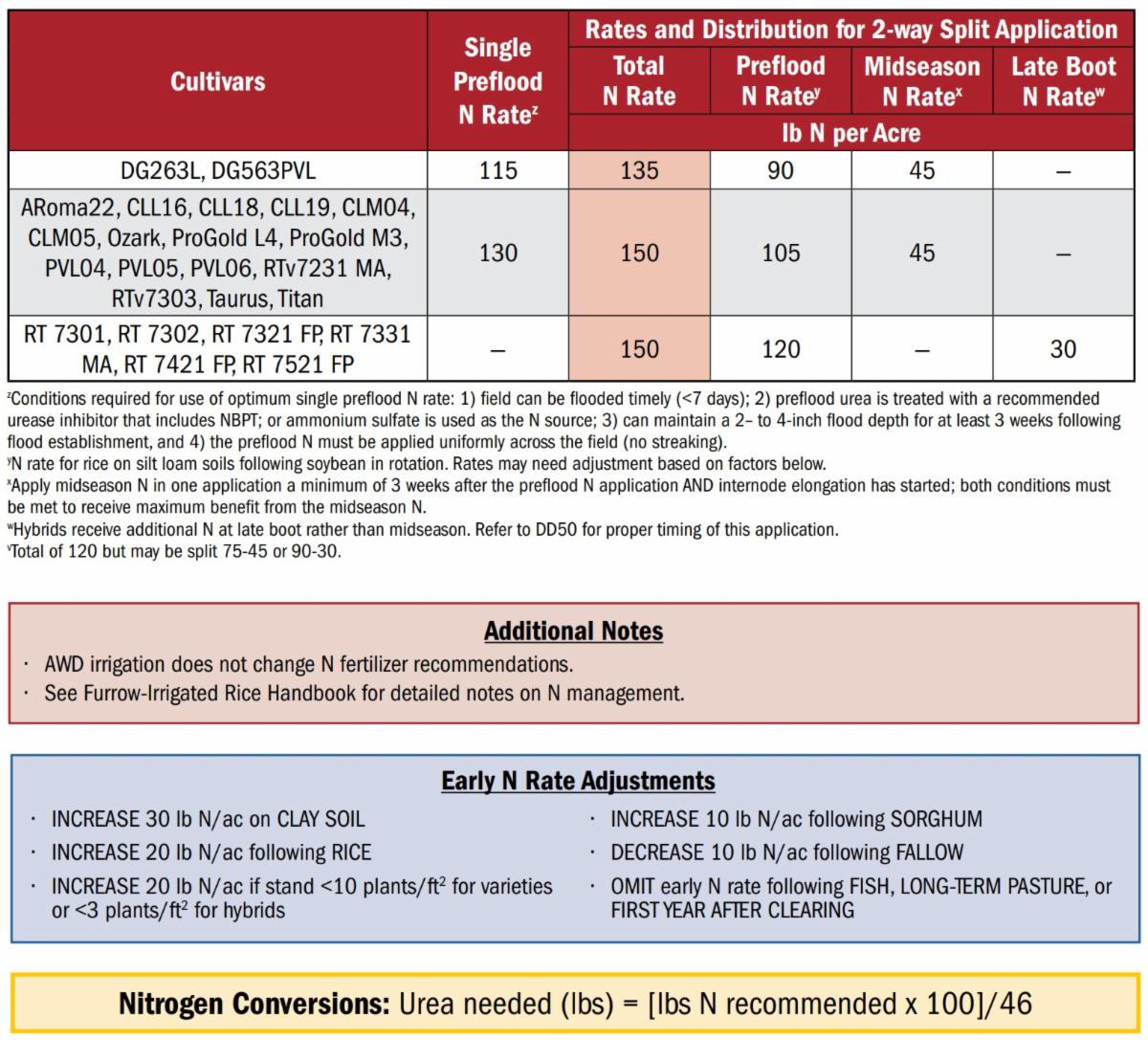
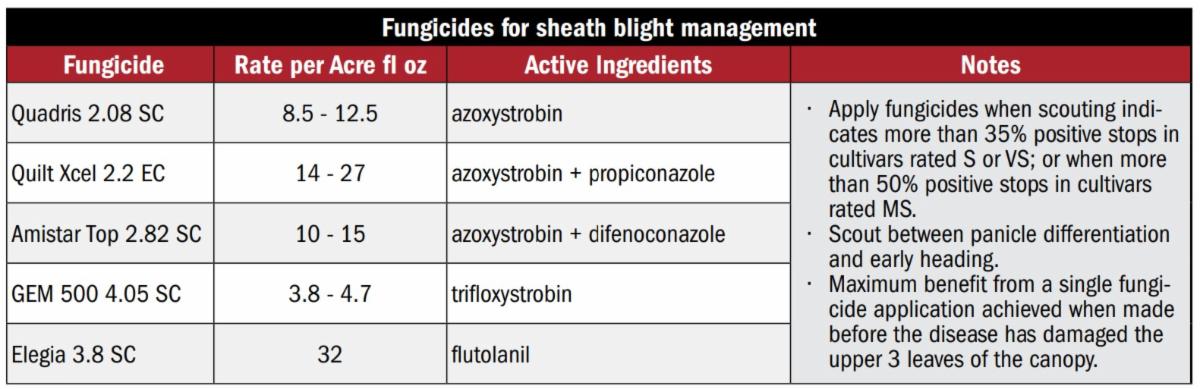
Rice got midseason applications of fertilizer this week, and a few of the late planted fields received their pre flood applications. DD50 reports are about 3 to 4 days behind the actual crop right now. It is time to start scouting for sheath blight.
| | Latest rice update from Dr. Jarrod Hardke and our 2026 Rice Management Guide. | | |
Soybeans
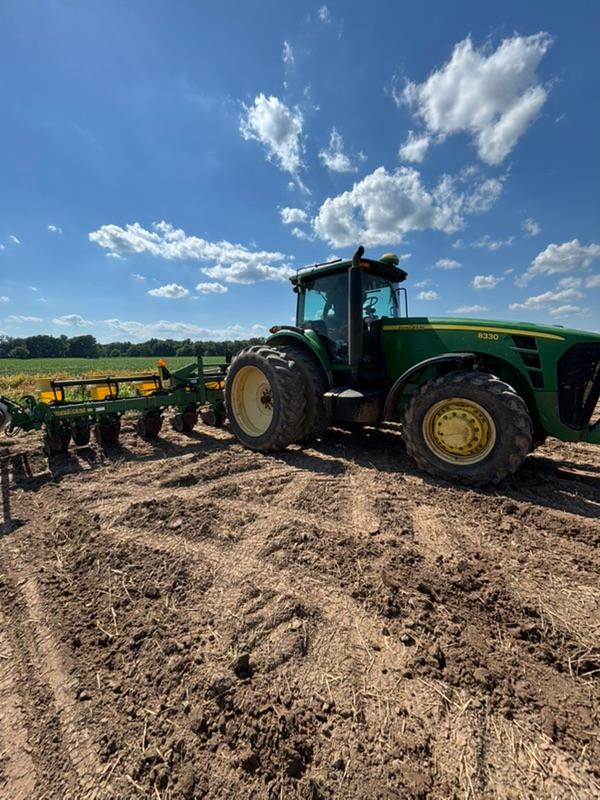
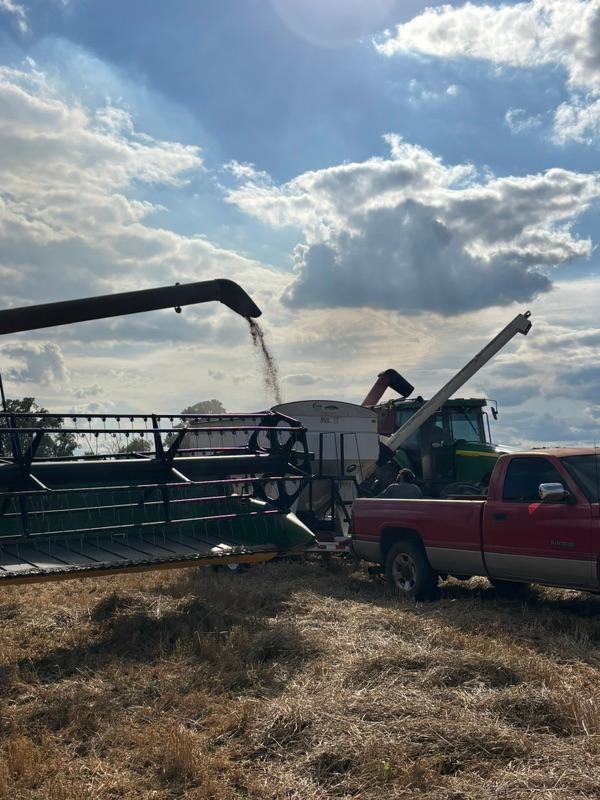
Soybean planting continued this week along with herbicide applications on earlier planted fields. We got our last soybean variety trial planted on Tuesday. We have 9 varieties planted behind wheat.
Soybean Variety Trial
- Stine 49EE21
- NK 43-K9E3S
- NK 44-Y6E3S
- Becks 4470ES
- NK 47-G5E3S
- XL 4870E3
- NK 50-W4E3S
- NK52-D6E3
- Revere 5429E3
Sweeping fields still aren't showing much insect activity.
| | |
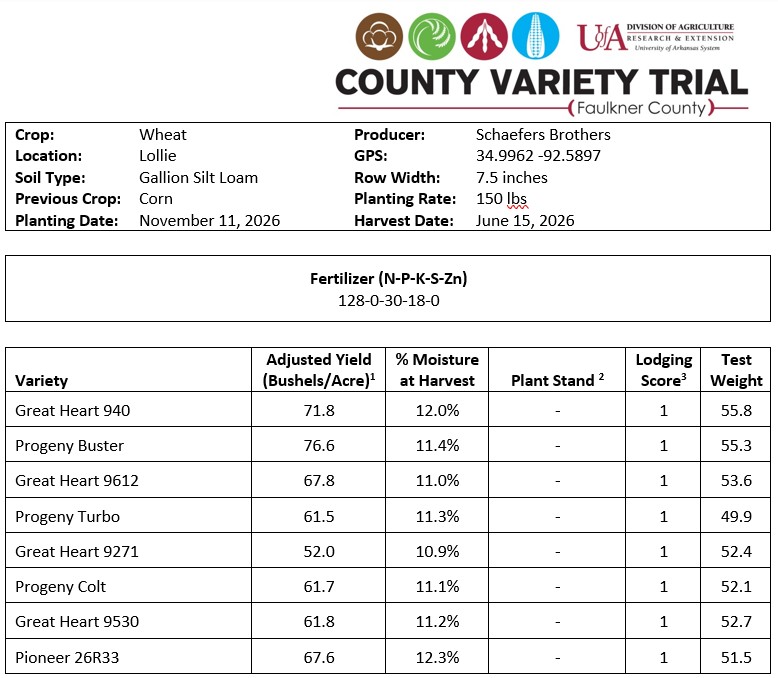
Wheat Variety Trial
The wheat variety trial was harvested on June 15. The results are listed below.
| | |
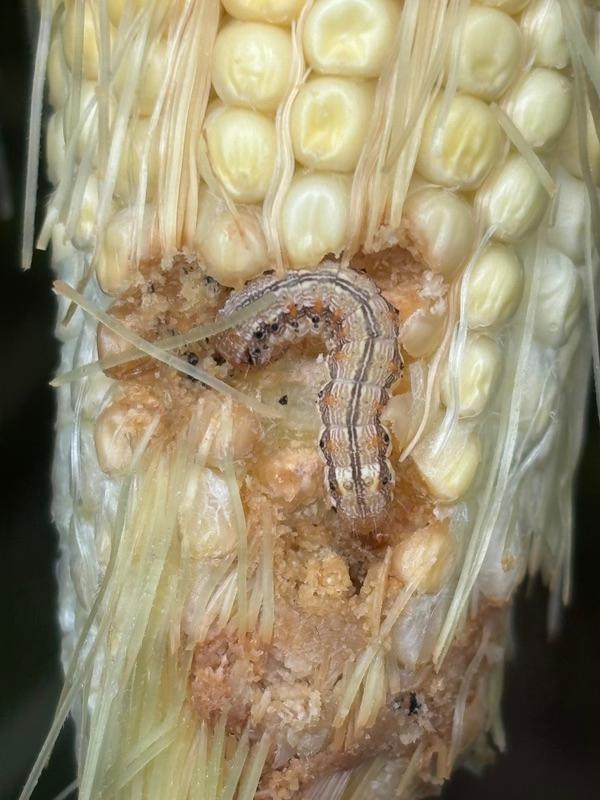
Corn Earworm Moth Traps
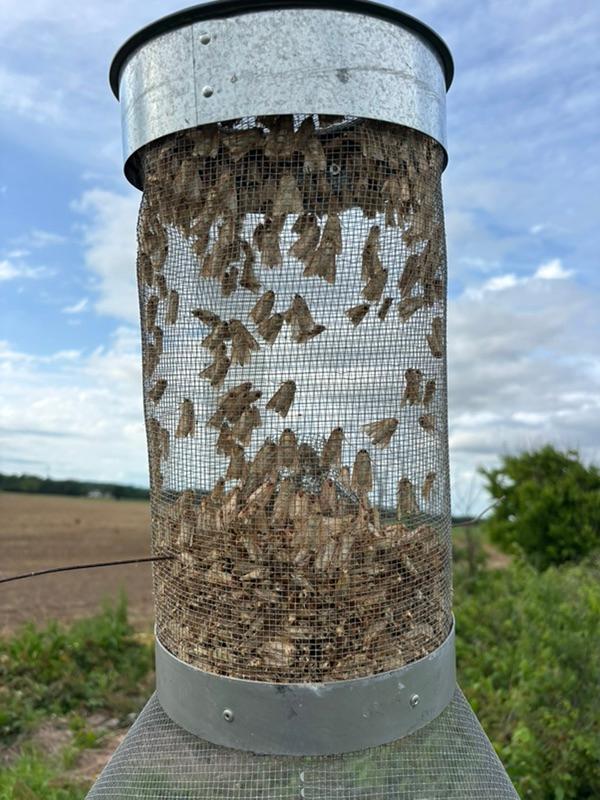
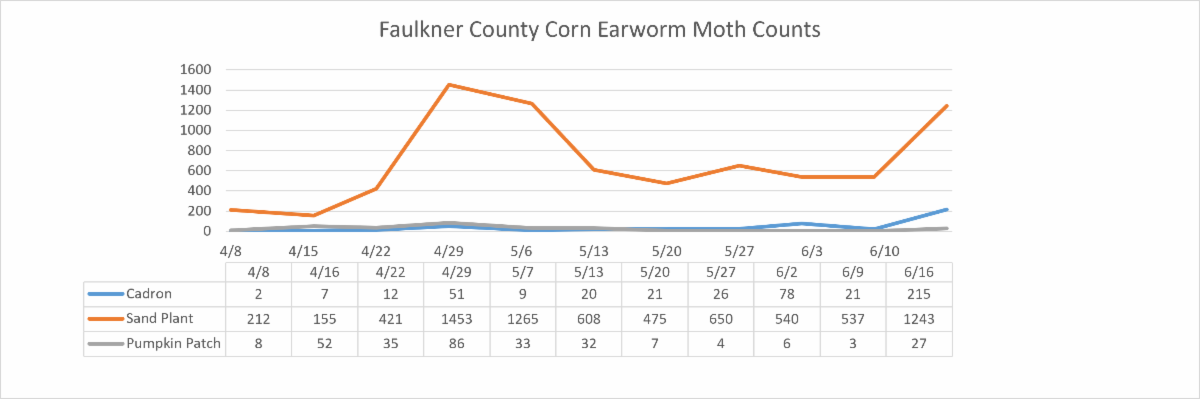
Corn Earworm Moth Counts for June 16, 2026
Cadron - 215
Sand Plant - 1243
Pumpkin Patch - 27
| | |
Moisture Sensors
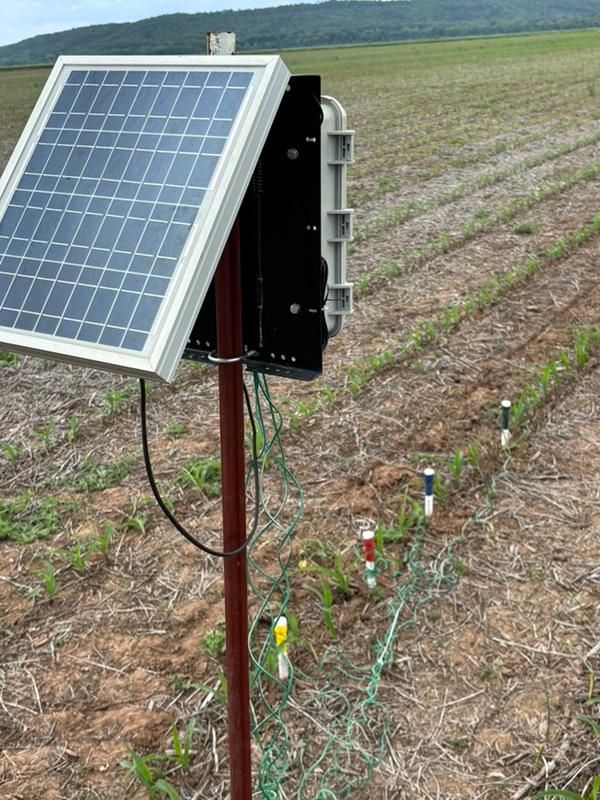
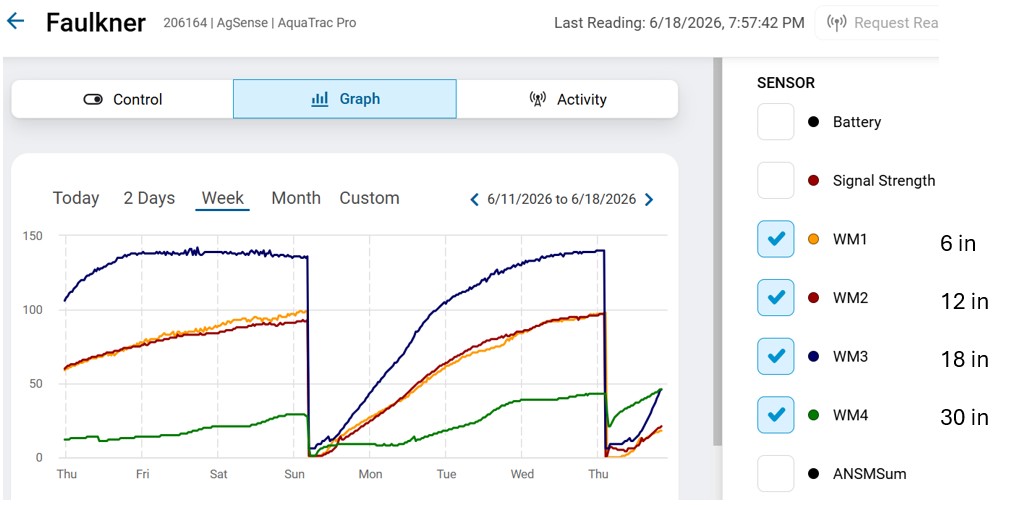
The corn moisture sensors alerted for an irrigation this week. The field is pulling from the 18 inch sensor and even from the 30 inch sensor. The pivot was started and crossed across the sensors early Thursday morning. This got us caught back up some, but you can see it is already moving up.
| | |
The long grain rice world market price for the 2025 crop approaches the USDA marketing loan rate for the fourth time since 2001
Dr. Hunter D. Biram, Assistant Professor and Extension Agricultural Economist, University of Arkansas
Nonrecourse marketing assistance loans (MAL) have been a policy tool provided by USDA to farmers since the New Deal-era Agricultural Adjustment Act of 1933 (i.e., the first farm bill). The loan is nonrecourse because the commodity serves as collateral for the loan obligation, allowing the producer to satisfy the debt through forfeiture of the crop when the world market price (WMP) falls below the marketing loan rate. If a farmer forfeits the crop to USDA, ownership of the collateral commodity is transferred to the government fully satisfying the loan obligation. As an alternative to forfeiture, a farmer may repay the loan at a lower repayment rate than that of the loan rate, and the farmer is still eligible for future USDA marketing assistance loans. This allows the farmer to retain ownership of the crop, repay the loan at the lower repayment rate, and market the crop commercially even when market prices fall below the original loan rate, thereby generating a marketing loan gain (MLG) rather than requiring forfeiture of the crop to USDA.
However, this created adverse production incentives when the market price was below the loan rate. In the years following World War II, advances in agricultural production technologies such as better seed genetics, herbicides, and equipment, resulted in increased agricultural productivity (Coppess et al., 2017). This increased productivity largely resulted in lower commodity prices. Lower commodity prices paired with incentives given by MLGs resulted in large inventories of commodities being owned by the federal government (Cochrane and Ryan, 1976). The policy response was an adjustment to the MAL program found in the Food Security Act of 1985 (i.e., the 1985 farm bill), which included provisions that allowed cotton and rice producers to receive payments when market prices fell below the loan rate rather than relying solely on commodity forfeiture. This payment is called a Loan Deficiency Payment (LDP) because market prices are insufficient relative to the marketing loan rate, creating a “deficiency” between the crop’s market value and the statutory support level.
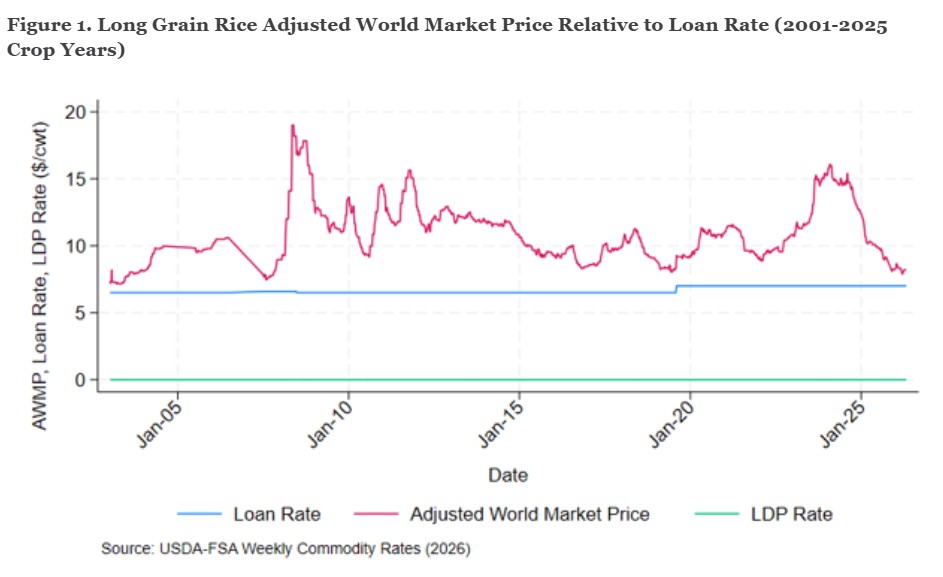
Over the last 25 years, the market price for long grain, medium grain, and short grain rice has never been below the marketing loan rate (USDA-FSA, 2026). This discussion will focus on long grain rice since it comprises 75% of all rice production in the United States (USDA-ERS, 2025). Since 2001, the long grain rice adjusted world market price has never been below the statutory1 loan rate for long grain rice which has not resulted in a LDP (see Figure 1). There have been three instances where the WMP approached the loan rate in 2001, 2007, and 2019. As of May 22, 2026, the WMP is the closest it has ever been to the loan rate which may result in the first LDP in 25 years. While this draws attention to marketing 2025 (i.e., old crop) rice and provides implications for the MAL program, this also highlights the severity of the current downturn in the rice farm economy.
1See Coppess et al. (2017) for a list of changes to the statutory loan rate over time.
| | Beef, Small Ruminants, & Forages | | |
How to build a better, more productive flock: A 5-year genetic improvement program for sheep producers
Sibtain Ahmad - Institute of Animal and Dairy Sciences, University of Agriculture, Faisalabad – Pakistan
Dan Quadros - University of Arkansas System Division of Agriculture
Building a better flock is not a matter of chance, but of choice. This article summarizes a path for genetic improvement, but the core principle remains constant: consistent, goal-oriented selection is the single most powerful force in genetic improvement.
The dividends, however, are paid for years to come in the form of reduced labor, lower input costs, higher productivity, and the deep satisfaction of seeing your careful planning manifest in a healthy, profitable, and resilient flock. Start where you are, use the resources around you, and take the next step. Your better flock awaits.
A 5-Year Genetic Plan for Your Flock
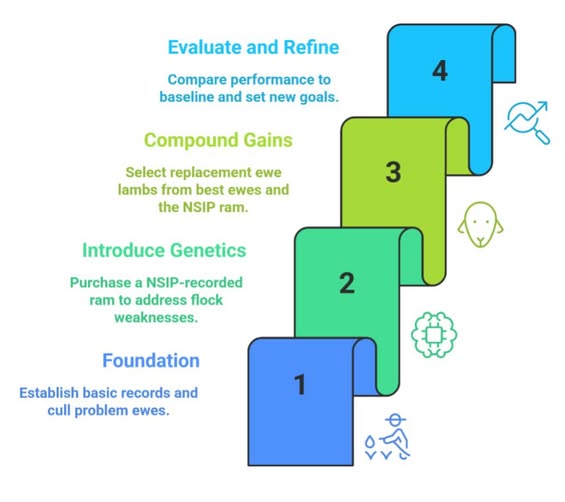
The most advanced tools are only effective with a clear, patient, and executable plan. Genetic improvement is a marathon, not a sprint. The following five-year roadmap is designed to help producers build momentum, see tangible results, and create lasting change without feeling overwhelmed, as shown in Figure 1.
| |
Year 1: The Foundation Year
- Action: Define Your "Better Flock." Hold a family or business meeting. Are your goals heavier weaning weights, fewer dewormer treatments, more twins, or all the above? Write down 2-3 primary goals.
- Action: Start Simple Records. Remember, you cannot improve what you do not measure. Begin with essential information: ewe ID, birth type (single/twin), weaning weight of her lamb(s), and any health treatments (especially FAMACHA© scores and dewormer use).
- Action: Cull the Obvious. Be ruthless with problem ewes. This includes open ewes, those with chronic mastitis, those with bad feet, or those that consistently require deworming while their flockmates do not. This immediately improves the average quality of your flock and reduces feed costs.
Year 2: Introduce Superior Genetics
-
Action: Invest in Your Genetic Engine—The Ram. Using your Year 1 records, identify your flock's biggest weakness (e.g., low weaning weights, parasite burden). Purchase a National Sheep Improvement Program (NSIP) ram (http://www.nsip.org) with strong, accented Estimated Breeding Values (EBVs) that specifically target that weakness and help you achieve your goals. This single decision introduces a powerful, proven genetic advantage across your entire lamb crop.
Year 3-4: Compound Your Gains
- Action: Select Your Future Flock. The lambs on the ground are now the result of your best ewes and your superior NSIP ram. It is when your genetic payoff. Rigorously select replacement ewe lambs from these matings, using your records. Choose twins from ewes with good udders, low parasite scores, and that weaned a heavy lamb. You are now stacking genetic advantage.
Year 5: Evaluate and Refine
- Action: Measure Your Progress. Compare your current flock performance to your Year 1 baseline. Analyze weaning weight averages, lambing percentage, and dewormer usage. The critical benchmark: Your homegrown, genetically selected ewes should be clearly outperforming the original ewes you started with. They should be more productive, more resilient, and more aligned with your goals.
- Action: Set New Goals. With a solid foundation, consider your next genetic step. Could you now use genomic testing to refine selection? Is it time to use AI to introduce an elite sire for a specific trait? Your five-year cycle begins anew, but from a much higher genetic plane.
Patience is Key: The Power of Incremental, Permanent Change
The most important tool in your genetic toolkit is patience. Genetic change is incremental; you are shifting the average of your entire flock by a few percentage points each year. Unlike management changes, which have an immediate but temporary effect, genetic improvement is permanent and cumulative. The superior genetics you introduce today will ripple through your flock for generations, building a legacy of productivity and sustainability for your farm. Stay the course—your "better flock" is being built, one careful selection at a time.
Conclusion and Local Resources
Technology is a powerful accelerator, but it cannot replace the producer’s clear vision and commitment to making deliberate decisions, generation after generation. The most sophisticated EBV is only valuable if you use it to select the rams that will move your flock toward your defined goals.
Every farm is unique. To tailor these principles to your specific operation, soil, pastures, facilities, equipment, and market. We strongly encourage you to contact your local County Extension Agent. They are your direct link to research-based information and can provide on-farm support to help you develop and execute your genetic plan.
You are not alone in this effort. The University of Arkansas System Division of Agriculture provides dedicated support through the Small Ruminant Extension Program, offering education opportunities and resources.
| |
|
Arkansas Shepherds Association
The Arkansas Shepherds Association is an organization for sheep owners or businesses that want to support the Arkansas sheep industry. They will have lots of information for sheep owners and an annual educational workshop.
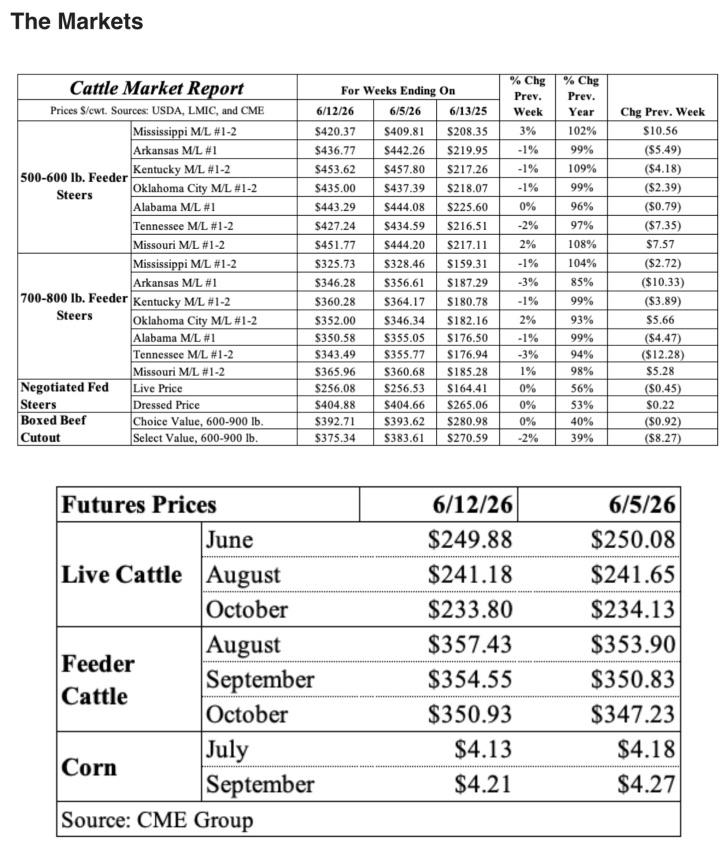
| | Here is this weeks Cattle Market Notes Weekly | | |
Pesticide Applicator Trainings
There will be no more in person Pesticide Applicator Trainings until this winter. If you need a license you can still do the training online. There is a link below for the online training and a link to check your license status.
| | |
Livestock Market Report
The following links are for the weekly livestock market report from the Arkansas Department of Agriculture website and the Livestock Auction Dashboard from USDA. Both sites have marketing data for all livestock sold at Arkansas Sale Barns.
| | |
2025 Faulkner County Agriculture Demonstration Summary
The 2025 Faulkner County Agriculture Demonstration Summary is now available at the link below.
The 2025 Faulkner County Demonstration Summary is a collection of on-site demonstration results conducted in Faulkner County by local County Agents. Demonstrations are the cornerstone of the University of Arkansas System Division of Agriculture Cooperative Extension Service’s mission which is:
“We strengthen agriculture, communities, and families by connecting trusted research to the adoption of best practices.”
On-site demonstrations allow producers and homeowners to see firsthand how Extension recommended varieties and best management practices work in their counties and surrounding area.
| | |
Sign up for Text Alerts
You can now sign up for text alerts from me throughout the year. I have two areas you can sign up for which includes Faulkner Livestock or Faulkner Ag (Row Crop Updates). To sign up you can follow one of these links or use the QR Codes below.
| | Pursuant to 7 CFR § 15.3, the University of Arkansas System Division of Agriculture offers all its Extension and Research programs and services (including employment) without regard to race, color, sex, national origin, religion, age, disability, marital or veteran status, genetic information, sexual preference, pregnancy or any other legally protected status, and is an equal opportunity institution. | | | | |