|
Dear colleagues,
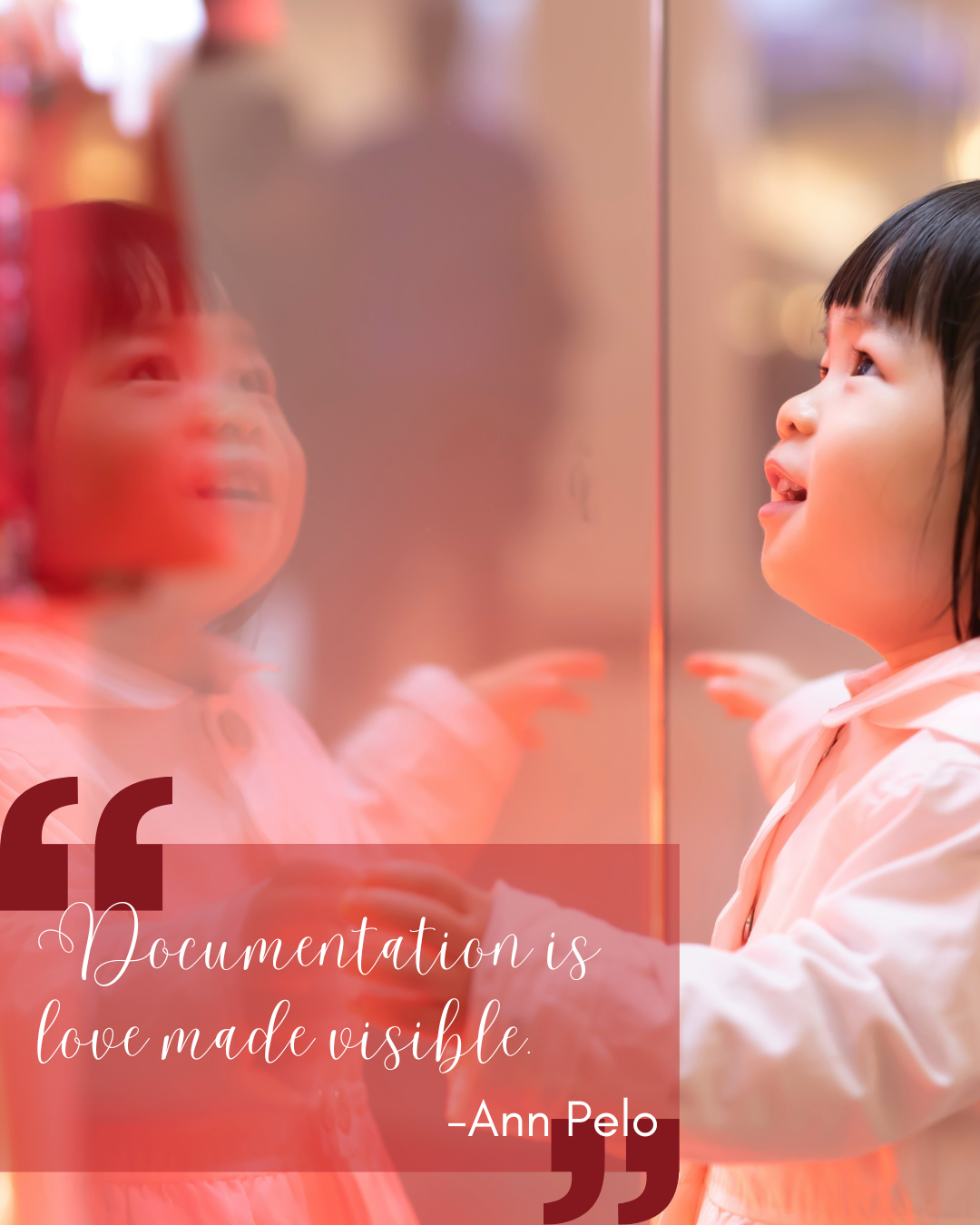
Last month, I wrote about the heart at the centre of our work. I keep coming back to that truth as I reflect on documentation. Because when you think about it, documentation can be a kind of love letter — to the children whose ideas we capture, to the colleagues we reflect alongside, even to ourselves as we witness growth over time.
When we pause long enough to write, draw, or photograph, we’re saying: “I see you. I hear you. What you bring to this moment matters.” That act of slowing down and paying attention is a form of care. It’s a way of deepening connection.
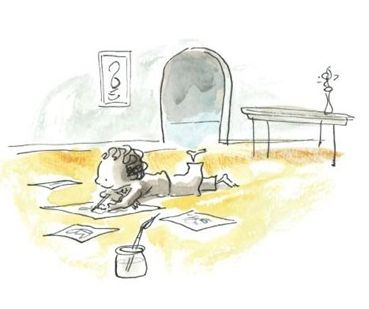
Not everything we create is exactly what we intend, especially when we’re trying something new. Sometimes things are just “ish,” and that’s okay. That’s the wisdom in Peter Reynolds’ Ish. Whether it’s a sketch, a photograph, a quick note, or even a moment of reflection, the beauty of documentation is often in the ish — the glimpses, the questions, the imperfect records that help us see children, their ideas, and ourselves in new ways.
Just as we cheer on children as they take risks, try new things, and stretch themselves, may we offer ourselves the same encouragement. Every attempt, every observation, every imperfect note is part of the process. Every act of showing up with curiosity and care matters. We are learning, experimenting, and growing alongside the children and families we serve — and that effort is something to celebrate.
We’ll have the chance to explore these ideas together at the Pedagogy of Care conference (October 17–18, Bayview Wildwood Resort). On Saturday, we’ll lean into how care and documentation meet — how our observations and reflections, however ish, deepen connection, nurture belonging, and celebrate curiosity.
Until then, may your notes, photos, and reflections remind you that it’s the process — not perfection — that carries meaning. For all of us, the beauty is in the ish, and showing up, exploring, and caring is enough.
With warmth,
Vanessa Fraser, Pedagogical Lead
| |
|
📖 Psst... Want Free Books? Win a $60 Bundle from Cedar Canoe Books!
We're on a mission to make this newsletter work for you—and we need your help! What's landing? What's sparking new ideas? What are you still hungry for?
Share 20-60 words of honest feedback (the good, the "meh," and the "here's what I really need"), and you'll be entered to win a personalized book bundle worth $60 from Cedar Canoe Books. Choose a book you love plus a few of this month's featured titles for your learning space.
Real talk: We want to know what's helpful, what's missing, and how this content is (or isn't) showing up in your practice. Your voice shapes what comes next!
Drop your thoughts here: vanessa.fraser@muksoka.on.ca by November 2nd for your chance to win!
| | | | 💡💡Documentation as Thinking with Children | | |
❤️Pedagogical documentation isn't about capturing what children know—it's about revealing how they think, what they wonder, and the theories they're building about the world. We're not evaluating or assessing, we are learning alongside children, making their ideas visible, and inviting others into the story.
Documentation is always collective. It involves multiple perspectives—children's, families', colleagues', and our own. It's how we show children: I'm thinking with you. Your ideas matter.
Here are some ways to take up documentation as relational, generative work:
1. Notice what draws you in
- Pay attention to moments that surprise you, create tension, or spark your curiosity—not just the "successful" or "cute" moments.
-
Ask yourself: What's happening here that I don't fully understand yet?
- Example: Three toddlers keep returning to the same puddle over several days. What are they investigating? What theories might they be testing about water, gravity, or persistence?
2. Collect traces, not just evidence
- Use photos, sketches, children's words, materials they've created, or quick jottings—whatever captures the moment authentically.
- Remember: these traces aren't meant to stand alone. They're starting points for dialogue and interpretation.
- Example: A photo of a child's block structure that keeps falling. Rather than seeing "failure," what if this trace invites us to wonder about balance, risk-taking, or resilience?
3. Make learning visible—to children first
- Revisit documentation with the children themselves. What do they notice? What do they remember? What might they try next?
- This isn't about praising the product—it's about honouring their process and extending their thinking.
-
Example: "I noticed you kept adding more water to the sand yesterday. What were you trying to make happen?" Then document that conversation too.
4. Invite dialogue, not consensus
- Share your traces with colleagues, families, or the children. Ask: "What do you see here? What might this tell us?"
- Different perspectives enrich our understanding—we're not looking for the "right" interpretation.
- Example: Post a documentation panel near the door with an invitation: "We've been noticing children's fascination with shadows. What do you notice? What questions does this spark for you?"
5. Let documentation shape what comes next
- Use what you're learning through documentation to make pedagogical choices: What materials might extend this inquiry? What questions could you pose? How might the environment support deeper exploration?
- This is emergent curriculum—documentation and planning become inseparable.
6. Remember: Ish is enough
- Your documentation doesn't need to be polished, complete, or certain. The blurry photo, the half-finished thought, the question you can't answer—these are all valuable.
-
Documentation is a practice of slowing down and paying attention. Every "ish" attempt is an act of care that says: You matter. Your thinking matters. I'm here, learning with you.
| | |
|
🌈Reflection Prompt:
As you engage in documentation this month, pause and ask yourself: What does this trace reveal about what I hold dear? What does it say about what I believe children are capable of? How does my choice to notice and preserve this moment reflect the heart of my practice?
| | | | | | |
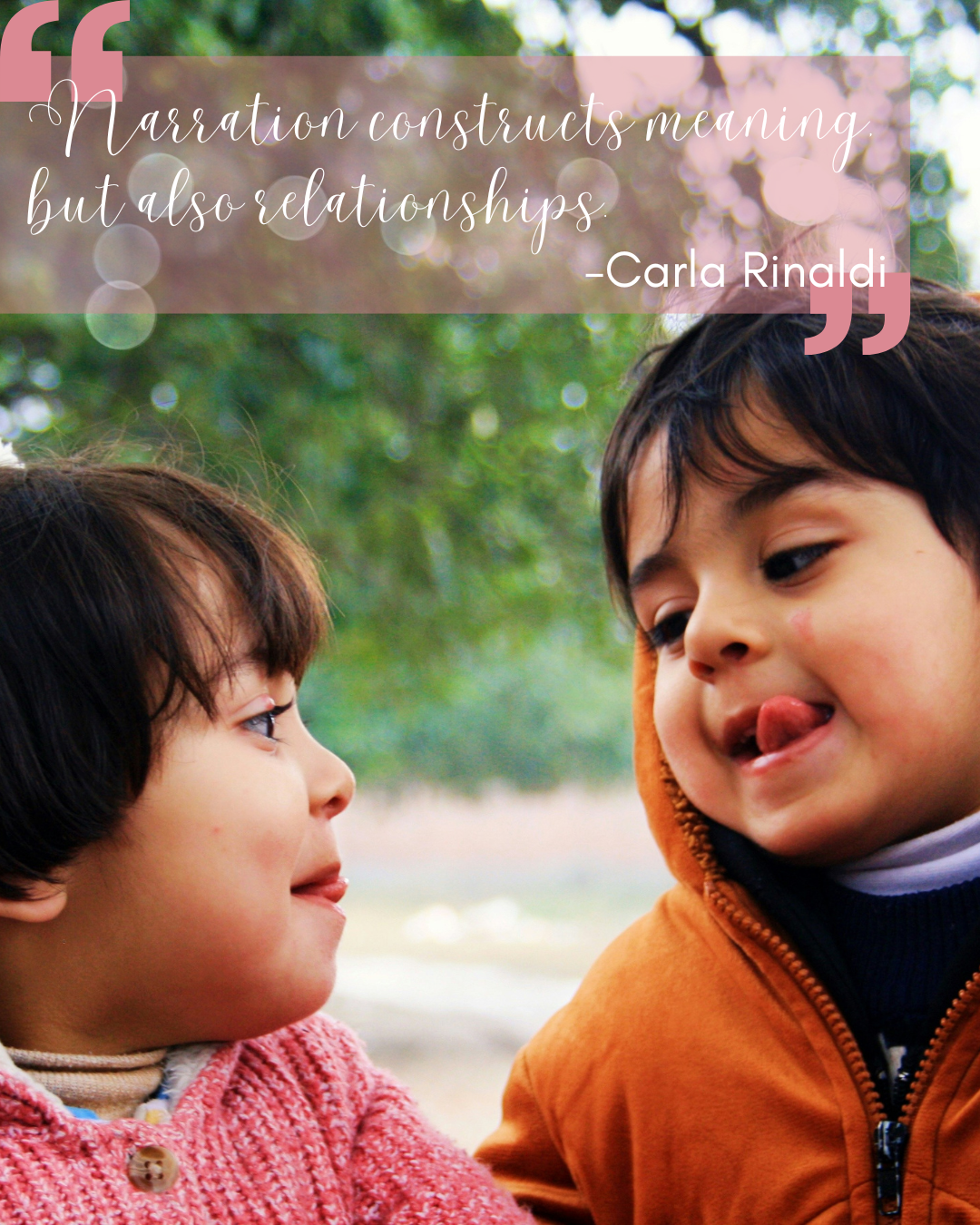
Documentation is an act of love—it makes visible not just children's learning,
but our own commitments,
our care,
and the values we bring to our work with children and families.
| | 📺Video: Curriculum, pedagogy & pedagogical documentation | | |
While this video is centered out of British Columbia, BC and Ontario's early learning frameworks share essential values—honouring competent children, knowledgeable families, and the power of relationships. Though the language differs, both invite us into responsive, collaborative practice.
As BC pedagogist Adrienne Argent explains in this video, documentation is fundamentally relational work. It's how we show children we care about their ideas and are thinking alongside them. Rather than evaluating children against expectations, documentation becomes a way of learning together—building stories that reveal the rich, complex life unfolding in our programs. This collective process, rooted in listening and dialogue, makes our pedagogical values visible and opens new possibilities for understanding children and our work.
| | 💚Hearts at Work: Inspiration from our ECE Colleagues | | |
| |
Story time = Story-Making Time
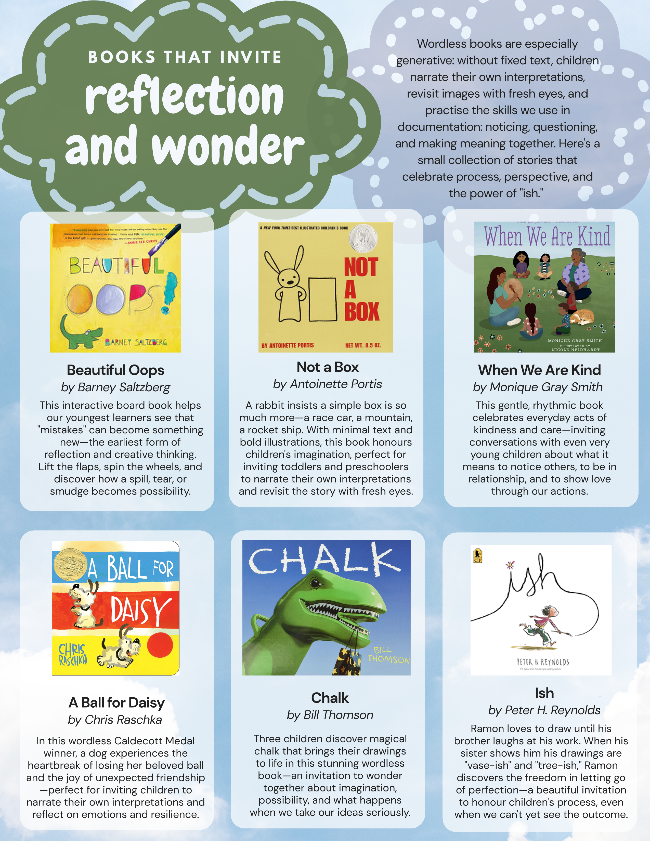
Books invite children to reflect, wonder, and see themselves as meaning-makers. Wordless books are especially generative: without fixed text, children narrate their own interpretations, revisit images with fresh eyes, and practice the skills we use in documentation—noticing, questioning, and making meaning together.
| |
|
Books that invite reflection and Wonder
Here's a small collection for our youngest learners: tactile, interactive books and wordless stories that celebrate process, perspective, and the power of "ish."
Find a printable version here!
| | | | | 🎧 Tune in and Learn on the Go! | | Prefer listening over reading? Here are a few podcast episodes that dive into into attachment, co-regulation, and social-emotional development in early childhood: | |
-
The Everything ECE Podcast: Pedagogical Documentation (12 minutes)
Apple Podcasts , Spotify, Pocketcasts
-
The Play Based Learning Podcast: Embracing Pedagogical Documentation in Child Development with Ana Valle Rivera (27 minutes)
Apple Podcasts, Spotify, YouTube, Pocketcasts
-
Can We Talk? Conversations In the Early Years: A Conversation with Susan Stacey on the Process of Pedagogical Documentation (33 minutes)
Spotify
-
The Everything ECE Podcast: Harnessing the Power of Documentation with Ron Grady (38 minutes)
Apple Podcasts, Spotify, Pocketcasts
| | Opportunities from our wider community to connect, learn, and be inspired. Most webinars can be watched ‘on demand’ at any time after the live webinar, as long as you’re registered! | | ✨The Muskoka Learning Series!✨ | |
|
Attachment, Regulation, and Responding to Challenging Behaviours
Join us for a practical and engaging two-part series exploring attachment, regulation skills, and responsive strategies for supporting children through challenging behaviours.
Each part is one hour, offered twice per evening (5:30–6:30 or 7:00–8:00). Come for conversation, strategies you can use right away, and a few treats too.
📍Locations & Dates
Gravenhurst:
- Part One: Thurs, Oct 23
- Part Two: Thurs, Nov 13
Bracebridge:
- Part One: Tues, Nov 4
- Part Two: Tues, Nov 18
Huntsville:
- Part One: Thurs, Nov 6
- Part Two: Thurs, Nov 20
🔎How it works:
- Attend both parts to receive a certificate.
- Mix-and-match times or communities if that helps your schedule.
- Register for the time slot that works best for you (5:30 or 7:00).
| | | |
|
We’re counting down the days until our 5th Pedagogy of Care Conference at the beautiful Bayview Wildwood Resort!
In just a few short days, we’ll be gathering together to learn, connect, and reflect in community with an amazing roster of speakers.
We can’t wait to see you there and share in the inspiration this special space always brings.
| | | |
Stay Informed on What's Happening in Muskoka with Between Two Pines!
Changes to garbage and recycling, opportunities for small businesses, affordable housing developments, road improvements—we've got you covered! Stay informed with our monthly e-newsletter, Between Two Pines.
| |
| Please note that the information contained in this newsletter is intended to encourage conversation and self-reflection and is not to be considered as advice. | |
| Did you enjoy this newsletter? | | | | | | |