Peter Gray Parr Project followers, thank you once again for keeping up with the work of the Downeast Salmon Federation's conservation salmon hatcheries. Our innovative approach to salmon recovery combines the best available science with a serious passion for wild fish and fisheries. None of our work would be possible without the generous support of our members and supporters.
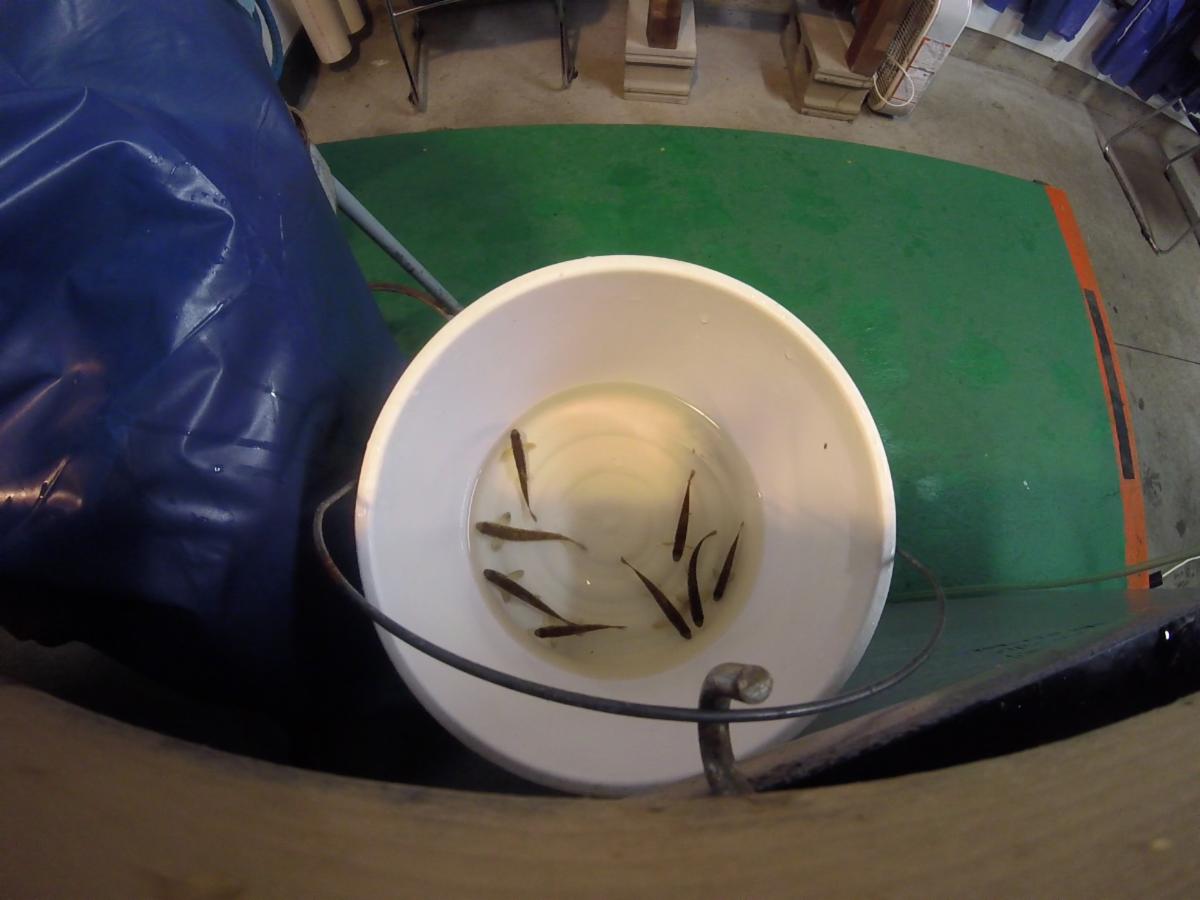
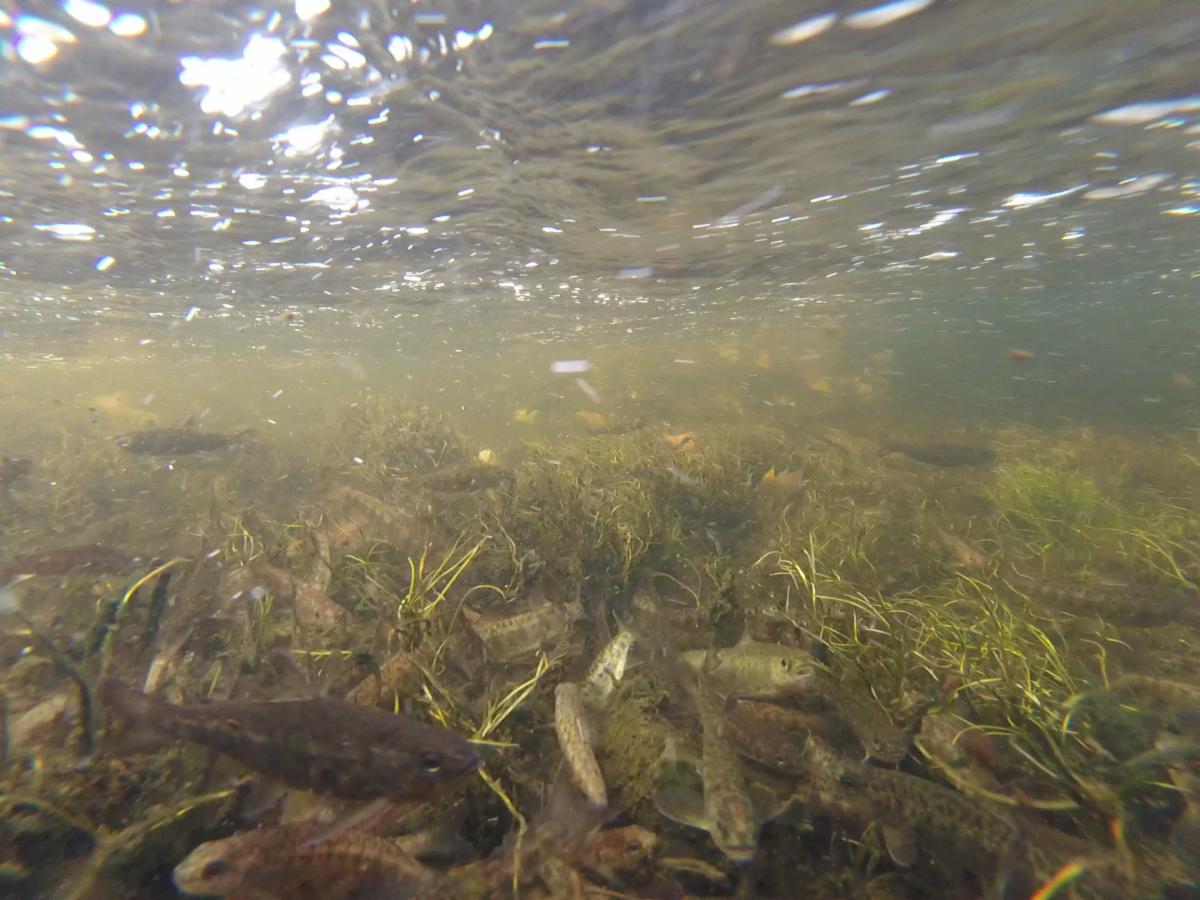
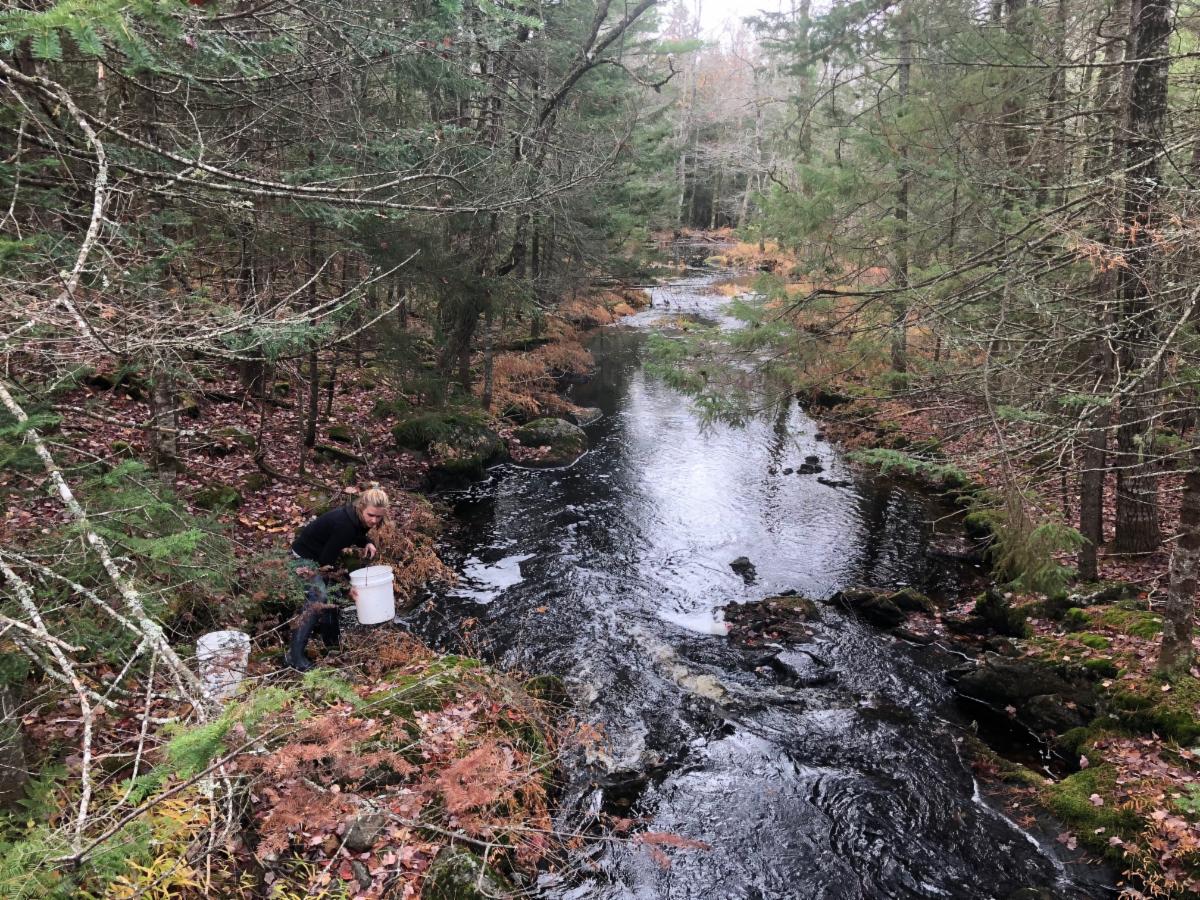
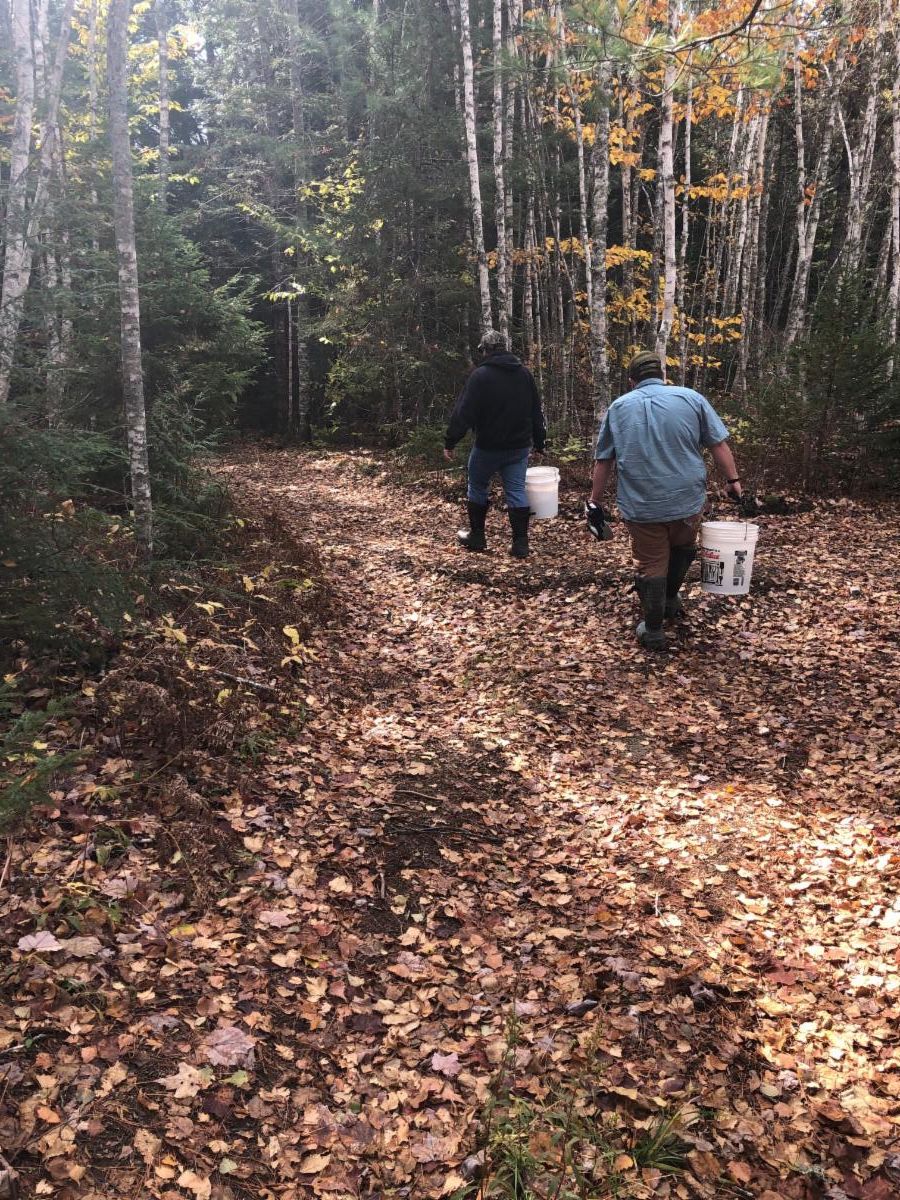
Backpack electrofishing is a technique to gather future broodstock from the Downeast Maine Rivers (including the East Machias) along with some population densities (numbers of little salmon per area of habitat) and health of juvenile salmon. Even with pandemic times, Peter Gray Parr Project biologists assisted our partners Maine Department of Marine Resources Bureau of Sea Run Fisheries and Habitat biologists from the Jonesboro office and US Fish and Wildlife Services biologists from the Craig Brook National Fish Hatchery collecting broodstock throughout the Downeast SHRU (Salmon Habitat Restoration Unit). Despite the drought conditions endured this spring, summer, and fall, through teamwork we were able to complete this vital task. Although we weren't able to fish some of the sites we typically would like to in the East Machias River (due to water conditions), the sites we did electrofish had decent densities of Atlantic salmon parr thanks to the stocking efforts of the Peter Gray Hatchery.
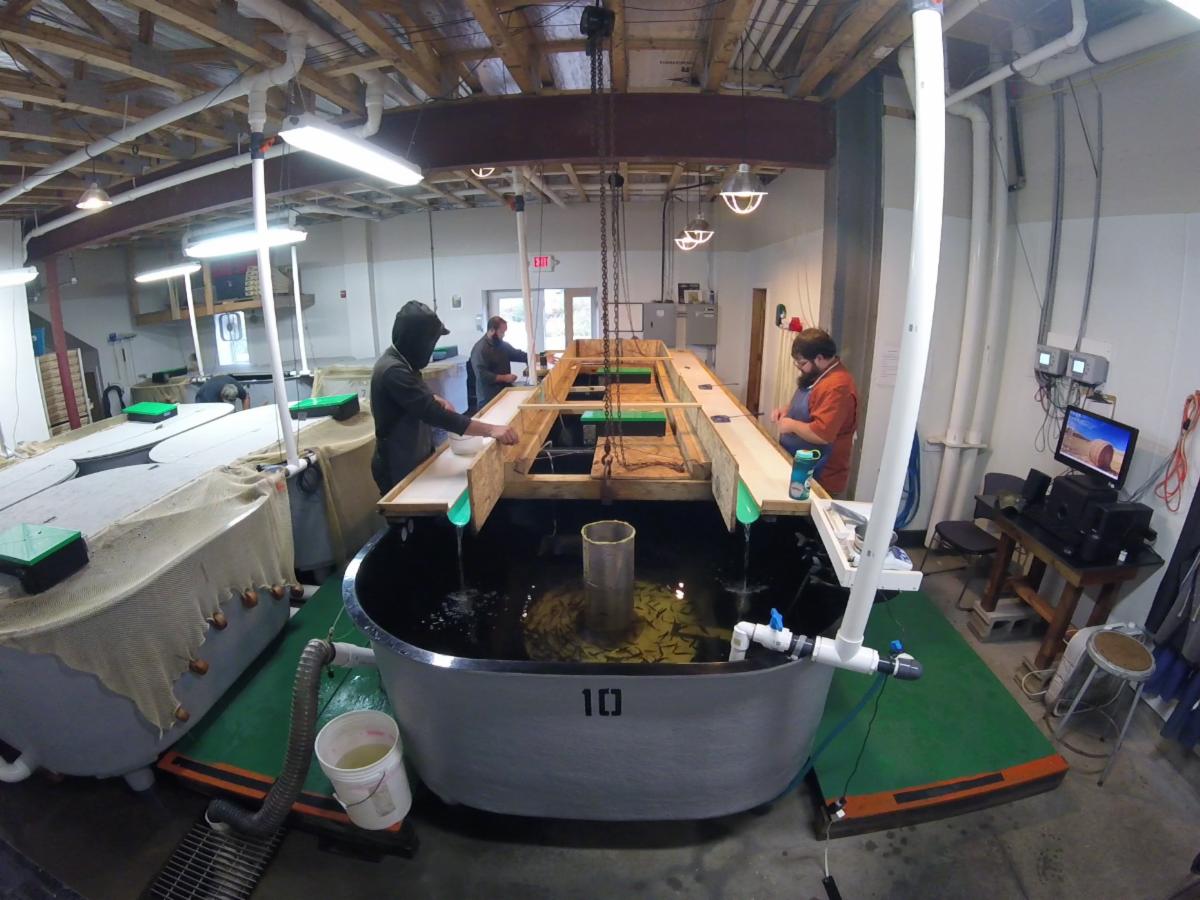
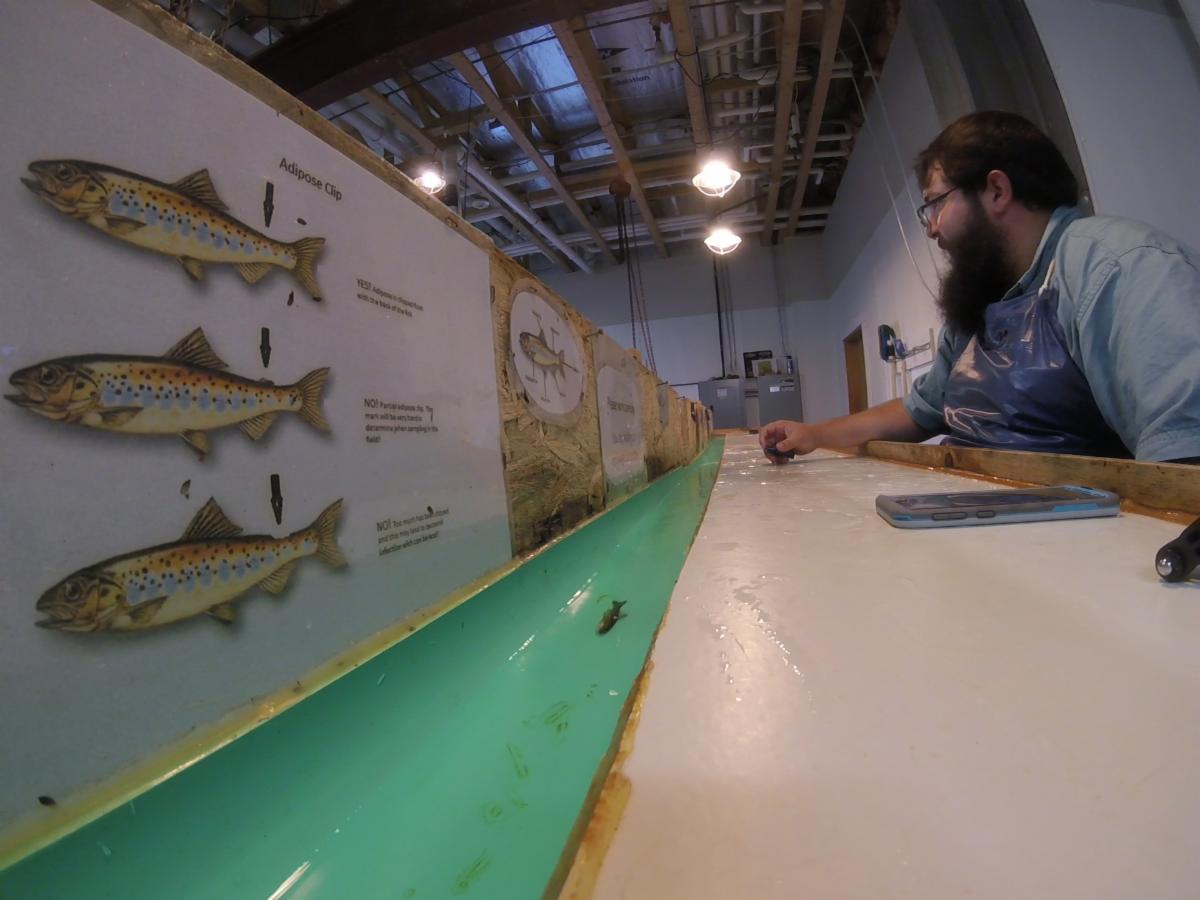
Each year before stocking, each Peter Gray parr has their adipose fin clipped off. This distinguishes those individuals from naturally reared parr during later in-river population assessments. Marking the fish being stocked from the Peter Gray Hatchery is what allows biologists to provide the data that shows the successes of the Peter Gray Parr Project. Thanks to a cold snap of weather late in September and early October this task was completed by PGPP biologists and volunteers. Thank you to all that helped.
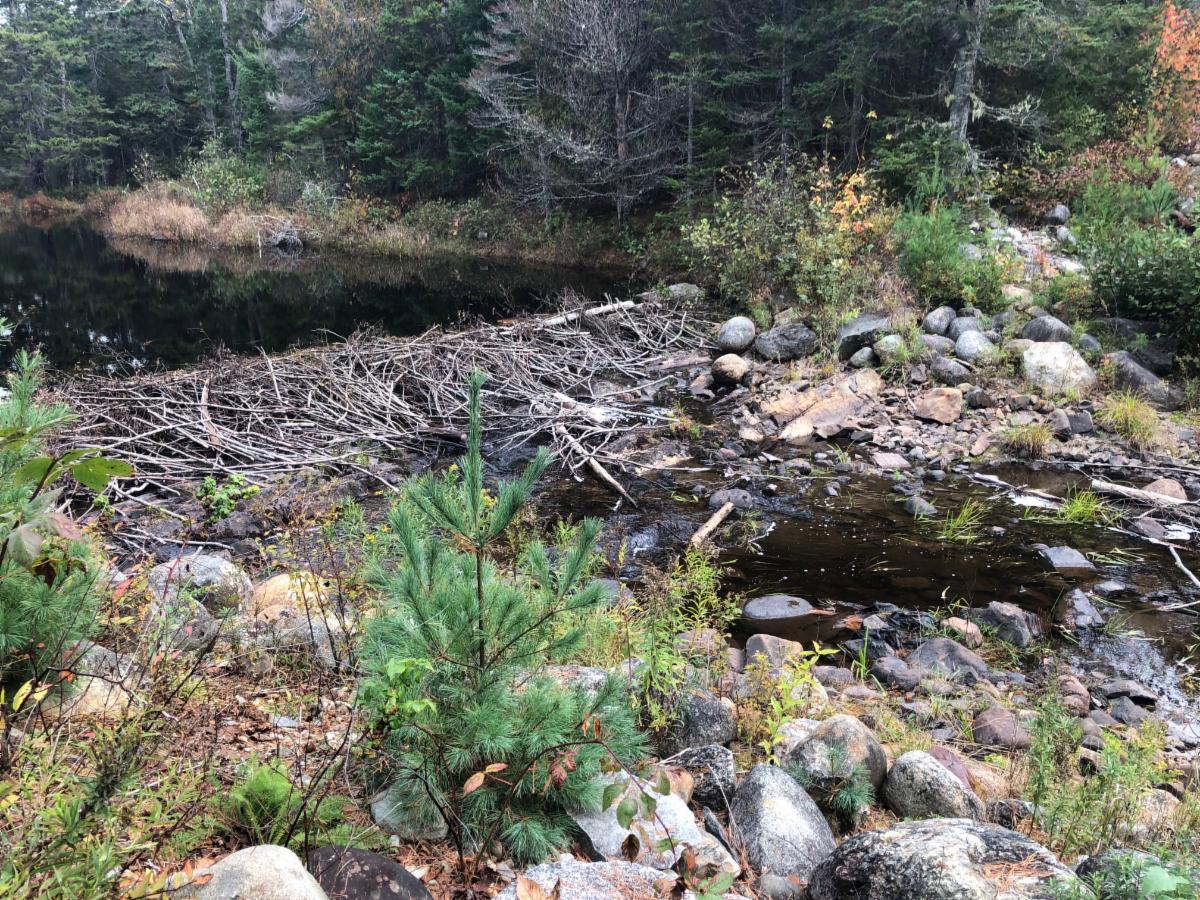
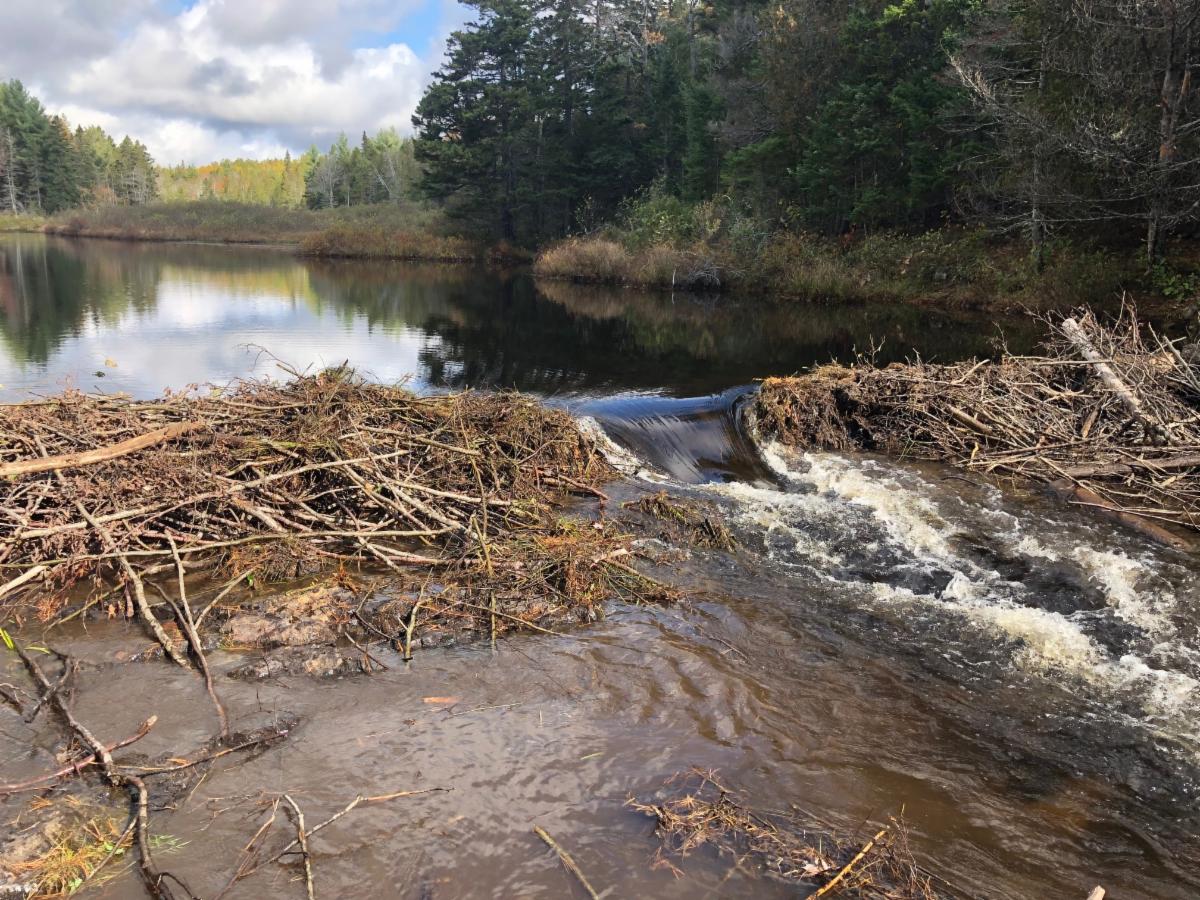
Giving the low water conditions this year and the section of time between fin clipping and waiting on the rain to be able to stock the parr, PGPP staff took some time to ensure the adult salmon in the river had the opportunities to access spawning habitats. This is accomplished through breaching beaver dams that block those areas. Beavers are an amazingly hardworking animal and quite the little watershed engineers. We at DSF are supportive of having this native animal that coevolved with Atlantic salmon present in the watershed, we just like to give a little help during a short span of the year to the salmon making their way upriver to spawn. Speaking of coevolved species, breaching (making a hole a few feet wide in the beaver dam) these dams, especially in low water years, helps the thousands of juvenile river herring make their way downstream towards the ocean. Restoring salmon will take a healthy watershed and these river herring are an important part of that ecosystem!
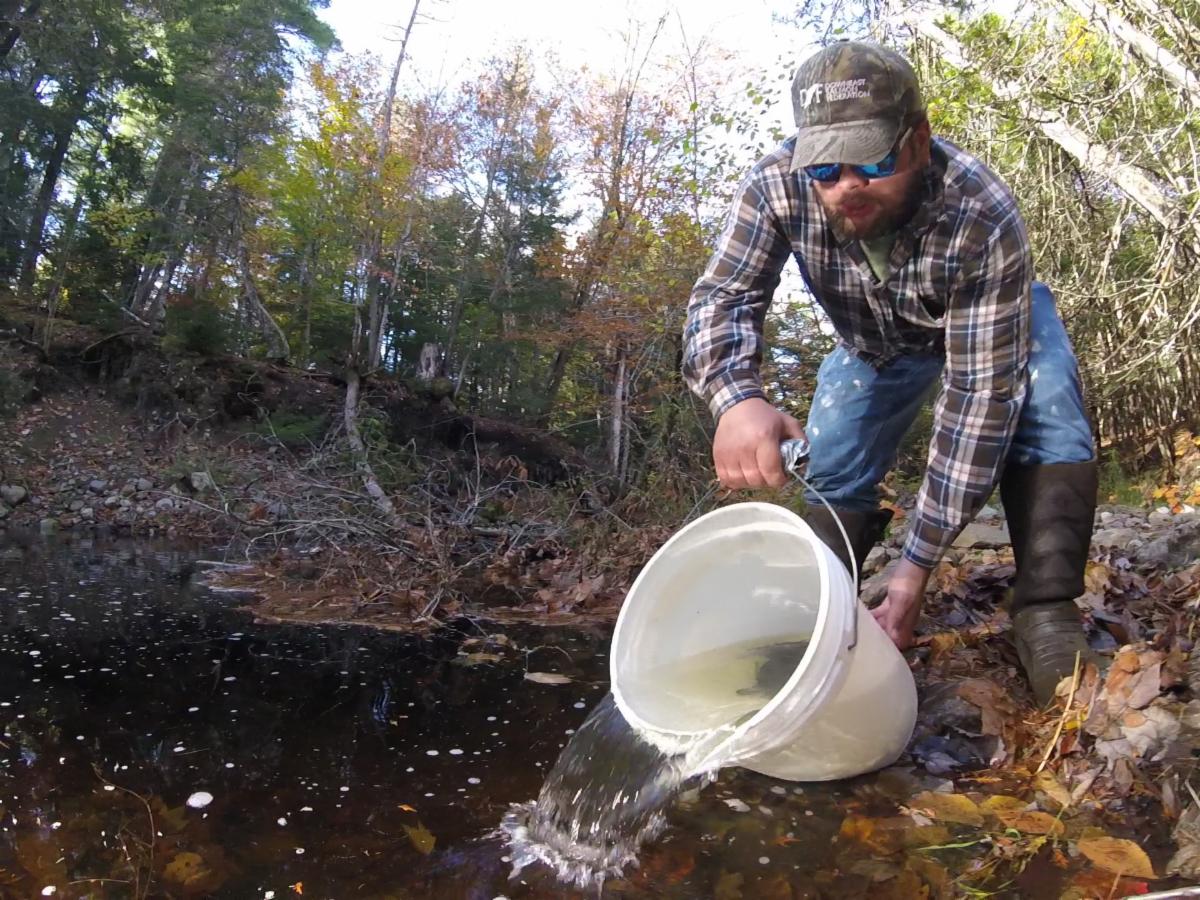
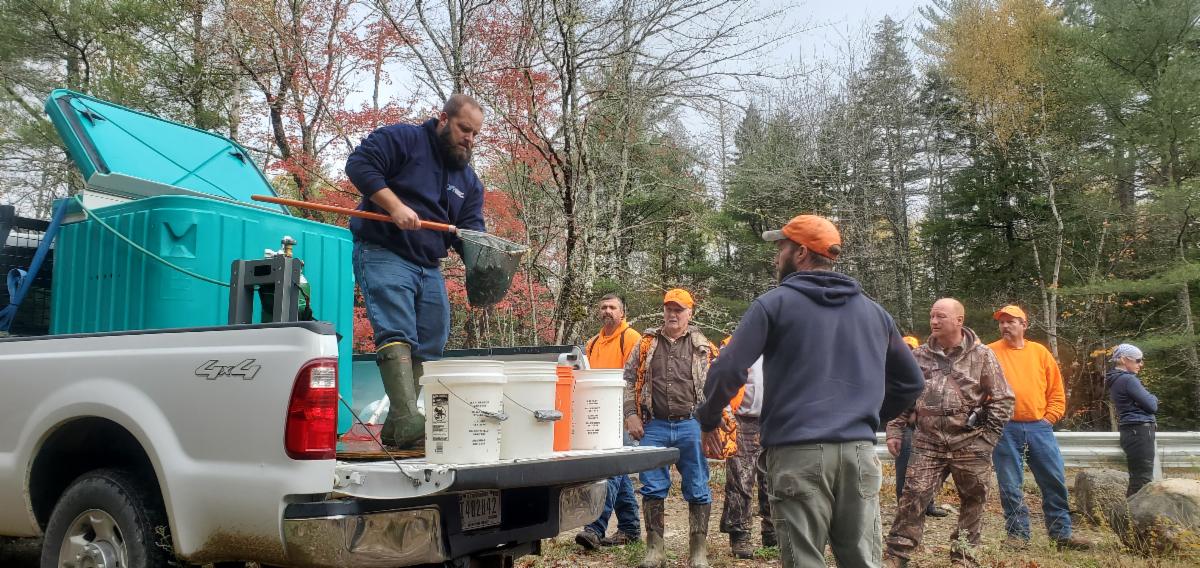
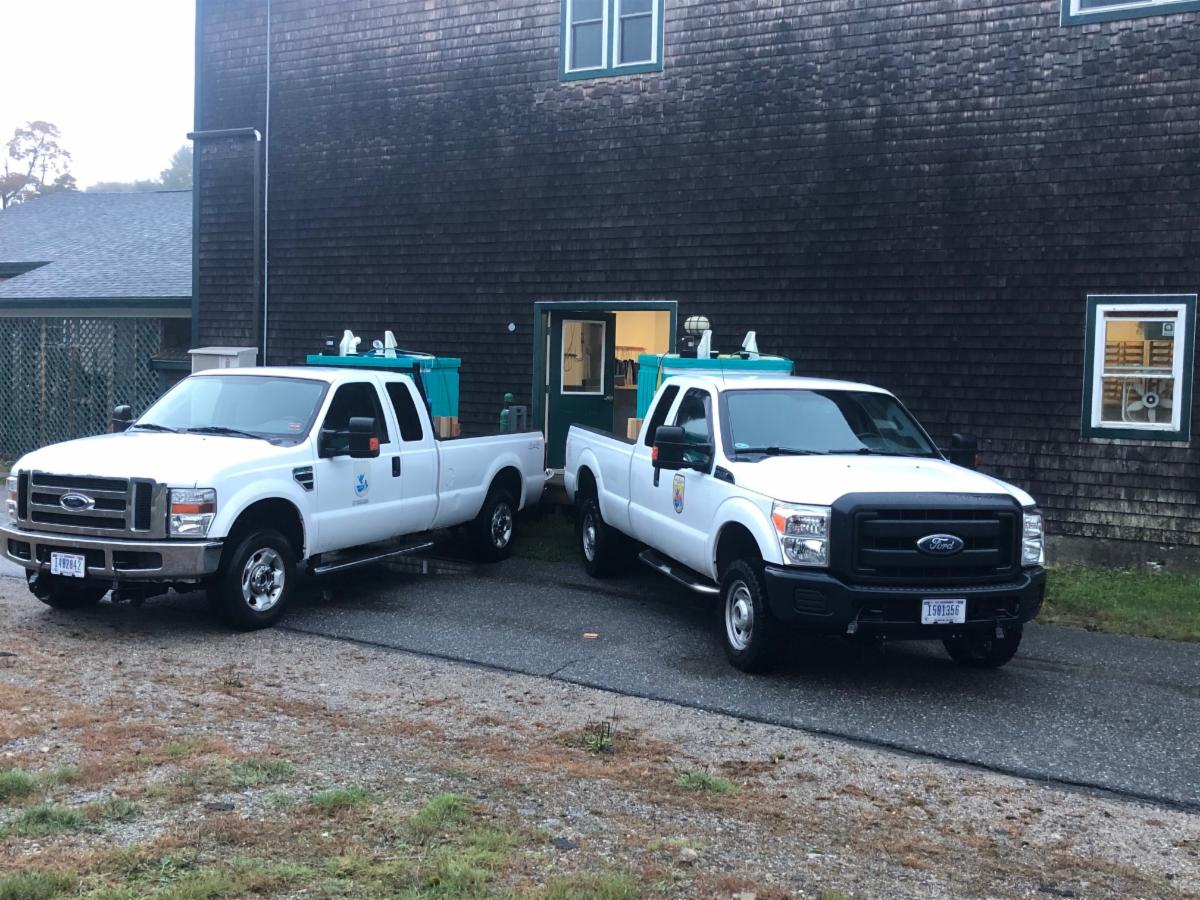
Once Downeast Maine finally received a couple of significant rain events in mid-October we were able to bring the rearing season to a close by stocking our "little athletes" throughout the East Machias River's watershed. Thank you to our PGPP partners, US Fish and Wildlife, for letting us borrow a couple of stocking trucks to get the salmon in the river where they belong!
Out in the rivers salmon spawning season has begun and we in turn have started our annual redd counts. This is where we canoe or walk all the spawning habitats of the East Machias River watershed looking for where Atlantic salmon have dug their redds (or nests). This helps DSF, Maine DMR, and NOAA biologists estimate the number of returning Atlantic salmon to each river. We will continue to redd count for the next two months until weather conditions (ice) don't allow us to continue. So far we have found three redds...off to a good start. Stay tuned for future updates on redd counts!
If you are new to receiving these updates and would like to catch up on some you have missed, please visit our website here. If there are any of your friends you think would enjoy this content please share with them or let us know their email address to add to the list!
**Please follow the hyperlinks throughout this update for more information**
Please join in supporting our work and help us reach our annual fundraising goal for the Peter Gray Parr Project of $200,000. We are excited and fortunate to have a $45,000 matching challenge to help amplify your gift. Please consider helping DSF continue to help the endangered Atlantic salmon!
As always, thank you, we couldn't do any of this without you.