Register if you can't make it and get the recording link shortly after the session ends.
|
|
Thursday, May 14, 2020
12:30 pm to 2:00 pm EDT
First of an ASU Webinar Series on Extreme Heat
See SSF's webinar schedule below
|
|
Extreme heat is a hazard to human health and well-being, causing more deaths annually than any other weather-related hazard. Climate change is anticipated to worsen exposures to extreme heat in most parts of the world.
The health impacts of extreme heat disproportionately impact communities that are already facing social and health inequities.
Heat’s impacts on health extend beyond just heat waves, meaning that public health professionals and local governments need to consider protective measures both in the setting of extreme heat advisories as well as during hot seasons more generally. As communities everywhere struggle to manage the current COVID-19 pandemic, the need to be prepared for multiple simultaneous emergencies is starkly evident. While the threats of climate change and pandemics are global in nature, the scale of needed information and the development of public health interventions are highly local.
This webinar will provide practical information on how to protect people from extreme heat, especially those at highest risk, over the coming months. Panelists will discuss federal research and resources and draw on case studies from Phoenix Arizona to inform a discussion of solutions at all scales.
|
|
Senior Advisor for Public Health Director,
NIEHS-WHO Collaborating Centre for Environmental Health Sciences
John M. Balbus, M.D., M.P.H., who
will moderate the session
, serves as a senior advisor to the Director on public health issues and as NIEHS liaison to its external constituencies, stakeholders, and advocacy groups. He also leads NIEHS efforts on
climate change
and human health. In this capacity he serves as HHS principal to the U.S. Global Change Research Program, for which he also co-chairs the Interagency Cross-Cutting Group on Climate Change and Human Health.
Before joining the NIEHS, Dr. Balbus was Chief Health Scientist for the non-governmental organization Environmental Defense Fund.
Dr. Balbus' background combines training and experience in clinical medicine with expertise in epidemiology, toxicology, and risk sciences. He has authored studies and lectures on global climate change and health, transportation-related air pollution, the toxic effects of chemicals, and regulatory approaches to protecting susceptible subpopulations.
|
|
|
|
One Health and Integrated Climate and Weather Extremes Research Lead, NOAA
Juli Trtanj is responsible for developing and implementing the National Oceanic and Atmospheric Administration (NOAA) Health Strategy across NOAA and with other federal, state, local and international Agencies, academic and private sector partners. She is leading efforts to build the National Integrated Heat Health Information System (NIHHIS) in partnership with the Centers for Disease Control, FEMA, OSHA, NIOSH, ASPR, EPA and other agencies.
Ms. Trtanj coordinates the NOAA One Health Working Group which brings together NOAA data, research, information and actions to inform health decision making. She started the first multidisciplinary and multi-partner research program on Climate Variability and Human Health. She developed and directed NOAA’s Oceans and Human Health Initiative focused on Early Warning Systems, Health Benefits from the Sea, and Graduate Training. Ms. Trtanj co-chairs the US Global Change Research Program, Climate Change and Human Health Group (CCHHG) and represents NOAA on the Pandemic Prediction and Forecasting Science and Technology Working Group.
|
|
|
|
Executive Director, Knowledge Exchange for Resilience at ASU, College of Liberal Arts and Sciences
Patricia Solís, PhD, is Executive Director of the Knowledge Exchange for Resilience at Arizona State University, a campus-wide effort to link community needs with research innovations, managed in the College of Arts and Sciences. She also holds research faculty privileges in the School of Geographical Sciences and Urban Planning.
She is Co-Founder and Director of YouthMappers, a consortium of more than 120 universities in 38 countries that creates and uses open spatial data for humanitarian and development needs in collaboration with the United States Agency for International Development.
|
|
|
|
Assistant Research Professor,
Healthy Urban Environments (HUE),
Julie Ann Wrigley Global Institute of Sustainability
Melissa Guardaro is an assistant research professor in the Julie Ann Wrigley Global institute of Sustainability at Arizona State University and works for the Healthy Urban Environments Initiative (HUE) and Knowledge Exchange for Resilience (KER). Her research focuses on adaptation, equity, vulnerability, urban policy, and governance for the mitigation and adaptation to extreme heat and urban heat island effects. She is currently working with the City of Phoenix to formulate a comprehensive heat reduction strategy, and with The Nature Conservancy, the Maricopa County Health Department, and community-based organizations to create neighborhood heat solutions that improve thermal comfort and public health outcomes, especially during extreme heat events.
|
|
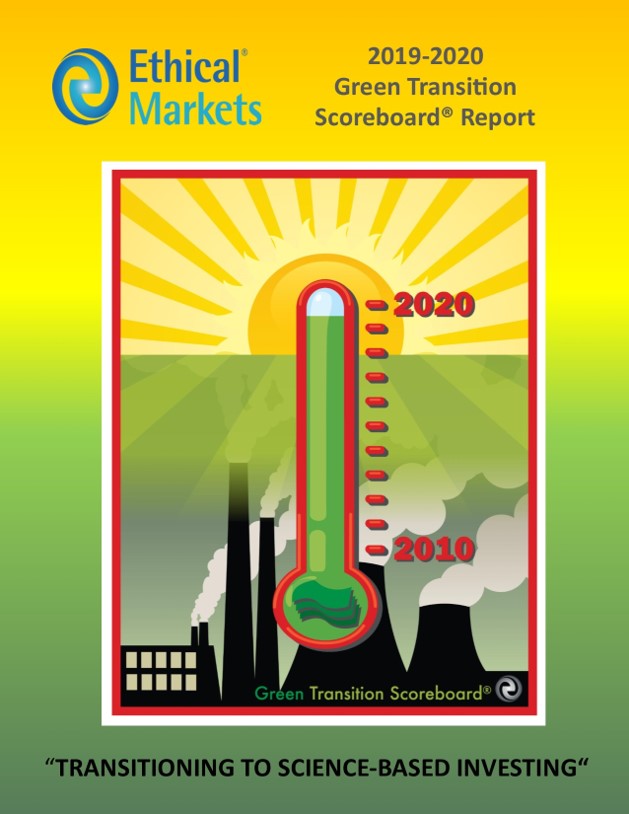
Tracking and Steering the Global Green Transition
Series
About transitions to a sustainable society and economy, and how society will produce and distribute goods and services.
Thursday
May 21st, 1:15 PM to 2:15 PM EDT
|
|
Christopher P. Skroupa is the Founder and CEO of
Skytop Strategies
, a global media firm. He facilitates discussions among executive-level corporate leaders, institutional investors, stakeholders, reputable industry experts, and authoritative NGO/government agencies around corporate resilience strategy.
Chris was the Director of Marketing for Kaplan Fox LLP. Prior to that he was responsible for Information Management Network (IMN)'s portfolio of 50 conferences covering corporate governance, risk management, socially responsible investing and sustainability - in the U.S., Europe and Asia.
Futurist
Hazel Henderson
, founder of
Ethical Markets
, has been a transformative thinker,
science policy advisor, global systems analyst,
author
of many books,
and
a
sustainability activist for more than 50 years. Her colleagues and collaborators
from around the world
are among the most influential sustainability leaders of our time. Join Hazel and SSF for this other webinars in the
Tracking and Steering the Global Green Transition
series.
|
|
|
|
Using the design process and public art in facilitation and outreach to communities, organizations, and campuses for resiliency, climate adaptation, and related issues.
|
|
|
|
Sincerely
,
Ed.
Edward Saltzberg, PhD
Executive Director
Security and Sustainability Forum
|
|
See what's happening on our social sites
|
|
|
|
|
|
|