COVID-19 and Higher Ed: Biweekly Update |
|
Updates from New England Institutions |
|
|
|
Check out NEBHE's COVID-19 dashboard to explore how institutions are operating in Fall 2020
|
|
Did You Know? Changes are Coming!
Change is coming to NEBHE's policy and research communications, and we're thrilled to tell you about it. In January 2021, the COVID-19 and Higher Ed: Biweekly Update will become the NEBHE Policy & Research Monthly Dispatch. You will continue to receive this newsletter under the new banner.
The new monthly newsletter will explore a wider range of issues that are affecting higher education in New England, feature NEBHE's latest policy research and analysis, and announce upcoming NEBHE events/webinars.
State Strategies for COVID-19 Vaccine Distribution
|
|
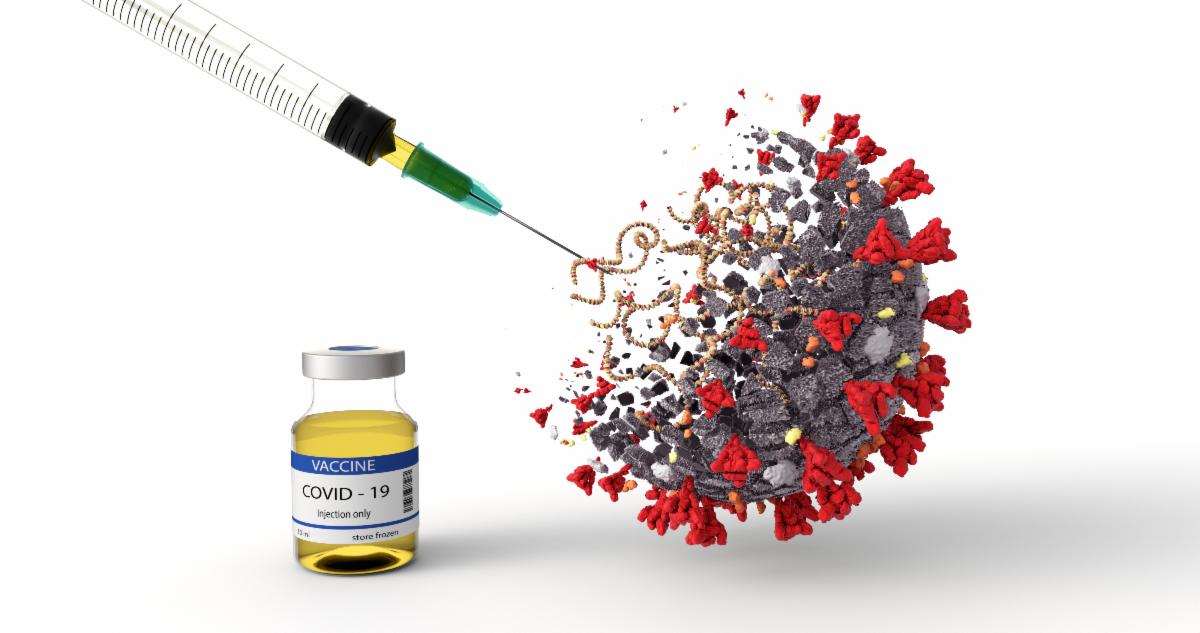
November offered a glimmer of hope for the world in the ongoing battle against COVID-19. Last month, Pfizer/BioNTech and Moderna announced the results of late-stage trials for COVID-19 vaccines that are efficacious at rates of 95% and 94%, respectively. Another vaccine developed at Oxford University is less effective—with an efficacy of 70%—but may prove equally valuable because it is significantly cheaper and easier to distribute, which means it could be delivered to lower income nations on a not-for-profit basis. In the U.S., current estimates indicate that the earliest a vaccine will be available for most non-prioritized Americans is April 2021.
State governments and higher education leaders have already begun planning for the arrival of a vaccine. This week, we're reviewing the New England states' interim plans for vaccine distribution.
New England States' COVID-19 Vaccination Distribution Plans
The vaccine will be provided at no cost and distributed by the CDC to states based on their population.
The vaccines will be sent by the CDC to approved distributors. To become a “vaccinator,” a doctor, hospital or clinic must agree to the terms of the CDC COVID-19 vaccination program. Preference will be given to distributors who are mass vaccination providers and who serve the populations that must be vaccinated during the early phases of the initiative.
While states are tasked with determining how they will distribute the vaccine doses they are given, the federal government will distribute vaccines to the nation’s nursing home population through an agreement with CVS and Walgreens.
Note: The plans and projected dosages cited below are subject to change, pending CDC approval, modifications to federal guidance and distribution plans, and vaccine supply.
|
|
State
CONNECTICUT
Status:
Draft, October 2020
|
Projected Dosage Availability:
Gov. Lamont has stated that Connecticut is expected to receive 31,000 doses of the vaccine on Dec. 14 and then 94,000 more doses by Dec. 21. By early January, the state has projected it will receive 227,000 cumulative doses.
The vaccine may be available to the general public in May or June.
|
|
Plans for Higher Education
Based on the state’s emergency response plan and its influenza vaccination program, the plan proposes a three-phase distribution:
-
Phase I: "Critical populations" that would be eligible for vaccines in this phase include essential workers, both medical and non-medical, and people at high risk of severe COVID-19 illness, such as those with underlying medical conditions and people over 65 years old.
-
Phases II and III: Inoculations of anyone that did not receive the vaccine in Phase I.
Per CDC guidance, the state engaged with "education agencies and providers" to develop their draft plan.
Identifies college/university students as a critical population group to be reached during Phases I and II of vaccine distribution (pp. 22, 57).
Identifies "Universities, colleges, and institutions of higher learning" among the group of trusted community organizations that can facilitate early agreement on communication channels and methods for rapidly disseminating information about the vaccine and ultimately ensuring critical populations have access to it (p. 19).
|
|
MAINE
Status:
Draft, V 1.0, October 16, 2020
|
Projected Dosage Availability:
Gov. Mills stated recently that Maine will receive doses of the Pfizer vaccine for around 12,000 people—about a third of what the state was expecting, enough for about 30,000-36,000 people.
This amount would cover only slightly more than half of the state's 20,000 high-risk health care workers who are considered first priority for the vaccine.
Vaccines could arrive as early as mid-December.
|
|
The plan is guided by the principles of equity, accessibility, and flexibility. It proposes a four-phase distribution.
-
Phase I: Includes health care workers providing direct patient care in high risk settings, others who work in critical infrastructure, and those working and living in congregate settings.
-
Phase II: Will begin when supply is sufficient to vaccinate more broadly and include people with underlying health conditions, along with school staff and people in correctional settings.
-
Phase III: Will transition to more routine vaccination efforts in both populated and rural areas across Maine.
-
Phase IV: Will expand vaccine access to all residents.
The Maine Immunization Program will ensure that colleges, correctional facilities, homeless shelters, dialysis centers, etc. will be given the ability to enroll as COVID-19 Vaccine Providers if they meet the requirements of the provider agreement. These locations will be prioritized based on the high-risk populations that they serve (p. 27).
As part of Phase III, Maine will engage will the state's institutions of postsecondary education to "promote the vaccination efforts for students that live on and off campus" (p. 18). Other groups that will be targeted during Phase III include children and people who work in high-risk industries.
Maine reviewed its annual postsecondary survey to determine approximate numbers and identify critical populations in the higher education sector (p. 22).
The state is partnering with the Maine Pharmacy Association to make it convenient for people to get COVID-19 vaccines at their corner drugstore.
|
|
MASSACHUSETTS
Status:
Draft, V 1.0, October 16, 2020
|
Projected Dosage Availability:
Dr. David Rosman, president of the Massachusetts Medical Society, stated that the first vaccine doses from Pfizer could be available in Massachusetts on Dec. 15 and may be provided free of charge.
Dr. Paul Biddinger, chair of Gov. Baker's Vaccine Advisory Group, anticipates that Massachusetts will receive 300,000 doses in the initial rollout.
|
|
Massachusetts proposes a three-phase plan:
-
Phase I: Between 20,000 and 60,000 doses of vaccines. Priority would go to health care and other essential workers who are treating COVID-19 patients or who may be exposed to these patients, as well as people at greatest risk for severe cases of the disease, such as patients with lung conditions and those who are 65 or older.
-
Phase II: As more vaccine doses and varieties become available, the state will rely on community health centers to vaccinate patients of color and those in lower-income areas that have seen higher rates of COVID-19 than the state as a whole.
-
Phase III: The state will expand access to the vaccines to the rest of the state's population. The goal is to make sure everyone gets free shots as quickly as possible. The state will target areas with low vaccination rates.
The Massachusetts Department of Public (MDPH) health is developing engagement strategies with key partners in support of the vaccination strategy for critical populations. Higher education institutions are among these key partners.
For training delivery and tracking, MDPH will work with its training partners. MDPH will apply for continuing education credits for clinicians and pharmacists to encourage participation in COVID-19 vaccination training.
|
|
NEW HAMPSHIRE
Status:
Draft, October 30, 2020
|
Projected Dosage Availability:
Gov. Sununu has stated that the Granite State may receive its first shipment of the vaccine in about two weeks or less.”
One week after the Pfizer vaccine of about 10,000 doses is distributed, Sununu said he expects a second shipment of the Moderna vaccine with 20,000 or more doses.
The state’s vaccination plan prioritizes health care workers, nursing home residents and first responders, which, together, add up to about 100,000 people.
|
|
New Hampshire is proposing to distribute the vaccine in five-phases.
-
Phase 1a—"Jumpstart Phase":
- High-risk health workers
- First responders
- Phase 1b:
-
People of all ages with "comorbid and underlying conditions that put them at significantly higher risk"
- Older adults who live in congregate or overcrowded settings
- Phase 2:
- K-12 teachers, school staff, and child care workers
- Critical workers in high-risk settings
-
People of all ages with "comorbid and underlying conditions that put them at moderately higher risk"
- People in homeless shelters and groups homes for individuals with serious mental and physical disabilities, as well as staff who work in such settings.
- People in prisons, jails, and detention centers, as well as staff at such facilities.
- Older adults not included in Phase 1.
-
Phase 3:
- Young adults
- Children
- Critical workers not included in Phases 1 or 2.
- Phase 4:
- Everyone else.
"People attending colleges/universities" have been identified as a "critical population" that has "been disproportionately impacted by COVID-19 and are at increased risk for infection, severe illness, and death."
|
|
RHODE ISLAND
Status:
Draft, V 1.0, October 16, 2020
|
Projected Dosage Availability:
Rhode Island Gov. Gina Raimondo is a top contender to run the health department under President-elect Joe Biden.
Dr. Ashish Jha, dean of the Brown University School of Public Health, said Rhode Island could receive the first doses of Pfizer’s COVID-19 vaccine as soon as Dec. 11—pending the results of a Dec. 10 review by the FDA.
Officials are expecting 10,000 to 60,000 doses of vaccine to arrive in Rhode Island this month, with another 60,000 in January.
|
|
Along with Texas, New Mexico, and Tennessee, Rhode Island is participating in a pilot program Pfizer is using to test distribution of its COVID-19 vaccine.
Rhode Island proposes a three-phase distribution, in which the first phase has two parts.
-
Phase 1a: High-risk healthcare workers and first responders will be the focus of vaccination efforts.
-
Phase 1b: As more vaccine becomes available and those identified for vaccination during Phase 1a have received their second dose (in the event of a two-dose vaccine series), vaccination efforts will broaden in their focus to include people with "significant comorbid conditions" and older adults in congregate or overcrowded settings.
-
Phase 2: Will target
- K-12 teachers, school staff, and childcare providers
- Critical workers in high-risk settings
- People with "moderate comorbid conditions"
- People in homeless shelters or group homes and staff
- Incarcerated or detained people and facility staff
- All older adults
-
Phase 3: Will prioritize
- Young adults
- Children
- Workers in industries important to the functioning of society
The plan estimates that 66,000 higher education students and 18,000 higher education faculty and staff in Rhode Island would need a vaccine. The figure is based on 2020 summer survey estimates.
|
|
VERMONT
Status:
Draft, V 1.0, October 16, 2020
|
Gov. Scott has stated that the first round of health care workers could receive the vaccine within three weeks.
The state’s vaccine advisory group is meeting on Friday, Dec. 4 to finalize the list of who will receive the vaccine in the first round. At present, 975 doses are expected to be delivered to Copley Hospital by Dec. 15.
|
|
Similar to Rhode Island, Vermont will implement a three-phased approach, in which the first phase consists of two parts.
-
Phases 1a and 1b: To reach the people who are prioritized for earlier access to the vaccine, vaccination clinics will be provided across the state using a variety of effective vaccine clinic models. In Phase 1b, through a CDC contract, long-term care facilities have the opportunity to enroll with either CVS or Walgreen’s pharmacies to receive free, on-site, comprehensive COVID-19 vaccinations for all of their residents, and staff who were not vaccinated during Phase 1a.
-
Phases 2 and 3: The state will capitalize on its medical home system and partnerships with pharmacies to provide wide-scale access to the COVID-19 vaccine. Data gathered during Phases 1a, 1b, and 2 will be essential in assessing vaccination uptake among various populations to plan for targeted outreach in Phase 3, if indicated.
People attending colleges/universities are identified as a "critical population."
"Young adults/college-aged students" will be targeted during Phase 2. Distribution at colleges will continue in Phase 3.
|
|
What Else We're Reading
-
"Missing From State Plans to Distribute the Coronavirus Vaccine: Money to Do It," The New York Times, Nov. 14, 2020
-
"What role will schools play in COVID-19 vaccine distribution?" EducationDive, Nov. 25, 2020
-
"Should Students Be Required to Be Vaccinated?" Inside Higher Ed, Jul. 10, 2020
-
National Academies of Sciences, Engineering, and Medicine (2020). Framework for Equitable Allocation of COVID-19 Vaccine. Washington, DC: The National Academies Press. https://doi.org/10.17226/25917.
|
|
For more, visit NEBHE's COVID-19 Resource Page |
|
Was this forwarded to you? You can sign up here to receive your own copy.
We welcome your thoughts on what you'd like to see us write about. Send an email to policy@nebhe.org and we will get back to you ASAP.
As always, thanks for reading.
|
|
|
|
|
|
|