|
Learning Objectives:
- Support Health, Safety, and Welfare through housing design.
Participants will understand how alternative ownership models contribute to housing stability, community health, and long-term public welfare. The session demonstrates how design decisions influence safety, livability, and economic resilience.
- Advance Equity through alternative homeownership models.
Attendees will examine how Community Land Trusts, Limited-Equity Cooperatives, and shared-equity structures expand access to homeownership for underserved populations. The session connects these models to AIA’s equity and inclusion priorities.
- Promote climate-responsive and resilient housing typologies
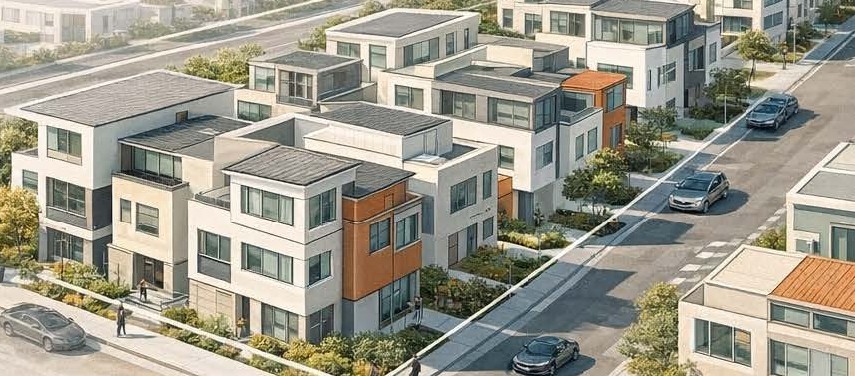
Participants will explore how missing-middle housing, ADU’s and innovative construction technologies support climate action and long-term resilience. Case studies highlight strategies that reduce environmental impact while maintaining affordability and durability.
- Apply design excellence and professional leadership to housing challenges.
Attendees will learn how architects can leverage policy, technology, and design excellence to deliver attainable housing solutions. The session reinforces the architect’s role as a civic leader aligned with AIA advocacy and professional ethics.
|