Environmental Interpretive Center November 12, 2025 | | |
In this issue:
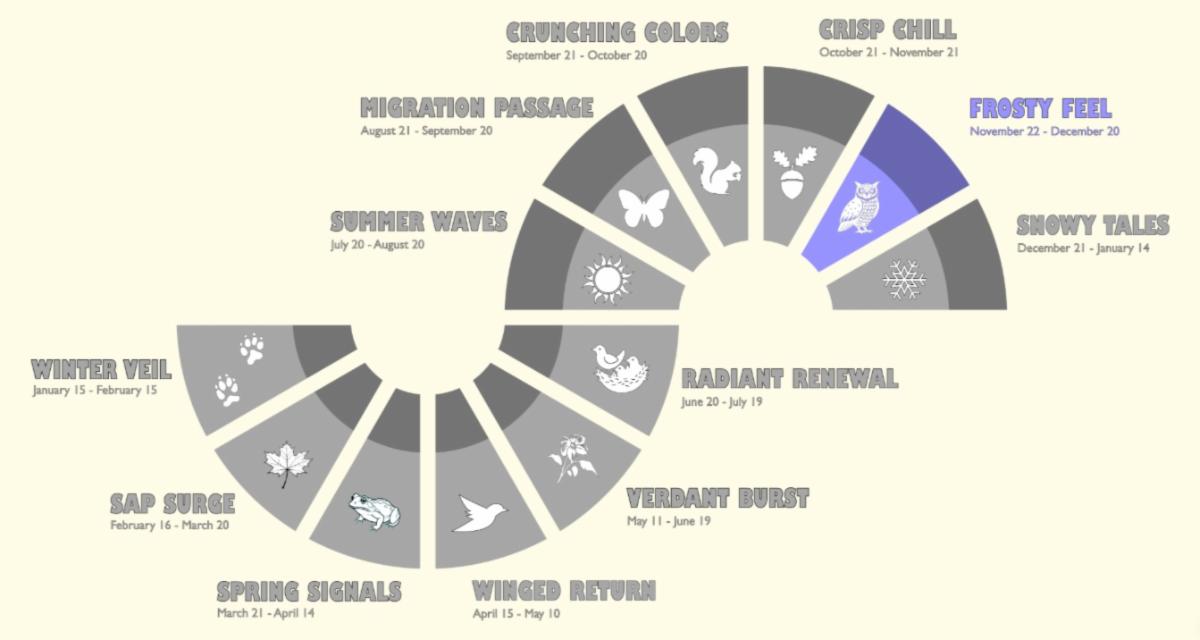
- Microseason: "Frosty Feel"
- Upcoming EIC Programs and Partner Events
- Pollinator Photo Contest Results!
- Tales From the Trails: Oh, My--A Spotted Lantern Fly...
- Greenways: Take a DEEP Breath
| |
Frosty Feel:
As cold creeps in, animals begin to hibernate, the last dry leaves cling to trees, and hoots of courting owls echo through the woods.
| | |
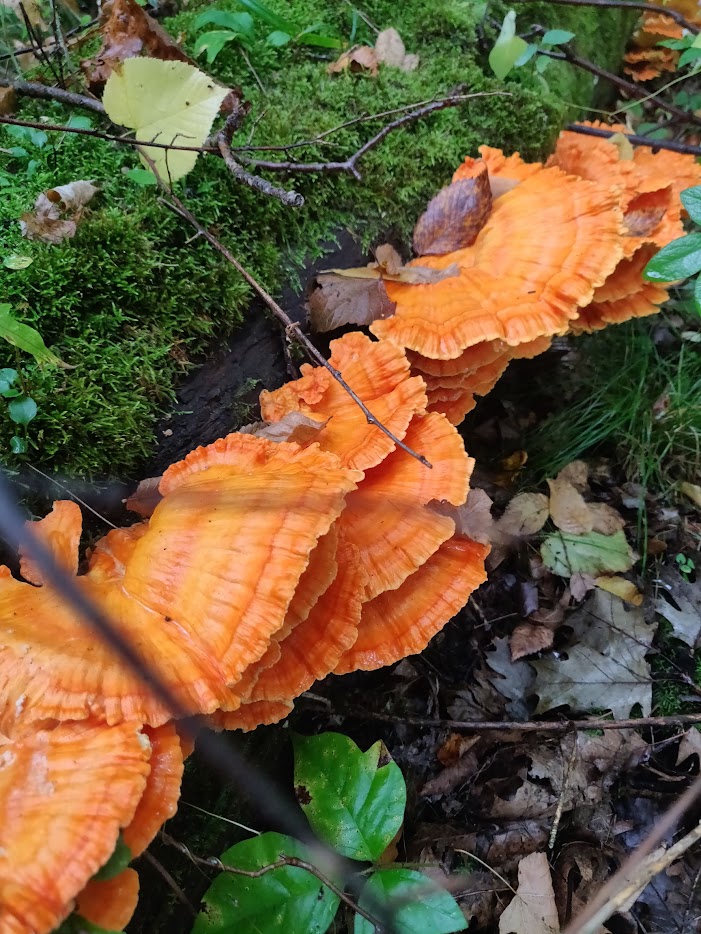
Fungi Fundamentals
Saturday, November 15th
11:00-12:30
Ages 10 years and older
Join us in Room 119 to go over some of the basics of mushroom anatomy before heading out on the trails to observe those characteristics in the field. Please register for this program.
(Photo by Mike Solomon, your Fungi Fanatic!)
| |
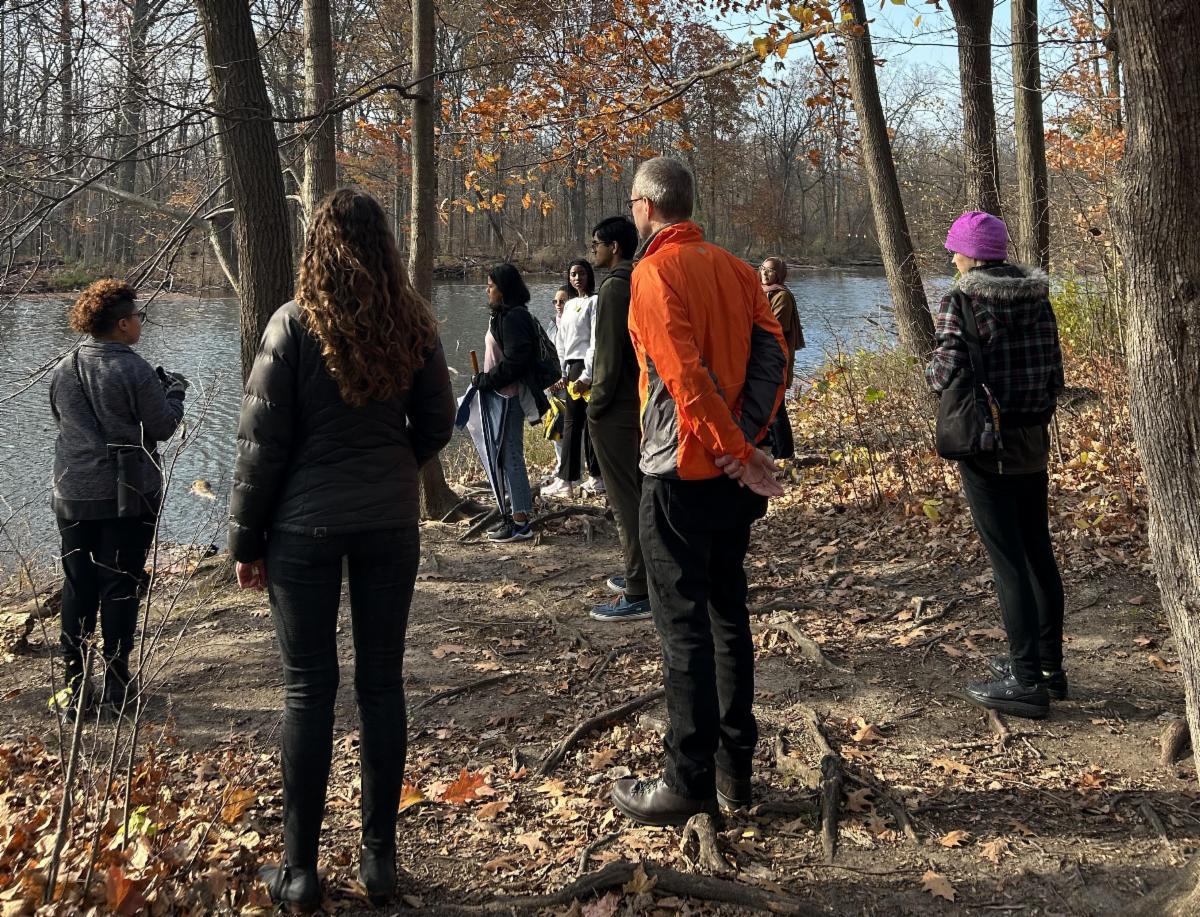
Nature Walks for Mental Health*
Nov. 19 and Dec. 3 (with a celebration finale`!)
2:00-2:45
*Open to the public
In partnership with UM-Dearborn's Counseling and Psychological Services (CAPS) office, the EIC and CAPS staff offer bi-weekly guided walks on the Interpretive Trails. Please register for this program. Meet at the EIC.
| | |
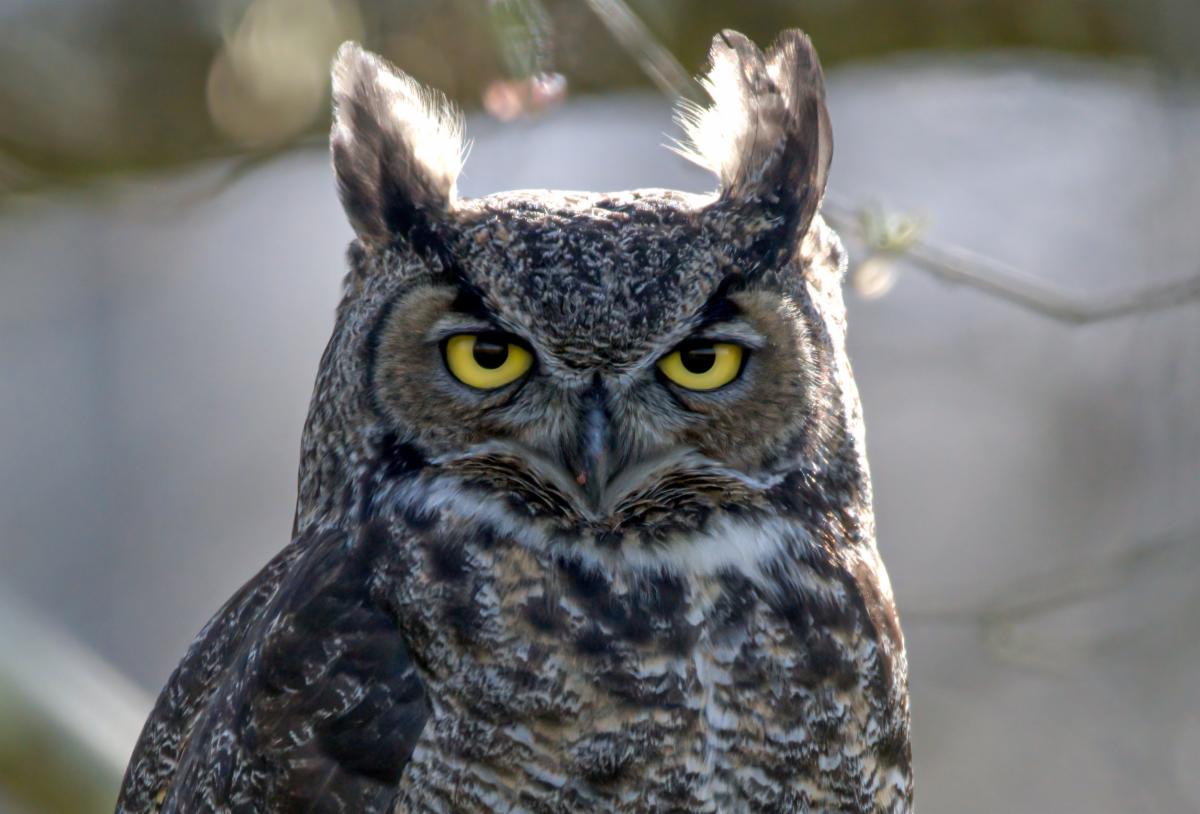
Whooooo's Out There....?
Friday, Dec. 5 from 7:00-8:30 p.m.
Ages 10 and older
It's courtship time for our resident owls, and their version of dating apps involves a different kind of communication. Walk the trails with the EIC staff as we imitate the calls of local owls in hopes of a response. Please register for this program.
(Photo by Jake Bonello, USFWS)
| |
ORGANIZING FOR ENVIRONMENTAL HEALTH & JUSTICE
A panel for growth and inspiration.
November 18, 6-7:15, EIC
RICKY ACKERMAN, Chief Sustainability Officer, Eastside Community Network
SIMONE SAGOVAC, Program Manager, SW Detroit Com. Benefits Coalition
MORGAN LOCKE, Air Quality Program Manager, Green Door Initiative
Learn about initiatives in Metro Detroit to address health inequities.
Please register for this event.
| |
Pollinator Photo Contest Results!!
For the 6th consecutive year, the EIC and UM-Dearborn Bee Campus USA, sponsored a Pollinator Photo Contest to highlight the amazing
diversity of the Earth’s pollinators. The 2026 edition of the contest welcomed entries from across the United States and even from countries as far away as Chile!
After careful consideration by EIC staff and affiliated partners, this year’s three award winning photos are:
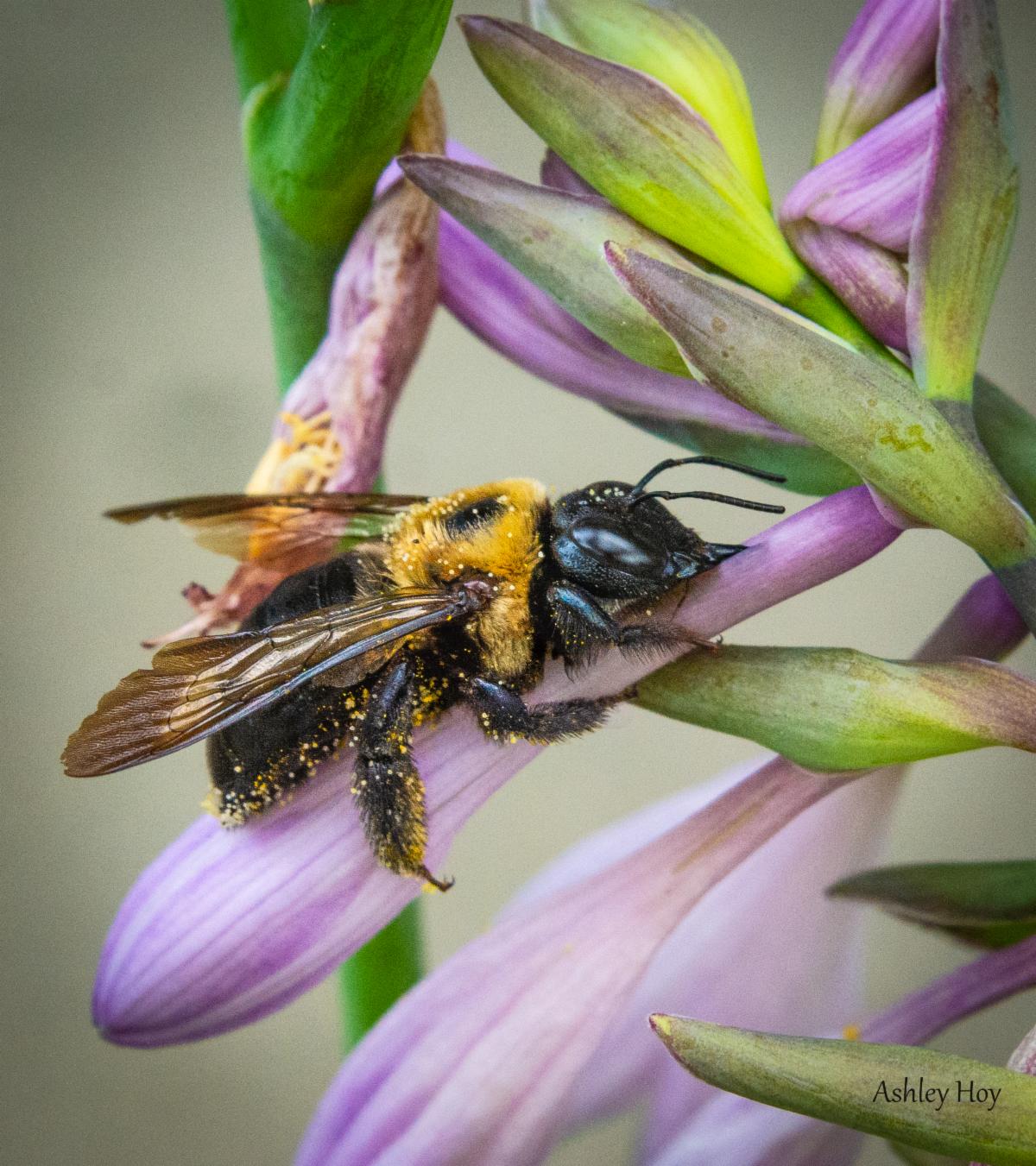
Pollinators Up Close – Soft Landing by Ashley Hoy (a photo inspired by her children!)
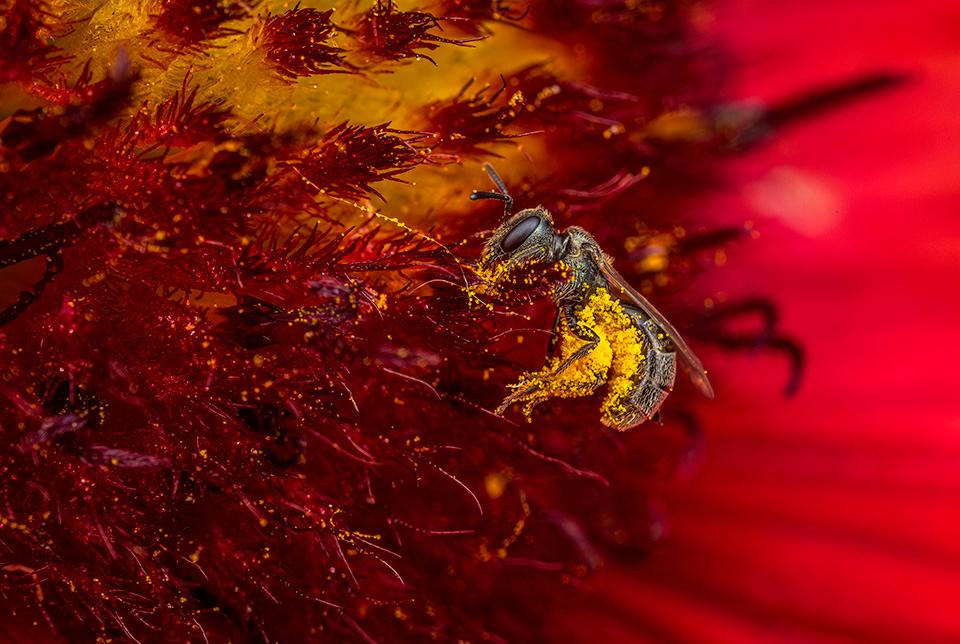
Pollinator-Flower Interactions – Lasioglossum on Blanketflower
by Joseph Ferraro (Mr. Ferraro's work is currently on exhibit at UM's Matthaei Botanical Gardens.)
Each winning photographer receives a bottle of campus maple syrup.
Congratulations! UM-Dearborn has been certified as a Bee Campus USA affiliate since 2019 in recognition of its pollinator education and conservation efforts. Former EIC Director, Dr. David Susko, has prepared a highlight video of some of the best photos for you to enjoy.
| | "Soft Landing" by Ashley Hoy | | |
"Lasioglossum on Blanketflower"
by Joseph Ferraro
| | |
Oh, My—A Spotted Lanternfly...
It was just a matter of time. The UM-D campus now has its first recorded observation of an invasive Spotted Lanternfly.
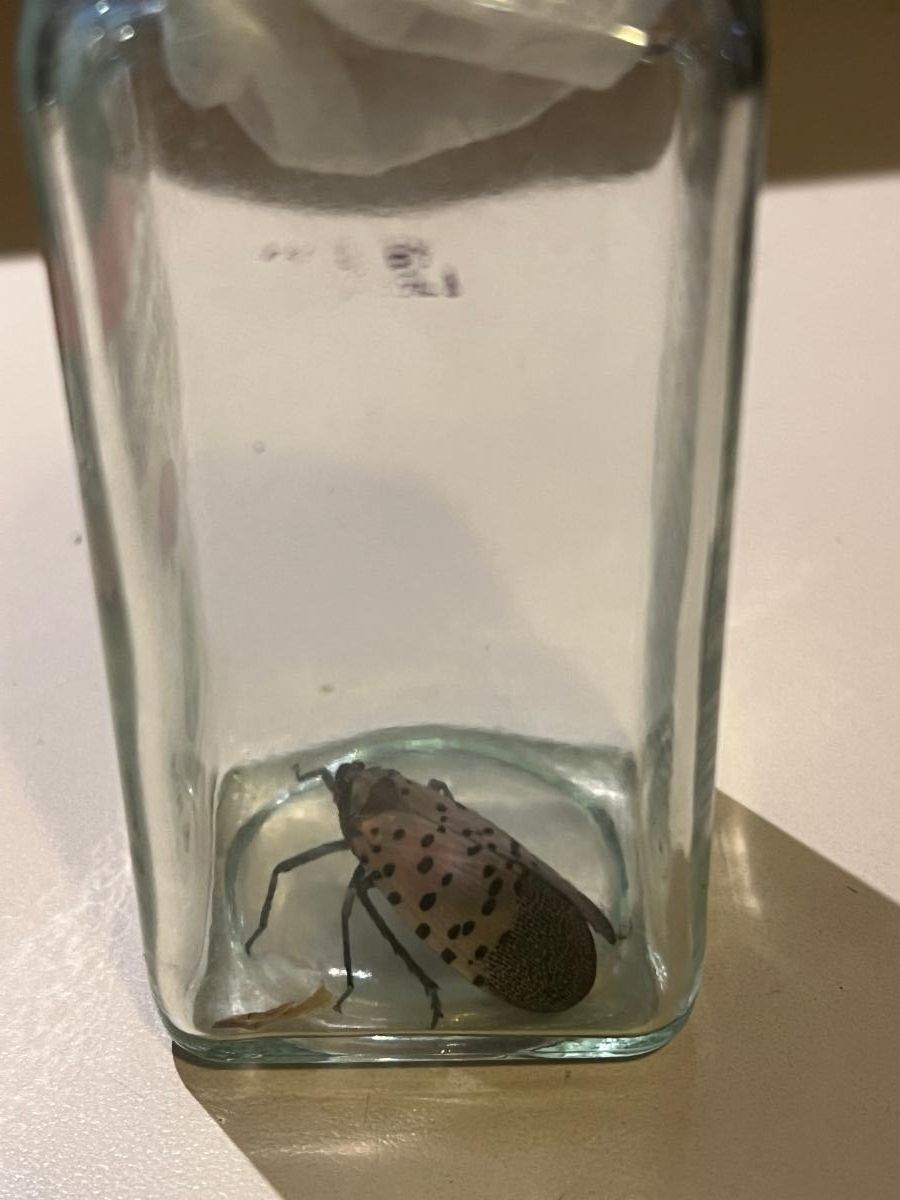
The manner of this encounter was a bit out of the ordinary. A member of the campus Grounds crew spotted a stout and colorful insect clinging to the bed of one of the campus vehicles. Recognizing it as a Spotted Lanternfly, he quickly captured it. Soon after, the still living creature, housed in an empty spice bottle, made its way to the EIC.
(Photo by Mike Solomon)
| | Curious about the potential harmful impacts of this new invasive species to the campus Environmental Study Area (ESA), I checked out an assortment of informational resources. So far, the results of my search have been inconclusive. | | |
For example, take into account that the preferred food source for lanternfly larvae and adults is sap from the invasive Tree of Heaven (Ailanthus altissima). Not so bad, right? The catch, however, is that the lanternflies do not kill the host trees. Instead, more tree of heaven means more lanternflies produced. Removing Ailanthus can help minimize lanternfly numbers. The EIC already conducts Ailanthus control as part of our invasive plant management, so perhaps that will help to limit lanternfly populations in the ESA. Time will tell.
(Photo from Wikimedia)
| Unfortunately, lanternflies can also tap into the sap of over 70 species of trees and woody vines, including many native species. On the plus side, at least for now, it appears that most of those do not sustain nearly as large lanternfly populations as the Ailanthus. Another cause for guarded optimism is that on mature native trees, lanternfly-feeding impacts might cause branch dieback, but do not kill the trees. Sapling black walnut and maple trees, however, can experience impaired growth and die from heavy lanternfly sap sucking. | | |
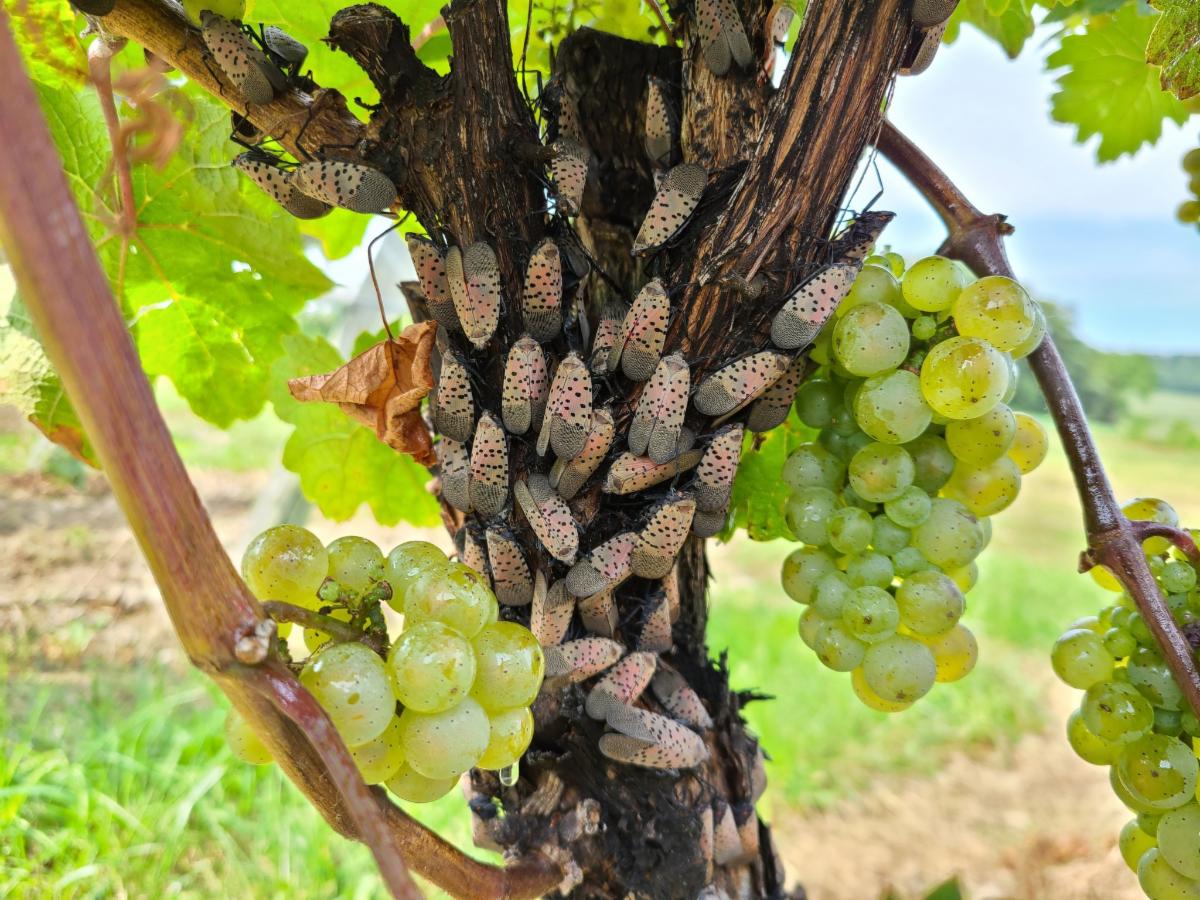
Sadly, and alarmingly, lanternfly infestations can cause great harm to grapes, both cultivated and wild. Impacts on vineyards are a cause of
serious agricultural and economic concern. Now that lanternflies are in the ESA, will we soon be seeing swarms of them out there?
(Photo by Heather Leach)
| | | |
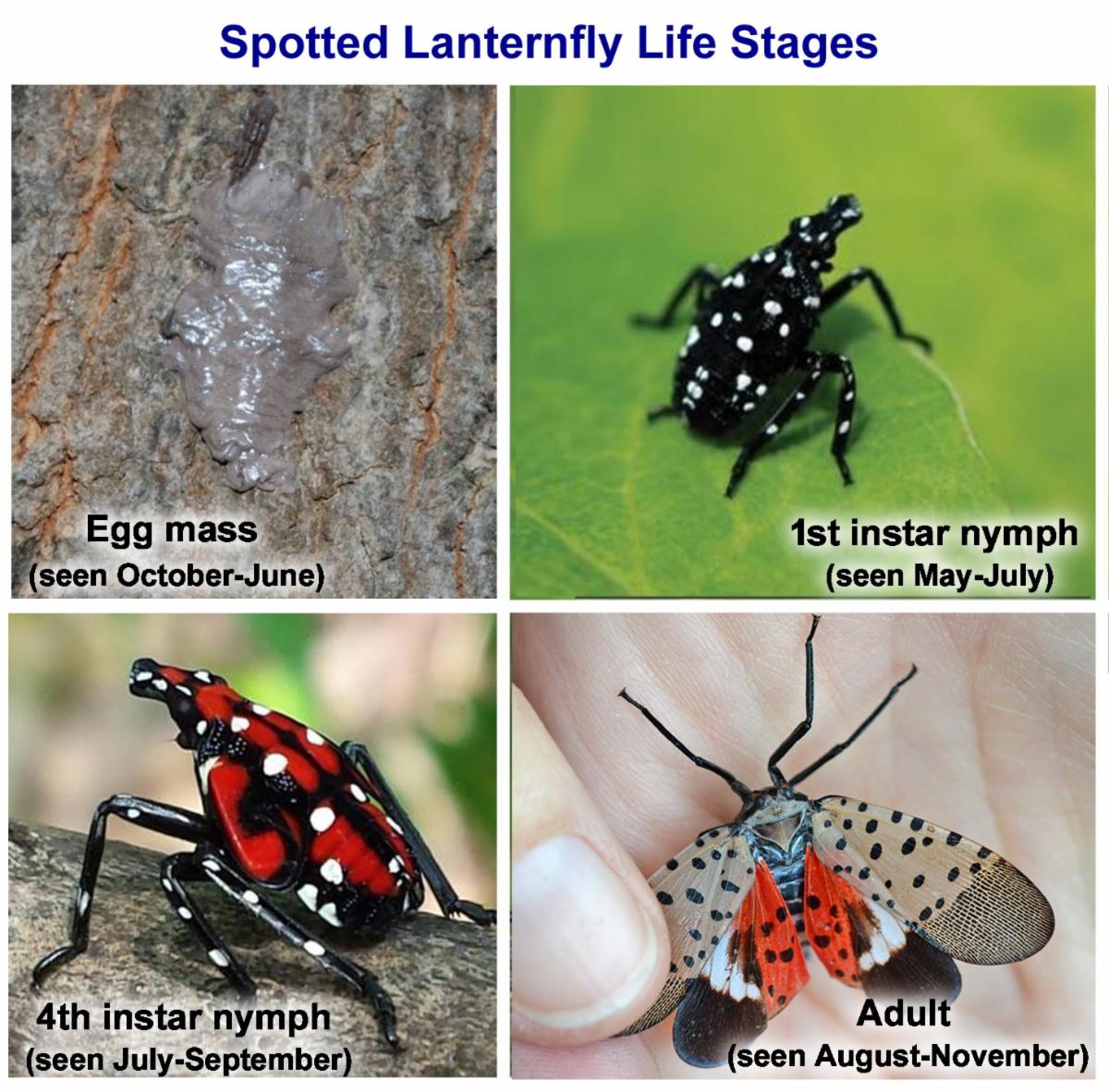
If you happen to spot lanternflies in the ESA, please let one of our
Center staff know of the location. A photo would help, too. Also, feel
free to squish the lanternflies, which evidently is a commonly practiced
control method. Just make sure to become familiar with what
lanternflies look like before doing any squishing. (Photo by the Iowa Department of Agriculture and Land Stewardship.)
-Rick Simek, Natural Areas Manager
| | |
Take a DEEP Breath!
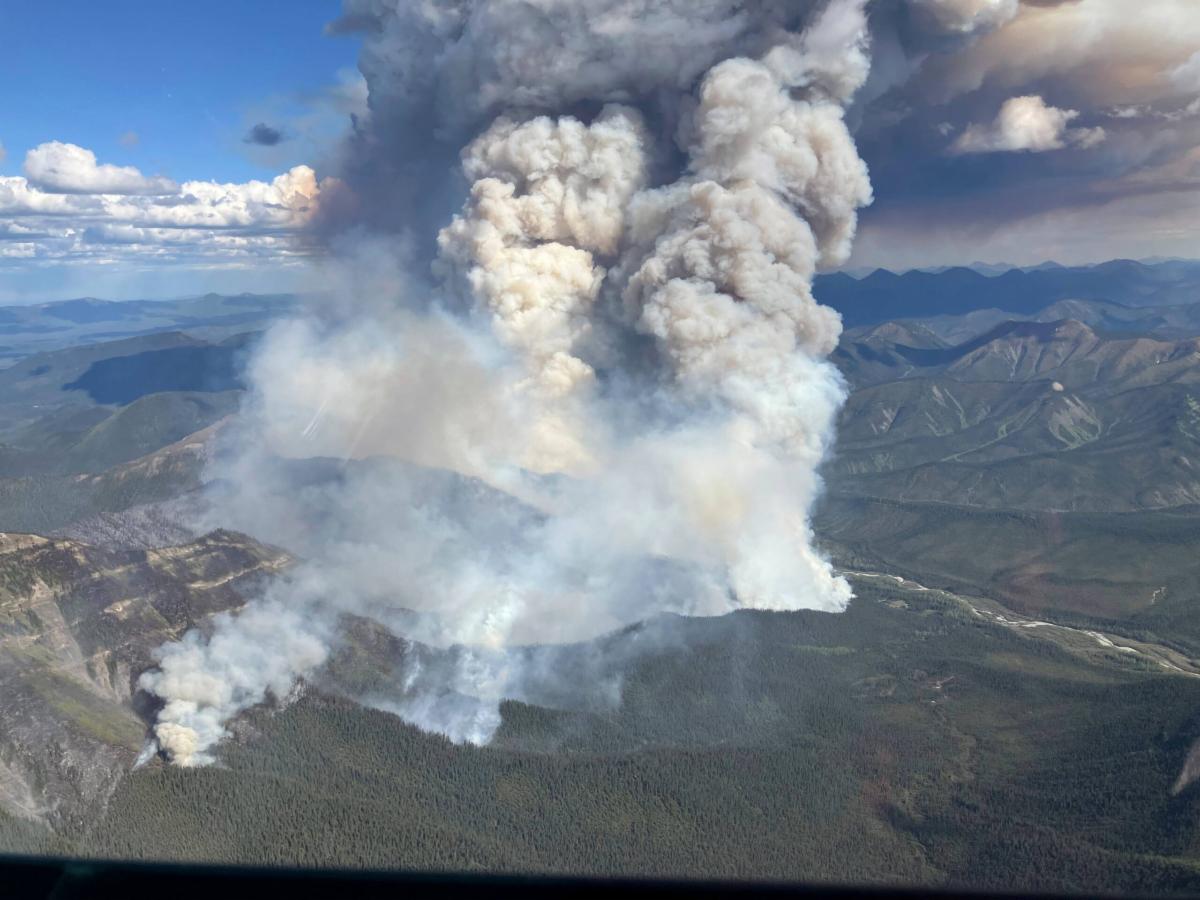
Air quality has increasingly been newsworthy here in Southeast Michigan. Over this past summer, there were multiple weeks where the air quality was so low, due to wildfire smoke blowing in from Canada, that it was unhealthy for sensitive groups to breathe!
(Photo BC Wildfire Service/The Canadian Press via AP)
Air quality monitoring isn’t as simple as labeling “good air” or “bad air.” Experts rate the quality of the air by measuring the concentrations of five pollutants: ground-level ozone, particulate matter, carbon monoxide, sulfur dioxide, and nitrogen dioxide. These pollutants all have an impact on breathing and are scored with an Air Quality Index (AQI), starting at 0 for unpolluted air. An AQI above 100 is considered "unhealthy," where sensitive groups like those with asthma may be affected. AQI ratings above 150 carries health risks for everyone, not just sensitive individuals.
| | |
Air quality monitoring equipment is expensive and, as a result, collecting data can be a challenge in underserved communities. Gaps in the data hinder accurate forecasting and safety measures.
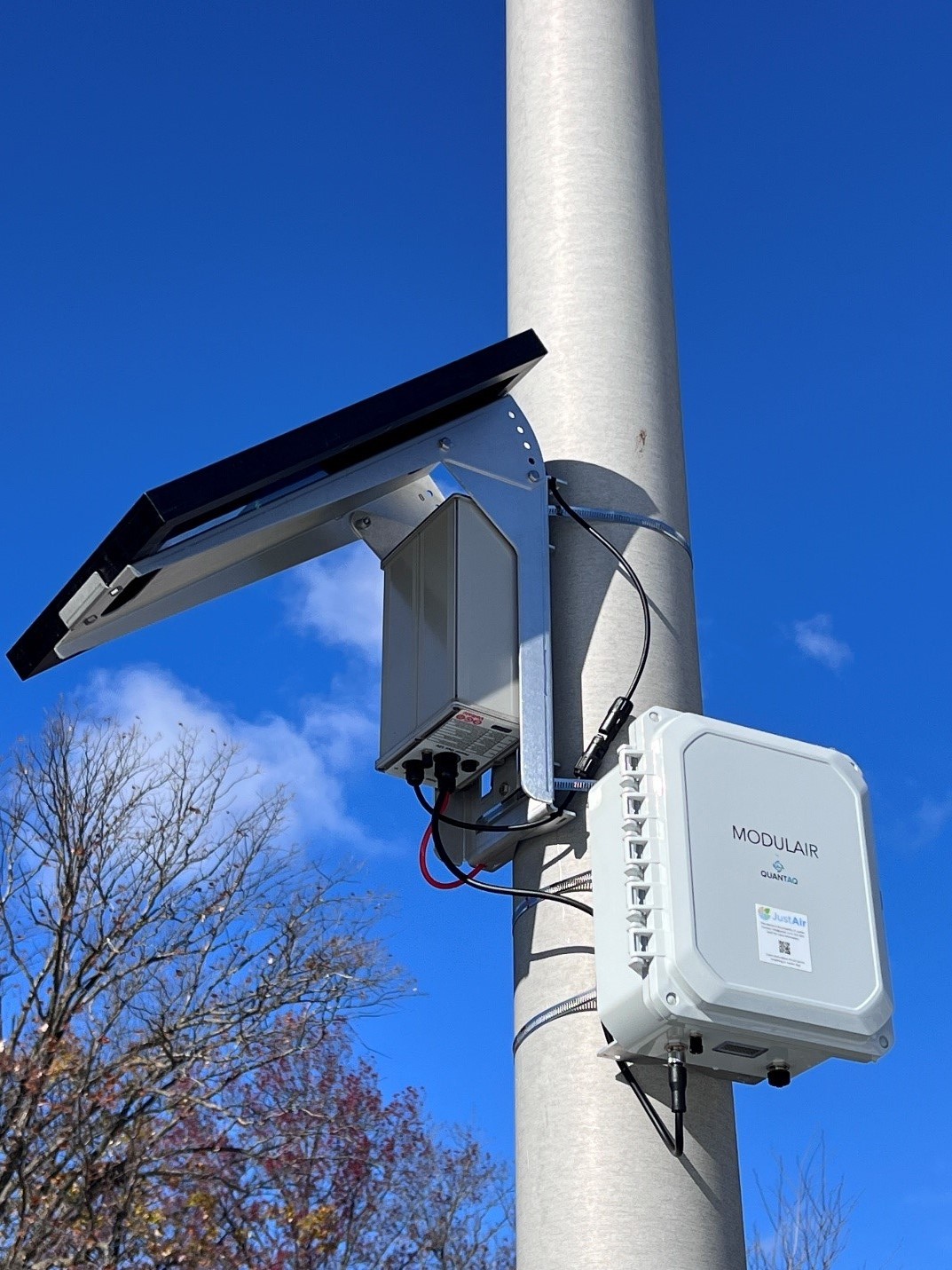
Fortunately, the Dearborn Department of Public Health has partnered with JustAir, to establish a network of air quality monitoring stations throughout Dearborn. One monitoring station was installed directly across the street from the EIC. (Photos by the author)
| | |
The exciting thing about this system is that you can check the data yourself. Scan the QR code near any of the monitoring stations or visit https://justair.app/ and sign up. Dearborn isn’t the only area covered; JustAir has a station in Canton, as well! Once you’re signed up, you can add as many stations to your profile as you’d like.
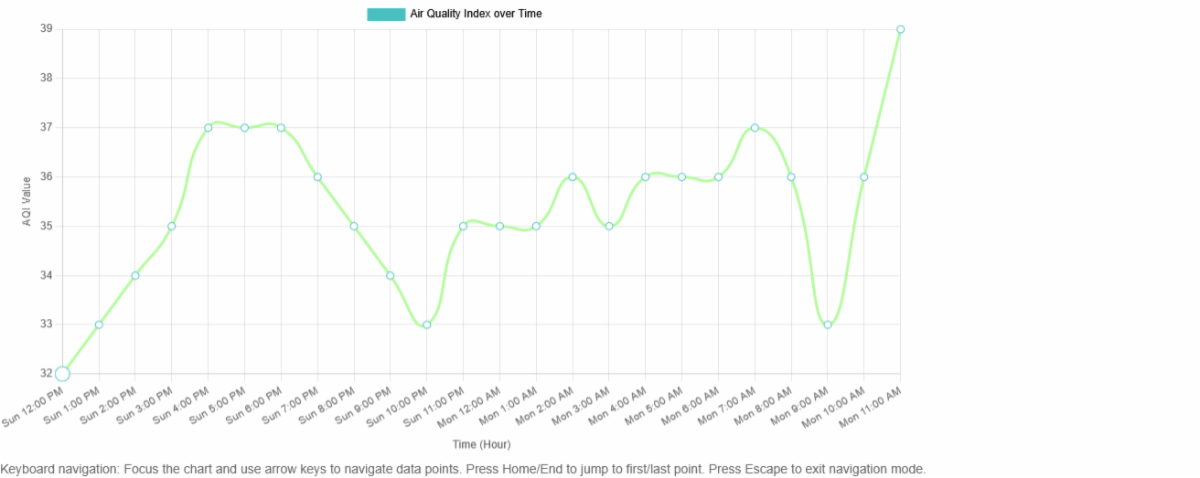
The JustAir dashboard shows the current AQI for the primary pollutant, as well as a graph showing the previous 24 hours (below). Charts, and raw data are available for free download, and you can even compare multiple monitors! These insights allow residents of our community to make informed decisions and bring attention to issues with air quality! I’ll be keeping up with the local monitors, and I encourage you to do the same!
-Mike Solomon, EIC Staff Naturalist
| | |
Venturing outdoors and encountering nature is good for your health. Our trails are accessible, so please visit our Environmental Study Area. Stay engaged in learning activities and check out our Remote Learning Activities & Resources page for ideas to create a “Neighborhood Nature Journal” and “Family Nature Walk” activities!
| | | We also hope to see you in person at our upcoming programs! | |
Please remember...
The EIC Environmental Study Area is open daily from sunrise to sunset. We would like to remind nature-goers that fishing on site is prohibited and to leave bikes and dogs at home because they cause disruption and stress to the EIC wildlife.
| |
| | | |