THEME FOR THIS MONTH
NATIONAL ARTS AND HUMANITIES MONTH
|
|
October is National Arts and Humanities Month, and to celebrate this occasion, CRE is tailoring our newsletter to support the arts and humanities. Keep reading for a featured interview, faculty spotlights, ways to support the arts, and more!
Banner Photo Taken from Americans for the Arts website: https://www.americansforthearts.org/events/national-arts-and-humanities-month
|
|
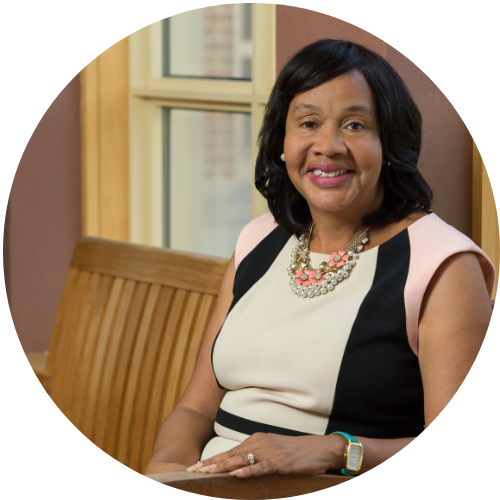
To start off our Arts and Humanities newsletter, we wanted to feature one of FSU's stalwarts in the humanities research community, Dr. Maxine L. Montgomery, Professor of English at Florida State University. Dr. Montgomery has published widely in the fields of African American Literature, Afro-futurism, post-apocalyptic studies, Caribbean Studies, Postcolonialism, and more. In addition, Dr. Montgomery is the current chair of FSU's President's Task Force on Anti-Racism, Equity, and Inclusion. What follows is a question and answer essay interview with Dr. Montgomery about her undergraduate research experience, her current research work, and what she sees as the value and importance of humanities-based research: |
|
|
|
Featured Interview with Dr. Maxine L. Montgomery |
|
|
- Did you partake in undergraduate research? If so, how did you first get involved? What was that experience like with undergraduate research? Did you have an undergraduate research mentor?
Unfortunately, there were no institutionalized programs for undergraduate research during my years as a student at Florida State. My research activities were individualized, originating in literature courses with an assortment of renown professors who had achieved national and international stature, but those professors were without the formalized structures that would allow them to work closely with students engaged in the sustained scholarly inquiry leading to academic publications or conference presentations.
As an aspiring university professor with an interest in African-American Literary and Cultural Studies, I could have benefitted from the programmatic efforts of UROP, especially in relation to my fascination with tropes of racial passing or the color line and its implications for identity construction in Early American and African-American Literature. Instead, I devised my own topics for research outside the themes assigned to the class as a whole, with the inter-locking concerns of race or difference emerging as a leitmotif in my work within and in-between literature courses.
2. What is your current research? Please provide a description of what you are investigating as well as certain themes. What was the inspiration for your current research?
My current research touches on tropes of apocalypse or, more specifically, post-apocalypticism in an interrogation of the futuristic visions in fiction and expressive culture by black women in the United States and Anglo Caribbean. I examine figurations of secular or environmental catastrophe, including instances of widespread illness or pandemics, in a range of works by Octavia E. Butler, Nalo Hopkinson, Edwidge Danticat, Michelle Cliff, Erna Brodber, Gloria Naylor, Toni Morrison, Jessmyn Ward. The study culminates with a focus on Beyonce’s visual album “Lemonade” as Afro-futurist fantasy. Unlike writers and performers whose futuristic imaginaries serve a private and individualized function, my study argues, black women deploy the fantastic as a means of social critique and in a manner reflecting the cultural history of the group as a whole. With women of color, images of a transformed social order emerging in the not-too-distant-future offer a basis for reexamining social and political issues of the present moment, and those visions announce a reclamation of a gendered Africanist past. In other words, for black women, the future is black and female, and representations of an otherworldly existence summon a diasporic heritage, but with gendered inflection that prompts a reappraisal of core themes in contemporary black feminist thought.
My book-length monograph, The Post-Apocalyptic Black Female Imagination, is currently under advance contract with London’s Bloomsbury Publishers. As the first scholarly investigation of tropes of post-apocalypticism in fiction and expressive culture by black women, the two hundred fifty-page project not only interrogates black women’s post-apocalyptic imaginaries; it also breaks scholarly ground by attending to the manner in which a non-hegemonic positioning transforms representations of futurity in distinctive ways.
Inspired by my interest in the genre conventions of Afro-futurism, this project pursues two interrelated lines of inquiry: first, it explores the implications of black Atlantic literary and cultural criticism for an Afro-futurist epistemology in a manner that refuses to position works by black women as appendages to mainstream science fiction or a largely masculinist speculative tradition; and, second, the study interrogates the role of vernacular culture in the creation of futuristic imaginaries that betray a post-apocalyptic sensibility.
The futuristic worlds black women imagine point to wide-ranging themes -- from
ecological issues affecting a global community to state-sponsored violence in black and
brown urban communities to the presence of deadly pandemics to the ambivalent role of
science, medicine, and technology in relation to black bodies. Matters relevant to
changing sexual identities and gender roles in the face of cosmopolitanism remain as a
constant consideration in signaling core concerns of contemporary black feminisms.
Border-crossing and its insinuations for inter-galactic time-travel, self-reflexive encounters with the alien ‘other,’ and efforts to recover a gendered diasporic heritage emerge as predominant features of a post-apocalyptic cultural landscape. Chapter discussions return to these organizational principles in grounding the study within a feminist and black Atlantic historical and cultural nexus. In each instance, the move toward a radically-transformed future occurs in terms of a symbolic encounter with newness as writers and artists refigure the past as an in-between moment lending itself to an erasure of strict race and gender binaries and hierarchal social constructions.
The dangers of uncontained pandemics, acts of police violence against communities of color, rigid anti-immigrant social practices, debates surrounding the existence of global warming, and a despotic national policy directed toward policing America's borders imply our current moment and point to the turbulence that threatens to plunge the contemporary world into further chaos. Prevalent throughout literature and expressive culture by Africana female writers and artists is a firm belief that black women do not just survive the apocalypse; they also play a pivotal role in ushering in a more environmentally-sound, health-conscious, humane, and socially-just world.
3. What do you see as the importance of the arts and humanities-based research?
The Humanities and the Arts occupy a central role in cultural traditions throughout world history. By studying the Arts, we can deepen our understanding of and appreciation for the human experience and lay the foundation for a well-rounded, intellectually-engaged, and civically-responsible life. The Arts can also facilitate critical thinking and creative expression in ways that prepare us to succeed in a rapidly changing world.
4. Where has your research taken you (in your career, in your travels, in your life)?
My work as literary scholar and cultural critic has broadened my horizons in both a
professional and geographic sense. I was born and reared in Central Florida, but my teaching and research have allowed me to move far beyond the narrow confines of my rural southern home and interact with scholars, intellectuals, and creative writers on a national and, in some instances, international level. After earning a bachelor’s and master’s degree in English at Florida State, I received a doctorate in English with an emphasis in African-American Literature from the University of Illinois at Urbana-Champaign. My first tenure-track position involved a joint appointment in English and Ethnic Studies at the University of Nebraska-Lincoln.
But my aim throughout my years in the mid-west was to return to Florida State as a faculty member in English. During my undergraduate and master’s studies, there were no courses offered in African-American Literature, and no tenured black faculty in English. So my decision to join the faculty in English at Florida State fall 1988 constitutes the fulfillment of a long-held dream. I have been able to develop our curriculum in the areas of African, African-American, and Women’s Literature, pursue the research that has central to my professional growth, and, as the Department’s first tenured black faculty member, assume a role in the recruitment, retention, and promotion of minoritized scholars campus-wide.
Over the last six years I have sought to broaden the scope of my teaching and scholarship through involvement with our London Program. Every other summer, I teach a course on Black Women’s Fiction with a view to interrogating tropes of migration, exile, and home in relation to texts by women in the British Commonwealth.
5. You served as the Honors Liaison and as an Honors in the Major Research Mentor: what was that experience like? What do you find enjoyable about working with undergraduates on research?
Serving as our department’s Honors Liaison and as an Honors-in-the-Major Research Mentor allowed me the rare opportunity to work closely with a number of intellectually-curious, self-motivated, engaged young scholars intent on situating themselves within the larger conversations surrounding a range of topics, authors, and texts. What I found most enjoyable in working this group is the sheer pleasure I gained from witnessing the evolution of a project – from its beginnings to its manifestation in the form of a well-researched, well-written assignment that sometimes ventured into an unexpected direction, but one that resulted in an insightful piece of scholarly writing. Each student was uniquely individual, much like the projects undertaken, but in every instance the undergraduate researcher possessed an eagerness to explore new intellectual paths and make a significant contribution to the larger scholarly conversation at hand.
6. What would you say to encourage students who are interested in pursuing arts and humanities research? What advice would you give them?
I would encourage students interested in the Humanities to follow their passion,
realizing that the soft skills associated with the Arts are essential to advancement in a twenty-first century, global economy. My educational and professional experiences have opened doors that, years ago, I could not have envisioned. I owe an immense debt of gratitude for the wisdom that my University of Illinois doctoral studies mentors, Professors Richard K. Barksdale, Chester J. Fontenot, and Emily Watts, imparted and for the opportunity to pass along much of that knowledge in my work with an emerging generation of scholars.
Thank you so much Dr. Montgomery for your wonderful responses and for your commitment to furthering the arts and humanities at FSU!
|
|
|
|
GETTING INVOLVED WITH HUMANITIES RESEARCH |
|
|
If you're interested in getting involved in humanities and the arts research at FSU, the CRE is here to help you! In all of our programming, we support undergraduate student involvement in humanities and creative forms of research. In our Undergraduate Research Opportunity Program (UROP), we have specific sections for the Humanities and the Performing, so that students in those fields can get a deeper understanding of what research looks like in those fields. With our IDEA Grants program, many of our IDEA Grant winners come from Humanities and Arts departments, including Classics, the Department of English, Anthropology, Modern Languages, Fine Arts, and Motion Picture Arts (and more!). Through this programming, we inspire students to pursue independent creative projects, allowing them to have a deeper understanding of their interests.
We encourage you to check out UROP and our IDEA Grants program if you have an idea of the type of Humanities and Creative Arts research you would like to pursue. Use the buttons below to learn more about those programs!
|
|
Not really sure what you would like to pursue in the arts and humanities? Have no fear! We, at CRE, are here to help! Check out the following opportunities: |
|
|
|
Humanities and Creative Arts Drop-in Advising
CRE provides general research advising to help you get started on your research journey at FSU and to connect you with relevant campus partners. One our staff members who coordinates Drop-in advising, David Advent, conducted humanities-based research during his time at FSU and is more than happy to assist fellow Humanities and Creative Arts researchers start their journey at FSU!
With that, our Fall 2020 Drop-In Advising Hours are officially open! Check out the flyer to the left to see our current times; to register for drop-in advising, use the link at the bottom. Once you click on the link, there will be instructions on how to register. We look forward to helping you find your passion in research!
|
|
Student Council for Undergraduate Research and Creativity's (SCURC) Peer Advising Appointments are Open!
Let's say after meeting with CRE, you want to make connections with student organizations and other student researchers at FSU. You should then sign up for one of SCURC's Peer Advising Appointments. The Undergraduate Research Ambassadors, one of the branches of SCURC, are actively looking to increase humanities and creative arts students' involvement in undergraduate research.
|
|
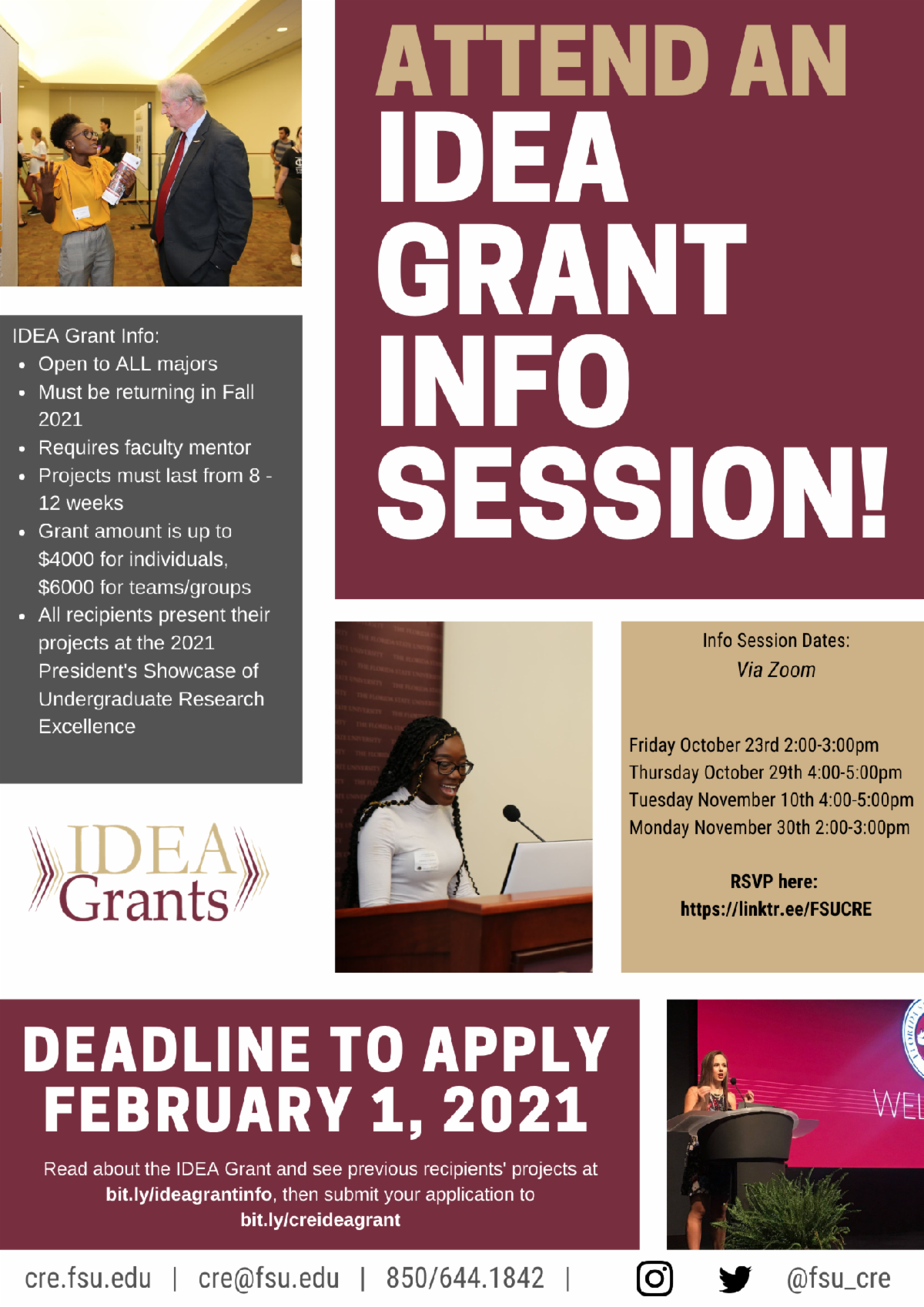
IDEA Grant Information Sessions
Is there a creative endeavor you want to undertake, or an original research project you would like to conduct? Do you want to develop or evaluate a product idea, entrepreneurial venture, or a service initiative? IDEA grants fund research, creative projects, and the development or evaluation of new or existing ideas. This is your chance to flex your creative muscles, innovate, and explore.
The following IDEA Grant Information Sessions will give students a better understanding of how to approach, prepare for, and apply for an IDEA Grant. The IDEA Grant deadline is February 1st, 2021, though it is never too early to begin your application! T he October 29th Session will be specifically tailored to the Humanities and the Creative Arts!
Zoom Meeting Links:
NOTE: The session on November 10th will be geared towards innovation and entrepreneurial projects.
FSU undergraduate students in all majors can apply for an FSU IDEA Grant (formerly URCAA, MRCE, PRSF). Selected applicants will receive a summer stipend of up to $2,000 (or up to $3,000 for groups) to fund their self-designed work on a topic, project, problem, artistic product or performance, or other entrepreneurial or creative idea. Projects must last 8-12 weeks and be under the mentorship of a supervising faculty member. The project does not need to be tied to a student’s major or minor, but it should be guided by a student’s academic goals and future plans. Funds may be used for living expenses, materials, lost income from not working during summer, and/or travel. Projects must be culminated in oral, poster, or creative presentation at the annual President's Showcase of Undergraduate Research Excellence.
|
|
|
|
HOW TO ADVOCATE FOR THE HUMANITIES ARTS |
|
|
The Americans for the Arts Website is filled with resources on how you can advocate, promote, and support the humanities and the arts, particularly during COVID. From their website:
"Whether you’ve participated before or want to get involved for the first time, we have lots of ideas to help you celebrate. Here are some easy ways to promote National Arts & Humanities Month in your community this October—and check our Resources page for even more ideas."
Click the link below to access these resources and to advocate for the humanities and the arts!
|
|
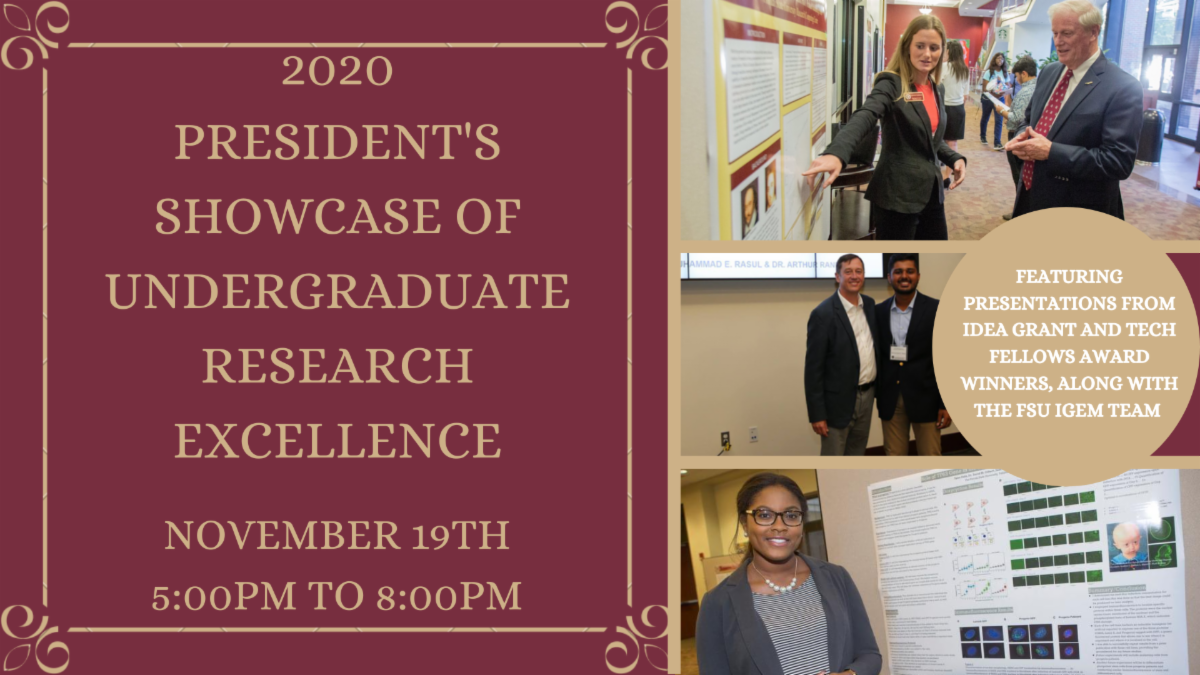
2020 President's Showcase of Undergraduate Research Excellence
On Thursday, November 19, 2020, the Center for Undergraduate Research and Academic Engagement (CRE) will be hosting the 2020 President's Showcase of Undergraduate Research Excellence via Zoom! This event is a showcase of the research that CRE's IDEA Grant winners and Tech Fellows participants conducted over the summer. There will be many projects at this event from the humanities and the arts disciplines, so if you are interested in learning more about what those projects look like--and to get inspiration for your own project--please come to this event!
In addition, the FSU iGEM Team will be presenting their project results. A digital program, including presenter biographies and abstracts, is forthcoming.
Please reach out to Dave Montez, Associate Director at CRE, with any questions at dmontez@fsu.edu.
|
|
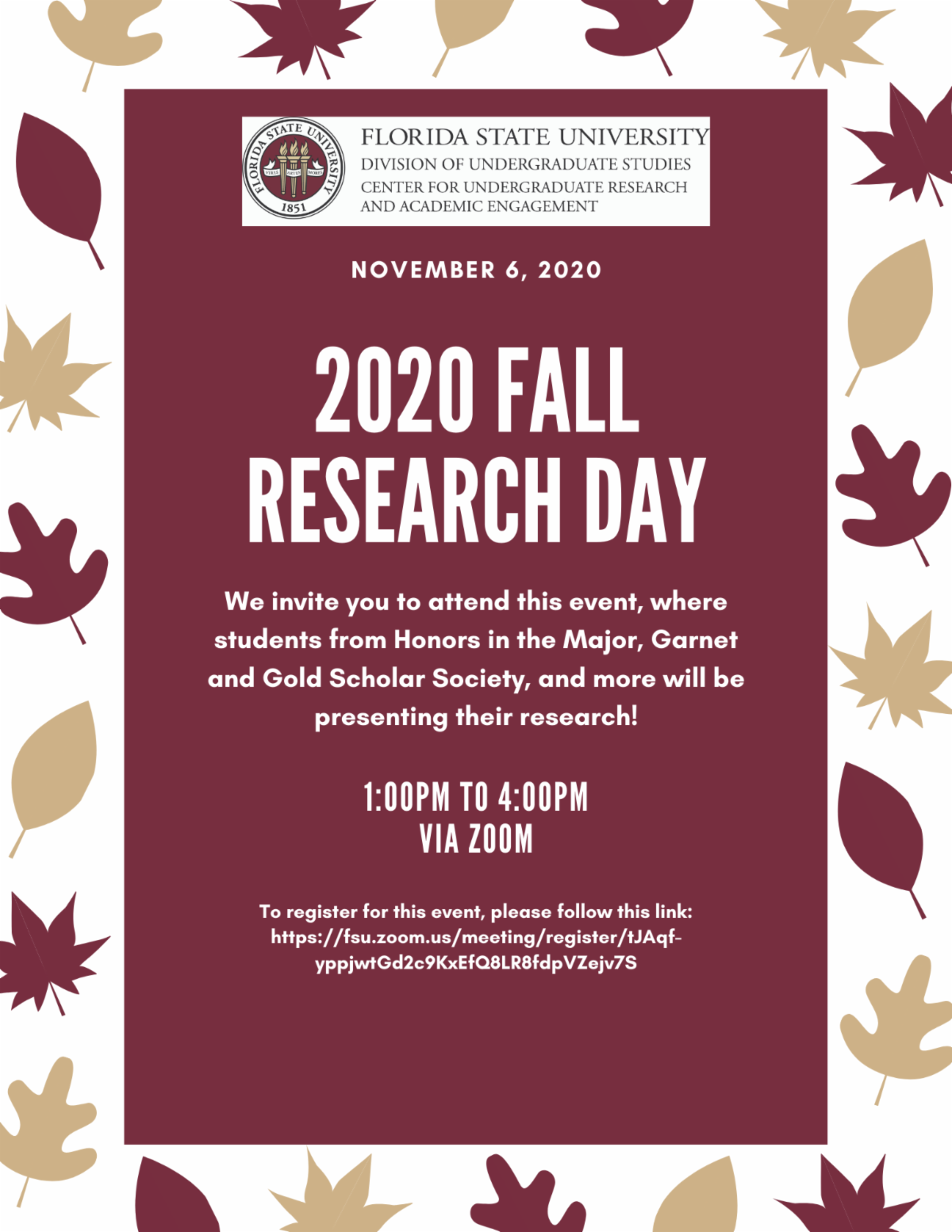
2020 Fall Research Day
On Friday, November 6, 2020, the Center for Undergraduate Research and Academic Engagement (CRE) will be hosting the 2020 Fall Research Day! This is an opportunity for undergraduate researchers to gain presentation experience in presenting their research work. Students graduating in Fall 2020, Honors in the Major students looking to present their thesis work, and Garnet and Gold Scholar Society applicants who have selected research as one of their three engagement areas should apply to present at Fall Research Day. We welcome applications from all majors, including Humanities and Creative/Performing/Fine Arts, Social Sciences, STEM, and other disciplines. You can RSVP for this event via Facebook here: https://www.facebook.com/events/381078772888359.
|
|
Get To Know Team CRE Event!
On Thursday October 22nd at 1:30pm, Team CRE is hosting an event via Zoom that offers an opportunity to get to know Team CRE! This will be a casual conversation, and everyone is invited to attend to learn more about the team, what CRE can do for you, and more!
|
|
Apply to be an UROP Leader!
If you're already involved in undergraduate research and want to help impact the next group of undergraduate researchers here at FSU, you should apply to be an Undergraduate Research Opportunity Program (UROP) Leader!
Undergraduate Research Opportunity Program (UROP) Leader applications for the 2021-2022 school year are open! This is a great opportunity if you are interested in gaining teaching experience while positively impacting UROP students’ research journeys at FSU. UROP Leaders are responsible for teaching the new UROP students about the process of research, preparing them for their research assistantship and poster presentation at the Undergraduate Research Symposium. We are particularly looking for UROP Leaders who have had experience conducting research in the humanities and creative arts.
Note: any rising 2nd or 3rd year student who has research experience can apply to become a UROP Leader!
Apply here: http://bit.ly/CREAPPLY. Applications to apply to be a UROP Leader are due October 12, 2020 at 11:59pm. |
|
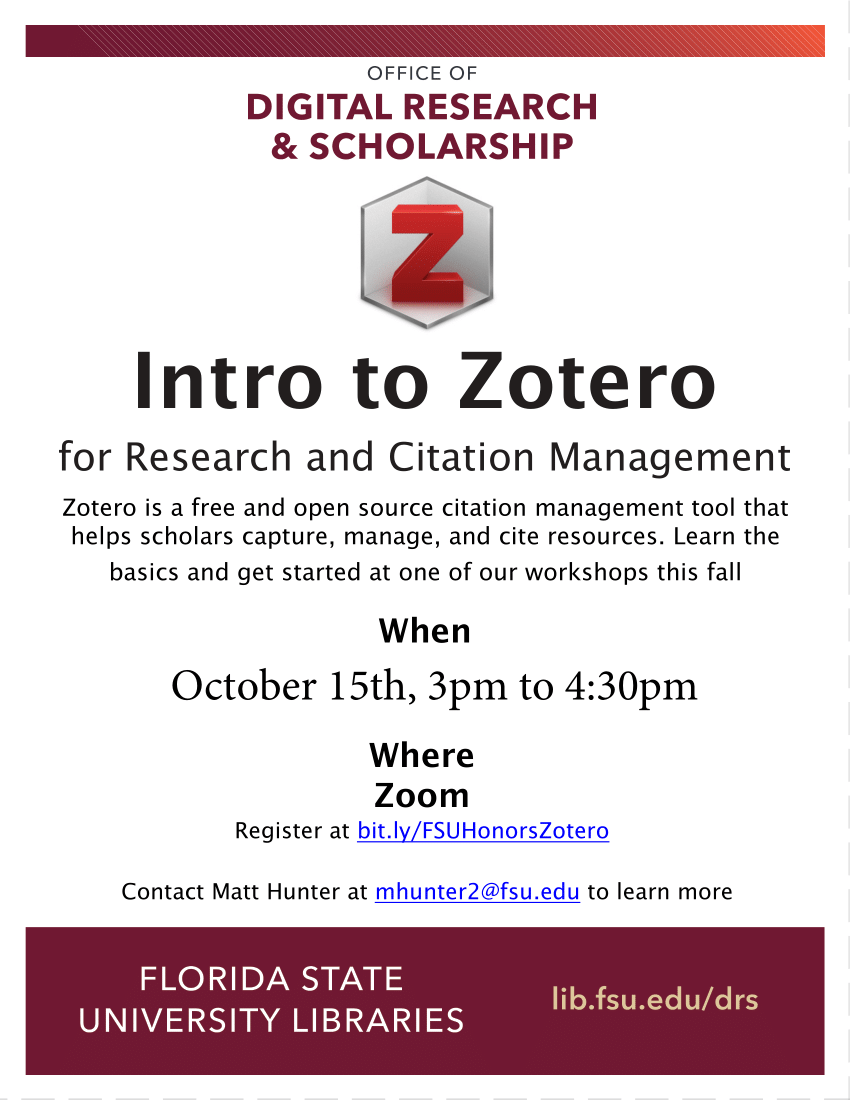
Intro to Zotero for Citation Management
Thursday, October 15, 3 pm Eastern
Make your research process more effective with Zotero - a free, easy-to-use tool to help you collect, organize, cite, and share your research and bibliographies! With features that include one-click online citation capture and instant bibliographic creation, Zotero will streamline your research process so you focus on your work, not reference formatting. Led by a FSU librarian, this workshop will walk participants through installation, basic organizational strategies, adding citations to your Zotero library, creating a bibliography, and using the Microsoft Word and Google Docs plug-ins to easily insert citations from Zotero into your documents.
This session will be delivered remotely through Zoom, and participants will need to register at bit.ly/FSUHonorsZotero to attend. A personal computer is recommended for participants to follow along with hands-on installation and examples, but not required.
|
|
Alumni Speaker Series Virtual Q&A featuring Alexa Kelly '16 – Oct. 14th at 2:00pm
Topic: Balancing entrepreneurship and graduate school
Student Moderator: Ashley Crisafulli
After receiving a B.S. in Anthropology from Florida State University in 2016, Alexa entered graduate school at the University of North Texas Health Science Center. She is currently a 4th year Ph.D. candidate in Biomedical sciences and her current research focuses on climatic adaptation and human evolutionary anatomy. Specifically, her dissertation project investigates the extent to which human nasal anatomy is shaped by environmental (heat, humidity, cold) and metabolic (body size, metabolic demand) forces. In addition to being a full-time doctoral student, Alexa is an entrepreneur. She owns Periwink'd Vintage, a Texas-based small business selling women's vintage clothing. Alexa has a passion for fashion and continues to grow her small business, but her primary career ambition is to become a university professor and contribute innovative research to the study of human evolution.
|
|
Alumni Speaker Series Virtual Q&A featuring Chris Land '11 - Oct. 26th at 3:00pm
Topic: Cryptocurrency, bitcoin, banking & tech, financial services, law school, public service/government careers
Chris is General Counsel of the Wyoming Division of Banking, where he oversees the implementation of Wyoming's highly-regarded blockchain and digital asset laws, as well as supervision of Wyoming's growing financial services industry more broadly. Chris was the primary drafter of the thirteen bills adopted by Wyoming in 2018-19 which set forth a detailed framework for the legal status of digital assets, digital asset custody and the creation of Wyoming's new special purpose depository institution bank charter. In his career to this date, Chris has previously worked for the U.S. House Committee on Ways and Means, the British House of Commons and the Florida Executive Office of the Governor. Chris was also recently a Research Fellow at the Northwestern University Pritzker School of Law. Additionally, this year Chris was named as a distinguished young alumnus of Florida State University. Chris is a native of Panama City, Florida and holds a B.S. from Florida State University, a LL.M. in Legislation from the Institute of Advanced Legal Studies, University of London and a J.D. from the University of Minnesota Law School.
|
|
Alumni Speaker Series Virtual Q&A featuring Ciara Bennese '18 – Nov. 12th at 5:00pm
Topic: Starting a career in refugee resettlement or social service nonprofits.
Student Moderator: Ainsley Coty
Ciara Bennese is a 2018 alumna of FSU's College of Social Sciences and Public Policy with a B.S. in International Affairs, Political Science, and Spanish language. She currently lives in Washington, DC and works for the United States Conference of Catholic Bishops (USCCB), one of the United States' nine refugee resettlement agencies, in the Migration & Refugee Services department. As a Program Associate, she helps implement the Reception & Placement (R&P) and Match Grant (MG) programs in over forty offices nationwide through grants administered by the Department of State and the Department of Human and Health Services, respectively.
Additionally, Ciara is entering her second year as the Legislative Coordinator for DC with Amnesty International USA where she specializes in legislative advocacy on migrant/refugee rights and gun violence. Presently, Ciara is working on revising her undergraduate thesis from FSU's Global Citizen Certificate Program on refugee cultural integration and expects to publish these findings in 2021.
|
|
The Office of Research Development will be hosting two virtual Collaborative Collision events this fall. These events provide an opportunity to connect faculty with complementary interests, expertise, and resources, and launch new collaborative research programs that are well positioned to make breakthrough discoveries and compete for external funding.
Collaborative Collision: Anti-Racism, Equity, and Inclusion aims to provide space and time for members of the campus community to highlight their AEI-related research and provide opportunities for future collaborations across disciplines. In addition to the exchange of ideas we hope that highlighting AEI-research will lead to a greater understanding of the need to pursue and support research that is innovative, compelling, and can provide informed direction to practices and policies that are rooted in social justice. This event is co-sponsored by the President’s Council on Diversity and Inclusion, and will be held on Thursday, October 15th from 3-5pm. As we find ourselves at a “diversity” crossroads in our nation’s history, now more than ever is a time when we can utilize research as a means of contributing to a better more equitable society.
Collaborative Collision: Science, Technology, and Society focuses on research related to how science and technology are influenced by societal factors, and how society is in turn affected by developments and progress in science and technology. As part of a larger strategic initiative to explore creation of an academic program in this space, we especially invite faculty with an interest in research and/or teaching at the intersection of ethics, equity, governance, and policy issues related to science and technology. We also welcome researchers with an interest in further exploring the societal impact of their research, and connecting with practitioners and partners to enhance broader impacts programs. This event will be held on Wednesday, December 2nd from 3-5pm.
If you have any questions, please contact Mike Mitchell in the Office of Research Development.
|
|
Amber Hedquist
IDEA Grant Recipient, UROP Student
Amber has been featured by CRE before; however, we wanted to share that she was featured as an September FSU Student Star! Her humanities project was featured in the her Student Star article article here:
"Houck’s class inspired her to assess pragmatic applications of rhetoric in government and beyond that led her to pursue her research by applying for an IDEA Grant from the Center for Undergraduate Research and Academic Engagement (CRE). This past summer, Hedquist received the Scott and Ina McNichols Undergraduate Research Award of $4,000 for her research project focused on spatial rhetoric.
She will present the findings at the President’s Showcase in November and will use them to inform her undergraduate thesis to be defended in March. She is currently working on her thesis as a student within the Honors in the Major Program here at FSU.
Her project will contribute to the growing literature on spatial rhetoric and provide insight on the individual and institutional perceptions in the Tallahassee community.
“What spatial rhetoric does is it looks at a physical space or entity with regard to theories of the public sphere and other considerations to understand how it affects perceptions and actions,” Hedquist said. “It shares a lot of similarities with visual rhetoric — what we see, how we feel about it and how that affects how we carry ourselves and how we interact with people.”
With the mentorship of Taraz Samra Graban, an associate professor within the Department of English at FSU, Hedquist is analyzing the railroad system in Tallahassee and how that affects, reflects and provides commentary on the surrounding community.
“I am really excited to contribute to this somewhat evolving idea of spatial rhetoric and how space affects rhetoric studies as well as our general world view,” she said. “My project is situated primarily within discourse and how language, meaning and space overlap.”
Congratulations, Amber!
|
|
Florida State Anywhere
We are so excited to welcome you (or welcome you back) to the FSU community in Fall 2020! Though the fall semester will be different than usual, our commitment to you and your success is stronger than ever. As we navigate the changes COVID-19 has brought to our lives, we know you are making important decisions about what is best for you, your family, your academics, and your health this fall.
If you decide all remote/online courses and living off-campus is best for you, FSU is offering programs and services remotely this fall so you can connect with us from anywhere. Several resources on this site may be of interest to you.
If you are a new first-year or new transfer student, we are offering additional support if you are studying away from Tallahassee through Florida State Anywhere. Florida State Anywhere will help you connect to the FSU campus and community wherever you are.
To join Florida State Anywhere, please let us know your plans for the fall semester by August 10 by completing this short survey: https://fla.st/30zkKDW
|
|
Return to Student Life: Stay Healthy FSU
Florida State University's Division of Student Affairs understands the value of the outside-the-classroom experience and how important it is for our students. This document outlines plans to offer innovative, creative, and safe measures to foster engagement, community, and health and wellness during this unprecedented time.
|
|
|
|
CALL FOR STUDENT MODERATORS |
|
|
We are looking for students moderators for alumni speaker series virtual Q&A’s. Are you interested in moderating a virtual event? Let us know here: http://bit.ly/HSFStudentModerator
|
|
Submit Your Successes to HSF "Class Notes"
In a time where we could use a positive story, we invite you to share yours through our Class Notes submission! If anyone has exciting or positive news to share, Friends of HSF and the CRE will share them with our students, readers, and community.
|
|
|
|
IN HONOR OF DEAN KAREN LAUGHLIN |
|
|
With Dean Laughlin's passing, the university has set up two memorial funds to honor Dean Laughlin. These memorials include the newly established Karen L. Laughlin Scholars and a Stained Glass in the Honors, Scholars, and Fellows House. Please consider contributing if you are able to do so. Use the link below to access the memorial site. |
|
|
|
CRE VIRTUAL ADVISING
Please set up a meeting through Campus Connect, use the instructions on the “Getting Started” page, and we will respond to you with a link to a Zoom appointment.
|
|
|
|
|
CRE Spotlights wants to feature your news! |
We are constantly amazed by what our current students and alumni are working on, so share your success stories with us to be featured in our monthly newsletter and weekly social media posts. Fill out this form to share your news! |
|
|
|
Engaging students in research, innovation, and scholarship is the hallmark of a great research university. Through this engagement, students become better thinkers, innovators, and problem solvers, cultivating a depth of understanding needed to make a positive difference in the world. |
|
|
|
|
|
|