Professional News, Events, Highlights - November 17, 2026
Assistive Device Guide, Neuropathic Pain, STAAR 2027, and Field Care for Active Dogs.
| |
TOP STORY
Hind-End Weakness: Matching the Device to the Deficit
| | | | Prefer to listen? In this PetAbility Podcast, canine physical therapist Dr. Caroline Adrian discusses pelvic-limb orthoses, patient selection, fit, follow-up, and the role rehabilitation plays alongside bracing. [ LISTEN TO THE PODCAST ] | |
IN CASE YOU MISSED IT - CLINICAL PERSPECTIVE
When Pain Doesn't Look Like Pain
| |
CLINICAL TOOLBOX
Are You Measuring Pain or Just Asking if it's Better?
| | |
AAHA Pain Management Guidelines
A patient's comfort may be improving, but can you demonstrate meaningful functional change?
The AAHA Pain Management Guidelines provide an evidence-informed approach to assessing, treating, and reassessing pain in dogs and cats, including standardized tools to help clinicians monitor patient progress. For rehabilitation professionals, these tools can help make follow-up visits more objective and conversations with owners more productive.
| |
PROFESSIONAL SPOTLIGHT
Laurie Edge-Hughes: A Career Dedicated to Canine Rehab
| | | | |
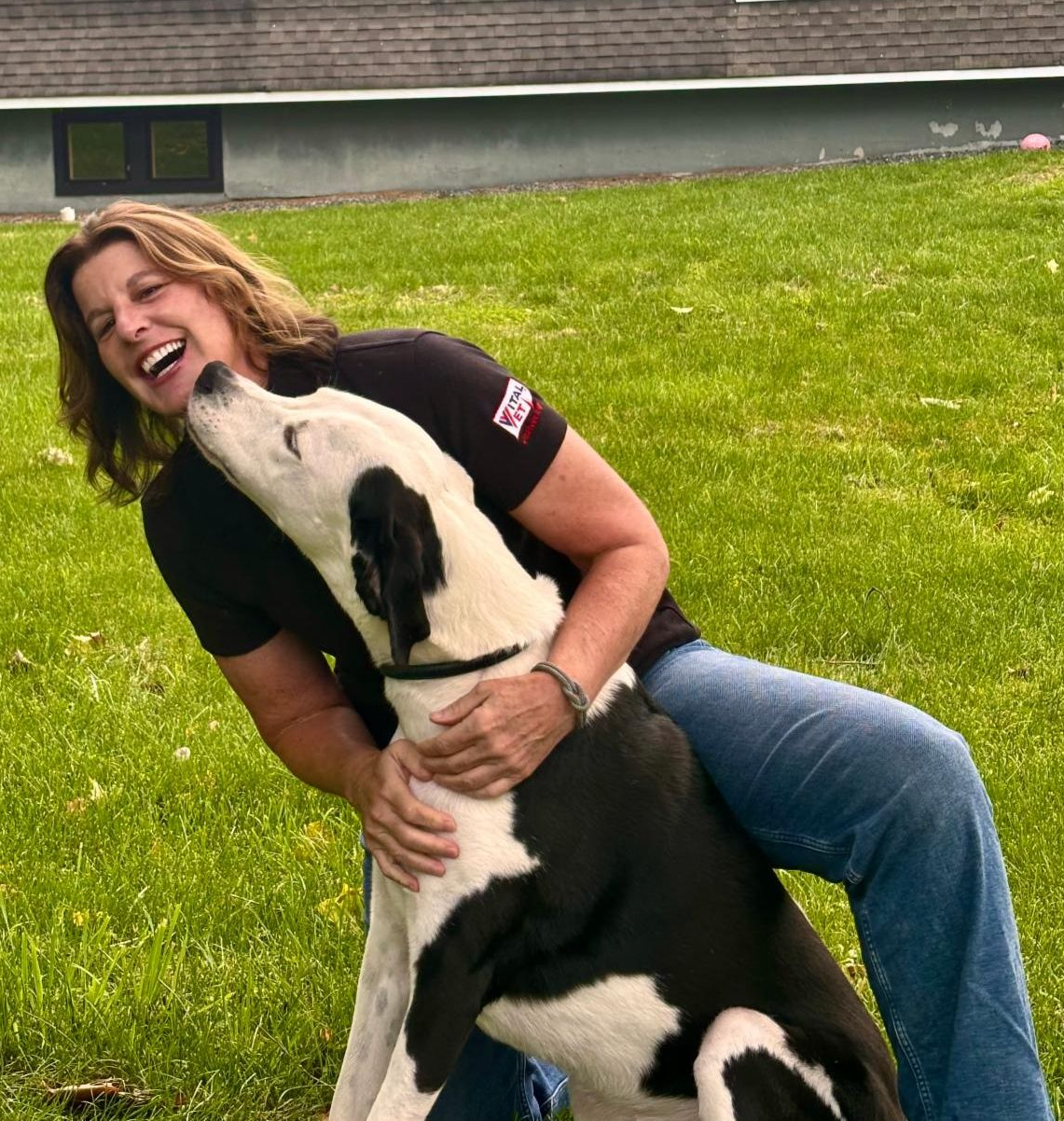
Laurie Edge-Hughes Has Spent Decades Combining Canine Rehabilitation Practice and Professional Education
Through her Four Leg educational platform, Laurie offers articles, videos, and continuing education resources for rehabilitation professionals.
We're thrilled to welcome Laurie to STAAR Canine 2027, where she'll lead several hands-on labs exploring various techniques and practical foundations for canine rehabilitation.
| | LAURIE'S STAAR CANINE LABS | | |
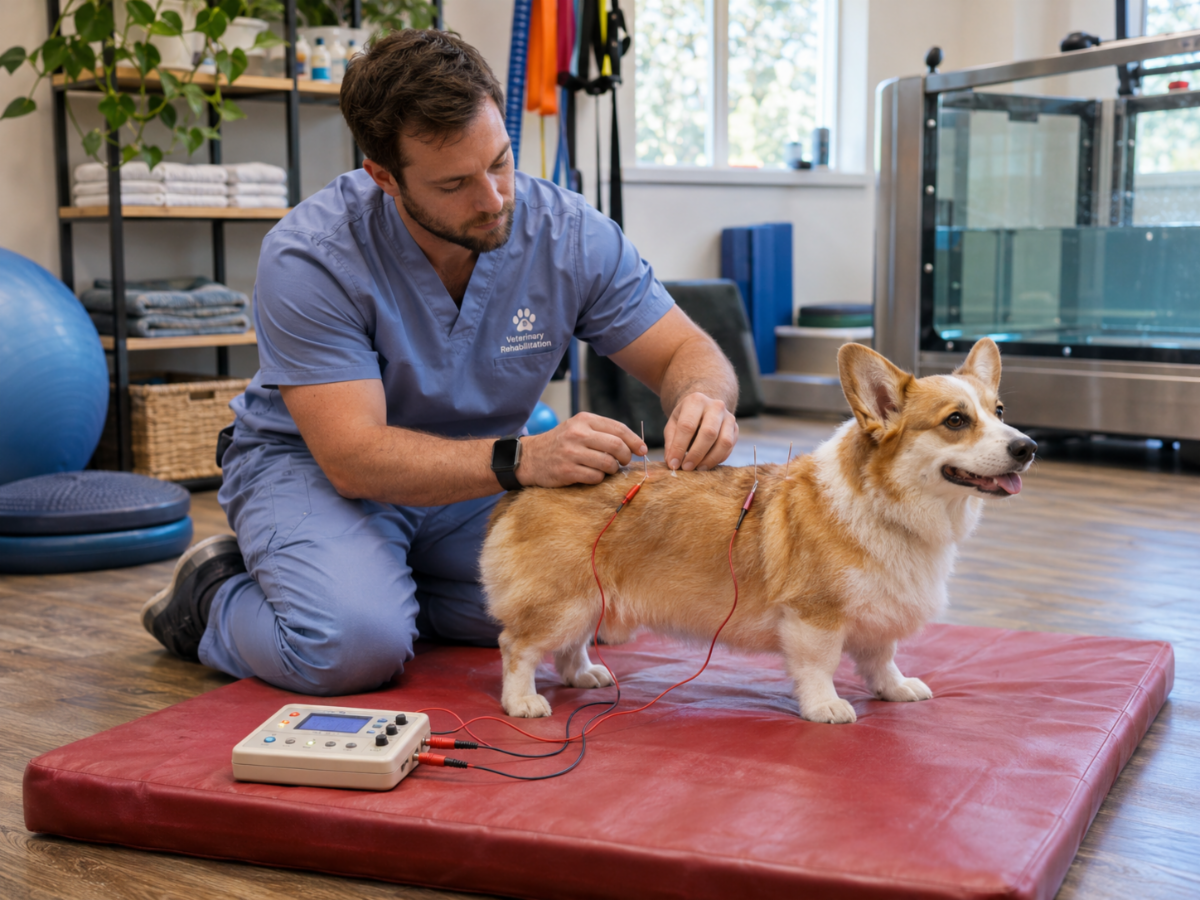
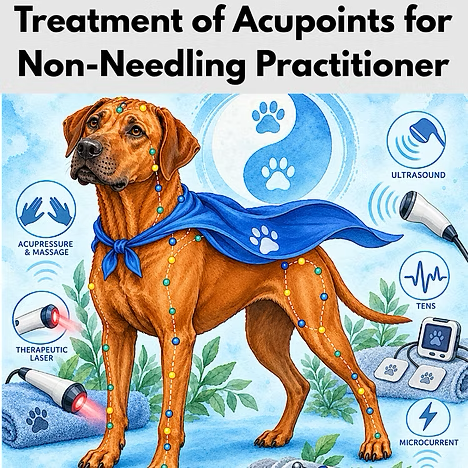
Acupoints Without Needles: Where Do You Start?
Laurie introduces an anatomical approach to acupoints, with practice using massage, laser, ultrasound, TENS, and microcurrent.
| | |
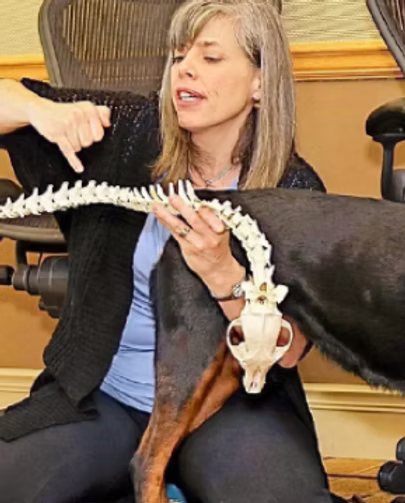
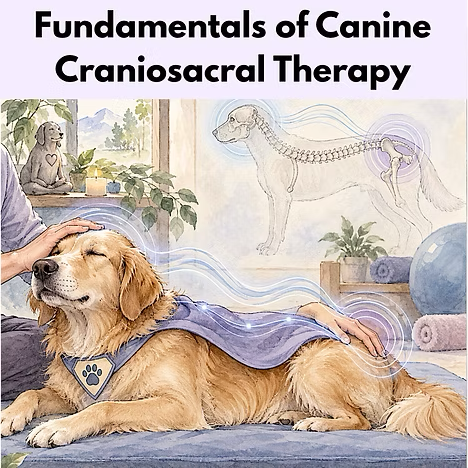
Craniosacral Therapy: A Different Approach to Palpation
Laurie introduces craniosacral treatment concepts, indications, and palpation, followed by guided practice and a treatment sequence.
| |
STAAR CONFERENCE NEWS
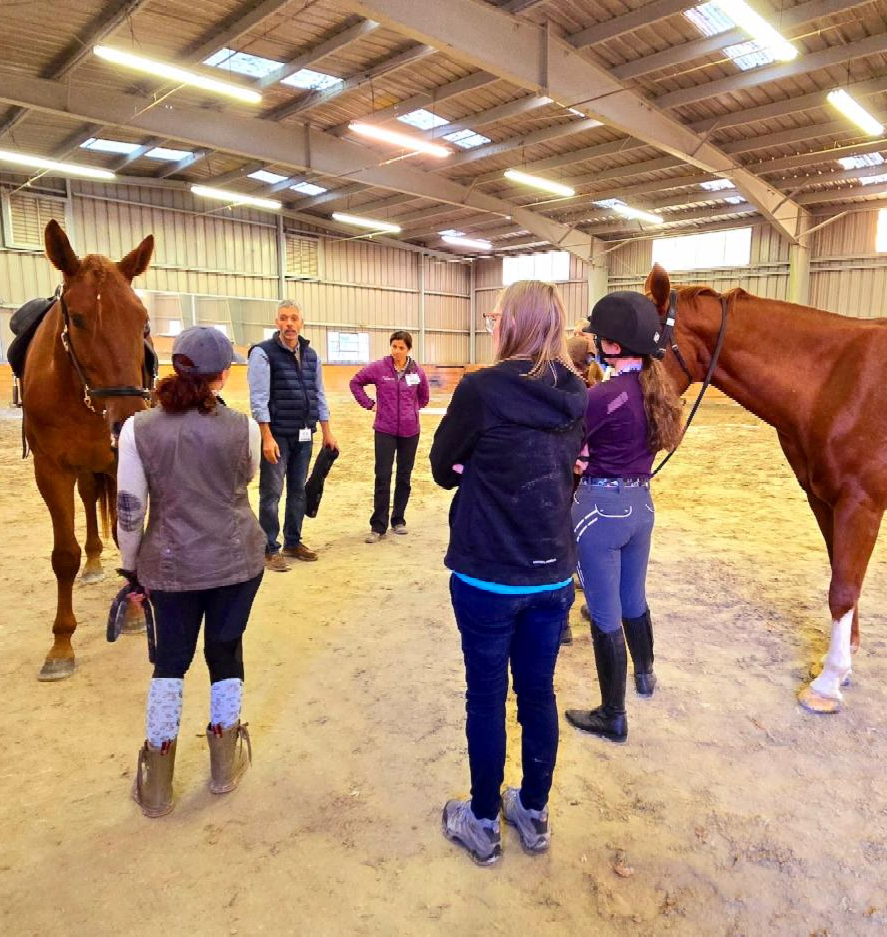
A Look Back at STAAR Equine and What's Next
| |
FEATURED PROFESSIONAL RESOURCE
Beyond the Clinic: Is Your Canine Athlete Ready for the Field?
| | FROM ILARIA'S DESK
A Look Beyond the Obvious | | |
One of the things I value most about rehabilitation is that good clinical reasoning often begins with something small: how a dog stands, where a limb loses control, or what changes when support is added or removed.
These details remind us that effective treatment begins with careful observation, sound clinical reasoning, and a willingness to keep learning.
My hope is that each Vital Vet newsletter gives you at least one new idea, resource, or perspective you can bring into your practice.
Keep asking questions. Keep looking closer.
Best, Ilaria
| |  | | | |
KNOW A COLLEAGUE WHO MAY BENEFIT?
Forward this issue and help us share practical, evidence-informed resources with more veterinary professionals.
NEW TO VITAL VET?
Subscribe for expert guidance, product insights, and the latest research. Subscribe to Vital Vet
HAVE A GREAT PRODUCT, SERVICE, OR EDUCATIONAL OPPORTUNITY TO SHARE?
Reach a specialized and highly engaged audience. Contact us today to reserve your ad space
| | |
Everything Rehab, Physio, Mobility,
and Fitness for Animal Companions
| | | | |