|
Dear Friends of Simply Nourished,
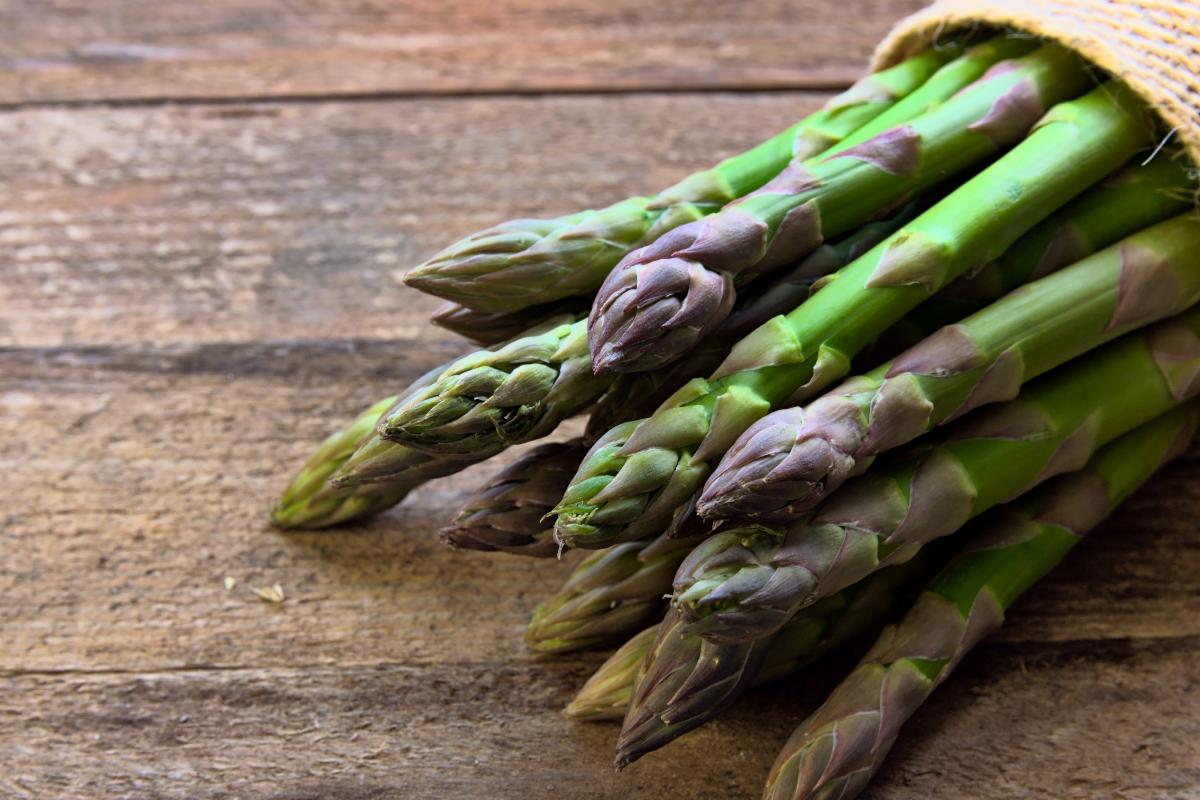
It’s growing season! Donny and I feel lucky to have lived in the fertile Hudson Valley region for the past 10 years (Donny much longer!). The area is known for its rich black soil — not unlike the famous black earth, or "chornozem", of Ukraine. This newsletter will be short and sweet, and I hope you enjoy the season’s first strawberries and asparagus as they become available!
Definitions:
USDA Organic
Certified organic produce is produced, handled, and processed according to strict USDA standards that focus on soil quality and pest control. Certified organic products avoid most synthetic pesticides, fertilizers, GMOs, and antibiotics. Farms and producers must undergo on-site inspections and verified compliance in order to display the official USDA Organic seal.
Conventional
Conventionally grown produce refers to fruits, vegetables, and crops cultivated using standard industrial farming methods. These methods often employ synthetic pesticides to control insects, diseases, and weeds. Chemical fertilizers are used to enhance soil nutrients and crop growth, and genetically modified organisms (GMOs) are used to maximize yields and efficiency. Conventional produce has lower production costs and greater year-round availability compared to organic produce.
Local
Many local farms use significantly fewer pesticides than large conventional operations, and often practice Integrated Pest Management (IPM), a more targeted and environmentally conscious approach to pest control. If you are able to support local farms and are fortunate enough to have them in your area, do!
Is Organic Produce Better for You?
One important distinction: a fruit or vegetable cannot be both certified organic and genetically modified. Research shows that organic produce can contain more antioxidants, some estimates as high as 70%. This means that it helps your body to fight free radicals, avoid cell damage, and chronic disease. The evidence also suggests that choosing organic and/or local produce can reduce exposure to certain pesticides and chemicals. Organic farming practices may also have environmental benefits, including improved soil health and a lower carbon footprint.
Helpful Resources
The Mayo Clinic offers an excellent overview of organic versus conventional foods:
https://connect.mayoclinic.org/blog/cancer-education-center/newsfeed-post/understanding-organic-and-conventional-foods/
Each year, the Environmental Working Group (EWG) publishes two lists. Although not without controversy from some toxicology groups, it is a great place to start:
Here is one more nice resource: https://www.healthline.com/nutrition/what-is-organic-food
As we begin this beautiful growing season that farmers and gardeners alike wait for all winter, I encourage you to enjoy what’s fresh and in season. If you are able to choose local and/or organic produce, it can help you to have a higher antioxidant intake, reduce exposure to pesticides, support local farms, and lessen environmental impact.
Many grocers now offer very cost effective and competitive organic produce as well! That said, the most important takeaway is simple: eat your fruits and vegetables. Whether organic, local, or conventional, produce is an essential part of a healthy diet (and we can tackle organic meat, dairy, and processed foods sometime soon).
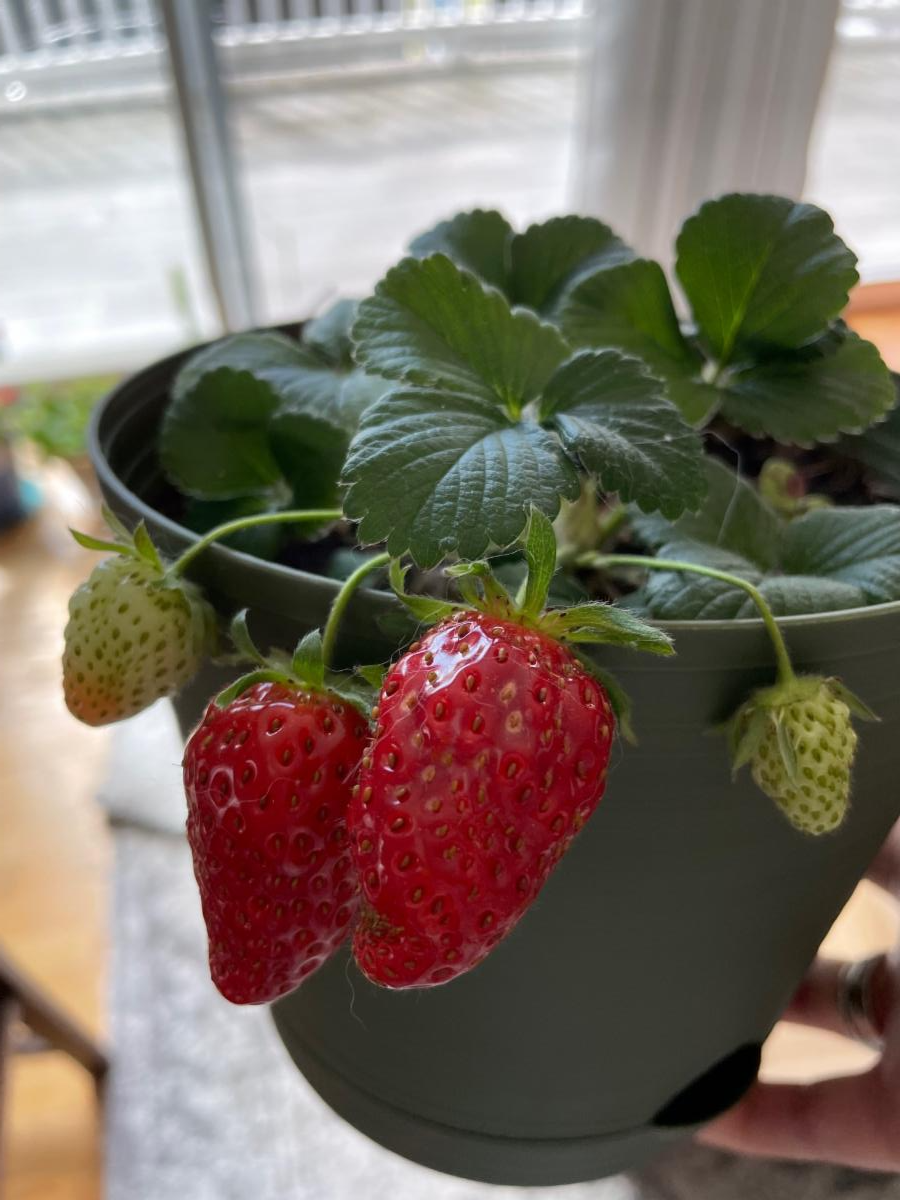
I’m sharing a photo of my tiny strawberries from last year, and am sending you some spring love.
In good health!
Maya
Maya Lew, MS, CNC
Nutritionist
http://www.simplynourishedllc.com
simplynourishedonline@gmail.com
(703) 568-4584
|