|
Departments of Medicine, Neurology, and Pediatrics
| | |
Dear Physician-Scientist Community,
Welcome to the quarterly newsletter of the Physician-Scientist Career Development Program (PSCDP)! Our program is focused on supporting scientific success and fulfillment amongst laboratory-based physician-scientists in the UCSF Departments of Medicine, Neurology, and Pediatrics.
PSCDP recently held a workshop focused on navigating the academic job market, for lab-based physician scientists. Many fellows and junior faculty across Medicine, Pediatrics and Neurology attended, with insightful questions about when and how to look for an independent faculty position, as well as how to look for the institution/department with the right fit for you. The event kicked off with a panel discussion, then the panelists and attendees split up into small groups to discuss nuts and bolts (cover letters, research statements, and seminars); finding a job with a partner; and negotiating the terms of your position (space, startup funds, protected time, teaching and service). Key take-home messages included considering institutions outside UCSF, keeping in mind during negotiations that departments are on the same side — they want you to succeed, the long-term value of "hard money" (some guaranteed funds towards your salary), and connecting with mentors as you put together your packet (CV, cover letter, research statement). Thanks to everyone who attended and to our panel for sharing their wisdom.
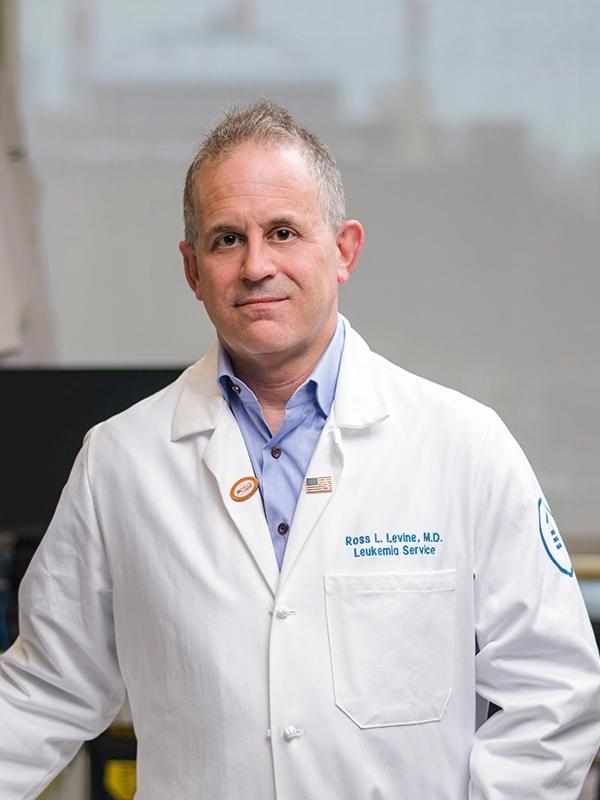
In future news, we look forward to hosting Dr. Ross Levine on December 1 for our annual Ramón y Cajal Lecture. Dr. Levine is Chief Scientific Officer of Memorial Sloan Kettering Cancer Center (MSKCC) and is an internationally recognized physician-scientist focused on understanding the genetic basis of myeloid malignancies. During his lecture, Dr. Levine will discuss his journey as a physician-scientist and offer his perspective on building a career that spans laboratory, translational research, mentorship, and scientific leadership. Please save the date and see below for more details on how to register for the talk and trainee lunch.
Finally, we want to offer warm congratulations to the eight (!!!) K (and one first-time R01)
awardees from Medicine, Neurology and Pediatrics highlighted in this newsletter. In a year of great turmoil in federal funding, this is an amazing accomplishment! Please see below for more about their projects. Great job, all!
Sincerely,
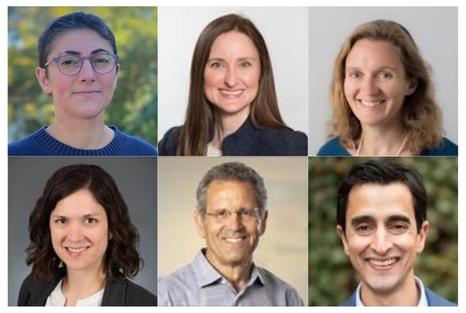
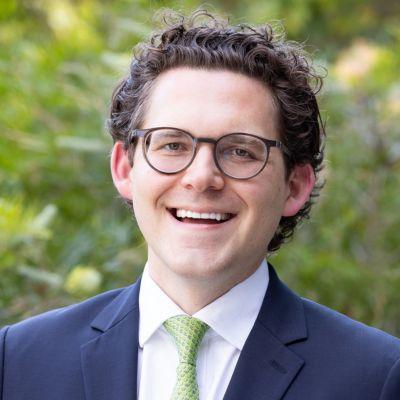
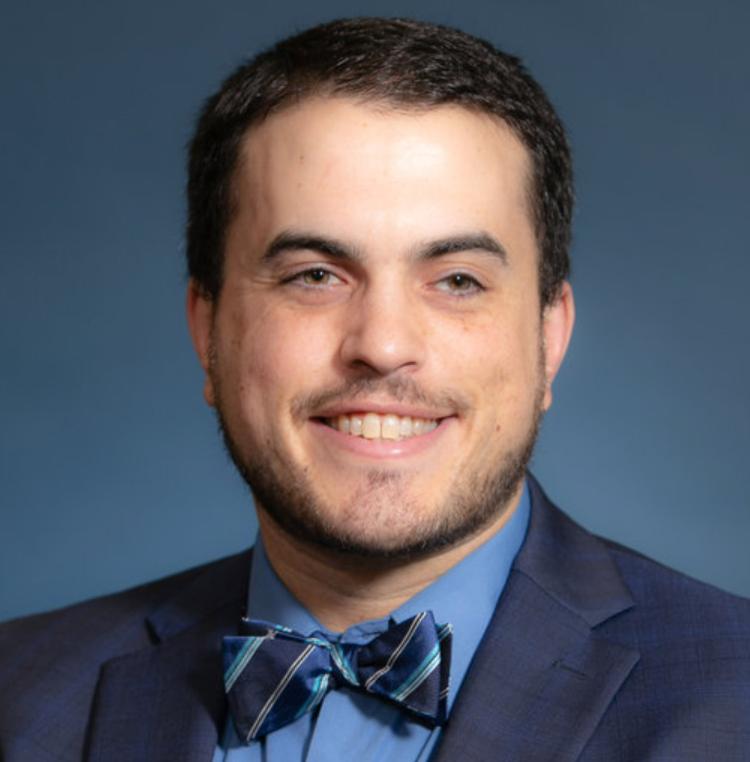
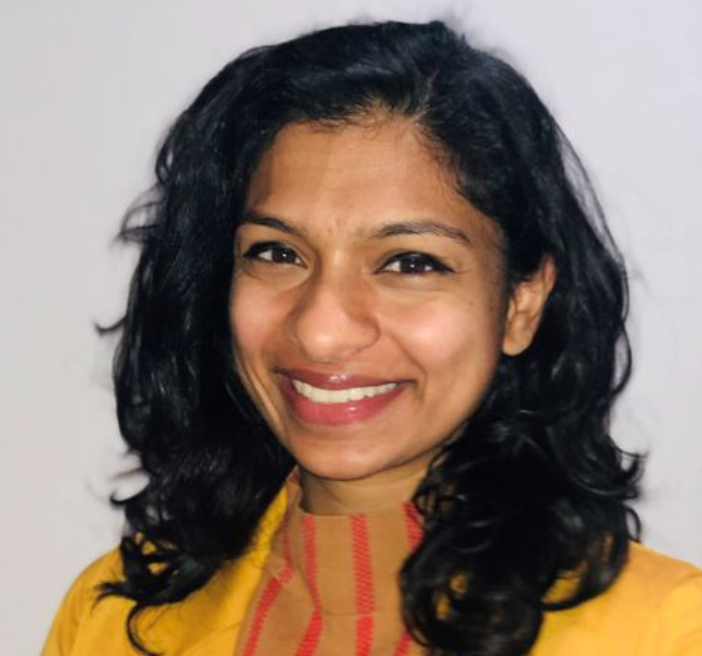
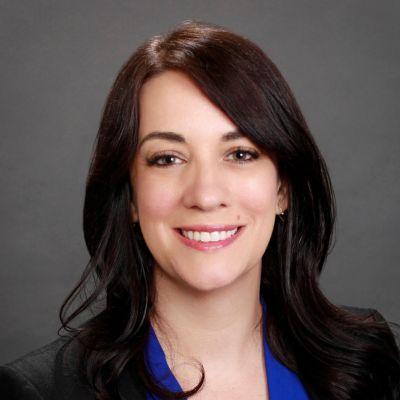
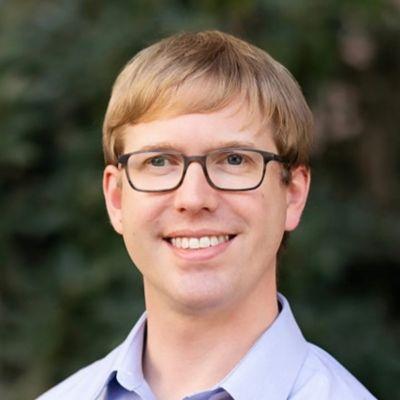
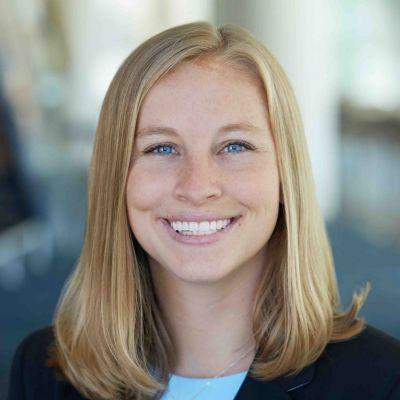
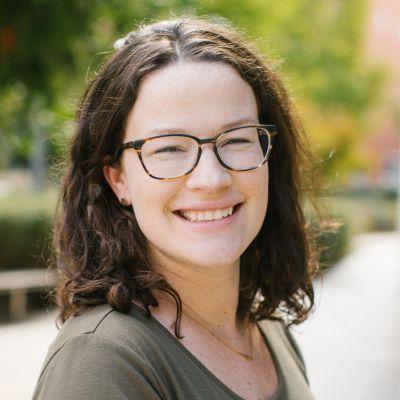
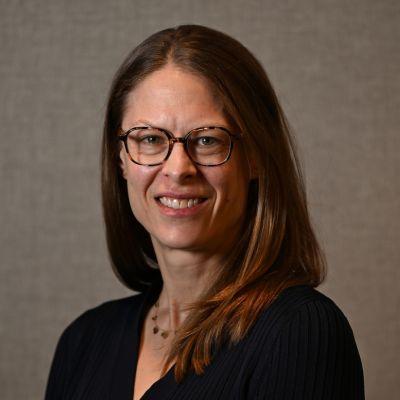
Alexandra, Cathy, Sanjeev, and Danielle
| | |
K Award Grant Writing Workshop
Are you planning, writing, or revising a K award application?
Please join us for an informal, in-person K workshop led by Drs. Rachel Rutishauser and Alison Nair, along with PSCDP leadership.
The workshop will provide an overview of the K08/K23 mechanisms and practical guidance, resources, and support for preparing or revising a competitive application.
Date: Tuesday, October 27, 2026
Time: 3:00-5:00 pm
Location: Mission Bay Campus
Please register using the button below.
| |
Ramón y Cajal Visiting Professor:
Dr. Ross Levine
We are excited to welcome Ross Levine, MD, as this year’s Ramón y Cajal Visiting Professor. Dr. Levine is Chief Scientific Officer of Memorial Sloan Kettering Cancer Center (MSKCC) and is an internationally recognized physician-scientist focused on understanding the genetic basis of myeloid malignancies.
During his visit to UCSF, Dr. Levine will give a special lecture and join PSCDP trainees for an informal small-group lunch.
Ramón y Cajal Lecture
The Ramón y Cajal Lecture features an inspirational physician-scientist sharing their career journey, including the experiences, challenges, and lessons that have shaped their path. Dr. Levine will offer his perspective on building a career that spans laboratory and translational research, mentorship, and scientific leadership.
Date: Tuesday, December 1, 2026
Time: 4:00-5:30 pm
Location: Mission Bay Campus, Rock Hall 102 (Pottruck Auditorium)
Please join us for Dr. Levine’s lecture, open to the broader UCSF community.
| | |
Trainee Lunch with Dr. Ross Levine
PSCDP trainees are also invited to join Dr. Levine for an informal small-group lunch. This will be an opportunity to connect with Dr. Levine and discuss career development, physician-scientist training, and his experiences in academic medicine and research.
Date: Tuesday, December 1, 2026
Time: 12:00-1:30 pm
Location: Mission Bay Campus
Space for the trainee lunch is limited. Please register separately if you are interested in attending. We will follow up with confirmed attendees with additional details.
| | |
PSSP Program
The UCSF Physician-Scientist Scholars Program (PSSP) was established in 2013 with the goal of providing financial resources, career guidance, and protected research time to facilitate the early career development of physician-scientists who have high potential to conduct transformative laboratory-based research to advance human health. It is funded by the Chancellor's office, and selects one Scholar per year, providing 5 years of funding (up to $250K/year) meant to support the transition to independence alongside space and startup funds from the home department. Please visit the PSSP website for more information about the program.
A call for nominations will be sent to departments soon. If you are interested in the program, we encourage you to speak with your Department/Division leadership, as they nominate individuals for PSSP. If you have questions about PSSP eligibility, please feel free to reach out to Alexandra (alexandra.nelson@ucsf.edu), who is the Director of PSSP.
| Meet our Fellows and Junior Faculty | | In this section, you will find interviews from our remarkable fellows and junior faculty from each of our participating departments. | | |
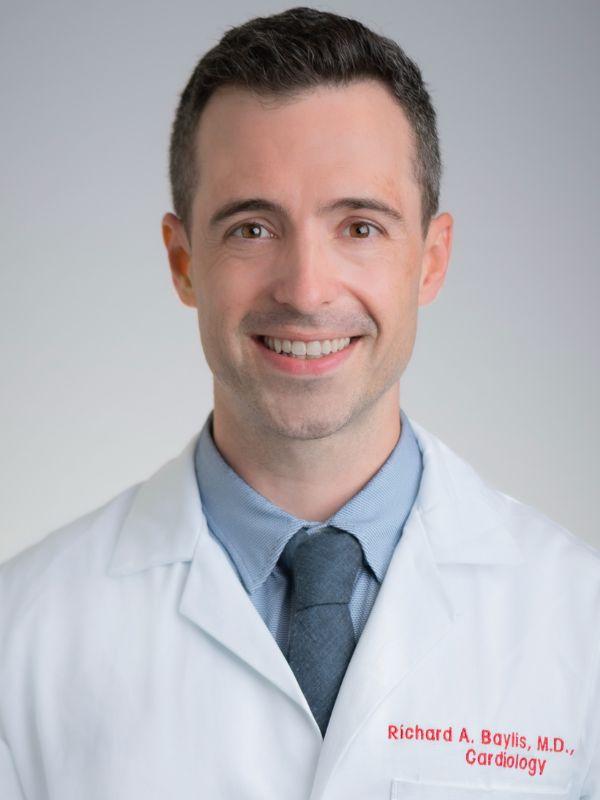
Richard (Ricky) Baylis, MD, PhD
Fellow
Department of Medicine
Division of Cardiology
| | |
What stage of training are you currently in?
Fourth year of fellowship (second year of post-doc in the Moslehi Lab)
Describe your laboratory research.
My research focuses on myocarditis, an immune-mediated inflammatory heart disease ranging from mild symptoms to catastrophic cardiovascular collapse, often treated with corticosteroids despite limited randomized trial evidence of benefit. Its rare occurrence following cancer immunotherapy, alongside fulminant myocarditis in mice lacking immune checkpoints, offers an opportunity to understand how immune tolerance protects the heart from T cell attack. During my postdoctoral training, we have identified disease-driving T cell epitopes in immune checkpoint inhibitor models, enabling us to develop a novel model of antigen-driven myocarditis toward my long-term goal of safer, more effective antigen-specific therapies.
What made you want to become a physician-scientist or choose your area of research?
During my PhD in vascular biology, I never would have imagined that my postdoctoral research would focus on T cells and cardiomyocytes. That changed when I cared for my first patient with myocarditis and confronted how little we could offer in response to their most basic questions: Why did this happen? Will it happen again? How can I prevent it? Those unanswered questions drew me to this field and continue to motivate my work as a physician-scientist. Every morning, I get to work alongside thoughtful, driven colleagues to better understand human biology, with the goal of turning that knowledge into better care for patients. I can’t imagine doing anything else.
Describe a major challenge you have encountered in your career as a physician-scientist.
The cost of day care in San Francisco has correlated with significant time spent in clinical moonlighting shifts.
Describe something that gives you joy in your current stage as a physician-scientist.
One of the greatest joys of this stage of my career is mentoring the next generation of scientists. I have worked with two outstanding Berkeley undergraduates and helped them establish independent projects in our lab. Watching them develop confidence and ownership of their work has been especially meaningful.
Do you have a recent accomplishment you would like to highlight?
Our lab’s work on the antigens driving myocarditis was recently recognized with a major international grant from the Leducq Foundation. This support brings together immunologists and biochemists to translate our understanding of these antigens into new therapies for patients with high-risk myocarditis.
Do you have a hobby or fun fact you want to share?
My wife, Molly Kelly-Goss—the far superior physician-scientist—gave me a New York Times Cooking flip calendar for Christmas last year. We’ve been slowly cooking our way through the recipes, experimenting with new ingredients and venturing in unexpected culinary directions. Who knew dill was such a versatile herb?
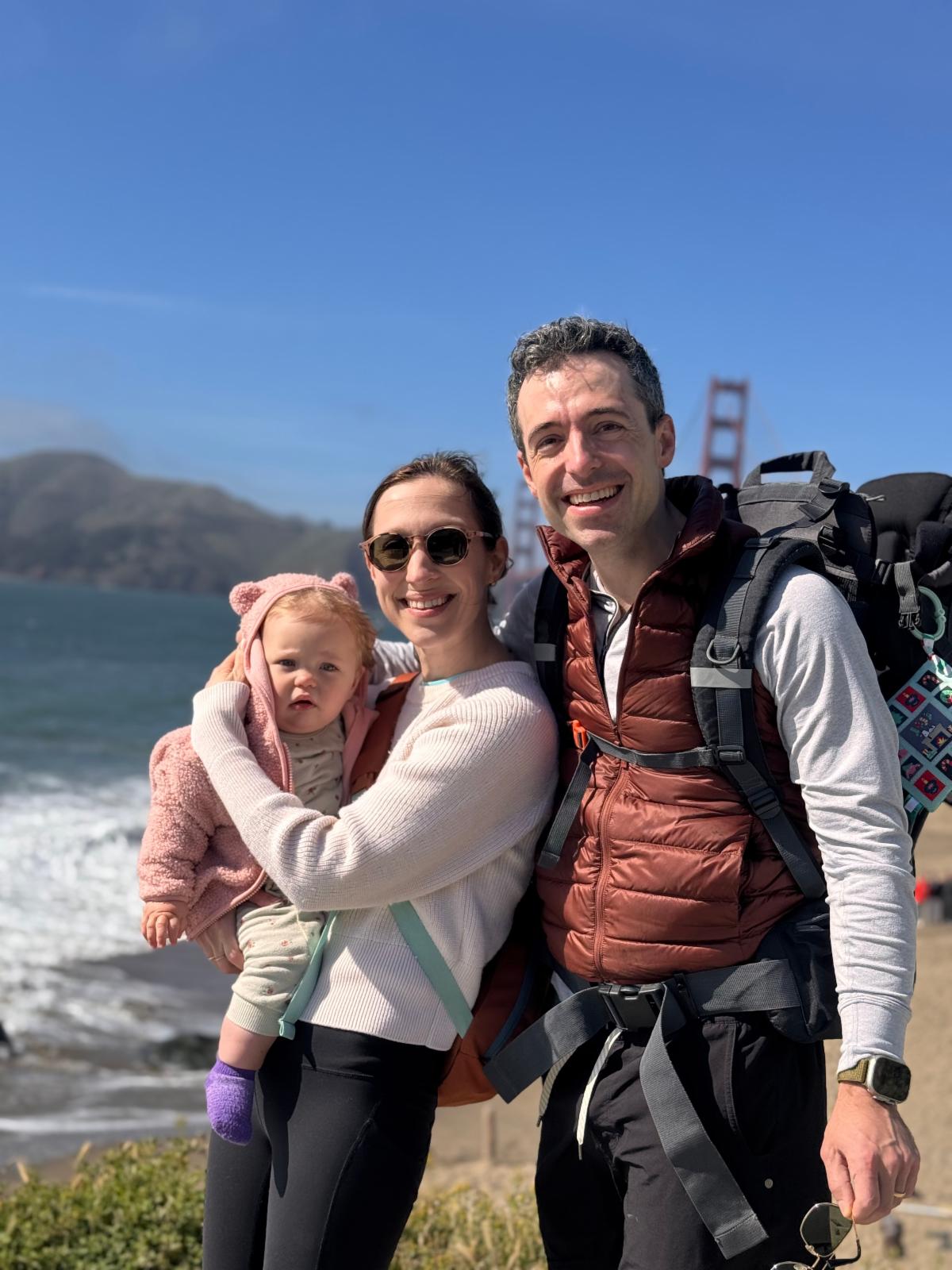
| | Pictured: Ricky and his familiy | | |
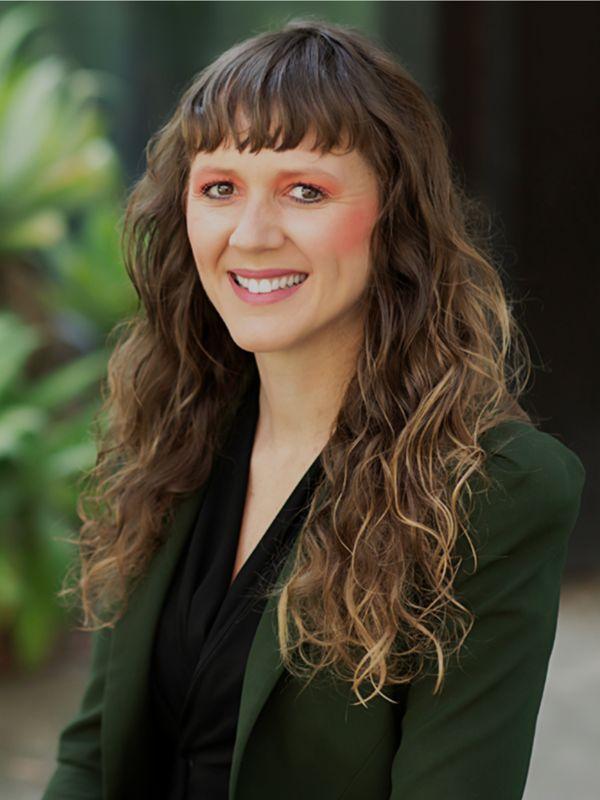
Jana Mike, MD, PhD
Assistant Professor
Department of Pediatrics
Division of Pediatric Critical Care
| | |
What stage of training are you currently in?
Junior Faculty
Describe your laboratory research.
I study mechanisms and treatments of neonatal hypoxic-ischemic brain injury in small and large animal models. I study efferocytosis and fibrosis to understand how inflammation and tissue repair influence recovery after brain injury. Ultimately, my goal is to translate these biological insights into therapies that can meaningfully improve outcomes for newborns with brain injury, as currently there are no effective therapies.
What made you want to become a physician-scientist or choose your area of research?
I grew up in Slovakia, where access to scientific information was very limited. We had essentially one popular magazine, and I remember that I loved a two-page science spread with pictures that would say something like, “American scientist discovered…” I think that early curiosity and my love of knowledge and learning ultimately led me to science, while medicine gave me the opportunity to connect that knowledge to real patients.
Describe a major challenge you have encountered in your career as a physician-scientist.
The challenge has been balancing my love for discovery with the desire to see that discovery actually reach patients. I love the process of understanding biology, but it can be frustrating to spend years developing an insight in a mouse model when what ultimately matters is whether we can translate it into something that changes the life of a child.
Describe something that gives you joy in your current stage as a physician-scientist.
I find a lot of joy in watching my colleagues do incredible things for one of the most underserved populations in research: children. Pediatric researchers are often trying to answer enormously complex questions with fewer patients and fewer resources, and those resources have recently become even tighter. Seeing the creativity, persistence, and commitment of people who continue to push the field forward despite those challenges is incredibly inspiring.
Do you have a recent accomplishment you would like to highlight?
I was honored to receive the 2025 Stroke Progress and Innovation Award from the American Heart Association for our work in neonatal brain injury. The award letter had a quote:
“Discovery consists in seeing what everyone else has seen and thinking what no one else has thought.”
— Albert Szent-Györgyi
I would go even further: put your creativity into infinite mode. Try, fail, learn, and try again. As Thomas Edison famously put it, “The light bulb was an invention with 1,000 steps.”
Do you have a hobby or fun fact you want to share?
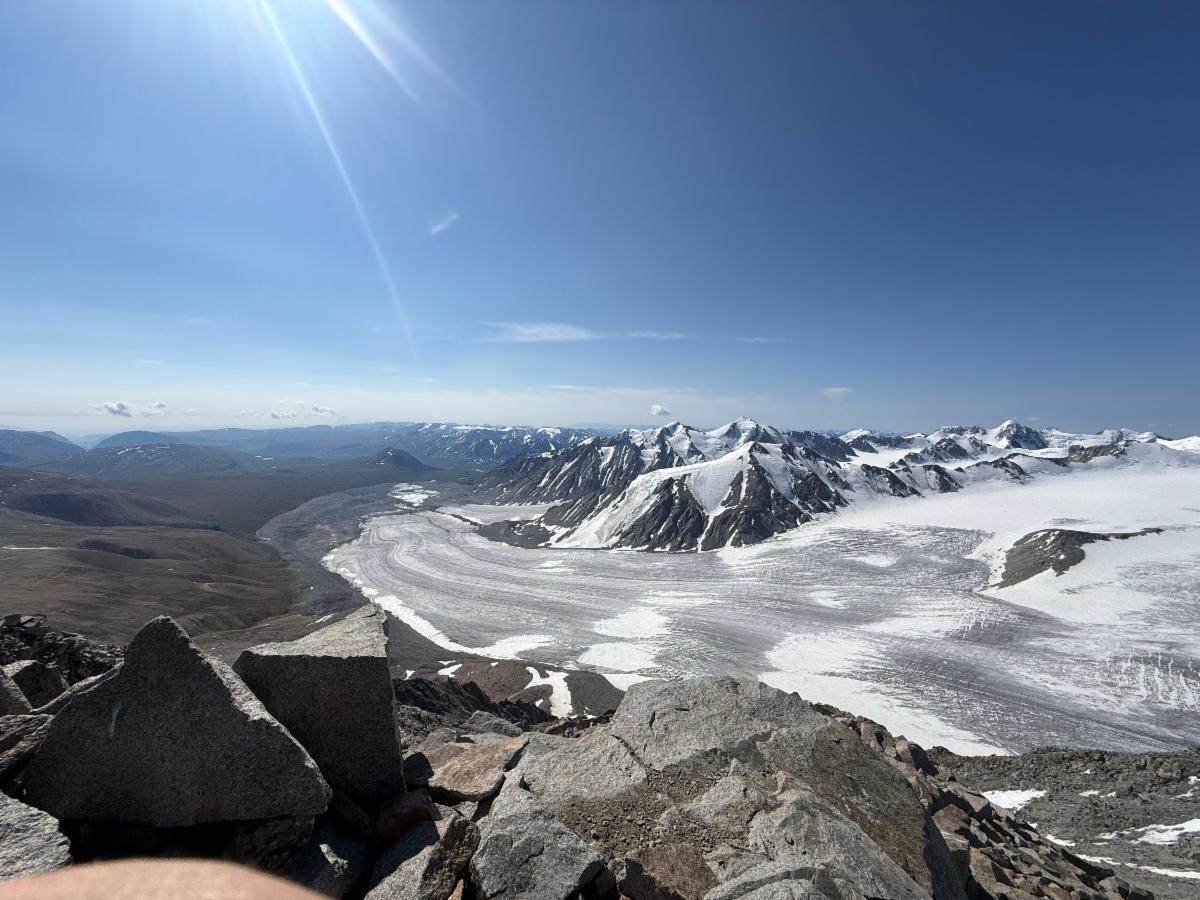
High-altitude climbing is one of my favorite hobbies. You learn a lot about physiology and your own psyche, but also about climate, people’s struggles, economies, healthcare, and how the world comes together in the most unexpected places. You realize that a smile, kindness, and love are universal languages. It is humbling, recalibrating, and incredibly powerful-it reminds me the perfection and power of the nature, how small we are, what truly matters, and, perhaps most importantly, what is worth fighting for. As mountaineer Nimsdai Purja says, “Giving up is not in the blood!" A fun fact: I also love decorating my apartment for every possible holiday- so at any given time, there is a reasonable chance that my home is celebrating something.
| | Pictured: Malchin Peak in Mongolia, at the border of Russia and China | | |
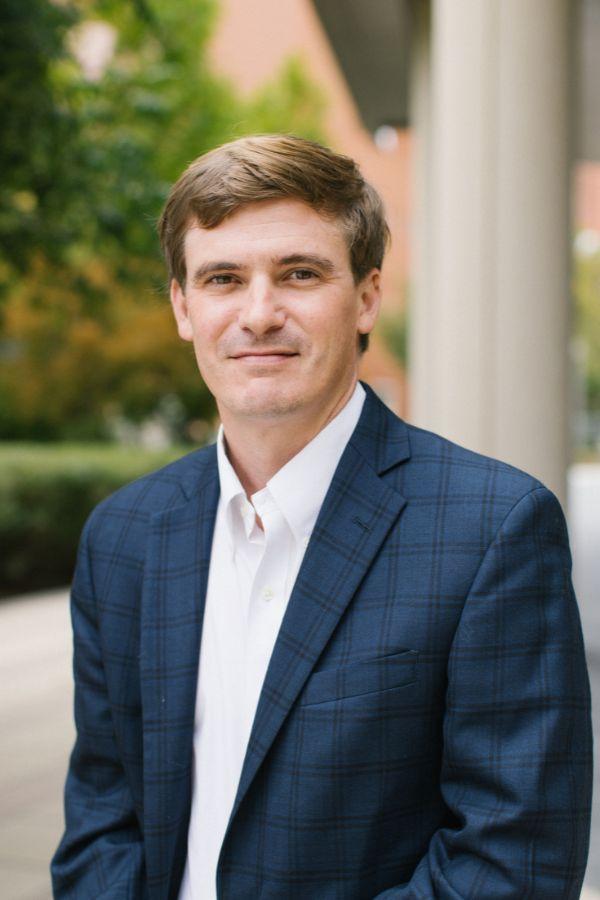
Carson Moseley, MD, PhD
Assistant Adjunct Professor
Department of Neurology
Division of Neuroimmunology and Glial Biology
| | |
What stage of training are you currently in?
Assistant Adjunct Professor of Neurology
Describe your laboratory research.
I am interested in the earliest immune events that lead to autoimmune diseases of the central nervous system. My focus is on how CD4+ T cells become activated and differentiate into disease-driving phenotypes, with a particular interest in the interactions between CD4+ T cells and B cells. I am currently studying these processes in MOG antibody-associated disease (MOGAD), a recently described neuroinflammatory disorder, with the goal of identifying therapeutic targets for MOGAD and related conditions.
What made you want to become a physician-scientist or choose your area of research?
I always wanted to be a physician, but during college I spent summers doing immunology research at St. Jude Children’s Research Hospital. I found research so exciting that I have been studying immunology ever since.
Describe a major challenge you've encountered in your career as a physician-scientist.
Balancing clinical training and a growing family has been one of the biggest challenges of my career.
Describe something that gives you joy in your current stage as a physician-scientist.
I see adults with MOGAD in our clinic and study the same disease in the lab. Having patient care directly inform our research—and research inform patient care—is incredibly rewarding.
Do you have a recent accomplishment you would like to highlight, like a presentation, award, publication, grant, or new collaboration?
We recently described CD4+ T cells that recognize homologous epitopes from both AQP4 and AQP5, a process that we named “Aquaporin self-antigen mimicry.” This mechanism may be part of the reason why people with Neuromyelitis Optica (NMO) frequently have concurrent Sjögren’s Disease.
https://www.neurology.org/doi/10.1212/NXI.0000000000200517
We were part of the largest multicenter study of IL-6 receptor-blocking therapies for relapse prevention in MOGAD. IL-6R blocking agents may soon be the first approved therapy for MOGAD.
https://jamanetwork.com/journals/jamaneurology/fullarticle/2851426
Do you have a hobby or fun fact you want to share?
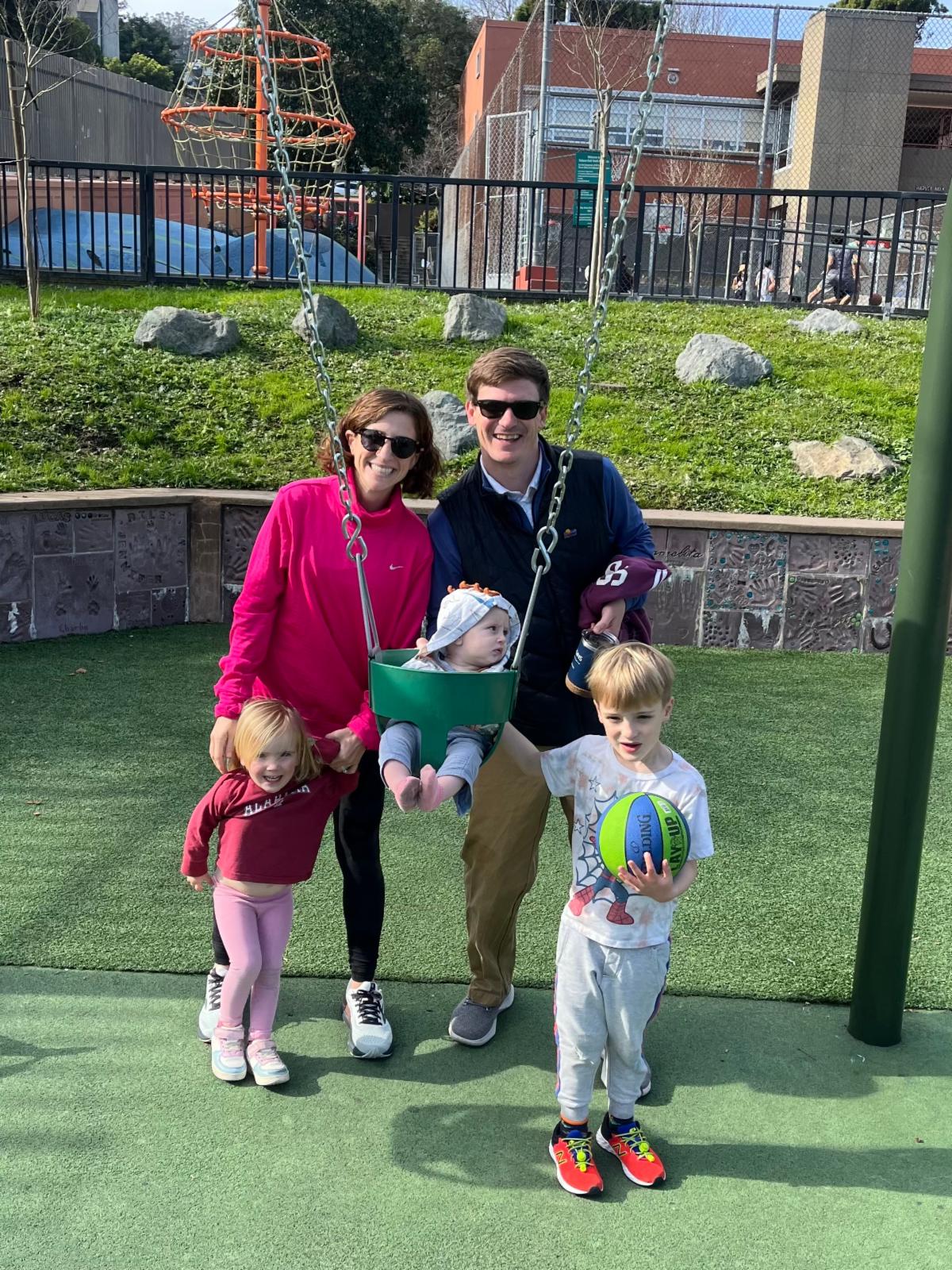
I enjoy exploring San Francisco and traveling with my wife and our three children.
| | Pictured: Carson and his familiy | | Career Development Awards | Transition to Independence | | |
PSCDP-Sponsored Writing Consultations
PSCDP is pleased to offer a limited number of complimentary writing consultations for physician-scientists with Vanessa Bender, PhD—an expert in scientific communication with over a decade of experience as an editor and consultant.
Selected participants will submit a draft manuscript or grant proposal for detailed written feedback. Vanessa will provide in-depth suggestions and meet 1:1 to discuss her comments and core principles of effective scientific writing.
If you’re interested, apply via the button below!
| | |
Mentoring Committees
PSCDP sponsors Mentoring Committees for interested lab-based physician-scientists. We think of these committees as a grown-up version of a thesis committee, with a strong emphasis on your career and planning for the transition to independence.
The committees meet annually, and are composed of your PI, a co-mentor of your choice, a research leader in your department/division, and a PSCDP Council member outside your department (who also chairs the committee).
These committees have been popular with both trainees and senior faculty members. Trainees have received guidance on (and advocacy for) planning key career moves, while faculty learn about trainees who are ready to be recruited into independent positions!
If you would like to request a PSCDP Mentoring Committee, please sign up using the link button below.
| |
|
Confidential Consultations
Are you facing a significant challenge in your scientific or professional life as a laboratory-based physician-scientist? If you’d benefit from speaking with someone beyond your primary or career mentors, PSCDP offers one-time confidential consultations with a member of our leadership team.
Request a session using the button below.
| | Please visit our website for access to all resources | | | | |