Sasakawa USA Newsletter February Highlights | | |
Included in this issue of the newsletter:
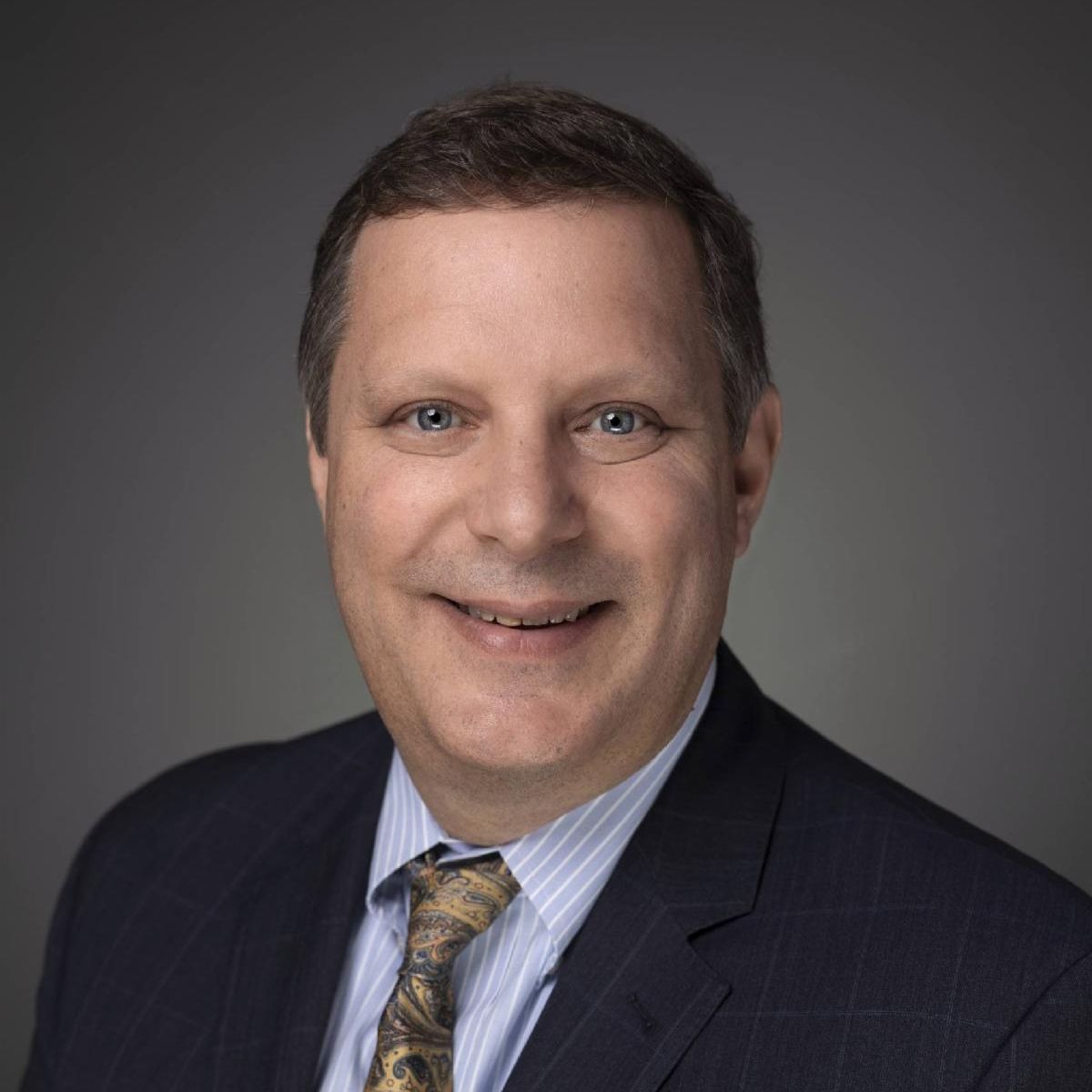
- Message from Sasakawa USA's Chairman Satohiro Akimoto
February Activities
- Japan US Military Program (JUMP): 2026 JUMP Annual Dinner
- Congressional Study Group on Japan: Chief of Staff Trip to Japan
- Washington Kenkyu Group: Discussion with ADM Ryo Sakai (JMSDF, Ret.)
- Japan US Military Program (JUMP): JUMP Virginia Military Institute
- U.S.-Japan Research Exchange: Daniel K. Inouye Asia-Pacific Center for Security Studies Research Trip to Japan
- US-Japan NEXT Alliance Initiative: Japan’s NEXT Defense Strategy Roundtable
- Japan US Military Program (JUMP): JUMP Quantico
External Engagements
- Mr. James Schoff Speaks at US-Japan “AI Frontiers” Conference
Upcoming Events
- Soft Power Series: Beyond the Table: Food, Culture, and Connection Between Japan and the U.S. with Ms. Masako Morishita
| | Message from Sasakawa USA's Chairman Satohiro Akimoto | |
Washoku, the “traditional cuisine culture of the Japanese,” was registered as an intangible cultural heritage by the United Nations Educational, Scientific and Cultural Organization (UNESCO) in 2013. The Japan Food Product Overseas Promotion Center (JFOODO)explains that this recognition is “not only about the food itself, but also about the culture and traditions that go along with the ingredients.” Washoku consists of two words: “wa,” meaning Japan or Japanese, and “shoku,” meaning food. Producing washoku requires deep knowledge of Japanese culinary culture, a refined sense of traditional aesthetics, and highly trained cooking skills to create complete harmony of natural ingredients on the table.
There is a wide range of washoku. One example is the highly refined kyoryori (Kyoto cuisine), rooted in Kyoto’s traditions and focusing on seasonal and regional ingredients, delicate natural flavors and artistic presentation. Another is the “soul food” of Osaka, often called “the kitchen of the nation,” such as takoyaki, okonomiyaki, and kushiage, all based on dashi broth and flour. There are also the casual foods of Edo (old Tokyo) townspeople such as Edomae (Tokyo Bay) sushi, tempura, eel, and soba, which originated as street foods in the theater district of Asakusa, to name a few.
I am from Tokyo, and while I love all washoku, I was raised within Tokyo’s rich food culture. I share the sentiment of the late Anthony Bourdain when it comes to the culinary richness of Tokyo. “I love Tokyo. If I had to eat only in one city for the rest of my life, Tokyo would be it. Most chefs I know would agree with me. For those with restless, curious minds, fascinated by layer upon layer of things, flavors, tastes and customs, which we will never fully be able to understand, Tokyo is deliciously unknowable. I’m sure I could spend the rest of my life there, learn the language, and still die happily ignorant.”
—Anthony Bourdain, Parts Unknown
One of my favorite washoku dishes is unagi (eel). There is a particular unagi restaurant at Haneda Airport that I am especially fond of. Originally from Nagoya, it serves unagi in both the Tokyo-style kabayaki and shirayaki, as well as Nagoya-style hitsumabushi. The unagi served at the restaurant is expertly prepared, offering a perfectly savory flavor that reflects the best of both the Tokyo and Nagoya traditions.
There is another reason why I love stopping by this restaurant: it offers a window into the changing nature of the Japanese society. Although becoming an excellent unagi chef traditionally requires many years of specialized training, the head chef in the kitchen is a young man from Estonia, and the second chef is a young man from Nepal. Customers can observe them preparing eel in the traditional Tokyo and Nagoya styles through a large glass window. In the dining area, a young Indonesian woman of Chinese descent works as a server. On one visit, I saw a Chinese family struggling to communicate with her in English. As soon as she switched to Chinese, the family’s faces lit up with smiles and they went on to enjoy their delicious hitsumabushi.
As of June 2025, there were roughly 3.95 million foreign residents in Japan, accounting for about 3.2 percent of the country’s total population. That unagi restaurant at Haneda Airport quietly reflects these changing faces of Japan.
Later this month, Sasakawa USA is thrilled to host the Soft Power Series event, Beyond the Table: Food, Culture, and Connection Between Japan and the U.S., featuring Ms. Masako Morishita, executive chef at Perry’s Restaurant. We hope you will join us to hear her experiences sharing Japanese culture, cuisine, and hospitality with American diners, and a discussion on the power of food diplomacy to build connections across borders.
| | |
Japan US Military Program (JUMP):
2026 JUMP Annual Dinner
| | |
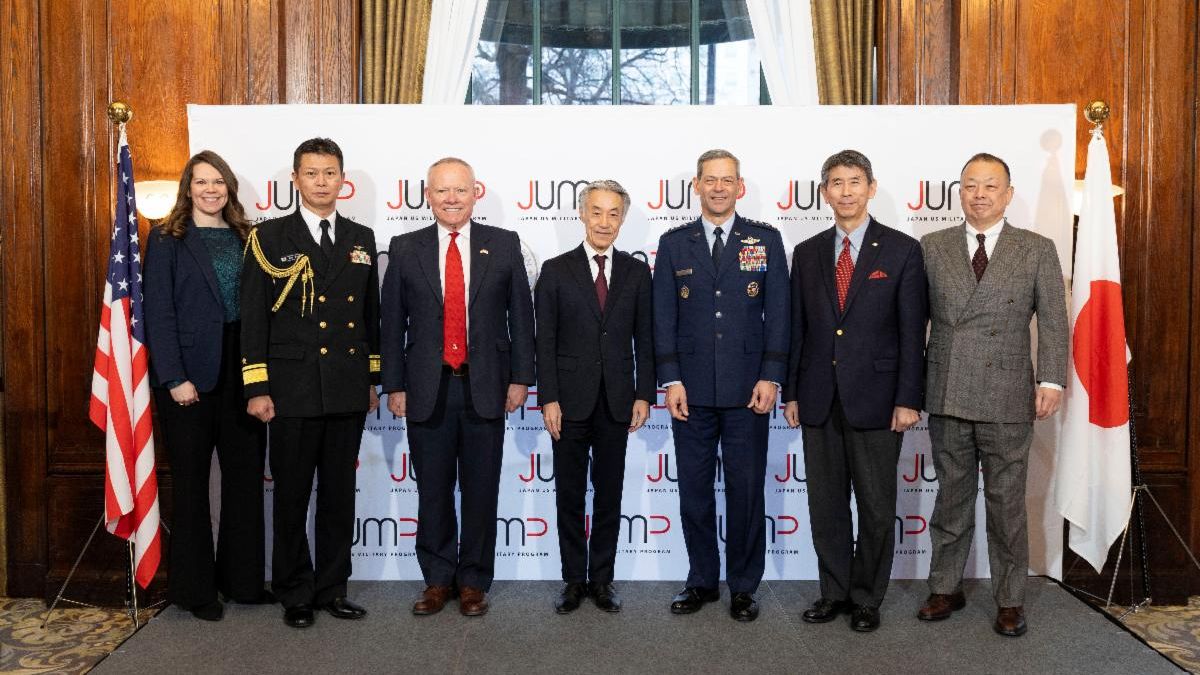
On February 2, Sasakawa USA and the Embassy of Japan hosted the 2026 JUMP Annual Dinner at The Army and Navy Club in Washington, DC. For this year’s Dinner, we were delighted to welcome Gen Ken Wilsbach (USAF), chief of staff of the United States Air Force, as the keynote speaker. In his remarks, Gen Wilsbach discussed his experiences serving in Japan as well as the importance of the U.S.-Japan alliance to peace, security, and prosperity.
Over 100 guests attended this special event. In addition to both active duty and retired servicemembers, the audience also featured government officials, civil society leaders, and other stakeholders in the U.S.-Japan alliance. Amb. Shigeo Yamada, ambassador of Japan to the United States, delivered greetings at the event highlighting the ever-strengthening ties between the two countries. In addition, ADM Ryo Sakai (JMSDF, Ret.), 35th chief of staff of the Japan Maritime Self-Defense Force, reflected on the alliance in his own remarks, and LtGen Lawrence Nicholson (USMC, Ret.), former commander, III Marine Expeditionary Force, provided an enthusiastic kanpai toast to the alliance and those who support it. RADM Takaaki Hayamizu (JMSDF), defense and naval attaché at the Embassy of Japan, introduced both ADM Sakai and Gen Wilsbach before their remarks, and Dr. Satohiro Akimoto, director of JUMP, provided welcome remarks and moderated the Q&A discussion with Gen Wilsbach and the audience.
JUMP is made possible by financial support from the Embassy of Japan. This JUMP material is distributed by Sasakawa Peace Foundation USA on behalf of the Embassy of Japan. Additional information is available at the Department of Justice, Washington, DC.
Photo (Left to Right): Ms. Shanti Shoji, RADM Takaaki Hayamizu, LtGen Lawrence Nicholson, Amb. Shigeo Yamada, Gen Ken Wilsbach, ADM Ryo Sakai, and Dr. Satohiro Akimoto
| | |
Congressional Study Group on Japan:
Chief of Staff Trip to Japan
| | |
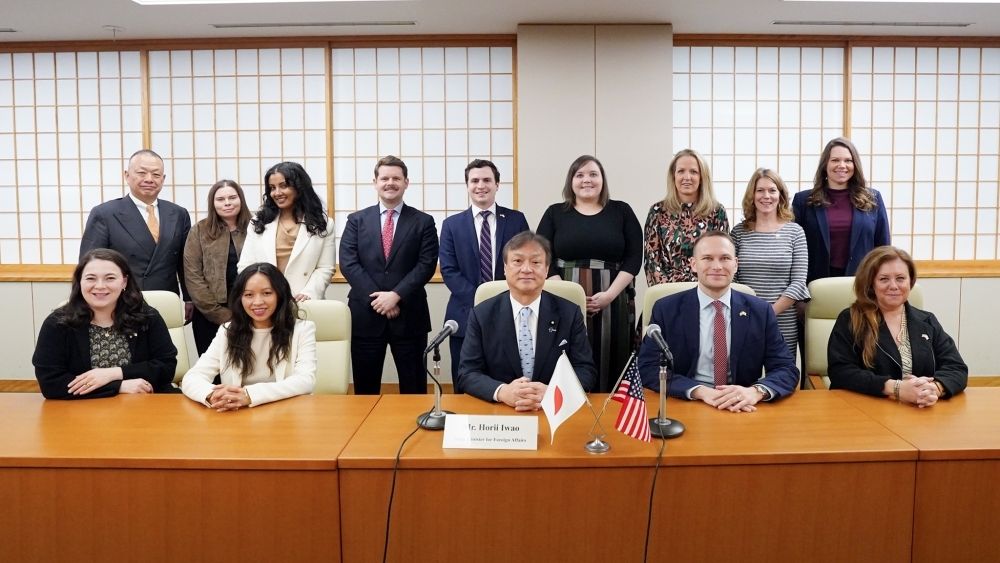
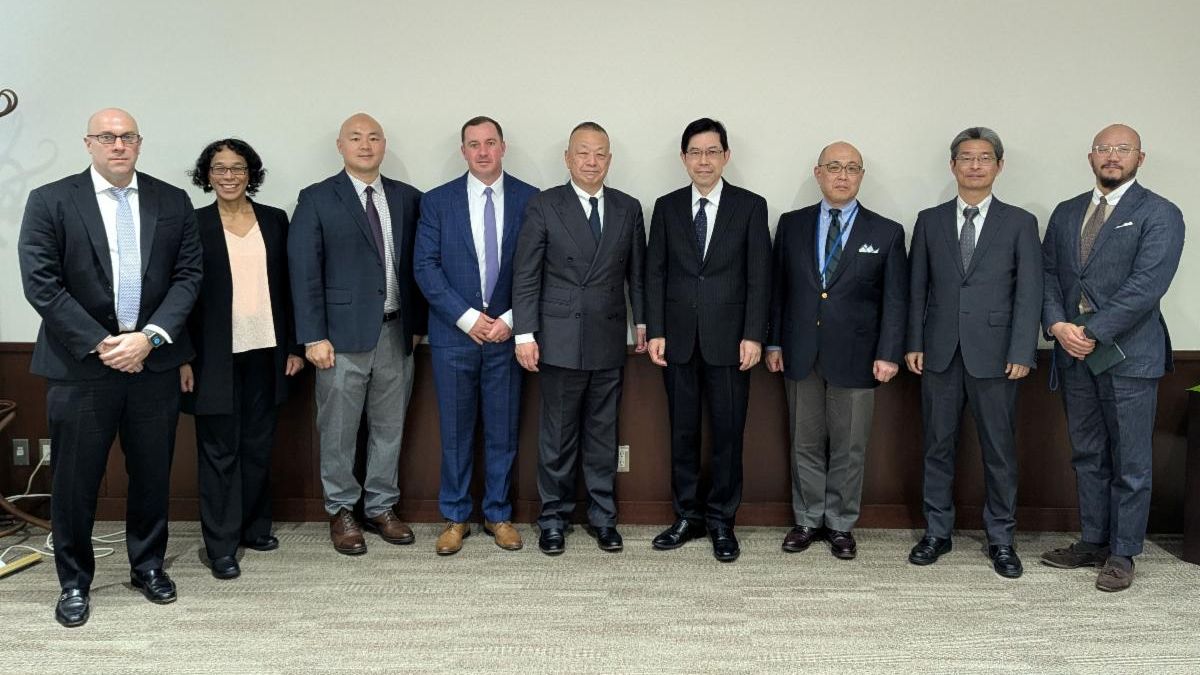
From February 14-21, a bipartisan delegation of ten Congressional chiefs of staff traveled to Tokyo and Nagasaki, Japan as part of the Congressional Study Group on Japan, an FMC program which is supported by Sasakawa USA. In Tokyo, the delegation met with State Minister of Foreign Affairs Hon. Iwao Horii, U.S. Ambassador to Japan George Glass, and a range of government officials, experts, journalists and business leaders to gain insights on issues pertinent to Japan’s foreign policy, economy, and society. The chiefs of staff concluded their tour with a visit to Nagasaki, where they deepened their understanding of the lasting impacts of nuclear weapons and explored the city’s rich history and culture.
We extend our appreciation to our partner, FMC, for their leadership and dedication in organizing another impactful study trip.
Photo: The Chief of Staff delegation with Hon. Iwao Horii. (Photo courtesy of Japan Ministry of Foreign Affairs)
| | |
Washington Kenkyu Group:
Discussion with ADM Ryo Sakai (JMSDF, Ret.)
| | |
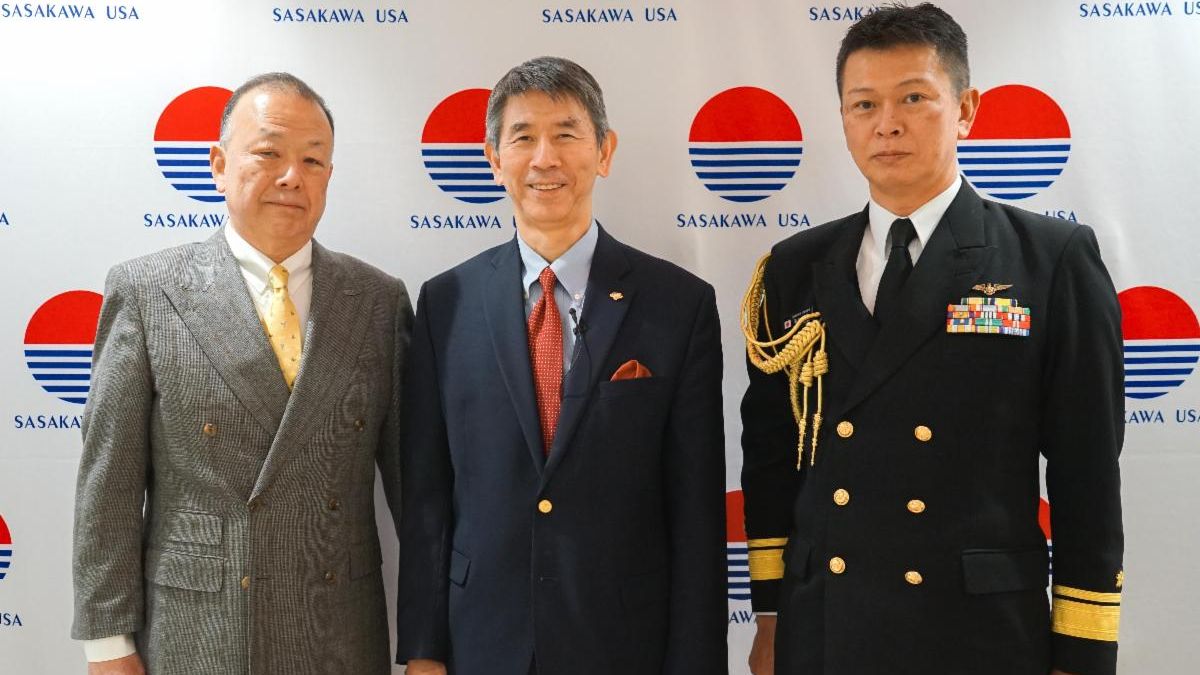
On February 2, Sasakawa USA hosted ADM Ryo Sakai (JMSDF, Ret.), the 35th chief of staff of the Japan Maritime Self-Defense Force and an inaugural International Fellow at the U.S. Naval Postgraduate School, for a Washington Kenkyu Group discussion on Japan’s fundamental reinforcement of its defense capabilities.
Drawing on over 35 years of service in the JMSDF, ADM Sakai shared firsthand insights into the shifting security and domestic contexts that prompted Japan’s defense policy transformation, as well as the changes within the Self-Defense Forces and defense industry that followed. He also reflected on the challenges faced during implementation and discussed his views on the future of U.S.-Japan security cooperation. Participants engaged in an in-depth dialogue about the implications of defense equipment acquisition by the JMSDF since the 2022 revision of defense policy documents and coordination with the U.S. Navy, among many others.
Photo (left to right): Dr. Satohiro Akimoto, ADM Ryo Sakai, and RADM Takaaki Hayamizu
| | |
Japan US Military Program (JUMP):
JUMP Virginia Military Institute
| | |
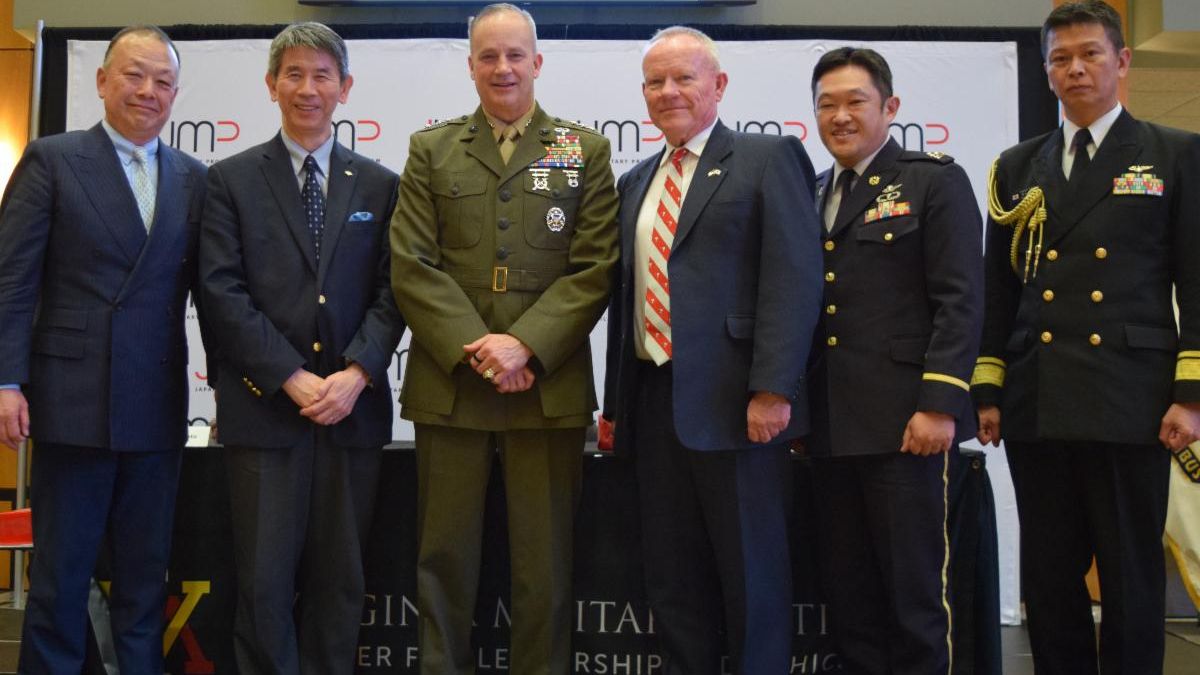
On February 3, Sasakawa USA and the Embassy of Japan held the JUMP event, “The Importance of the U.S.-Japan Alliance in the Indo-Pacific” at the Virginia Military Institute in Lexington, VA. The event included a reception, dinner, keynote, and panel discussion. It welcomed over 50 VMI cadets and professors.
The reception opened with remarks from Col David Gray (USA, Ret.), director of the Center for Leadership and Ethics, who also served as the master of ceremonies; as well as from Dr. Joel Christenson, director of the John. A. Adams ‘71 Center for Military History & Strategic Analysis. LtGen Lawrence Nicholson (USMC, Ret.), former commanding general of III Marine Expeditionary Force, then provided a toast. He was followed by Dr. Satohiro Akimoto, director of JUMP, who gave a brief introduction of JUMP. The keynote speaker was ADM Ryo Sakai (JMSDF, Ret.), former chief of staff of the Japan Maritime Self-Defense Force. This was followed by a panel discussion with LtGen Nicholson and Col Satoshi Masaka (JGSDF), military attaché, Embassy of Japan, with Dr. Akimoto as moderator. During the Q&A, cadets asked thoughtful questions on various Indo-Pacific security topics. The event concluded with remarks by VMI superintendent LtGen David Furness, who served overseas with LtGen Nicholson.
JUMP is made possible by financial support from the Embassy of Japan. This material is distributed by Sasakawa Peace Foundation USA on behalf of the Embassy of Japan. Additional information is available at the Department of Justice, Washington, DC.
Photo (left to right): Dr. Satohiro Akimoto, ADM Ryo Sakai, LtGen David Furness, LtGen Lawrence Nicholson, Col Satoshi Masaka, and RADM Takaaki Hayamizu.
| | U.S.-Japan Research Exchange: Daniel K. Inouye Asia-Pacific Center for Security Studies Research Trip to Japan | | |
From February 16 to 20, Sasakawa USA partnered with the Daniel K. Inouye Asia-Pacific Center for Strategic Studies (APCSS) for a joint research trip to Japan featuring a delegation of four APCSS researchers as part of our U.S.-Japan Research Exchange program. The APCSS delegation, which featured both civilian and military experts, spent one week in Tokyo meeting with experts from the government and private sector to research topics critical to the U.S.-Japan alliance such as capability development, defense industrial base, multilateral engagement, and Southwest Island security. The delegation’s research will help provide the framework for a joint dialogue on the current status and future of the U.S.-Japan alliance to be held by Sasakawa USA and APCSS later in 2026.
Photo: Researchers from APCSS during their visit to the National Institute of Defense Studies in Tokyo
| | |
US-Japan NEXT Alliance Initiative:
Japan’s NEXT Defense Strategy Roundtable
| | |
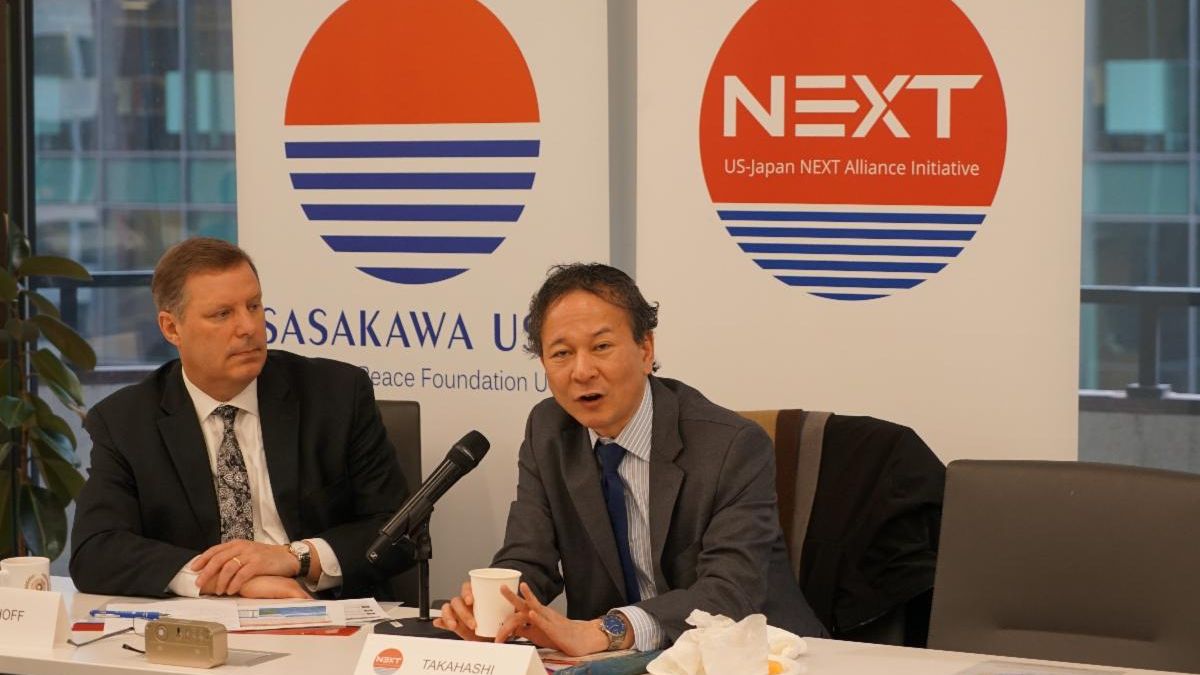
On February 17, the US-Japan NEXT Alliance Initiative was pleased to welcome Mr. Sugio Takahashi of Japan’s Ministry of Defense (MOD) for a roundtable discussion with 20 DC-based security policy analysts and defense professionals, as Japan is preparing its updated National Security and National Defense strategies.
Mr. Takahashi is director of the Strategic Planning Division in MOD’s Bureau of Defense Policy that is spearheading the defense review. Japan has been steadily increasing its defense spending in recent years and pursuing greater operational integration with U.S. forces for certain missions, but Tokyo still has a lot of important decisions to make regarding how to allocate the defense budget to support its vision for national defense and security cooperation with the U.S. and others. Sasakawa USA sr. director Jim Schoff hosted the meeting to provide a platform for sharing insights and different bilateral perspectives featuring foreign policy and defense experts with different types of expertise.
Photo (left to right): Mr. Jim Schoff and Mr. Sugio Takahashi
| | Japan US Military Program (JUMP): JUMP Quantico | | |
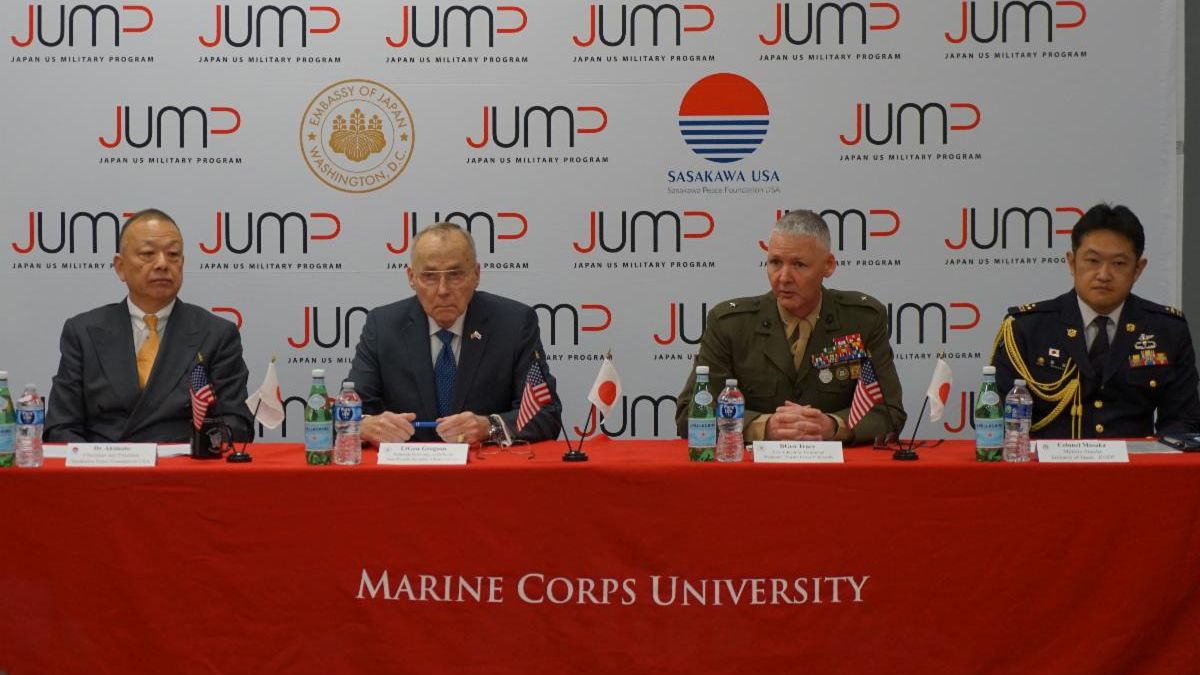
On February 26, Sasakawa USA and the Embassy of Japan held the Japan US Military Program Event “Transitioning to an Operational Alliance: Bilateral Implications of Upgrading U.S. Forces Japan to a Warfighting Command” in partnership with the Marine Corps War College in Quantico, Virginia. The event featured a panel discussion with LtGen Wallace Gregson (USMC, Ret.), former assistant secretary of defense for Asian and Pacific security affairs, former commanding general of III Marine Expeditionary Force; BGen Matthew Tracy (USMC), president, Marine Corps University; and Col Satoshi Masaka (JGSDF), military attaché, Embassy of Japan. Approximately 40 students and faculty attended the event, which was followed by a reception where attendees could continue the discussion.
JUMP is made possible by financial support from the Embassy of Japan. This JUMP material is distributed by Sasakawa Peace Foundation USA on behalf of the Embassy of Japan. Additional information is available at the Department of Justice, Washington, DC.
Photo: Dr. Satohiro Akimoto, LtGen Wallace Gregson, BGen Matthew Tracy, and Col Satoshi Masaka
| | |
Mr. James Schoff Speaks at
US-Japan “AI Frontiers” Conference
| | |
On February 26, US-Japan NEXT Alliance Initiative senior director Jim Schoff, together with three other expert guests, was a featured speaker at a U.S.-Japan business conference organized by the Japan Society of North Carolina in Durham, NC. “AI Frontiers: US-Japan Collaboration in Innovation & Industry” was supported by the Embassy of Japan through the National Association of Japan-America Societies and featured experts in AI for cybersecurity, industrial and physical AI, and AI adoption strategies. Mr. Schoff spoke about AI and the U.S.-Japan alliance with an emphasis on governance strategies for AI security and safety, drawing from NEXT’s expert networking project on AI assurance and national security.
Photo: Mr. Jim Schoff
| | |
Soft Power Series: Beyond the Table:
Food, Culture, and Connection Between Japan and the U.S. with Ms. Masako Morishita
| | |
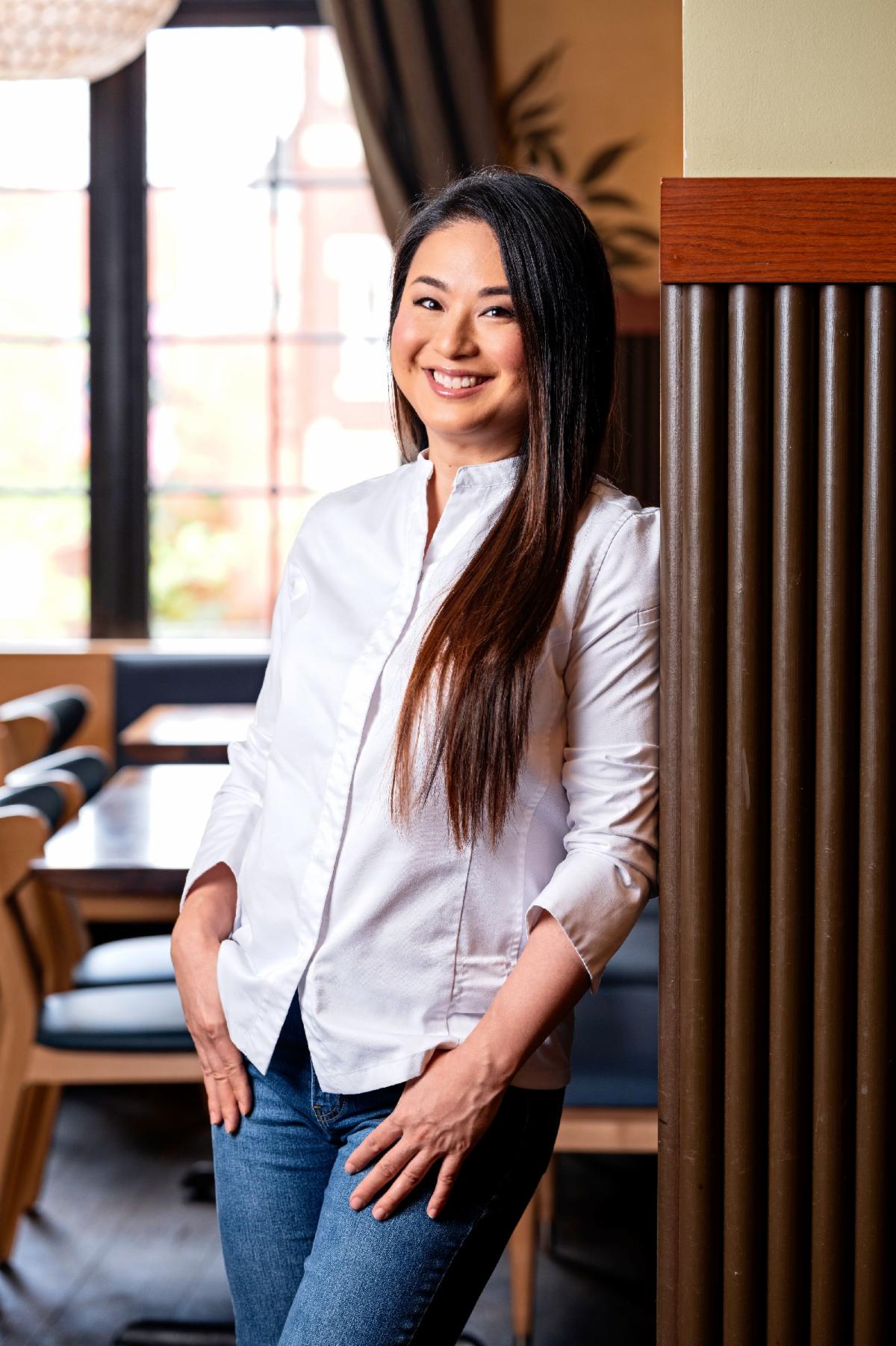
On March 17, Sasakawa USA will host the next installment in its Soft Power Series, Beyond the Table: Food, Culture, and Connection Between Japan and the U.S., featuring Ms. Masako Morishita, executive chef of Perry’s Restaurant. Since moving to Washington, D.C., Ms. Morishita has shared Japanese culture through her creative blend of traditional dishes and contemporary influences. Her culinary achievements include preparing a luncheon for former Prime Minister Fumio Kishida’s official visit to the United States. As a woman and immigrant succeeding in the American restaurant industry, she exemplifies Japan’s soft power through food, hospitality, and community. In this program, Ms. Morishita will reflect on her journey, her creative process, and the role of cuisine as a bridge between cultures. Her remarks will be followed by a discussion with Dr. Satohiro Akimoto and Ms. Kaede Ishidate of Sasakawa USA.
Photo: Ms. Masako Morishita (photo by Scott Suchman)
| | |
Sasakawa Peace Foundation USA
1819 L Street, NW, Suite 300
Washington, DC 20036
+1.202.296.6694
| | | | |