|
|||||
THE SKILLFUL EDUCATORTeaching & Leading with IntentionIDEAS WORTH PUTTING INTO PRACTICE
|
|||||
|
HIGH EXPECTATIONS
The Messages Students ReceiveCommunicating high expectations in everyday interactions
|
|||||
|
Students learn what we expect of them through more than the words we say. They notice whom we ask to explain their reasoning, whose answers we probe, how long we wait, and what we do when someone struggles. A teacher may communicate confidence by saying, “Take a moment. I know you can work through this.” That same teacher may unintentionally send a different message by quickly supplying an answer or moving to another student. These moments deserve our attention because patterns of interaction can strengthen students’ confidence in their capacity to learn. In The Skillful Teacher, 8th Edition, high expectations convey three essential messages:
The work is making those messages visible in what we do. |
|||||
|
WHY IT MATTERS
Confidence needs evidenceMeaningful challenge, clear instruction, useful feedback, and sustained support make high expectations visible. When students struggle, our response can communicate: this learning matters, improvement is possible, and I will help you get there. |
|||||
|
TRY THIS
Notice who receives which messagesChoose one class and observe your interactions for a day. Ask a colleague to collect a few observations, or make brief notes immediately after the lesson.
Treat what you notice as information for reflection. Then choose one small adjustment to try in the next lesson. For example: When a student struggles to answer, provide a useful prompt and return to that student after giving them time to think. |
|||||
|
SMALL SHIFTS
Make your confidence concreteAfter an incomplete answer: When a student is unsure: When a student needs help: When work needs revision: These examples pair confidence with a next step. The message becomes more credible when we follow through: return to the student, check progress, and recognize what their strategy or revision accomplished. |
|||||
|
FEATURED RESOURCE
10 Places Students Read Our ExpectationsMake the ten arenas a practical part of your reflection. This three-page guide pairs each arena with look-fors and questions about the messages students may receive.
|
|||||
|
FOR LEADERS
Look at interactions alongside task rigorWhen observing a classroom, consider both the intellectual demands of the work and the messages students receive while doing it. Notice whose thinking is invited, developed, and revisited. Look for how the teacher responds to uncertainty, errors, and unfinished learning. “Where did students receive evidence that you believed they could succeed at this task?” “Is there a student or group we could watch more closely to understand the messages they are receiving?” Use specific observations to support reflection and identify a manageable next move. |
|||||
|
RESEARCH CONNECTION
Expectations show up in everyday interactionsTST8 draws on Cooper’s (1979) research review to show how expectations are communicated through classroom climate, challenge, persistence, interaction, and feedback. Students perceived as more capable often received more response time and continued support. A randomized New Zealand study found greater mathematics gains over one year among students whose teachers received training in high-expectation practices (Rubie-Davies et al., 2015). Sources: The Skillful Teacher, 8th Edition, pp. 326–328. |
|||||
Make the message believableOur expectations become believable through repeated experiences: meaningful work, time to think, support that builds independence, and another opportunity to succeed. |
|||||
| RBT’s Winter Open Course | |||||
Studying Skillful TeachingPromoting Motivation, Learning, and Achievement Continue the work of making high expectations visible. Study practice with colleagues, expand your instructional repertoire, and explore ways to support student motivation and learning. Grounded in The Skillful Teacher, SST offers opportunities to examine beliefs and expectations, plan with clear learning goals, and use evidence of student learning to guide instructional decisions. Open enrollment is designed for individuals and small groups under 10.
|
|||||
|
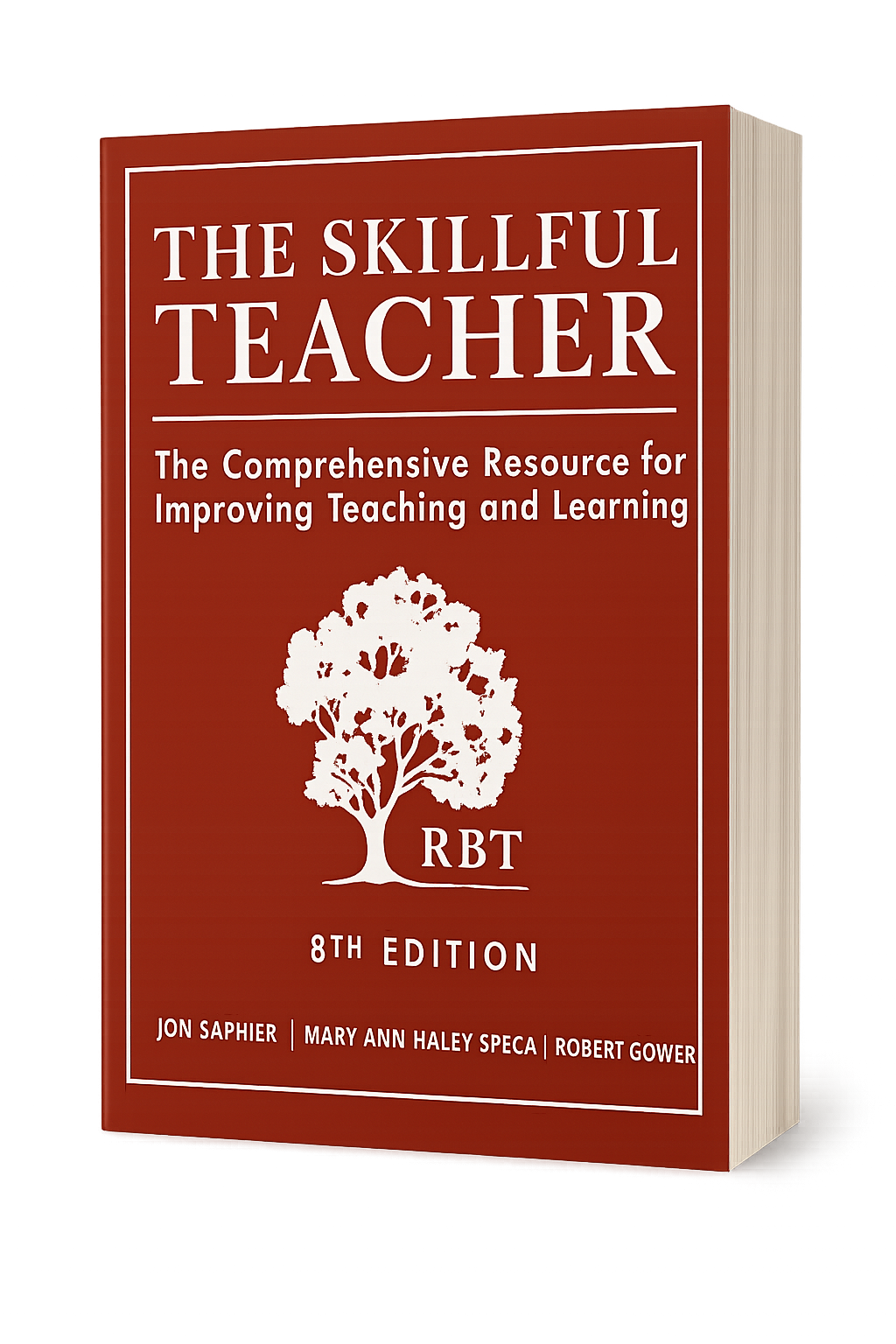
Know a colleague who would find this useful? Explore past newsletters | Explore The Skillful Teacher, 8th Edition |
|||||
|
Research for Better Teaching, Inc. More High-Expertise Teaching for More Students, More of the Time. One Acton Place, 526 Main Street, Acton, MA 01720 www.RBTeach.com | Contact Us |