Weekly Digest Number 50 - December 15, 2020 |
|
Union Not happy with New Work-Rest Rules Promulgated in Canada for T&E Crews |
|
Letter from TCRC President Isaak
Dear Sisters and Brothers, As I’m sure most of you are now aware, Transport Canada released the Duty and Rest Period Rules late yesterday. After an initial review we were extremely disappointed and concerned with some of the content contained and issues that were completely overlooked or not addressed.
The timeline for implementation of the revised Duty and Rest Period rules is 30 months. I ask for your patience as we wait on clarification and further information from Transport Canada.
In solidarity,
Lyndon Isaak
President – TCRC
|
|
Rail safety group urges more caution during switching operations |
|
(Editor's Note: These recommendations are all well and good, but if the rail carrier is not providing adequate training, well-rested crews, and otherwise making provision for a safe workplace, this is just another version of "Behavior Based Safety", shifting the onus of workplace injuries, accidents and fatalities off of the carrier and blaming the workers.)
"While these cases have not yet been analyzed, the SOFA Working Group is concerned by the 159 injuries that occurred this year through Aug. 31, 2020, and reminds all employees to remain vigilant during switching operations by not only protecting shove movement, but also protecting themselves by avoiding close or no clearances hazards," the group's alert stated, according to the BLET. "Last but not least, remember to always hold a job briefing whenever the job or situation changes."
|
|
Railroad Industry Webinars to Watch |
|
Join us on Wednesday, December 16th as we hear directly from labor groups representing the railroad workers who keep Amtrak running , share stories from front-line workers who have been hurt by service cuts, and talk about how railroad workers and their passengers can work together to grow and improve service in the U.S. RWU General Secretary Ron Kaminkow will be among the panelists taking part in this important webinar
|
|
NOTE: If you are unable to register by the deadline, you can still join in when the call is ready to start at 2 PM Central time on 12/16/2020 at:
|
|
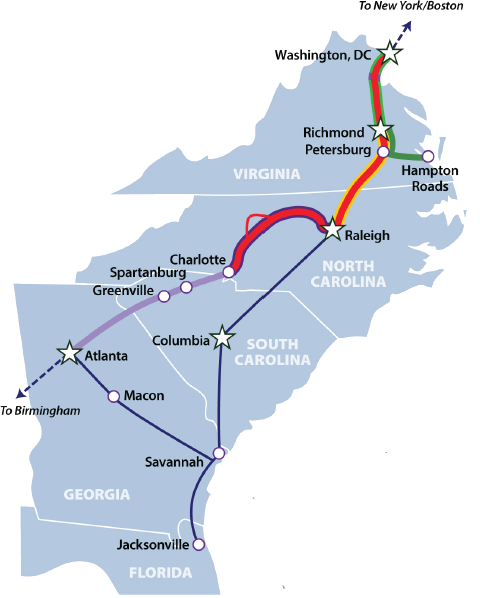
Virginia is forging ahead with rail expansion plans, including beefed up commuter service in the D.C. area along with additional frequencies to Richmond, Tidewater and Roanoke. Plan are in the works for new north-south and east-west services that would bisect and fully connect the state. In doing so, the state will create hundreds of good paying union railroad worker jobs. Watch the fascinating webinar below.
|
|
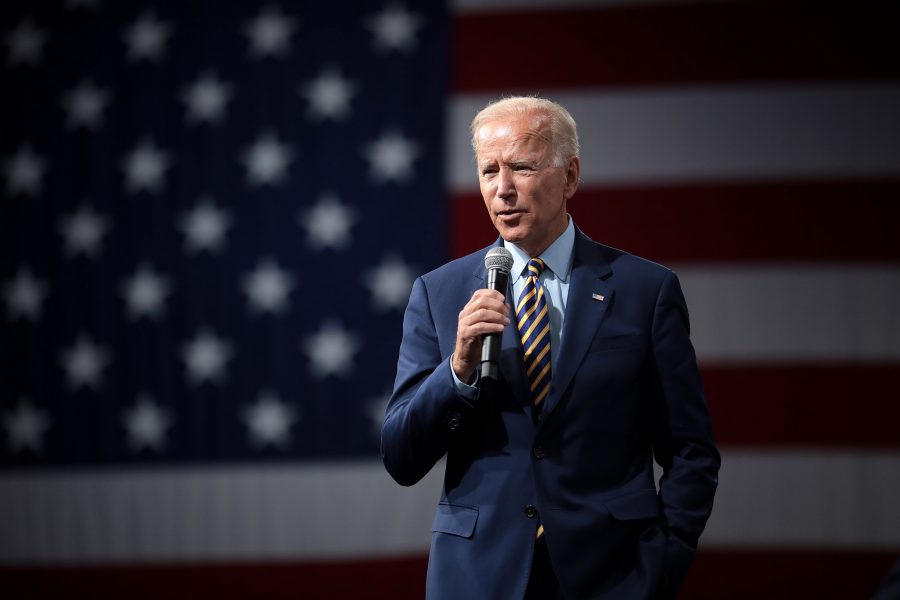
President-elect Joe Biden has pledged a lot to organized labor and the working class. Our job is to hold him accountable and to deliver for us. Watch this webinar that explores what we might expect from his administration and what we as workers will need to do. |
|
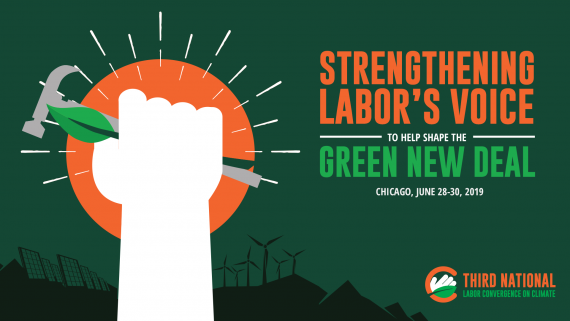
The Labor Network for Sustainability and their allies of the Just Transition Listening Project (JTLP) hosted a webinar last week (Dec. 5). At least three RWU members were extensively intereviewed for the Project. The webinar looks at efforts of workers around the world to re-tool their economies toward renewal energy while maintaining jobs, wages and benefits. NOTE: actual webinar starts at about 35 minutes in. |
|
Federal Railroad Administration "Modernizes" Brake Safety Standards |
|
Editor's Note: On December 11th, the Federal Railroad Administration (FRA) announced significant changes to the brake safety standards in the U.S. The rule change will extend the amount of time freight rail equipment can be left off-air (meaning parked with its air brake system depressurized) before requiring a new brake inspection, from 4 hours to 24 hours. Interestingly, the agency justifies these changes based on the Canadian model which has authorized such standards for many years. Canada has suffered numerous runaway trains and accompanying fatal crashes and derailments in recent years. |
|
NTSB recommends safety measures in light of CSX derailment |
|
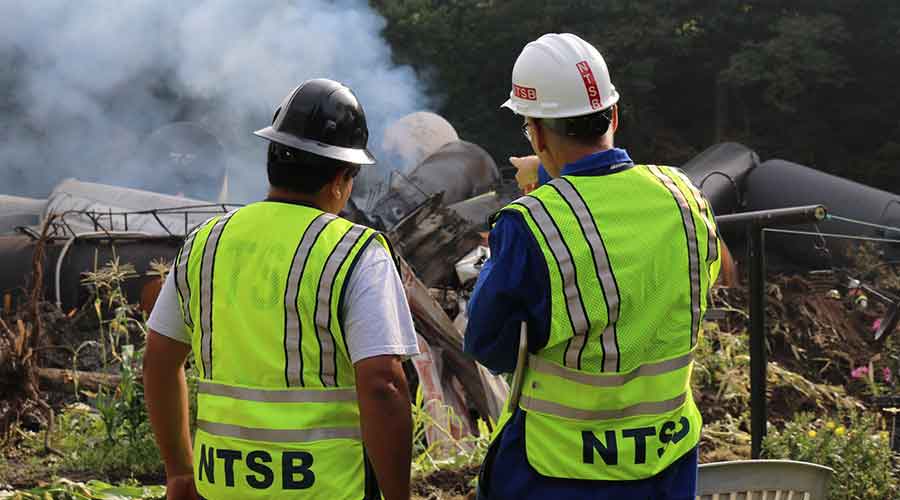
The National Transportation Safety Board (NTSB) yesterday issued six safety recommendations following its investigation of an August 2017 CSX train derailment that released hazardous materials near Hyndman, Pennsylvania.
The train consisted of five locomotives and 178 rail cars — 128 loaded and 50 empty — when it derailed on Aug. 2, 2017. Three derailed tank cars containing hazardous materials were breached, resulting in a fire. No one was injured, but three homes were damaged and a 1-mile radius evacuation was ordered. CSX estimated the cost of damages at $1.8 million.
NTSB officials determined the probably cause of the derailment was the inappropriate use of hand brakes on empty rail cars to control train speed, and the placement of blocks of empty rail cars at the front of the train consist. Investigators also determined CSX operating practices contributed to the derailment, agency officials said in a press release.
|
|
Rep. Moulton introduces bill to create national high-speed rail network |
|
Three U.S. House representatives introduced the American High-Speed Rail Act, which creates a blueprint for a national high-speed rail network and calls for investing $205 billion in it over five years. The bill would also establish development incentives and funding flexibility for non-federal HSR partners. And it would drive comprehensive new safety regulations and standards for U.S. high-speed rail. The full press release is below.
|
|
Joe Biden Makes a Lot of Promises to the Working Class |
|
As Presidential Nominee, Joe Biden sat down with AFL-CIO President Richard Trumka on Labor Day and answered questions from union workers. He made a lot of promises at that time, just before the election. He says among other things, that he will see to it that all workers have the right to join unions and collectively bargain, that the minimum wage will be raised to $15 an hour, and that he will be "the strongest labor president you have ever had." For rail workers specifically, he promises to invest heavily in rail transportation, and support Amtrak plus two person crews on freight trains. Like any politician now elected, we cannot trust that he will actually follow through. So we must organize and fight for our agenda! |
|
Transport groups request vaccine priority for supply chain workers |
|
The supply chain is working at full throttle to prepare for vaccine distribution. To maintain this level, workers have to stay healthy and feel safe reporting to work. And vaccination is one safeguard supply chain leaders are requesting to keep goods flowing against a background of tight cargo capacity.
"Ensuring vaccine availability for freight, rail, port and waterway, and energy workers is a key protective intervention to help keep our critical supply chains operating, reinforce the resilience of our transportation networks, and mitigate the risk of economic downturns and their effects at the local, regional, and national levels," the letter reads.
|
|
Total U.S. freight-rail volume climbs in Week 49 |
|
U.S. freight railroads logged 542,203 carloads and intermodal units for the week ending Dec. 5, a 4.8% increase compared with the same week in 2019, according to Association of American Railroads (AAR) data.
The railroads hauled 244,986 carloads during the week, down 1.4%, and 297,217 containers and trailers, up 10.5% versus a year ago.
|
|
We Must Hold the Biden Administration accountable for Job-Creating Climate Policies |
|
How can a Biden administration be held accountable to the pledges it has made for effective and job-creating climate policies?
No worker left behind: The Biden plan pledges that “We’re not going to leave any workers or communities behind.” It promises coal miners and their families will receive promised pensions and health benefits and that companies will pay more into the black lung benefits program. It will establish a Task Force on Coal and Power Plant Communities to help these communities “access federal investments and leverage private sector investments to help create high-paying union jobs” and “keep public employees like firefighters and teachers on the payroll, and keep local hospitals open.” More broadly, clean energy jobs must offer “good wages, benefits, and worker protections.” President Biden will “defend workers’ rights to form unions and collectively bargain in these emerging and growing industries.” While these commitments are rather vague, they offer points on which demands made on a Biden administration will be legitimated by Biden’s own plan.
|
|
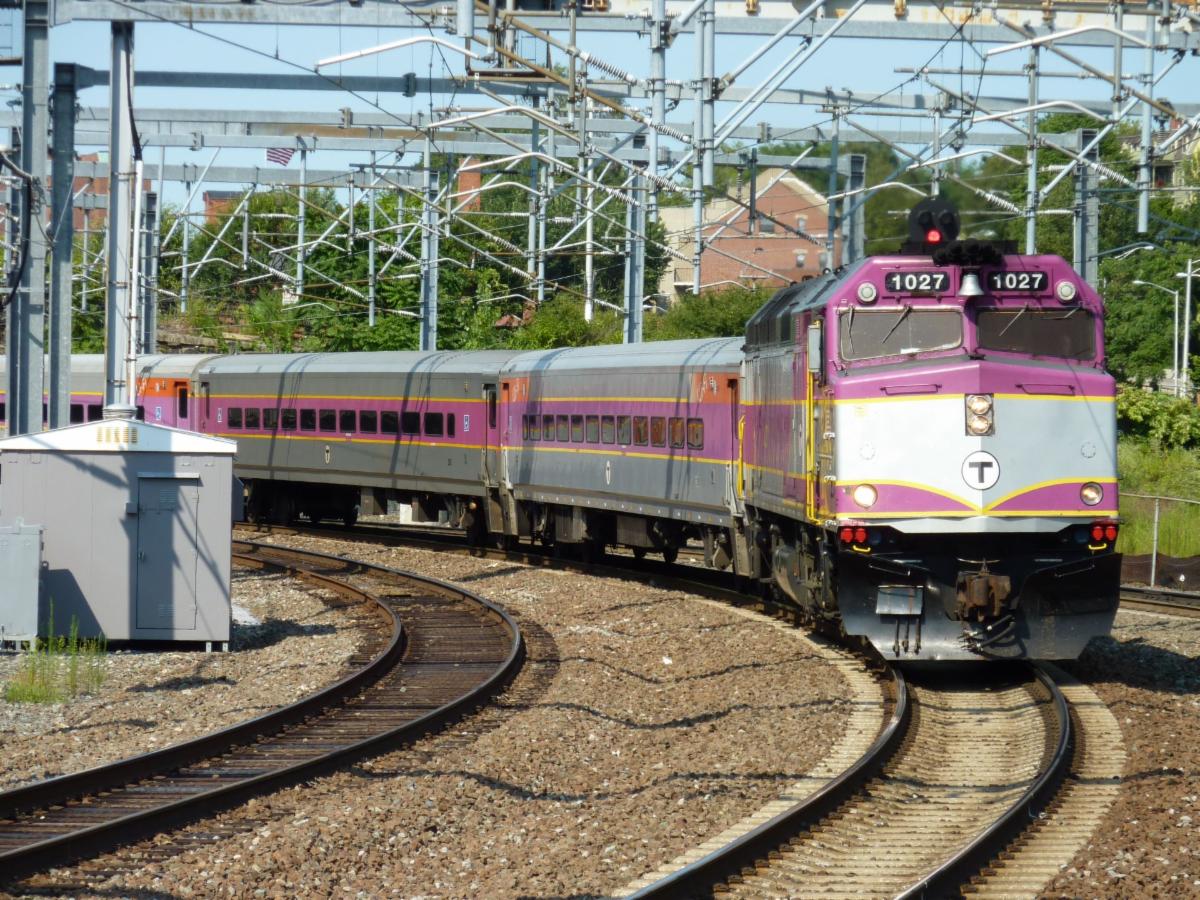
Bostonians Fight MBTA Service Cuts |
|
As the COVID-19 virus continues its relentless march across the nation and around the world, U.S. transit is quickly becoming one of its casualties. The picture will probably get worse as the $24.9 billion that transit got from the CARES Act runs out next year.
Legacy rail transit systems in places like Boston, New York City, Philadelphia and Washington, D.C. are now considering service cuts of unprecedented severity. So are other transit providers. The looming disaster has already hit San Francisco, where Muni runs only a small number of bus routes and no rail transit at all, BART continues to operate sharply reduced service, and voters recently pulled the Caltrain commuter line back from the edge of the grave.
More Passenger Rail News
|
|
|
|
|
|
|